REVIEW · NEW YORK CITY
NYC: Around Manhattan Official NYC Architecture Cruise
Book on GetYourGuide →Operated by Classic Harbor Line - New York City · Bookable on GetYourGuide
Manhattan looks different from water. This architecture cruise lets you study the waterfront, memorials, and skyline in one smooth loop. I especially like the assigned seating in the grand salon and the fact that the commentary is delivered by working architecture pros. One thing to consider: it’s not a fast, jump-on-jump-off tour, so you’ll want to enjoy time on the water for 165 minutes.
The boat is an elegant 1920s-style yacht, with both an enclosed observatory (heated or air-conditioned) and outer decks for sun and fresh air. If you prefer comfort, that choice matters. I also like how the experience feels curated without being fussy—one guide I saw singled out in feedback was Doug, and people kept pointing to his love of New York and his ability to explain what you’re actually seeing.
This itinerary is built for big-picture orientation: you’ll cruise through the Hudson, East, and Harlem rivers, circumnavigate Manhattan, and pass under all 18 bridges. You’ll pair classic lower Manhattan icons with newer “starchitecture” stops, plus engineering stories like Harlem River swing and lift bridges—great material when you want context, not just views.
In This Review
- Key Highlights Worth Planning Around
- A 1920s Yacht Makes Architecture Feel Effortless
- The Whole-Island Route: How 18 Bridges Change the Way You See Manhattan
- Lower Manhattan Icons From the Water: Woolworth, Wall Street, and the Bridge View
- Waterfront Memorials and One World Trade Center: Architecture With Meaning
- Downtown Starchitecture: Gehry’s 8 Spruce and Nouvel’s 100 Eleventh Ave
- Engineering Stories in Motion: Harlem River Bridges and Urban Renewal
- Comfort, Seating, and the Small-Boat Advantage
- Price and Value: What $113 Buys You on the Water
- Who Should Book This Architecture Cruise
- Quick Practical Tips Before You Go
- Should You Book This NYC Architecture Cruise?
- FAQ
- How long is the NYC architecture cruise around Manhattan?
- What does the ticket price include?
- What sites and areas will we see?
- Is there indoor space and can I go outside?
- What should I bring with me?
- Are pets allowed on the boat?
- How old do children need to be to join?
- Is the tour offered in English?
Key Highlights Worth Planning Around
- AIANY-connected architectural hosts: professional guides with an architects’ lens, not generic narration
- Pass under all 18 bridges: the whole-island route keeps the skyline moving and the photo angles changing
- Heated or air-conditioned observatory: you can stay comfortable while still watching the waterfront up close
- Waterfront memorials and One World Trade Center: you’ll look at the memory sites from the waterline
- Downtown “starchitecture” stops: including mentions like Frank Gehry’s 8 Spruce Street and Jean Nouvel’s 100 Eleventh Ave
- East River urban renewal stories: you’ll connect postwar planning and public housing to what you see today
A 1920s Yacht Makes Architecture Feel Effortless
New York is full of architecture tours that turn into a walking test. This one flips the script. You stay on a classic 1920s-style yacht and get a long, uninterrupted view of the city’s waterfront—Hudson, East, then Harlem—without the constant “keep up” feeling.
Here’s why that matters for value. From the water, buildings look less like a postcard and more like parts of a whole system: ports, streets, bridges, and neighborhoods all lining up. And you’re not doing it sprint-style. Reviews repeatedly mention the chance to sit down for a few hours yet still keep sight angles changing.
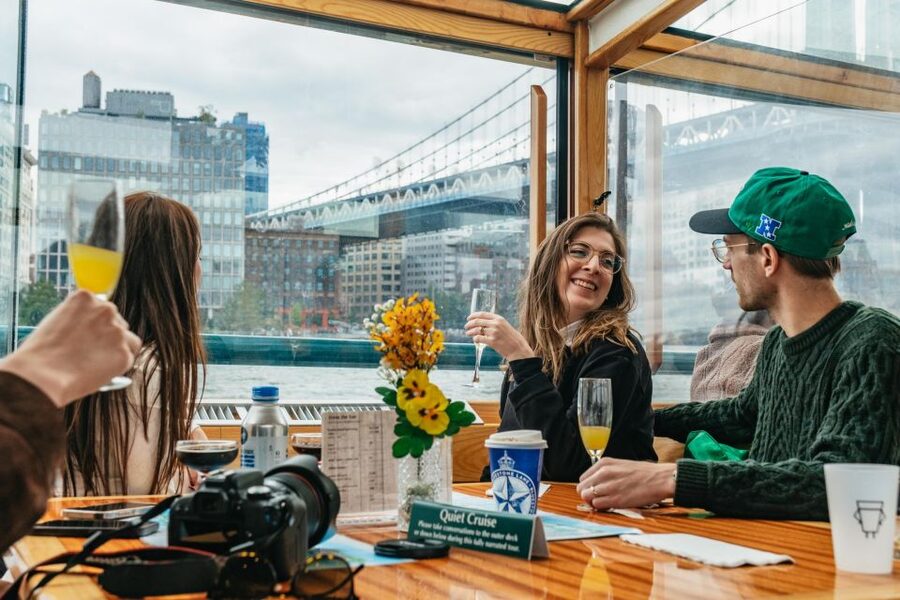
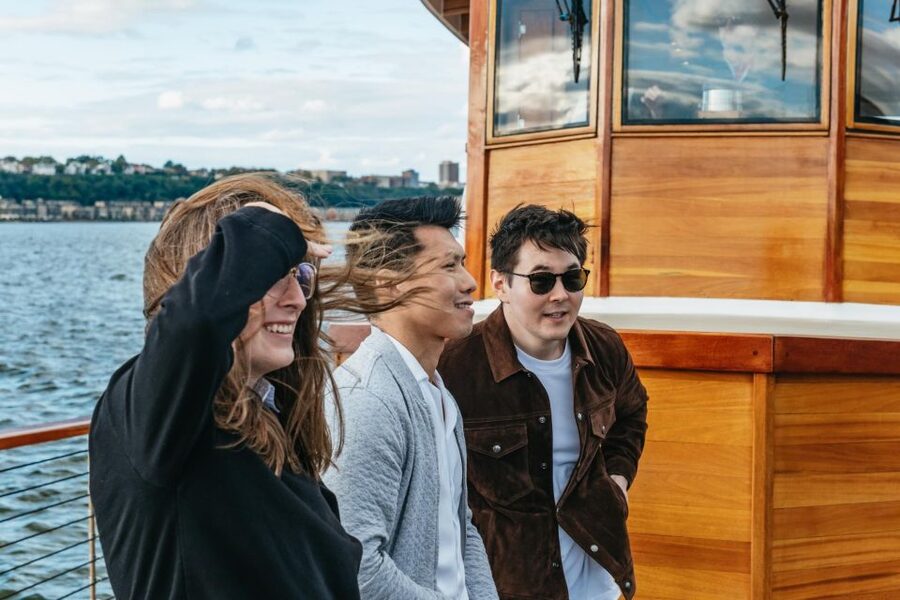
If you like choosing your own comfort level, you get it. The observatory is heated or air-conditioned, and you can step onto the outer decks when you want sunlight and fresh air. That mix is the difference between a tour you endure and one you actually enjoy.
You can also read our reviews of more tours and experiences in New York City.



The Whole-Island Route: How 18 Bridges Change the Way You See Manhattan
Passing under all 18 bridges is the kind of fact that sounds like trivia—until you’re watching it happen. Each bridge gives you a different view of Manhattan’s edges: the skyline shifts, the river width changes, and the city’s geometry becomes obvious.
I like this route because it helps you feel Manhattan’s scale. When you’re on the ground, everything can seem close together. On the cruise, you start to recognize how planning decisions shaped where people could move, where people worked, and where development clustered.
And because you’re circumnavigating the island, you’re also getting a natural “time-lapse” of neighborhoods. Downtown cues lead into midtown silhouettes. Midtown cues lead into uptown structures. Then the Harlem River side brings in a different set of engineering and bridge types that make the city’s infrastructure feel like architecture too.
A small but important practical point: you can wander in and out of the boat. Multiple reports mention that movement is easy, so you’re not stuck choosing between being comfortable indoors and missing the best photo moment.
Lower Manhattan Icons From the Water: Woolworth, Wall Street, and the Bridge View
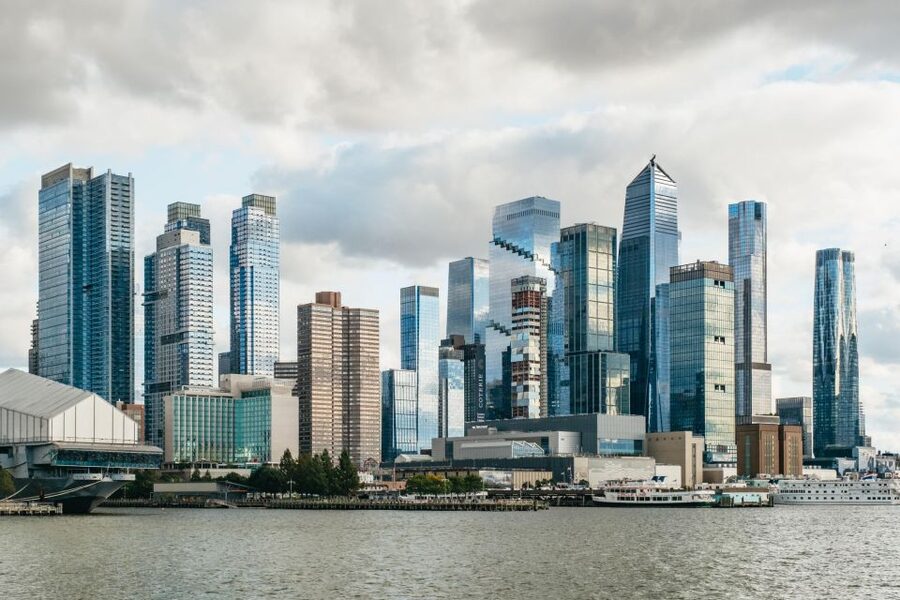
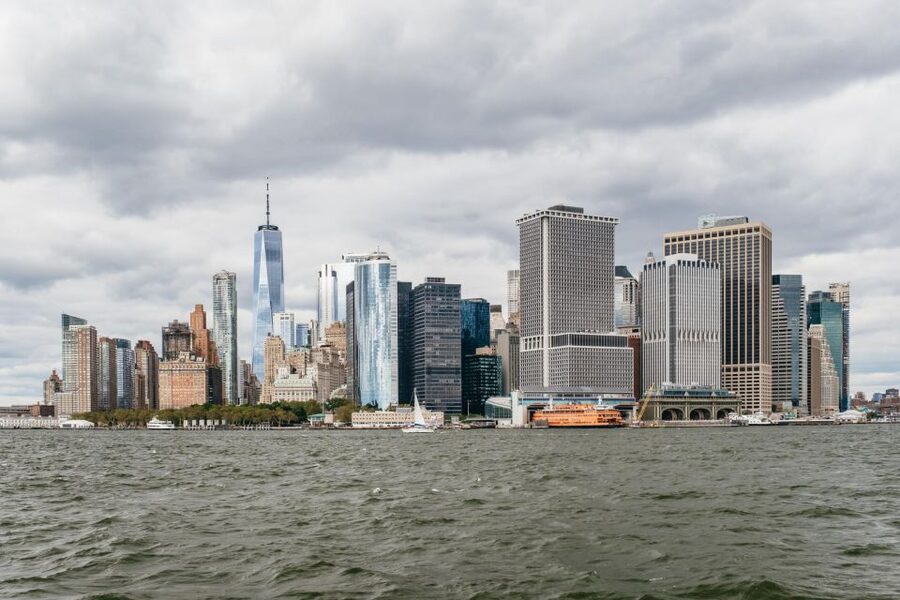
Lower Manhattan is where the skyline gets theatrical. From the water, landmarks like the Woolworth Building and Wall Street’s art deco spires come at you from angles you usually can’t get on a sidewalk. You’ll see the layered effect of towers, setbacks, and river-front views, which makes the “why this looks so dramatic” part click.
The cruise also works well for first-timers. If you’re trying to get your bearings fast, this is a solid way to do it before you start picking neighborhoods for dinner or museums. Instead of trying to remember street grids and subway stops, you can map Manhattan visually: downtown clusters, midtown height, uptown riverfront.
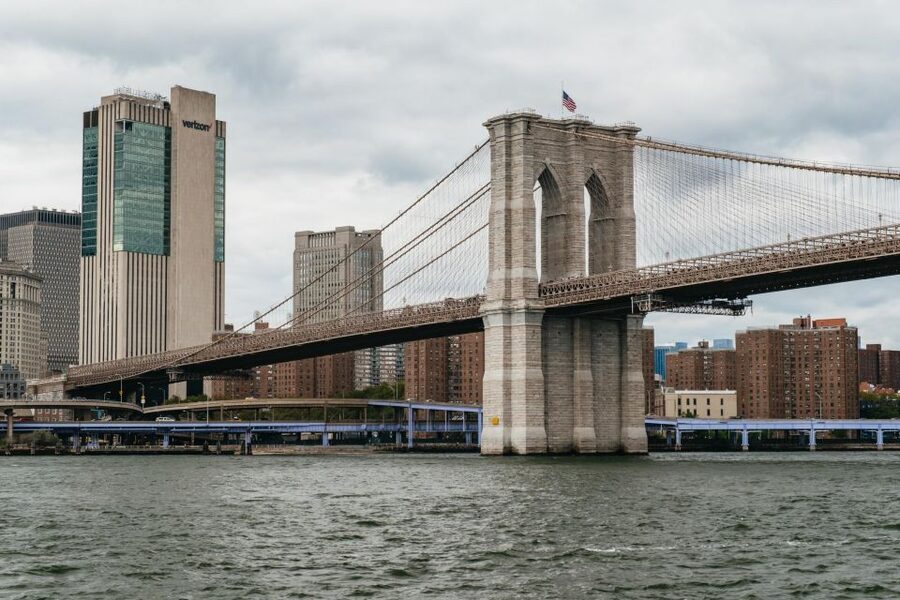
Then there’s the Brooklyn Bridge. Seeing it from the water isn’t just a photo moment. It’s a lesson in how bridges shape city identity. You get a clearer sense of how the bridge stitches Manhattan to Brooklyn, and how that connection influenced growth along the East River corridor.
If you’re a repeat visitor, it still works. One of the best “aha” moments on this kind of loop is realizing that you’ve seen buildings a hundred times from land, but you haven’t actually studied their river-facing faces.
Waterfront Memorials and One World Trade Center: Architecture With Meaning
This cruise doesn’t treat the waterfront as scenery. You’ll learn about One World Trade Center Memorial and Manhattan’s waterside memorials, and you’ll get an update on One World Trade Center as you pass the area from the water.
That combination is powerful because it ties design to memory in a way that’s hard to replicate quickly on foot. Buildings and monuments aren’t just objects here—they’re signals. From the water, the waterfront reads like a boundary line between city life and remembrance.
You’ll also hear about the visionary development of NYC’s “6th borough”: the Waterfront. For planning-minded travelers, this is where the tour becomes more than skyline gazing. You’ll start seeing the waterfront not as leftover space, but as a major urban project—movement, view corridors, and civic space all built into the city’s geography.
A practical note: if you’re the type who likes to photograph solemn sites, bring a steady hand. Water reflections can be beautiful, but they can also blur details. Give yourself a minute to find the angle before you fire off photos.
Downtown Starchitecture: Gehry’s 8 Spruce and Nouvel’s 100 Eleventh Ave

One of the fun parts of this cruise is that it doesn’t only chase famous old names. It points you toward newer architectural voices too—especially in the downtown core.
The tour highlights Frank Gehry’s 8 Spruce Street and also references Jean Nouvel’s 100 Eleventh Ave condos. Even if you don’t know every detail of their design language, the water helps you understand scale and massing—how towers step, curve, taper, and sit against neighboring buildings.
I like this approach because it turns “cool architecture” into something you can interpret. On land, modern buildings can feel like they’re all surface and signage. From the waterfront, you’re seeing how they fit into the city’s line of sight, how they respond to river context, and how they create a new skyline layer.
One more reason this matters: downtown is where you can get architecture fatigue fast if you’re only doing museums and walking tours. A cruise gives your eyes a break while still feeding your brain architecture facts.





Engineering Stories in Motion: Harlem River Bridges and Urban Renewal
Architecture in New York isn’t just about towers. It’s also about bridges, spans, and systems that keep the city working. This tour leans into that.
You’ll hear the story of Harlem River bridges, including swing, lift, and fixed-span bridges. That’s not random engineering trivia. From the boat, you can see how different bridge types serve different needs—water traffic, structural design, and the practical choreography of moving parts. It helps you look at infrastructure as design, not just function.
You’ll also get updates on postwar urban renewal and public housing along the East River. That’s where the cruise can surprise people who expected only glam skyline commentary. The waterfront becomes a timeline: old plans, changes in policy, and the way communities were shaped by development choices.
If you’re into urban planning, this portion is especially rewarding. Even if you’re not, it gives the architecture talk a human layer—why certain forms exist and what they were meant to do.
Comfort, Seating, and the Small-Boat Advantage
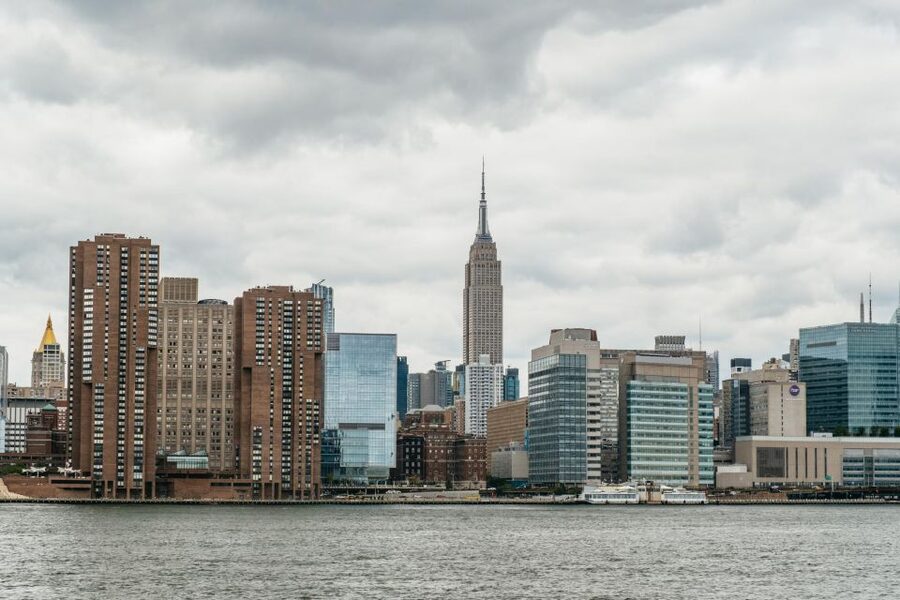
This cruise is often praised for comfort, and it’s easy to see why. You get comfortable assigned seating in the grand salon, so you aren’t constantly hunting for the best spot. Multiple reviews mention how relaxing it feels after walking around Manhattan for days.
The boat also isn’t trying to squeeze in the biggest crowd possible. People repeatedly describe it as not crowded compared to other cruise options. That matters because the guide’s commentary is more digestible when you can hear it without shouting across a deck.
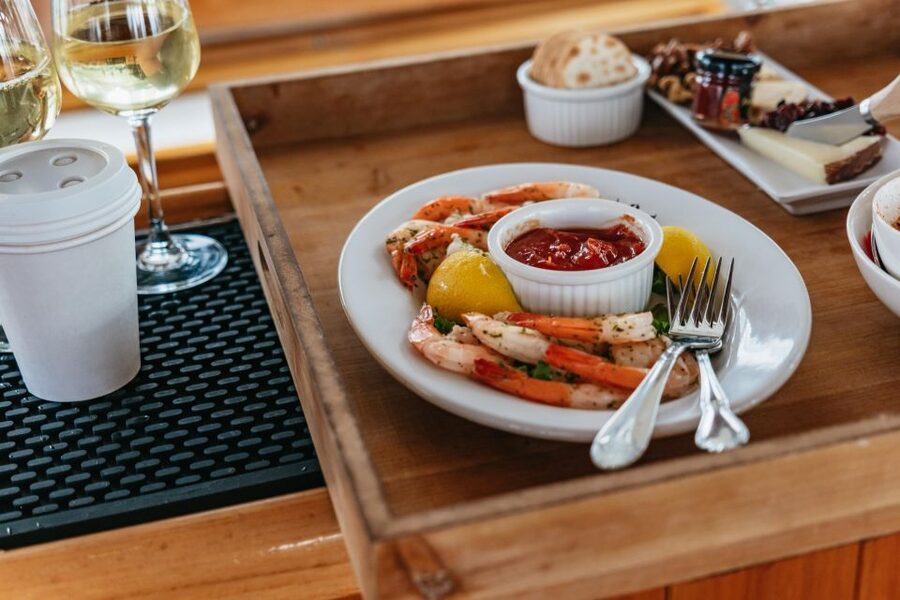
You’ll also get one drink included. And food is available to purchase onboard. That’s a nice structure for pacing: you can settle into the seat for the narration, then step out to the deck when you want a visual reset.
If you’re going in colder months, consider dressing like you’re going to be outside at times. Even with the heated observatory, the outer decks are part of the experience—sun and air are the whole point.
Price and Value: What $113 Buys You on the Water

At about $113 per person for 165 minutes, this isn’t a bare-bones cruise. You’re paying for three things at once:
- Time-efficient access to a lot of Manhattan at river level
- Architecture-focused narration from professional guides
- Comfort features that reduce stress and fatigue
For first-time visitors, the value is straightforward. One well-run cruise can give you the skyline context you’d otherwise try to assemble with multiple expensive activities and a lot of transit time. You’ll come away with stronger mental maps for the rest of your trip.
For repeat visitors, the value can be different but still real. If you’ve walked past famous buildings for years, this gives you new viewing angles and connects design to waterfront planning and engineering.
Where you should be cautious is timing and expectations. If you’re the type who only wants quick skyline photos and doesn’t want an educational talk, you may want something shorter. If you enjoy history, planning, and why buildings sit where they do, this price starts to make sense fast.
Who Should Book This Architecture Cruise
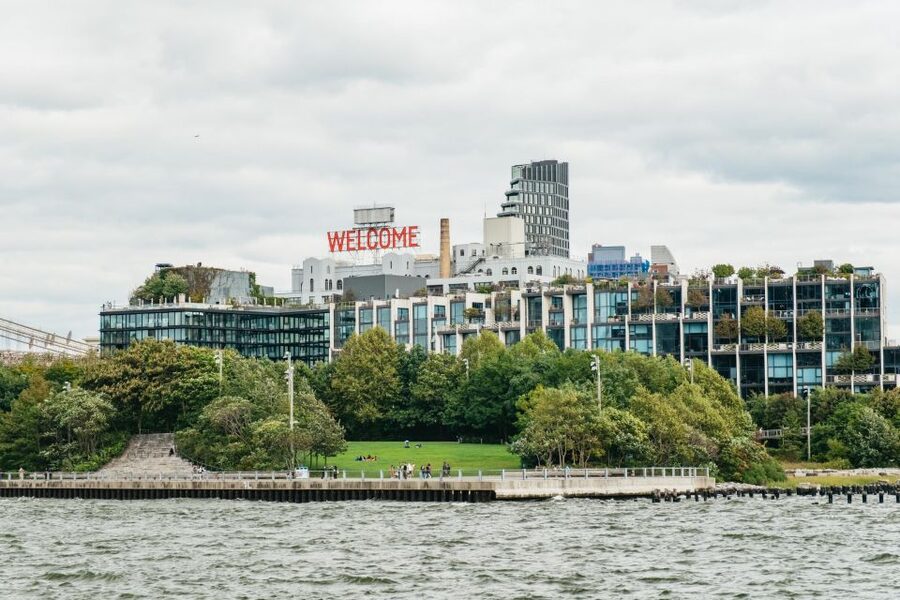
This is best for you if:
- You want a Manhattan orientation without nonstop walking
- You care about architecture details, city planning, and bridge engineering
- You’d enjoy a guided experience from a small-ish boat with assigned seating
- You’re traveling with someone who likes both learning and great views
It’s also a smart pick if you’re taking the trip soon and you want to spend your daylight well. About 2 hours 45 minutes is long enough to cover real variety—Hudson to Harlem, downtown icons to newer towers—yet short enough to keep your evening open.
Not a fit if you’re traveling with kids under 12. The tour requires children to be at least 12.
Quick Practical Tips Before You Go
Here’s what will keep your cruise smooth:
- Bring a passport or ID card
- Expect a meeting point that can vary depending on the option you book
- Plan on being on the boat for the full 165 minutes (heated/air-conditioned areas help, but it’s still a cruise)
- No smoking onboard
- Pets aren’t allowed, but assistance dogs are permitted
- If you need help boarding or have accessibility questions, coordinate in advance since accessibility varies by boat
One more seasonal angle: Friday afternoon departures focus on Climate Change in and around New York City. If that theme matters to you, pick a Friday slot.
Should You Book This NYC Architecture Cruise?
If you want architecture plus a relaxing ride, I’d book it. This is one of those experiences where the setting does half the work. The waterline makes the skyline easier to read. The bridges keep your attention moving. And the architectural framing helps you turn views into understanding.
Skip it if you prefer a silent, freestyle sightseeing day or if you only want a short photo loop. But if you like learning while you look, this cruise is a strong use of time in Manhattan.
My advice: choose the departure that matches your comfort needs. If you run cold or heat-sensitive, aim for one where you’ll feel good in the observatory while still stepping outside for photos.
FAQ
How long is the NYC architecture cruise around Manhattan?
The duration is 165 minutes.
What does the ticket price include?
It includes the yacht cruise, professional guides, and one drink. Food selections are available to purchase onboard.
What sites and areas will we see?
You’ll cruise the Hudson, East, and Harlem rivers, circumnavigate Manhattan, and pass under all 18 bridges. The tour covers waterfront memorials and One World Trade Center, downtown architecture examples like 8 Spruce Street and 100 Eleventh Ave, plus classic icons such as the Woolworth Building and the Brooklyn Bridge.
Is there indoor space and can I go outside?
Yes. The observatory is heated or air-conditioned, and you can also go to the outer decks for fresh air and sunlight.
What should I bring with me?
Bring a passport or ID card.
Are pets allowed on the boat?
No pets are allowed onboard. Assistance dogs are permitted.
How old do children need to be to join?
Children must be at least 12 years old.
Is the tour offered in English?
Yes, the live tour guide provides the tour in English.