REVIEW · NEW YORK CITY
Chelsea and the High Line NYC Architecture Walking Tour
Book on Viator →Operated by Build Tours · Bookable on Viator
High Line walking makes New York click. This Chelsea architecture tour is a focused, small-group walk built around what you can actually see, and I love how clearly you hear the story thanks to personal headsets.
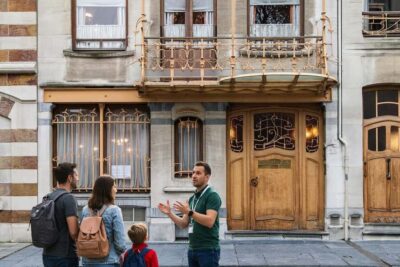
You’ll move at a human pace along Manhattan’s evolution, with a maximum group size of 15 so it still feels personal.
My favorite part is the way the guide connects buildings to city decisions. With Ivan leading, you get details like how air rights helped shape High Line funding, plus building-by-building context that turns a pretty walk into real understanding.
One consideration: the total experience is about 2 hours, so each stop is brief and you won’t linger long enough for deep museum-level reading. If you like to take your time, this tour is best as a smart overview you can follow up on later.
In This Review
- Key things that make this High Line and Chelsea walk special
- Why the High Line + Chelsea route works so well
- What you get for $49: headsets, a real guide, and free-entry stops
- Meeting at the Whitney Museum area and starting on solid footing
- Stop-by-stop: High Line to Hudson Yards in about two hours
- The High Line (about 1 hour)
- Whitney Museum of American Art (quick exterior stop)
- The Standard, High Line (quick look)
- Little Island Park (Hudson River)
- 100 11th Avenue by Jean Nouvel (short stop)
- 520 West 28th Street by Zaha Hadid Architects (short stop)
- The Shed (quick stop)
- The Vessel (quick stop)
- Hudson Yards (about 10 minutes)
- 15 Hudson Yards by Diller Scofidio + Renfro (short stop)
- The Spiral by BIG (short stop)
- How the guide’s style improves everything you see
- Timing and pacing: why this tour fits a busy NYC day
- Practical tips that make the walk easier
- Who should book the Chelsea and High Line architecture walk?
- Should you book this tour?
- FAQ
- How long is the Chelsea and High Line NYC Architecture Walking Tour?
- What time does the tour start and where does it end?
- How much does the tour cost?
- Is the tour a small group?
- Are admissions included for the stops on the route?
- Does the tour include headsets?
Key things that make this High Line and Chelsea walk special
- Small group, big clarity: headsets for each person mean you can hear every detail without craning your neck.
- Expert storytelling: Ivan is the kind of guide who can connect the High Line, the skyline, and the business of building.
- High Line for the full hour: you get real time on the park, not just a quick pass-through.
- Architecture stops packed into a short route: you’ll see major names like Zaha Hadid and Jean Nouvel along the way.
- Modern redevelopment in context: the walk ties Chelsea’s change to the bigger transformation around Hudson Yards.
- Free admission at the listed sights: the stops on the route are marked as free entries, so the tour feels like good value.
Why the High Line + Chelsea route works so well
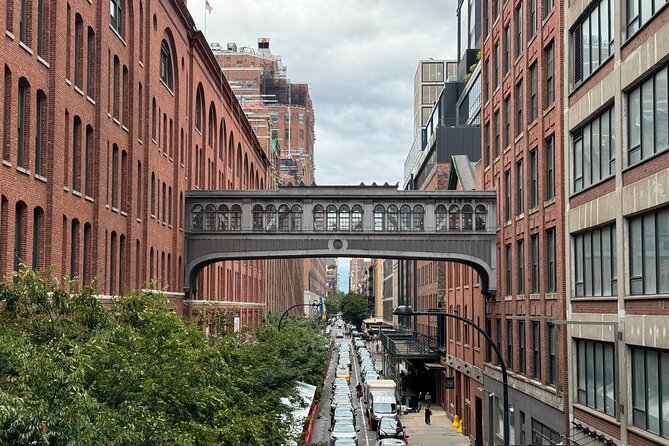
Chelsea has been reinventing itself for decades, and the High Line is one of the clearest examples of that shift. Instead of treating the area like a generic “see-some-landmarks” stroll, this tour is built like an architecture conversation you can follow block by block.
What you’re really doing is learning how Manhattan grows upward and sideways. The route moves from the High Line park experience into the fast-evolving world of Hudson Yards, where bold architecture, big funding decisions, and public space are tightly linked. It’s a great way to get your bearings fast.
I also like that the tour keeps it practical. It runs about 2 hours and ends around Hudson Yards, which makes it easy to pair with dinner, an art stop, or a second walk you plan yourself.
You can also read our reviews of more tours and experiences in New York City.



What you get for $49: headsets, a real guide, and free-entry stops
At $49 per person, this tour sits in the “worth it for the value” zone because you’re not only paying for narration. You also get professional individual headsets, which can be a big deal in a noisy city like New York.
This matters because the tour is packed with architecture references. Without clear audio, you’d miss the story and just end up looking at buildings. With the headsets, you can focus on form, placement, and how the neighborhood changed over time.
Another value point: the listed sights on the route are marked as admission ticket free. That doesn’t mean you’ll do a full museum session at every stop, but it does keep the tour from turning into a budgeting surprise. You’re paying for interpretation, not entry fees.
Meeting at the Whitney Museum area and starting on solid footing
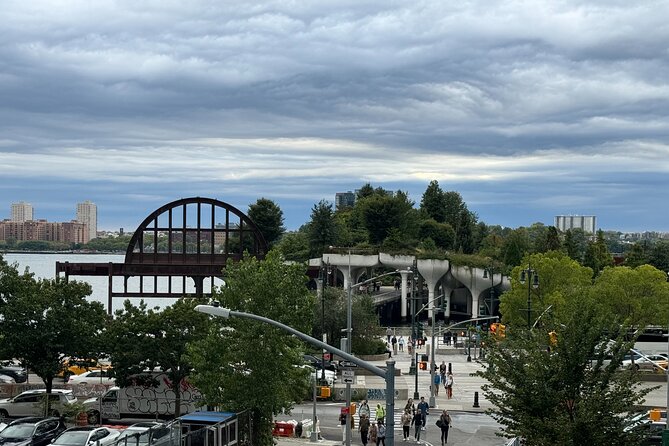
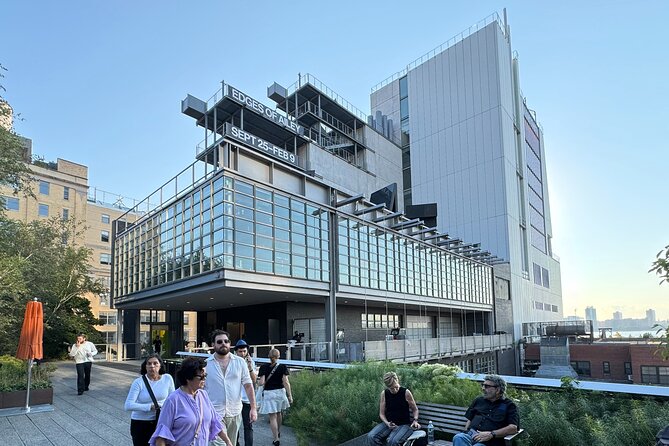
The tour starts at the Whitney Museum of American Art, 99 Gansevoort St. It’s a smart meeting area because you’re already in the right part of Chelsea for both the High Line and the gallery corridor feel.
Starting at 2:00 pm also helps. You’re not rushing in the darkest part of the day, and you can often get good visibility for architecture details. The experience ends at 20 Hudson Yards, which is convenient if you want to keep exploring immediately afterward.
You’ll use a mobile ticket, so plan on having your phone handy and charged enough for a 2-hour walk. If your battery is shaky, bring a small charger or power bank.
Stop-by-stop: High Line to Hudson Yards in about two hours
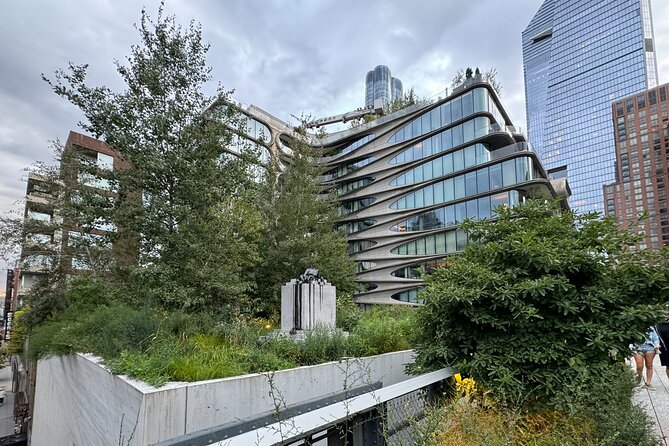
The rhythm here is quick, but not chaotic. You’ll spend the most time on the High Line, and the later Hudson Yards portion becomes a fast scan of major architecture moments.
The High Line (about 1 hour)
This is the heart of the tour, and it earns its time. You’re walking the High Line as an urban park experience, but with an architecture lens.
I like that the tour isn’t only about views. Ivan connects the story to how the park came to be, including practical city-planning ideas like the role of air rights in funding. That kind of explanation makes the space feel less like a “cool idea” and more like a real project with real tradeoffs.
One caution: since you’re on a park route, the best experience comes when you’re comfortable walking and standing in outdoor areas. Wear shoes you can trust.





Whitney Museum of American Art (quick exterior stop)
After the High Line time, you’ll get a short moment tied to the museum area. This isn’t a ticketed museum deep dive in the tour format. Instead, it helps you connect how institutions cluster in Chelsea and how galleries and museums fit into a wider design-and-development story.
The quick stop works best as a mental bookmark: you see the museum presence, then you move on while the architecture story is still fresh.
The Standard, High Line (quick look)
This is a fast pass to see the hotel and its relationship to the surrounding architecture. Even in a short stop, the guide can point out how commercial spaces use design language to fit into a neighborhood that’s simultaneously “park-like” and intensely urban.
If you like noticing how buildings change the street mood, this brief section is a good warm-up.
Little Island Park (Hudson River)
You’ll step your attention toward the Hudson River and see Little Island Park. The value here is timing and context: you’re learning how the skyline and public space interact, not just collecting photos.
I recommend watching how the park presence changes your sense of scale. In this part of the city, the waterfront becomes part of the design conversation, not an afterthought.
100 11th Avenue by Jean Nouvel (short stop)
Next up: Jean Nouvel’s building at 100 11th Avenue. This is one of those stops where you’re meant to look, not memorize technical details.
Use this moment to notice how the building’s form reads from the sidewalk and how it fits the broader redevelopment energy. Even when you only have a few minutes, the guide’s context helps you see the difference between architecture as art and architecture as a piece of city infrastructure.
520 West 28th Street by Zaha Hadid Architects (short stop)
Then it’s Zaha Hadid Architects at 520 West 28th Street. This stop is quick, so your job is to look for the design cues your eyes catch immediately.
The benefit of having a guide here is that you’re not guessing what you’re seeing. You get a framework for understanding the architecture’s intention—how it’s meant to feel and how it contributes to the neighborhood’s modern identity.
The Shed (quick stop)
You’ll see The Shed next. The tour uses stops like this to connect contemporary architecture to how culture and public life show up in new developments.
Because the stop is short, don’t expect a full explanation of every design feature on site. Instead, think of it as a “where to look later” marker. If the design intrigues you, you’ll know where to aim your curiosity next.
The Vessel (quick stop)
Then comes The Vessel. This is one of those structures people already recognize, but the tour helps you see it as architecture, not just a photo spot.
When you only have minutes, the biggest win is hearing how the guide frames the structure within the larger Hudson Yards story. It turns a recognizable landmark into a piece of urban design logic.
Hudson Yards (about 10 minutes)
Now you shift into the broader redeveloped zone: Hudson Yards itself. You get more time here than some of the earlier stops, and it’s the logical transition from the High Line park experience to big-scale city planning.
This portion is where you start putting the puzzle together. You’ve learned about the park’s origin and the neighborhood’s transformation—now you see the modern “new city district” effect in real time.
15 Hudson Yards by Diller Scofidio + Renfro (short stop)
Next: 15 Hudson Yards by Diller Scofidio + Renfro. This stop is brief, but it reinforces a key theme of the tour: Hudson Yards didn’t happen by accident. It’s a planned environment where different architectural statements are meant to coexist.
Look at how the building reads from street level. That’s the reality of most city architecture. From the sidewalk, you feel the scale and placement first.
The Spiral by BIG (short stop)
Finally, you’ll see The Spiral by BIG (Bjarke Ingels Group). It’s a fitting ending because it’s both visually distinct and strongly tied to the modern redevelopment mood.
As a closing note, pay attention to how the architecture shapes movement and attention. Even if you don’t remember every name afterward, you’ll remember the way the space guides your eyes—and that’s the real architecture lesson.
How the guide’s style improves everything you see
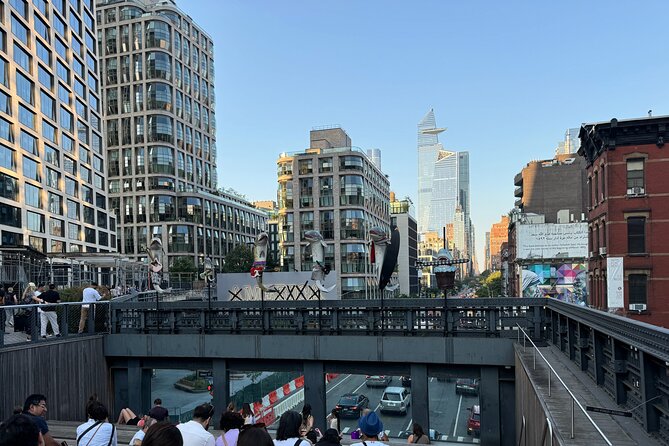
The route works on paper, but what makes it click in practice is the guide’s approach. Ivan’s explanations are where the tour turns into more than a checklist.
In the details you hear along the way, you get the story behind the structures—especially how public projects and private development intertwine. I particularly like the way he can connect a big idea (like the High Line’s funding mechanism) to what you’re standing next to right then.
That’s why the headsets matter so much. You don’t have to pause and rewind your understanding. You can keep moving while the story stays coherent.
Timing and pacing: why this tour fits a busy NYC day
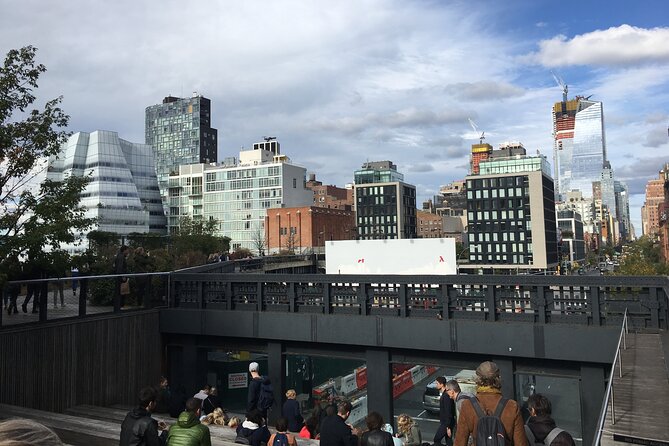
This is a short tour by New York standards, and that’s the point. With about 2 hours total time, it’s ideal when you want a structured introduction without committing a whole afternoon.
It also works well as your first pass through the area. The High Line section gives you the emotional and visual core, and the Hudson Yards run gives you the modern context. Later, you can choose whether you want to re-visit the High Line for longer photos or spend more time in a specific Hudson Yards spot.
If you’re the type who likes to do a little planning, this is a good anchor activity. It’s also often booked ahead (on average around 30 days), so I’d secure a spot early if you’re traveling during a busy stretch.
Practical tips that make the walk easier
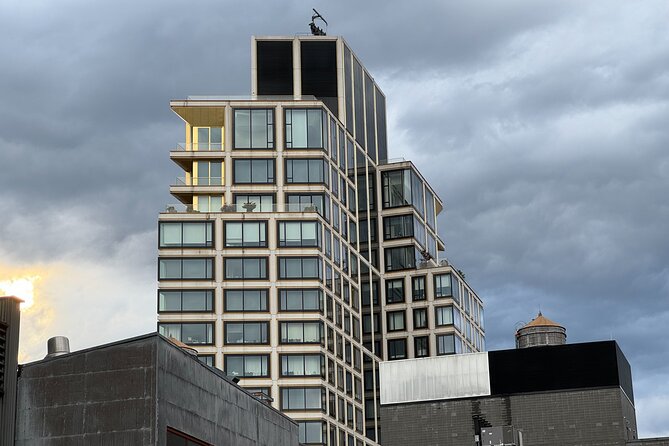
Here’s how to set yourself up for a smooth experience, based on how the tour is structured.
- Bring comfortable walking shoes. You’re outdoors and on your feet through two hours.
- Check your phone battery before you go. The tour uses a mobile ticket.
- Bring a light layer if the weather turns. The experience is described as requiring good weather.
- Plan for quick moments. Some stops are only about 5 minutes, so keep your camera ready but don’t rush your eyes.
If you’re visiting with a group or family, the small-group size helps. You get more of that human interaction feel than you do on the bigger, noisier walks.
Who should book the Chelsea and High Line architecture walk?
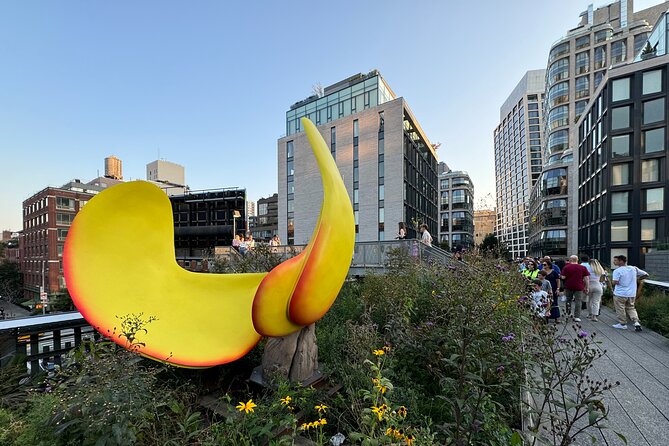
I’d book this if you:
- Want a small-group NYC walking tour focused on architecture and design.
- Like guided context more than reading plaques.
- Are interested in how redevelopment turns into real public space and city districts.
- Want to see both the High Line and the Hudson Yards zone without committing to a long day.
It also makes sense if you’re not trying to do every museum. The tour’s format gives you the architecture overview, and you can decide what to explore on your own afterward.
Should you book this tour?
If you want an efficient, high-signal introduction to Chelsea architecture and the High Line’s relationship to Hudson Yards, this tour is a strong yes. For $49, you get personal headsets, a small group capped at 15, and an expert guide who ties visible design to real planning decisions.
Skip it only if you hate short stops. This isn’t a slow walk where you can sit and process every building for half an hour. It’s more like a guided skyline lecture you can wear on your feet, ending at the center of Hudson Yards so you can keep exploring right away.
FAQ
How long is the Chelsea and High Line NYC Architecture Walking Tour?
The tour is about 2 hours.
What time does the tour start and where does it end?
It starts at 2:00 pm at the Whitney Museum of American Art (99 Gansevoort St) and ends at 20 Hudson Yards (20 Hudson Yards, New York, NY 10001).
How much does the tour cost?
The price is $49.00 per person.
Is the tour a small group?
Yes. The maximum group size is 15.
Are admissions included for the stops on the route?
The stops listed on the route show admission ticket free, and the tour includes all fees and taxes.
Does the tour include headsets?
Yes. You get professional individual headsets for each guest. Tips are not included.