REVIEW · NEW YORK CITY
Chelsea Architecture and Art Tour with Award Winning NYC Guide
Book on Viator →Operated by New York Art Tours · Bookable on Viator
Some cities look better from street level. This 2-hour Chelsea and Meatpacking architecture and art walk ties buildings, parks, and galleries into one easy route. I especially love the focus on real-world architecture by names like Frank Gehry and Zaha Hadid, and I like how the guide keeps the story tight and practical, including the Meatpacking District and Lower Manhattan connections. The main drawback is that it’s almost entirely outside, so plan for weather and comfortable walking pace.
You’ll start in Lower Manhattan and end near 10th Avenue, with a small group capped at 10. A big plus: the guide is licensed by New York City’s Department of Consumer Affairs and is a member of the International Association of Art Critics (AICA USA), so questions don’t get waved off.
In This Review
- Key Highlights You’ll Feel Immediately
- A 2-Hour Walk Through Chelsea, Meatpacking, and the High Line
- Whitney Museum Stop: Contemporary Buildings and the Museum Moment
- Meatpacking to Chelsea: Why This Neighborhood Mix Matters
- High Line Part 2: Sculpture, Elevated Park History, and Old Street Meets New Design
- Chelsea Galleries: What You Might See During Sept–June
- Meet Your NYC Art-Critics Guide and How the Small-Group Format Works
- Price and Value: Why $49 Can Make Sense
- What to Wear, Bring, and Expect Outdoors
- Who This Tour Fits Best (and Who Might Skip It)
- Should You Book This Chelsea Architecture and Art Tour?
- FAQ
- What is the tour duration?
- What time does the tour start?
- Where does the tour start and end?
- Is admission included for any stops?
- How many people are in the group?
- Is the tour indoors or outdoors?
- What language is the tour offered in, and do I get a ticket?
Key Highlights You’ll Feel Immediately
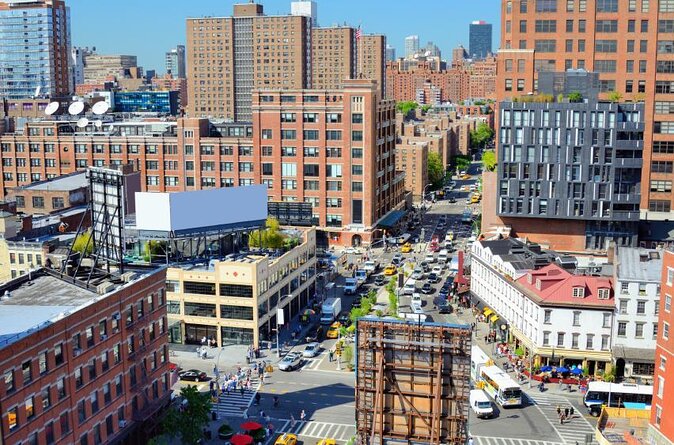
- Meet contemporary “starchitect” architecture up close across Meatpacking and Chelsea
- Whitney Museum stop with free admission built into the route
- High Line sculpture program plus the park’s elevated-history angle
- Chelsea’s art gallery district energy, with potential major exhibitions Sept–June
- Small-group pace (max 10) that leaves room for questions
- Rain-or-shine outdoor walking with a guide who keeps you moving smart
A 2-Hour Walk Through Chelsea, Meatpacking, and the High Line
This tour is built for people who like NYC in motion. At about two hours, you cover a focused slice of Manhattan where the art scene and the built environment overlap in plain sight. You get a guided route that connects the why behind the architecture to the what you’re seeing on the street.
I like the structure because it doesn’t wander in random directions. You know what you’re walking toward: first the Whitney Museum area, then the High Line as you head north, and finally back into Chelsea’s gallery zone. Also, the group size cap of 10 helps a lot; it keeps the questions from turning into a waiting game.
One practical consideration: because it’s mostly outdoors, you’ll want good walking shoes and a simple weather plan. The tour runs rain or shine, so dressing in layers is the smart move.
You can also read our reviews of more tours and experiences in New York City.



Whitney Museum Stop: Contemporary Buildings and the Museum Moment
Your first stop is the Whitney Museum of American Art area, with time to walk through Meatpacking and Chelsea and see modern architecture along the way. The tour’s architectural theme kicks off immediately, with references to international architects such as Frank Gehry, Jean Nouvel, and Zaha Hadid (plus others mentioned during the route).
What makes this part work for me is that it links two different ways of experiencing art: the museum experience and the city as a visual canvas. You’re not just reading about design. You’re watching how big-name architecture fits into real neighborhood streets, and you’re given enough context to notice details without needing an architecture degree.
Admission at the Whitney is included via a free ticket. That matters for value: you’re paying for the guide and the route, not a stack of entry fees. It also keeps you from having to time your day around buying museum access on your own.
A small tip: the Whitney area can be lively, so if you’re the type who likes photos, give yourself a second to pause before moving on. The tour pace is guided, not rushed by surprise stops, but you’ll still want to be ready when the interesting views show up.
Meatpacking to Chelsea: Why This Neighborhood Mix Matters
Even though Whitney is the formal first stop, the walk through Meatpacking and Chelsea is doing heavy lifting. You’ll hear how the area’s identity has shifted over time and how that shows up in the kind of buildings people built there, and the art spaces that now fill the scene.
The best way to think of this segment is like a visual “then and now” lesson. You’re seeing modern design and gallery culture, but you’re also getting the background that makes those choices make sense for the neighborhood. In particular, the route is set up so you don’t miss the Meatpacking District and Lower Manhattan story connections.
If you’re into NYC as a living city—where streets, design trends, and art scenes change together—this is one of the tour’s strongest angles.
High Line Part 2: Sculpture, Elevated Park History, and Old Street Meets New Design
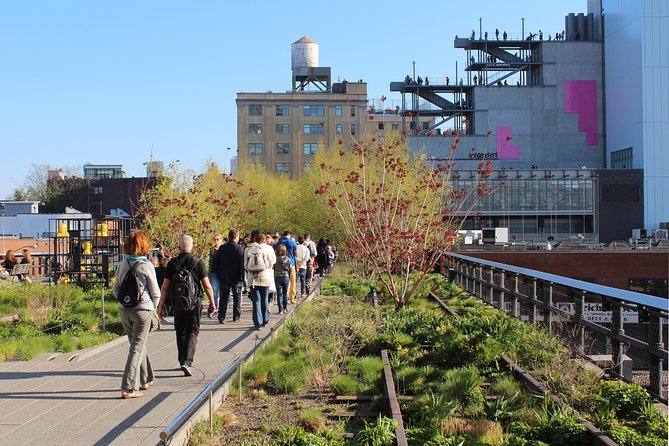
Next you head toward and along the High Line. This is where the tour turns from building-focused to city-park focused, while still staying architectural in spirit. As you move north, you’ll discuss the history of this elevated park and what makes it more than a long walkway.
You’ll also check out the High Line’s public sculpture program. That’s a great detail because it shows how art and architecture can blend into everyday public space. You’re not searching for a ticketed exhibition; the artworks are part of the walk itself.
Then the tour brings you back down to street-level context. You’ll consider Chelsea’s changing history and look at the “handsome 19th century residences and buildings” that contribute to the area’s charm.
This combo is what keeps the High Line from feeling like just a famous Instagram strip. The guide helps you read what you’re walking past: the elevated park concept, the public sculpture idea, and the surrounding neighborhood architecture that frames it.
A practical note: because you’ll be walking in real time from one neighborhood edge to another, plan for breaks only when the group stops. Don’t rely on frequent pauses; instead, bring water and keep your pace steady.
Chelsea Galleries: What You Might See During Sept–June
Chelsea is one of the world’s most concentrated art gallery districts, and this tour uses that to shape the final segment. During the art season (September through June), the tour may include a visit to one or two important art exhibitions in spaces that are beautifully repurposed or newly designed.
This “may include” part is important, and it’s honest. Your exact exhibition stops depend on what’s on during your dates. Still, the value is clear: you’re not just strolling past galleries—you’re getting a guided chance to see what’s significant during the season.
Even if you’re not hunting for a specific artist, this segment is about understanding the art ecosystem. Chelsea’s galleries are part business, part culture signal, part experimental space. Seeing that firsthand is the payoff.
If your trip falls outside Sept–June, don’t assume the exhibition portion disappears—just expect the tour to lean harder on street-level architecture and gallery-area context instead of specific show entry.



Meet Your NYC Art-Critics Guide and How the Small-Group Format Works
This tour’s guide setup is a standout for anyone who likes clear answers. Your guide is licensed by New York City’s Department of Consumer Affairs and also belongs to AICA USA, the International Association of Art Critics. That combination usually means you’ll get more than surface commentary—you’ll get explanations that make the visuals easier to understand.
One name that came up in the feedback was Merrily, described as an excellent, comfortable guide who answered questions professionally. That’s the kind of support that makes an architecture tour click. When you can ask a follow-up and get a straight, specific response, you learn faster and you enjoy more.
The group size is capped at 10. For a walking tour, that’s the sweet spot: small enough for dialogue, large enough that you’re not stuck waiting for one person to catch up.
Expect a lot of walking through real streets. The tour is designed to keep you moving and to point out what you might otherwise miss—especially the architecture connections between Meatpacking, Chelsea, and the High Line.
Price and Value: Why $49 Can Make Sense
At $49 per person for about two hours, the price is easiest to judge by what you get. You’re paying for:
- a licensed local guide with an art and architecture background,
- a tight walking route through multiple key areas,
- and free admission for the Whitney Museum stop.
That’s the key value angle: your money goes into interpretation and routing, not just museum entry. If you’ve ever paid for an expensive guide on a route that feels like sightseeing with no depth, this one aims to be different. The focus stays on contemporary architecture, public art, and how neighborhoods shape what gets built.
Also, the tour doesn’t require you to buy separate tickets for the included museum component. That reduces friction when you’re trying to plan a day in NYC.
Is it free? Not entirely—your tour payment is still real—but the “free admission” piece for the Whitney makes the overall package feel more balanced.
What to Wear, Bring, and Expect Outdoors
Since the tour is almost entirely outside, your comfort choices matter. I suggest:
- Walking shoes you can handle for two-ish hours on city pavement.
- Layers so you can adjust if the weather swings.
- A small water bottle if it’s warm.
You’ll also be moving through a part of Manhattan where the sidewalk rhythm can vary. The tour keeps you together, so you’ll want to be ready to pause when the guide points things out, especially around the High Line and near museum-area stops.
If you love photos, this is a good tour for it. But don’t let photography steal the whole show—pay attention first, then take pictures when something has been explained. You’ll remember it longer.
Who This Tour Fits Best (and Who Might Skip It)
This is a strong match if you:
- like contemporary architecture and want to see famous designers referenced on the street,
- enjoy public art and outdoor spaces like the High Line,
- want a guided route that links art culture to neighborhood context,
- prefer small groups and Q-and-A time.
You might choose something else if you hate walking outdoors or want a mostly indoor museum-focused day. The tour runs rain or shine and stays largely outside, so comfort in the elements is part of the deal.
Should You Book This Chelsea Architecture and Art Tour?
I’d book it if you want a two-hour, high-signal NYC experience that connects major modern architecture with the city’s art and public spaces. The tour’s value is strongest when you care about explanation—especially around the Whitney area, the High Line’s sculpture program, and how Chelsea’s gallery district fits into the larger Manhattan story.
It’s also a smart pick if you’re traveling with limited time. With a small group and a tight route, you get more insight per hour than you would by wandering on your own and trying to guess what’s important.
If the weather worries you, don’t ignore it—plan for it. But if you can handle outdoor walking, this tour is one of the more practical ways to see Chelsea and the High Line with meaning, not just with landmarks.
FAQ
What is the tour duration?
The tour lasts about 2 hours.
What time does the tour start?
The start time is 11:00 am.
Where does the tour start and end?
It starts in Lower Manhattan, New York, NY 10014, and ends near 10th Avenue in the mid-20s. The exact end location is confirmed by email one week before your tour.
Is admission included for any stops?
Yes. Admission ticket to the Whitney Museum of American Art is free as part of the tour. The other named stops also show free admission in the tour details.
How many people are in the group?
The tour has a maximum of 10 travelers.
Is the tour indoors or outdoors?
It’s almost entirely outside, and it operates rain or shine.
What language is the tour offered in, and do I get a ticket?
The tour is offered in English, and it uses a mobile ticket. Confirmation is received at booking time.