REVIEW · NEW YORK CITY
Tribeca Architecture And History Walking Tour
Book on Viator →Operated by Metro Tours - Walking Tours of New York City · Bookable on Viator
Old Tribeca stories live in plain sight. This 2½-hour architecture and history walk ties 300 years of Manhattan change to what you can see on the blocks, right in Tribeca. You’ll cover landmark buildings, moneyed-era ambition, and how a farmland edge turned into one of the city’s most famous addresses.
I love how the guide makes architecture feel practical and easy, even if you don’t know the first thing about building styles. You’ll also hit the Ghostbusters Firehouse Company 8 stop, where the famous façade turns into a real local-history moment.
The main drawback is simple: it’s an outdoor walk that needs good weather, and there are no snacks included.
In This Review
- Key highlights you’ll actually care about
- From the Tweed Courthouse to Tribeca Park, One Continuous Walk
- How Tribeca Went From Farmland to Celebrity-Grade Real Estate
- Reading Tribeca’s Buildings: Cast Iron, Landmarks, and Real Street Clues
- Ghostbusters Firehouse Company 8: Photo Op With Actual Context
- The Best Part: Stories That Stay Funny, Personal, and Well Timed
- What You’ll Use Right Away: Food Ideas and Manhattan Recommendation Guides
- Who This Tour Fits Best (and When to Skip It)
- The $50 Question: Value for 15+ Stops and a Real Story Guide
- My Booking Call: Should You Take the Tribeca Architecture and History Tour?
- FAQ
- How long is the Tribeca Architecture and History Walking Tour?
- What does the tour cost?
- Where does the tour start?
- Where does the tour end?
- Is a mobile ticket used?
- What’s the famous stop on the tour?
- How many people are in the group?
- Does the tour run in any weather?
- Are service animals allowed?
- FAQ
- Can I cancel for a full refund?
- When do refunds stop being available?
- What if the tour is canceled because there aren’t enough travelers?
Key highlights you’ll actually care about
- Small group size (up to 15) keeps it conversational, not a lecture sprint
- 15+ stops in about 2½ hours with frequent picture pauses
- 300 years of Manhattan change in one neighborhood told through buildings and street layout
- Ghostbusters Firehouse Company 8: fan photos plus context beyond the movie
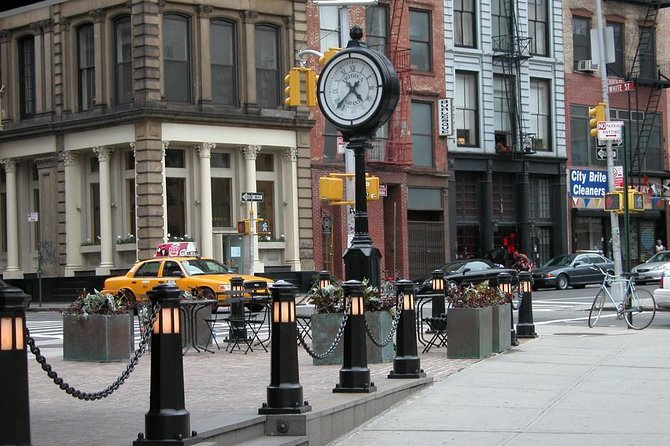
- Cast-iron building spotting with street-level architectural explanations
- Manhattan Recommendation Guides included, useful right after the tour
From the Tweed Courthouse to Tribeca Park, One Continuous Walk
The tour starts at the Tweed Courthouse, 52 Chambers St (near public transit), and it ends around 8 Beach St, finishing in Tribeca Park. That ending matters. Tribeca Park has a long story stretching back to the early days of New York City, so you’re not just strolling through new-money storefronts—you’re wrapping up where the neighborhood’s timeline still shows.
The start time is 11:00 am, and the walk lasts about 2 hours 30 minutes. With a mobile ticket, you’ll typically just show it on your phone and get moving with the group.
A quick practical note: because this is an outdoor tour, you’ll want to dress for the weather. When conditions are good, the pace feels comfortable and the stops stay interesting.
You can also read our reviews of more tours and experiences in New York City.



How Tribeca Went From Farmland to Celebrity-Grade Real Estate

Tribeca is often described like it’s always been upscale. The tour pushes back on that idea with a clear through-line: how the area transformed over centuries, not overnight.
You’ll hear how the neighborhood’s name became part of the story and how the physical layout and building choices reflect the big shifts Manhattan went through. The goal isn’t to memorize dates—it’s to learn what to notice as you walk: what kinds of buildings appear where, and why.
This is also where the tour earns its “history” label. Tribeca’s reputation as one of the wealthiest zip codes in the United States doesn’t come from thin air. You see the forces behind it in the architecture and street patterns: planning, investment, and the kind of reinvention that turns a fringe area into a destination.
Reading Tribeca’s Buildings: Cast Iron, Landmarks, and Real Street Clues
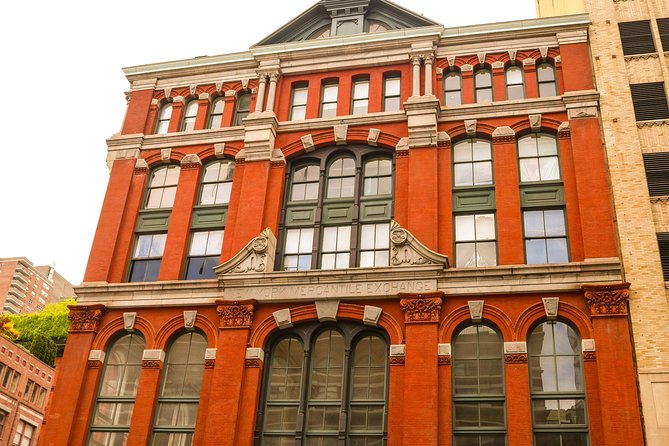
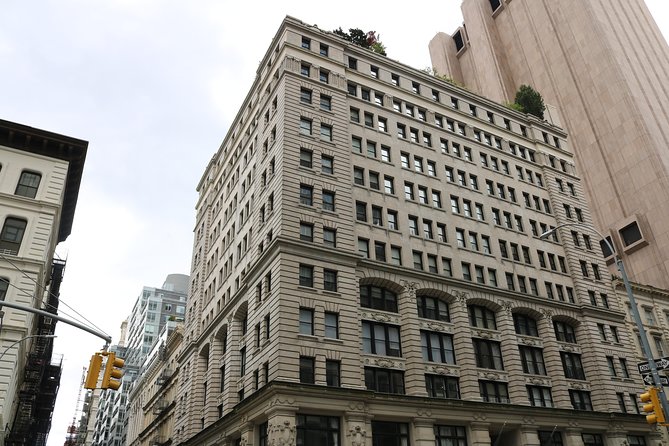
You don’t need an architecture degree to enjoy this walk. The strongest moments are when the guide points out details you’d otherwise walk right past: older building features, façade rhythm, and the look of classic materials in an ever-changing city.
Cast-iron buildings are a big theme here, and it makes sense. Tribeca has the kind of streetscape where those structures still give you visual “data.” Once you know what to look for, you start seeing why these buildings were prized—and why they still attract attention.
What I like about this tour’s approach is that it stays street-level. Instead of treating architecture like museum text, you’re connecting it to everyday New York: the block-by-block decisions people made, and how those choices aged into today’s character.
And because the neighborhood is compact, the architecture talk doesn’t drift away from the sidewalk. You keep moving, spotting, comparing, then hearing the story that explains the why.
Ghostbusters Firehouse Company 8: Photo Op With Actual Context
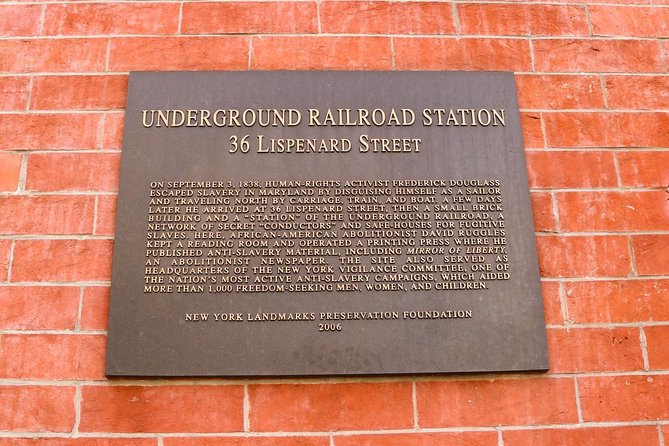
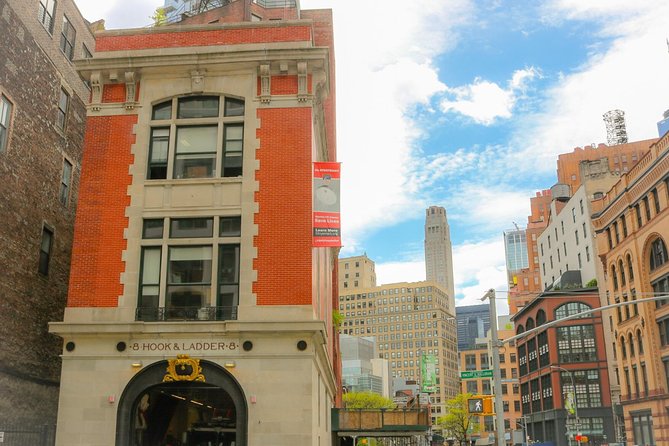
Yes, you’ll get your Ghostbusters moment. But this stop is better than a quick photo line.
Ghostbusters Firehouse Company 8 is iconic for pop-culture fans, yet the tour frames it as something more than a movie prop. You’ll learn why this firehouse matters to the neighborhood story and how the building fits into the larger Manhattan timeline the tour is tracing.
This is the kind of stop that works on two levels:
- If you’re a fan, you get the satisfaction of seeing the real place.
- If you’re not, you still walk away with a sense of how buildings earn attention in real civic life, then gain new meaning through culture.
It’s also one of those stops where the guide’s style really shows. The same building can feel like trivia or like context, depending on how it’s explained.
The Best Part: Stories That Stay Funny, Personal, and Well Timed
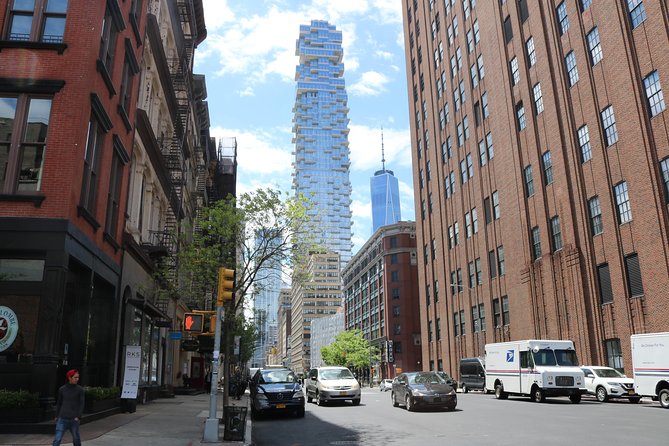
The tour succeeds because the guide keeps it engaging without turning it into a monotone lecture. Names that come up often are Megan and Meghan Sara, and the common thread is an animated, story-forward approach.
You’ll see a mix of history, architecture, and pop culture, and it lands better than you’d expect. Even folks who know New York well tend to enjoy how the guide spotlights small details and connects them to bigger changes. That balance also helps if you’re bringing a teen. A 14-year-old can handle this kind of pace when the guide keeps the stories moving.
Pacing is another underrated win. The walk includes time for photos and picture stops, and the guide typically builds in short pauses for breaks. On hot days, there’s even room for little refreshment moments like lemonade, which is the kind of practical kindness that makes a city walk feel easier.
The group size (up to 15) helps too. You can actually hear explanations without playing constant catch-up, and the guide can adjust when people’s interests shift toward certain buildings or time periods.





What You’ll Use Right Away: Food Ideas and Manhattan Recommendation Guides
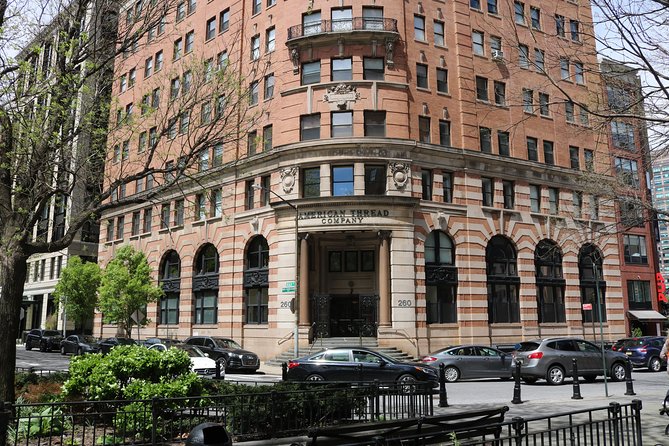
One thing that makes this tour more than a one-off experience is what’s included: Manhattan Recommendation Guides. That’s useful because Tribeca is full of good-looking spots that can still be tricky to choose when you’re tired after two-plus hours of walking.
If you want a simple plan, use the guide right after the tour:
- Find lunch or a snack option for the day you take the tour.
- Save dinner suggestions for later when you’ve built up the appetite.
There’s no food included on the tour itself, so plan around it. If you’re the kind of person who hates walking hungry, consider having a small meal before you start, then use the recommendation guides as your next move.
Who This Tour Fits Best (and When to Skip It)
This is a great match if you want a neighborhood walk with actual substance. It’s especially good for people who love:
- Architecture details you can spot on foot
- History told through buildings instead of a lecture hall
- Pop-culture nods that come with local meaning
It’s also good for locals who think they already know Tribeca. A well-paced street tour can reveal things you’d never notice if you were just passing through.
On the other hand, you might not love it if you want indoor-only sightseeing, or if outdoor walking in variable weather isn’t your thing. This experience requires good weather, so if conditions are lousy, expect that the schedule won’t be treated casually.
Also consider your personal interests. If you only care about one famous landmark and nothing else, you might feel this is more than you need. If you like getting the bigger picture while you walk, it’s a strong choice.
The $50 Question: Value for 15+ Stops and a Real Story Guide
At $50 per person for about 2½ hours, you’re paying for three things: guided storytelling, a tight walking route, and a focused neighborhood theme.
The value shows up in the structure:
- You get 15+ locations, not just a few postcard stops.
- You get an expert guide style that mixes architecture and history with pop culture.
- You get Manhattan Recommendation Guides so the tour pays off after you finish walking.
This is the kind of price point that’s easier to justify when you’re visiting for a short time or when you want to get oriented fast. Booking trends back this up too—this tour is commonly booked about 25 days in advance. If you’re traveling during busy periods, you’ll save yourself stress by reserving early.
The fair trade-off is that it’s not a slow, museum-style experience. It’s a city-walk pace. If you like moving and noticing, the cost feels reasonable. If you prefer long sits and deep museum time, you may prefer a different format.
My Booking Call: Should You Take the Tribeca Architecture and History Tour?
If you want Tribeca explained the way you’d explain it to a friend—through buildings, street clues, and a few fun surprises—this is an easy yes. I’d book it if:
- You want 300 years of change told through what you can see
- You like a guide who keeps things lively and well timed
- You enjoy a pop-culture stop that still connects to real local context
I’d think twice only if outdoor walking in weather swings is a dealbreaker for you, or if you’re the type who’d rather pick one landmark and spend the rest of the day wandering solo.
If you do book, arrive a bit early at the Tweed Courthouse, wear comfortable shoes, and come with a curious mindset. The tour works best when you treat it like a guided street-reading exercise, not a checklist.
FAQ
How long is the Tribeca Architecture and History Walking Tour?
It runs about 2 hours 30 minutes.
What does the tour cost?
The price is $50.00 per person.
Where does the tour start?
The meeting point is Tweed Courthouse, 52 Chambers St, New York, NY 10007.
Where does the tour end?
It ends around 8 Beach St, New York, NY 10013, in Tribeca Park.
Is a mobile ticket used?
Yes, this experience uses a mobile ticket.
What’s the famous stop on the tour?
One highlight is the Ghostbusters Firehouse Company 8, which includes time for photos.
How many people are in the group?
The tour has a maximum of 15 travelers.
Does the tour run in any weather?
It requires good weather. If it’s canceled due to poor weather, you’ll be offered a different date or a full refund.
Are service animals allowed?
Yes, service animals are allowed.
FAQ
Can I cancel for a full refund?
Yes. You can cancel up to 24 hours in advance for a full refund.
When do refunds stop being available?
If you cancel less than 24 hours before the experience’s start time, the amount you paid will not be refunded.
What if the tour is canceled because there aren’t enough travelers?
If it’s canceled because the minimum isn’t met, you’ll be offered a different date or experience, or a full refund.