REVIEW · NEW YORK CITY
TriBeCa Architecture & History Walking Tour
Book on GetYourGuide →Operated by Metro Tours USA · Bookable on GetYourGuide
TriBeCa looks polished, but the past is all over the sidewalks. This 2.5-hour walking tour connects big-name buildings with the neighborhood’s unlikely rise from farmland to a 19th-century industrial hub.
I especially love how the guide turns street-level sights into clear cause-and-effect: how buildings, land use, and even skylines helped shape how New York City feels today. I also like the extras built into the walk, including practical neighborhood picks like brunch spots, photo stops, and hidden speakeasies.
One thing to consider: it’s a foot-forward tour, so if you hate walking or you show up in poor shoes, the 2.5 hours can feel longer than it sounds.
In This Review
- Key highlights worth your attention
- TriBeCa From Farmland to Money: What the 2.5-Hour Walk Really Covers
- Starting at the South and Moving North: How the Route Makes History Stick
- A. T. Stewart to the Frederick Hotel: Architecture Stops That Explain New York’s Shape
- Warehouses to Residences: How TriBeCa’s Building Reuse Tells the Truth
- Ghostbusters Firehouse and the Staple Street Sky Bridge
- The Invisible History: TriBeCa and the Fight Against Slavery
- Why This Tour Works: The Guide Energy (Meggan and Meghan)
- Price and Value: Is $40 Reasonable for 2.5 Hours in NYC?
- Getting the Most Out of It: What to Bring and How to Plan Your Walk
- Food, Photos, and After-Tour Moves: The Bonus Recommendations
- Should You Book This TriBeCa Architecture & History Tour?
- FAQ
- How long is the TriBeCa Architecture & History Walking Tour?
- How much does the tour cost?
- Where do I meet the tour guide?
- Is the tour wheelchair accessible?
- Does the tour run in bad weather?
- What language is the tour guide?
- What should I bring?
- Is there a cancellation option for a full refund?
- What’s included besides the guided walking tour?
Key highlights worth your attention
- A smart northbound route that starts at the southern edge of TriBeCa and helps the history unfold as you walk
- First-in-New-York building stories tied to landmarks like the A. T. Stewart Building and the Frederick Hotel
- Fun pop-culture stops, including the Ghostbusters Firehouse story line
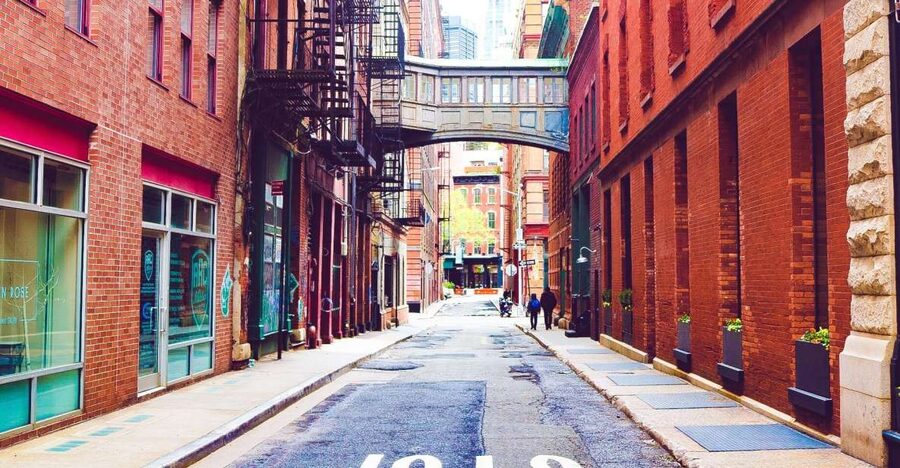
- Staple Street sky bridge, one of those TriBeCa features you can walk past without realizing what it is
- The neighborhood’s role in the fight against slavery, tying architecture to 19th-century human history
- Value add after the tour, with local-style recommendations for brunch, speakeasies, and photos
TriBeCa From Farmland to Money: What the 2.5-Hour Walk Really Covers
TriBeCa’s reputation is modern. The reality is older and weirder—in the best way. This tour is built around a long arc: a place that started as countryside, then shifted into a 19th-century industrial center, and eventually became associated with wealth.
What makes it work is the way the guide connects what you see to what changed. You’re not just looking at pretty facades. You’re learning why certain buildings exist, what jobs they once served, and why the neighborhood’s identity formed in layers.
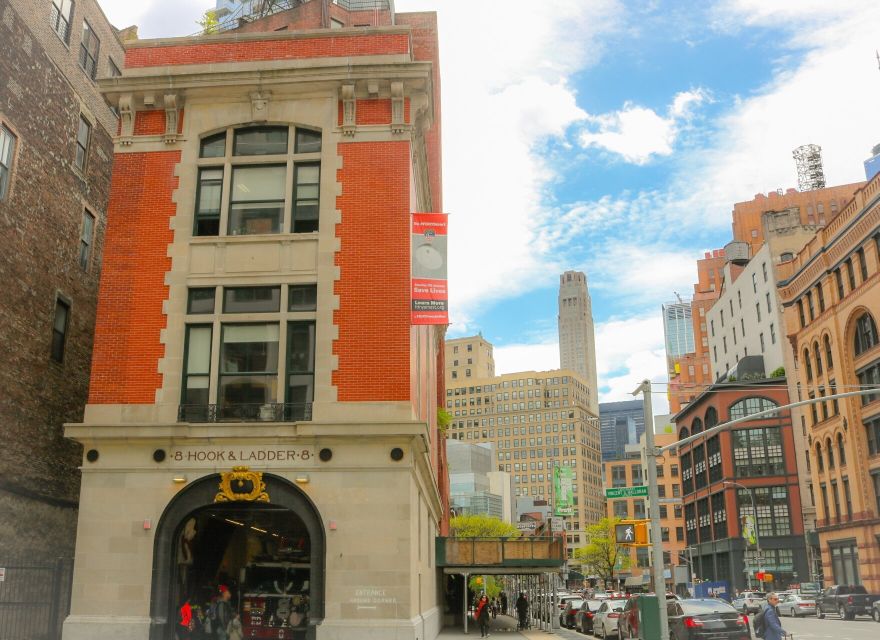
And yes, you’ll get the famous name-check moments too. The Ghostbusters Firehouse is part of the story, but it’s treated like a clue—something to point you toward the broader neighborhood character.
You can also read our reviews of more tours and experiences in New York City.



Starting at the South and Moving North: How the Route Makes History Stick
The walk is designed to feel logical, not random. You start at the southernmost point of TriBeCa and move north. That matters, because TriBeCa didn’t “become TriBeCa” all at once. It evolved, block by block, using whatever the city allowed at the time.
As you head north, you’ll be nudged to notice patterns:
- How older structures sit next to newer ones
- How building use changes over time, not just the architecture
- How the streets “hold” memory even when storefronts and signage change
At this stage, the guide’s job isn’t to lecture. It’s to give you story hooks so the buildings don’t blur together. If you’ve ever walked NYC and thought, I’m seeing buildings but not learning anything—this format is made to fix that.
A. T. Stewart to the Frederick Hotel: Architecture Stops That Explain New York’s Shape
This tour doesn’t treat buildings like museum pieces behind glass. It frames them as tools that helped run the city—then shows what’s left behind.
Two stops anchor the early “New York firsts” theme:
- A. T. Stewart Building: the guide uses it as a starting point for the idea that TriBeCa-era development helped define commercial life in the city.
- Frederick Hotel: another landmark used to explain how built environments supported new patterns of city life.
You also get a broader mix of historic architecture and modern development. That blend is important. TriBeCa is a neighborhood where you can feel the timeline in one walk: old structures repurposed, new buildings added, and street corners where the past still has influence.
The practical win for you: once you learn how to read those clues, you’ll start noticing similar stories elsewhere in Manhattan—without needing another paid ticket.
Warehouses to Residences: How TriBeCa’s Building Reuse Tells the Truth
One of the most interesting parts is the shift from industrial function to modern living. The tour talks about historic buildings that transformed from dry goods warehouses to luxury residences.
Even if you’re not a “real estate nerd,” you’ll understand what that shift means once your guide explains it. Repurposing warehouses isn’t just a design choice. It’s an economic and social change. It signals when an area became valuable for living and status, not just work.
As you walk, pay attention to how reuse shows up:
- Structure that still looks “built for business,” not domestic life
- Design changes that make older massing fit contemporary tastes
- Neighborhood identity changing without fully erasing the original bones
This is the part of the tour where the neighborhood’s personality becomes clear. TriBeCa doesn’t feel like a single era. It feels like a conversation across time.
Ghostbusters Firehouse and the Staple Street Sky Bridge
Not every NYC history tour needs pop culture, but TriBeCa is one of the places where pop culture can work as a map.
The tour includes stories tied to the Ghostbusters Firehouse. Instead of just pointing and moving on, the guide uses it as a way to connect attention-grabbing landmarks to the surrounding architectural and historical setting. It’s a fun entry point that also keeps you grounded in place.
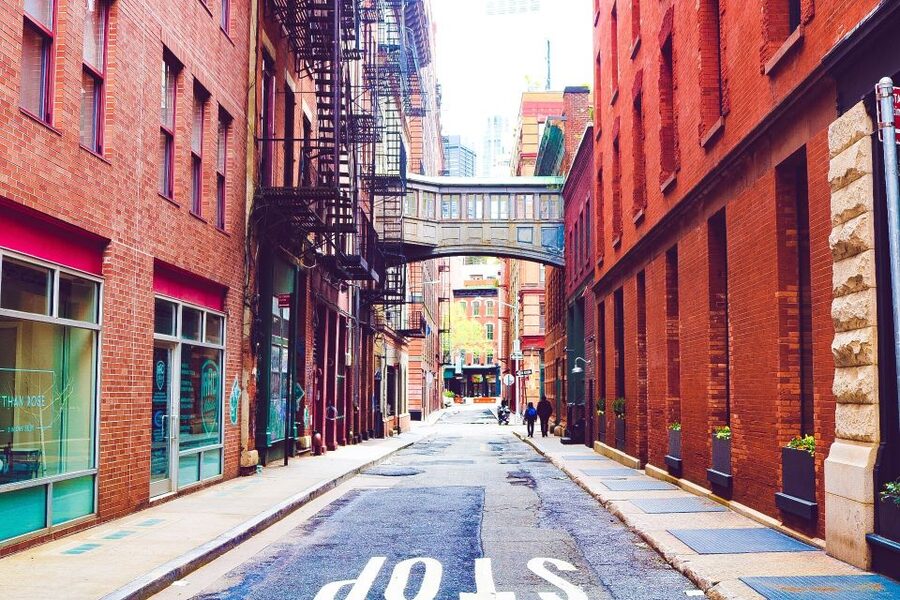
Then you get one of the harder-to-find TriBeCa features: the Staple Street sky bridge. This is the kind of spot that can slip past you if you’re walking independently. On a guided route, you’re more likely to understand what you’re looking at and why it’s unusual.
For your photos, this stop is especially useful. You’ll likely feel more “in the know” walking afterward, because you now have a mental reference point for the neighborhood’s quirks.





The Invisible History: TriBeCa and the Fight Against Slavery
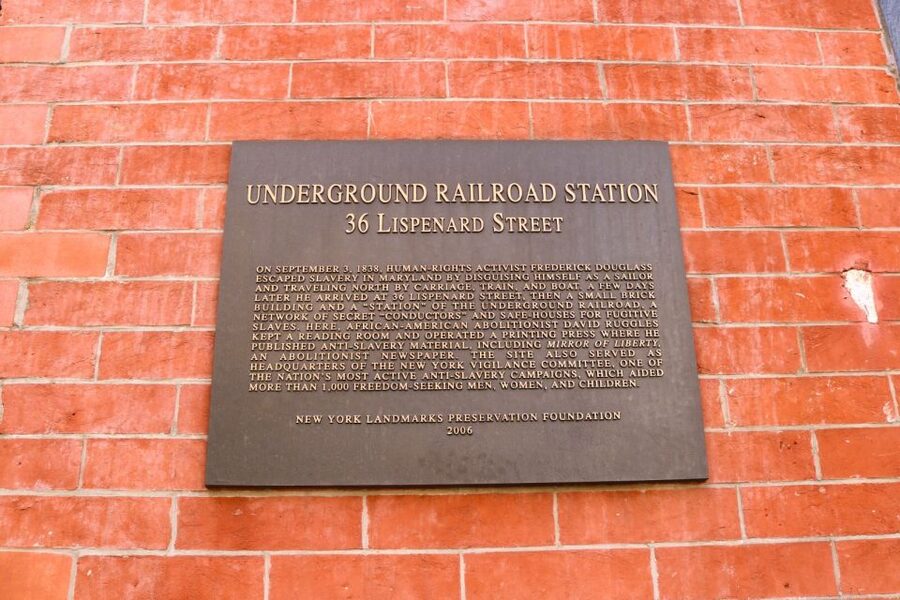
Not all the tour is about buildings and filming locations. You’ll also learn about TriBeCa’s role in the fight against slavery in the 19th century.
That’s a powerful pivot, and it changes the way you interpret the neighborhood. When you connect architecture to the people and conflicts that shaped the city, the past stops feeling like décor. It becomes consequence.
I like tours that don’t treat history as a list of dates. This one uses the neighborhood setting to show how broader moral and political struggles played out in real places.
Why This Tour Works: The Guide Energy (Meggan and Meghan)
A big chunk of the tour’s strength is guide performance. The reviews highlight that guides named Meggan and Meghan bring a lot of energy, with a strong ability to explain architectural styles and street-level details in an engaging way.
What matters for you isn’t just personality. It’s clarity. People specifically call out that the guide was funny, patient, and willing to answer questions. That’s a good sign for anyone who worries they’ll feel lost if they don’t already know NYC architecture.
It also sounds like the tour balances structure with small detours. Even short breaks are mentioned as a nice touch. In other words, this isn’t nonstop hustle; it’s a walk that respects attention spans.
Price and Value: Is $40 Reasonable for 2.5 Hours in NYC?
At $40 per person for about 2.5 hours, this is priced like a focused neighborhood experience—not a mass-market bus thing, and not a “you’ll stand in one spot and listen” lecture.
Here’s why I think the value holds:
- You’re paying for a guided route that connects multiple landmarks, not just one famous photo stop
- You get practical neighborhood recommendations included with the tour (brunch, speakeasies, photo spots)
- You’re paying for interpretation—how the past explains the present, especially with the warehouse-to-residence shift and slavery-related context
If you’re in NYC for a short trip and you want your walking time to actually teach you something, this kind of guided neighborhood arc can be a smart use of your hours.
If you already know TriBeCa well and only want the “biggest views,” you might decide you’d rather spend your money elsewhere. But for most people, the mix of architecture, storytelling, and specific TriBeCa features like the Staple Street sky bridge is exactly what you’re paying for.
Getting the Most Out of It: What to Bring and How to Plan Your Walk
This tour is rain or shine, so plan like a New Yorker: assume weather changes and don’t fight it.
Bring:
- Comfortable shoes (seriously—your feet will do the rest of the work)
- Weather-appropriate clothing (think sunscreen on bright days, and a layer for cooler weather)
If weather gets too inclement, you’ll be notified by email, phone, or text with an option to rebook or receive a full refund. So you’re not left guessing in the middle of your day.
Meeting point is simple: look for the black Metro Tours umbrella. If you’re using transit, your closest options are:
- 4/5/6/J/Z to Brooklyn Bridge–City Hall
- R/W to City Hall
- 2/3 to Park Place
One extra tip: if you like photos, wear clothes that let you move easily. A lot of the best shots in TriBeCa are angle-and-distance shots, not just front-facing “stand here” selfies.
Food, Photos, and After-Tour Moves: The Bonus Recommendations
You don’t just get “see you later.” The tour includes neighborhood recommendations, including:
- Best places to get brunch that won’t break the bank
- Great spots for photos while you’re in town
- Hidden speakeasies in Manhattan
This matters because TriBeCa can be a little tricky for first-timers. The area has plenty of options, but not all of them are worth your time or money.
If you use the tour guide’s suggestions, you’ll likely leave with a clearer plan for the rest of your day. That’s a real value add, especially when you’re trying to avoid the NYC trap of walking into places that look good from the sidewalk but don’t match what you want.
Should You Book This TriBeCa Architecture & History Tour?
Book it if you want a walking tour that connects the dots—architecture, neighborhood change, and real human history—without requiring you to already know anything about NYC styles.
I’d especially recommend it if:
- You like history that explains why places look the way they do
- You want a route that helps you remember what you saw (south-to-north structure helps)
- You want TriBeCa specifics like the Ghostbusters Firehouse story and the Staple Street sky bridge
- You appreciate guides who answer questions and keep the energy up
Skip it if you mainly want a quick “see the highlights” pass with minimal walking, or if you already know TriBeCa well and don’t feel you’d benefit from the warehouse-to-residence transformation and 19th-century context.
Overall, this is a strong use of a morning block in Manhattan. You’ll leave with a better sense of what TriBeCa is—and why.
FAQ
How long is the TriBeCa Architecture & History Walking Tour?
The tour lasts 2.5 hours.
How much does the tour cost?
It costs $40 per person.
Where do I meet the tour guide?
Meet at the black Metro Tours umbrella. The nearest subway options include 4/5/6/J/Z to Brooklyn Bridge–City Hall, R/W to City Hall, or 2/3 to Park Place.
Is the tour wheelchair accessible?
Yes, the tour is wheelchair accessible.
Does the tour run in bad weather?
Tours run rain or shine. If conditions become too inclement, you’ll be notified by email, phone, or text with an option to rebook or receive a full refund.
What language is the tour guide?
The tour guide provides the tour in English.
What should I bring?
Bring comfortable shoes and weather-appropriate clothing.
Is there a cancellation option for a full refund?
Yes. You can cancel up to 24 hours in advance for a full refund.
What’s included besides the guided walking tour?
The tour includes neighborhood recommendations, including brunch suggestions that won’t break the bank, hidden speakeasies in Manhattan, and great spots for photos.