REVIEW · NEW YORK CITY
New York Upper East Side Art and Architecture Tour
Book on Viator →Bookable on Viator
Upper East Side streets feel like they’re in on the secret. This guided walk helps you read the neighborhood like a design chart—grand facades, museum architecture, and the kinds of buildings people actually live with every day, all with personal headsets so street noise doesn’t drown out the story. The route is built for architecture and design lovers who want context fast, without losing half a day to getting oriented.
I love how the tour keeps things focused and readable: you get pro commentary through individual listening gear, not the usual group-miss-the-point shuffle. I also like the short, high-impact stops—the Guggenheim, views of the Met from Fifth Avenue, and a focused moment at the Frick Collection—so you leave with a clearer picture of how different architectural styles shaped this part of Manhattan.
One thing to consider: it’s only about 2 hours, so it’s not a full museum day. If you’re hoping for deep, slow time inside big galleries, you’ll want to pair this with a longer standalone visit.
In This Review
- Key things I’d bookmark before you go
- Why the Upper East Side feels different with a guide
- Price and value: $49 for a focused design lesson
- How the tour runs: meeting point, pacing, and the short-route format
- Stop at the Guggenheim Museum: architecture lessons before you even go inside
- The Met on Fifth Avenue: reading the museum as a street neighbor
- Frick Collection: why the building and institution feel so intentional
- The headsets make a difference more than you’d expect
- What you learn beyond the big name buildings
- Best time to book and weather reality check
- Who this tour fits best (and who might want a different plan)
- Quick practical notes before you go
- Should you book this Upper East Side Art and Architecture Tour?
- FAQ
- How long is the tour?
- What is the price per person?
- What is the meeting point and start time?
- Where does the tour end?
- Is the group size small?
- Are admission tickets included?
- What’s included in the tour price?
- Does the tour require good weather?
Key things I’d bookmark before you go
- Small group of up to 15 people means questions land and the guide can actually adjust to your interests
- Headsets for each person make the explanations easy to follow even on noisy sidewalks
- Short museum time with admission included helps you see the architectural “why,” not just the “what”
- Upper East Side in architectural layers: grand residences and major institutions side-by-side, with history connected block to block
- Guides work in English, Spanish, and Italian, so you can pick the language that feels most comfortable
Why the Upper East Side feels different with a guide
The Upper East Side can trick you. From the sidewalk, it looks like a string of impressive addresses—but without context, you’ll mostly clock the surface. With a guide, you start noticing the choices: proportions, materials, and how the buildings relate to the street and each other.
This tour is especially good when you like architecture but don’t want to spend hours researching beforehand. You get just enough time at the major landmarks to understand the design idea behind them, and then you move on before your attention fades.
It also helps that the pace is built around listening. Street-level New York is loud, and asking someone to repeat themselves every two minutes is a great way to lose the plot. The headsets solve that, so you can hear the guide clearly without turning your head every second.
You can also read our reviews of more tours and experiences in New York City.



Price and value: $49 for a focused design lesson
$49 for a 2-hour guided walk in one of Manhattan’s most design-heavy neighborhoods is, in my opinion, a fair trade—especially because you’re not just paying for walking. You’re paying for:
- A knowledgeable in-person guide with multiple language options
- Individual headsets for everyone
- All fees and taxes included
- Free admission tickets tied to the key stops
The “value” part is the time efficiency. You get to hit major architectural targets—Guggenheim Museum, the Met, and the Frick Collection—without the usual scramble of trying to plan what matters most or trying to explain it to yourself while you’re already looking at a building that’s bigger than your expectations.
And because the group is capped at 15, the guide can keep the explanations from turning into a lecture you can’t hear.
How the tour runs: meeting point, pacing, and the short-route format
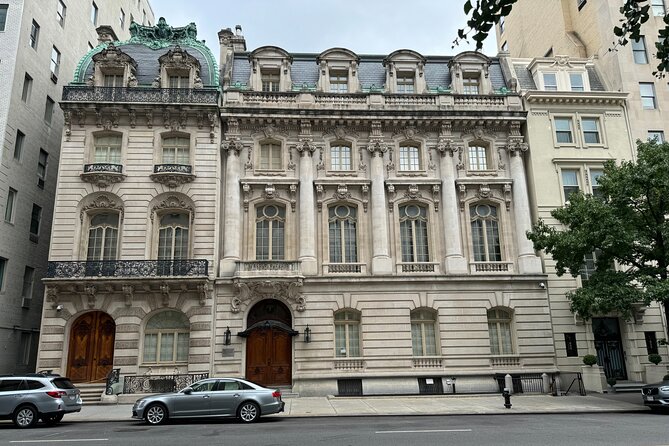
You start at Plaza 768 5th Ave, New York, NY 10019, with a 3:00 pm start time. The walk is timed to fit real schedules, and you’ll finish at the Solomon R. Guggenheim Museum area.
The overall duration is about 2 hours, including travel time. That matters because on Fifth Avenue you can lose time fast to slow crossings, photo stops, and the simple fact that everyone moves at a slightly different speed when there’s something pretty to see.
Also note the structure: the stops are brief—think tens of minutes, not a full half-day. You’re there to learn the architectural logic and the building’s role in the neighborhood, not to do a complete museum circuit.
A practical tip: bring a small water bottle if you tend to get thirsty on walks. With the headsets, you’ll be looking up and scanning facades more than usual, and that turns the minutes into a steady stream.
Stop at the Guggenheim Museum: architecture lessons before you even go inside
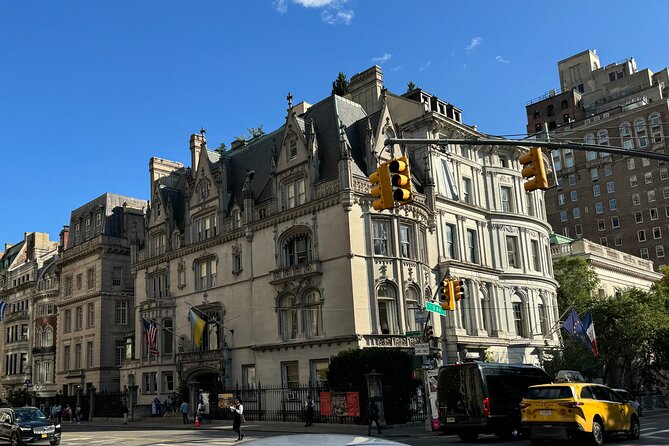
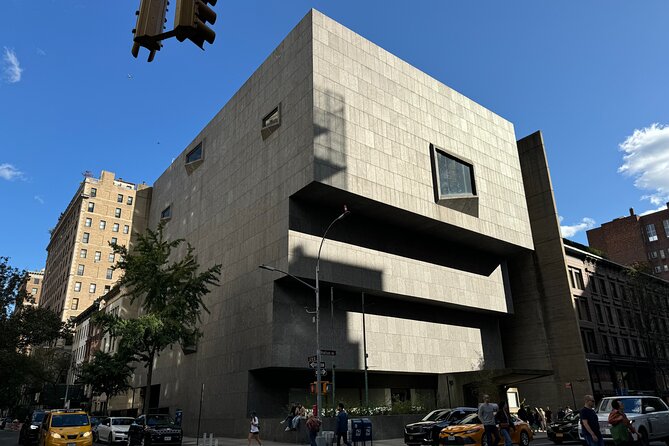
The tour centers on Solomon R. Guggenheim Museum, where you get a short stop designed to kick your eyes into the right mode. Even if you’re not spending long inside, the Guggenheim works as a perfect teaching subject: the building’s form tells you how the museum wants people to move and look.
You’ll spend around 10 minutes here, with free admission ticket included. In a stop this short, plan to focus on a few big observations rather than trying to take in everything. The goal is to understand why the structure feels so distinct, and how that distinctness affects the whole experience.
If you’re the type who likes architecture theory mixed with real-world use, this first anchor helps. You start recognizing design decisions in the next stops, instead of treating each building as a separate photo opportunity.
The Met on Fifth Avenue: reading the museum as a street neighbor
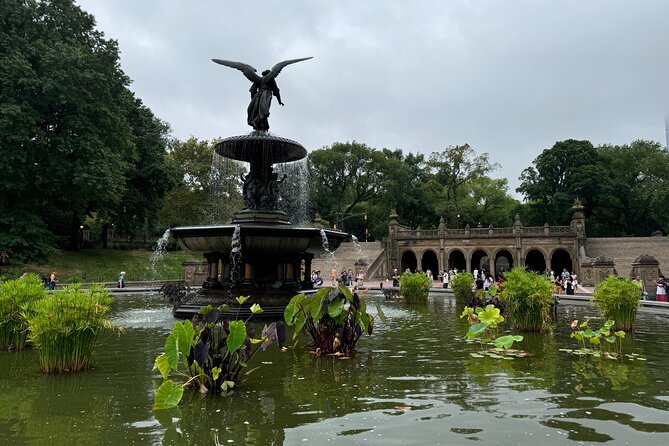
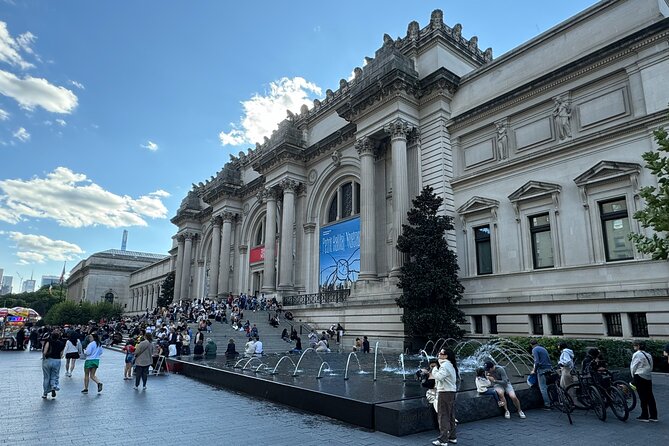
Next up is The Metropolitan Museum of Art, viewed from 5th Avenue. You get about 15 minutes here, again with free admission ticket included.
This stop is smart because it changes the question from what’s inside to what’s happening outside. Looking at the Met from the street gives you a sense of scale and presence—the museum isn’t just a building; it’s a landmark that shapes how the block feels.
You’ll also talk through the architecture from the outside perspective, which is a useful skill in New York. The city loves to throw grand institutions at you from a distance. This tour trains you to see the design thinking even before you step in.
One consideration: because the time is short, you’ll likely move through the museum experience at an overview pace. If you want to spend hours deep in specific collections, use this stop for the building conversation, then plan a separate Met visit later when you can slow down.





Frick Collection: why the building and institution feel so intentional

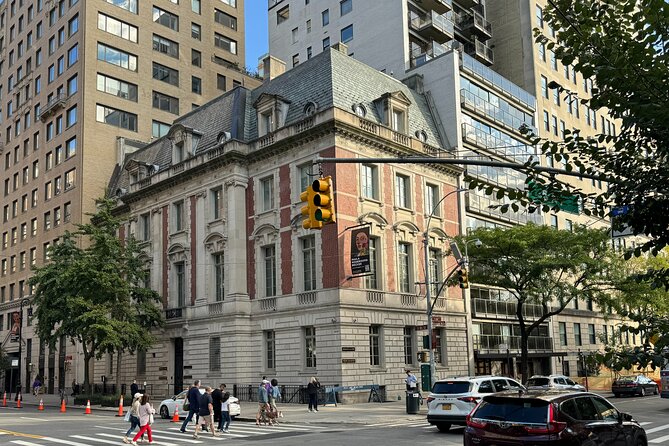
Then you head to the Frick Collection, where the focus stays on the relationship between the collection’s home and the building that houses it.
You’ll spend about 10 minutes here, with free admission ticket included. The Frick works well in a short format because the building creates its own atmosphere. Even during a quick stop, you can feel that the design isn’t trying to be everything at once—it’s trying to be right.
This is a good moment for anyone who likes the idea of institutional buildings as crafted spaces, not just containers for art. The tour’s framing helps you notice how the architectural choices support the kind of museum experience the place aims to deliver.
Practical advice: if you’re visiting later for longer, keep a short list of the elements you noticed today. It makes your follow-up visit feel like a continuation, not a reset.
The headsets make a difference more than you’d expect
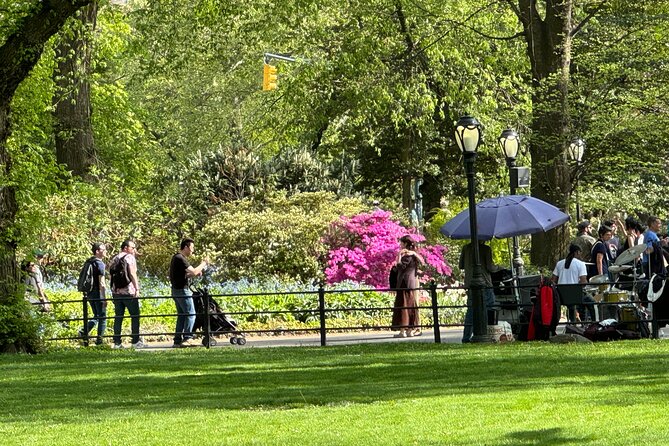
I’ve done walking tours where you spend the whole time playing telephone with the guide. This one avoids that problem with professional individual headsets for each guest.
What that means on a sidewalk:
- You can keep your eyes up and still follow the story
- You can ask a question without stopping the whole group rhythm
- You don’t have to fight the wind or a traffic roar for every key sentence
If you’ve ever wanted to hear architecture talk without needing to be standing directly in front of the guide, this is the fix.
What you learn beyond the big name buildings
The Upper East Side has plenty of famous addresses, but the best part of this kind of architecture tour is the in-between. In the feedback I read, guides like Ivan (the founder) are praised for covering not just the iconic landmarks, but also the lesser-known buildings and the way different eras left their mark.
That can include things like how the neighborhood developed through industrial-era and Gilded Age layers, plus how residential and commercial energy has lived side by side here. Even if you don’t know the details ahead of time, you start to connect the dots as you walk.
In my view, that’s what makes a short tour feel bigger than its 2-hour clock. You don’t just leave with photos—you leave with a mental map of why these buildings look the way they do, and why they matter to the street around them.
Best time to book and weather reality check
This experience works best when the weather is good. It explicitly requires good weather, and if it’s canceled for poor conditions you’ll be offered a different date or a full refund.
A small booking insight: the tour is commonly booked around 223 days in advance. If you want a specific date, that’s your sign to plan early rather than waiting for a last-minute window.
Who this tour fits best (and who might want a different plan)
This is a strong match for you if:
- You enjoy architecture and design, not just sightseeing
- You want a guided structure that saves you from planning overload
- You prefer small-group conversation rather than a big bus herd
- You’d like museum admission included but don’t want a full-day time commitment
It might be less ideal if:
- You want a slow, deep museum immersion
- You plan to spend most of your day inside multiple galleries (this tour is about the building story, not an all-day museum marathon)
Quick practical notes before you go
- Bring comfy shoes. You’re walking enough that your feet will have opinions.
- Expect a guided focus on major landmarks and design explanations, not a long free-exploration period.
- If you have a service animal, it’s allowed.
- The tour is near public transportation, which is helpful if you’re combining it with other stops in Manhattan.
- You’ll use a mobile ticket, so keep your phone charged.
Should you book this Upper East Side Art and Architecture Tour?
Yes, if you want a smart, time-efficient way to understand the neighborhood’s architecture. For $49, the combination of small-group size, headsets, and admission-linked visits to major landmarks is exactly the kind of value that works for a first trip, a second look, or a tight schedule.
Book it if your main goal is to leave with a clearer sense of what you’re looking at and why it was built that way. If your goal is to spend hours in museums, treat this as your orientation and add a separate longer museum day afterward.
If you want one clean decision rule: pick this tour when you need context fast—and pick longer museum time when you want slow.
FAQ
How long is the tour?
The tour lasts approximately 2 hours, and travel time is included in that duration.
What is the price per person?
The price is $49.00 per person.
What is the meeting point and start time?
The meeting point is Plaza 768 5th Ave, New York, NY 10019, and the start time is 3:00 pm.
Where does the tour end?
The tour ends at Solomon R. Guggenheim Museum, 1071 5th Ave, New York, NY 10128.
Is the group size small?
Yes. This tour has a maximum of 15 travelers.
Are admission tickets included?
The itinerary lists free admission tickets for the Guggenheim Museum, The Metropolitan Museum of Art, and the Frick Collection.
What’s included in the tour price?
Included are all fees and taxes, an in-person guide (English, Spanish, Italian), and professional individual headsets for each guest.
Does the tour require good weather?
Yes. The experience requires good weather, and if it’s canceled due to poor weather, you’ll be offered a different date or a full refund.