REVIEW · BARCELONA
Barcelona Architecture Walking Tour With Casa Batlló Upgrade
Book on GetYourGuide →Operated by ExperienceFirst · Bookable on GetYourGuide
Gaudí makes more sense on foot. This architecture walk turns big, famous names into something you can actually picture: the symbolism at the Sagrada Família, and the design choices behind the buildings lining Passeig de Gràcia. I like that the pace is built for learning while still seeing real street-level details, not just quick photo stops.
The second big win is the option to upgrade for an architect guide and include Casa Batlló admission, which can meaningfully change what you notice in the façade and interiors. The main drawback is simple: this is a rain-or-shine walk with about 2 hours of walking, so comfy shoes matter more than you’d think.
In This Review
- Key Things I’d Pay Attention To
- Walking the Modernism Trail: Sant Pau Recinte Modernista to Sagrada Família
- Sagrada Família Facades and Symbol Safari
- Passeig de Gràcia: How the Best Modernist Buildings Feel in Real Life
- Casa Amatller and the Chocolate Break You’ll Actually Remember
- Casa Lleó i Morera: A Perfect Ending for Modernisme Detail Lovers
- The Casa Batlló Upgrade: When Admission Changes What You Notice
- Price and Time: What $34 Really Buys You
- Guide Quality Makes the Difference
- What to Bring (So You Don’t Hate the Day)
- Who This Tour Suits Best
- Should You Book This Barcelona Architecture Walking Tour?
- FAQ
- How long is the Barcelona Architecture Walking Tour with the Casa Batlló upgrade?
- Where does the tour start and end?
- Is the tour rain or shine?
- What language is the live guide?
- What’s included in the price?
- Is Casa Batlló entry included?
Key Things I’d Pay Attention To
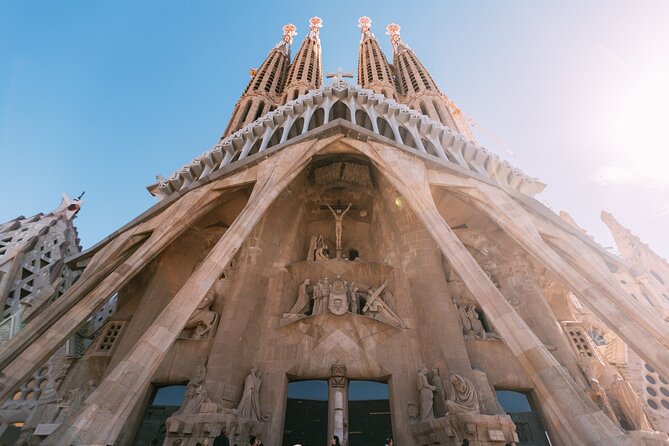
- Symbol spotting at Sagrada Família: you’ll learn what’s carved into the two main façades and how to read it from different angles.
- Modernisme storytelling on Passeig de Gràcia: the guide helps you link buildings to their designers and stylistic ideas.
- Sant Pau as a real design lesson: it’s not just pretty—27 buildings make it a standout case for Catalan Modernism.
- Casa Amatller + a chocolate sample: a short, fun break that connects the building to the area’s historic trades.
- Casa Lleó i Morera as a strong finish: stained glass, mosaics, sculptures, and woodwork for a satisfying end point.
- Optional Casa Batlló admission: if you upgrade, you’ll be using the time more efficiently once you step inside.
Walking the Modernism Trail: Sant Pau Recinte Modernista to Sagrada Família
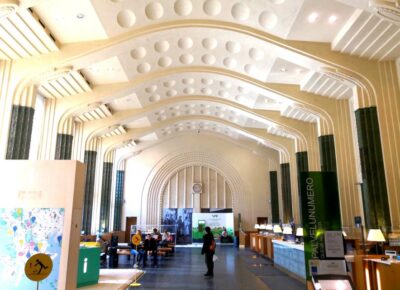
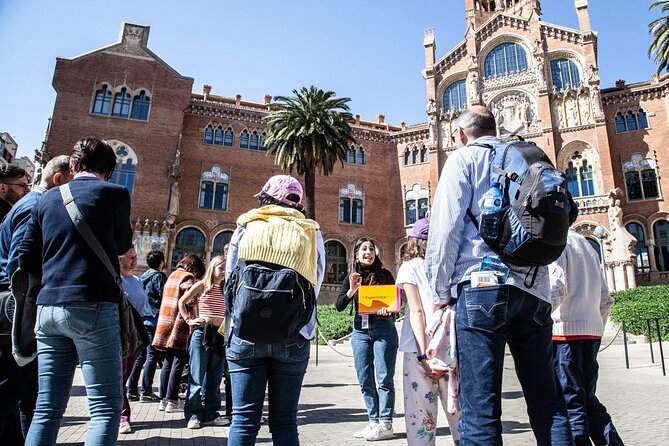
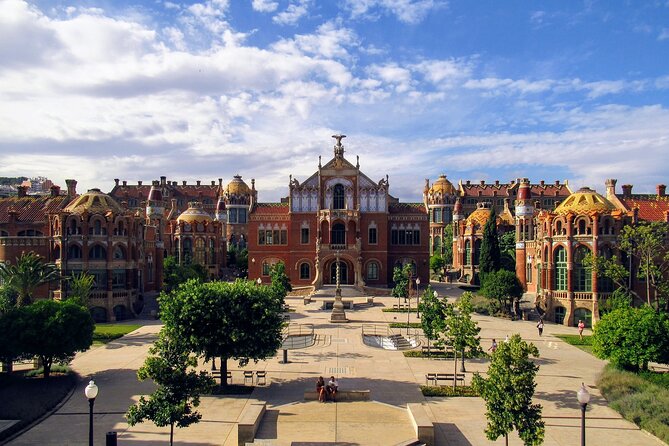
This tour starts at the Sant Pau Recinte Modernista, a former hospital complex designed by Lluís Domènech i Montaner—one of the big fathers of Catalan Modernism. It’s a smart choice to begin here because it sets a baseline for what you’re seeing later: architecture in Barcelona wasn’t only about show. It was about function, identity, and craft.
You’ll see how the complex works at human scale, even though it contains 27 buildings. The guide’s job is to help you connect the dots so it doesn’t feel like an overwhelming pile of façades. And yes, you’ll still get the wow factor—tiled details and bold design flourishes make it hard not to stop and look closer.
Then the walk continues along the route toward the Sagrada Família, including a scenic stretch on Avinguda Gaudí. This is where the tour stops being “buildings as landmarks” and starts becoming “buildings as messages.” When you’re walking, you can test what you’ve learned by turning corners and watching how façades reveal different features.
You can also read our reviews of more tours and experiences in Barcelona.
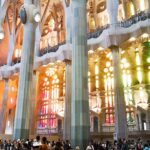


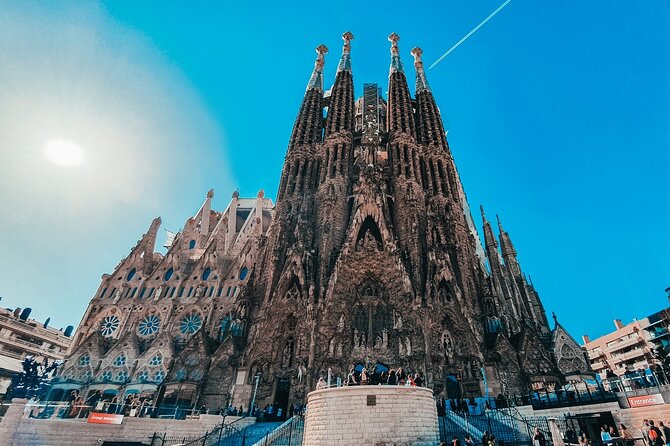
Sagrada Família Facades and Symbol Safari
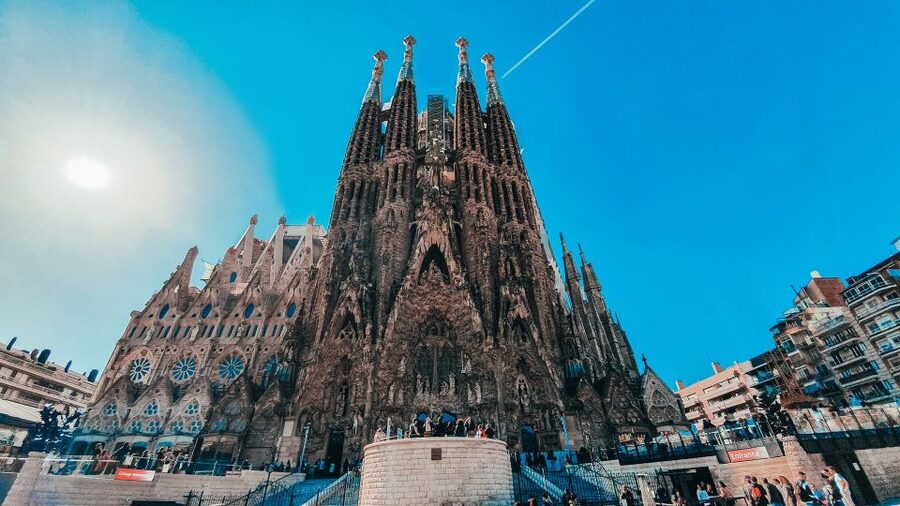
The Sagrada Família is the obvious headline, but what makes this tour worth it is how the guide explains the symbols embedded into the façades. It’s easy to stand in front of the church and appreciate the scale without understanding what you’re actually looking at. With a guide, you get a mental map—so the carvings stop being decoration and start being language.
You’ll get views from more than one angle, which helps because the façade details are meant to be read from specific viewpoints. In practical terms, that means less time guessing and more time noticing. You’ll also understand how the building functions as both worship space and artistic project—one that evolved over decades and still feels unfinished in the best, most human way.
One extra reason I like this approach: when you learn the design logic, you’re less likely to miss the small stuff. And the guide-led pacing keeps it from turning into an overwhelming sprint through the crowd.
Passeig de Gràcia: How the Best Modernist Buildings Feel in Real Life
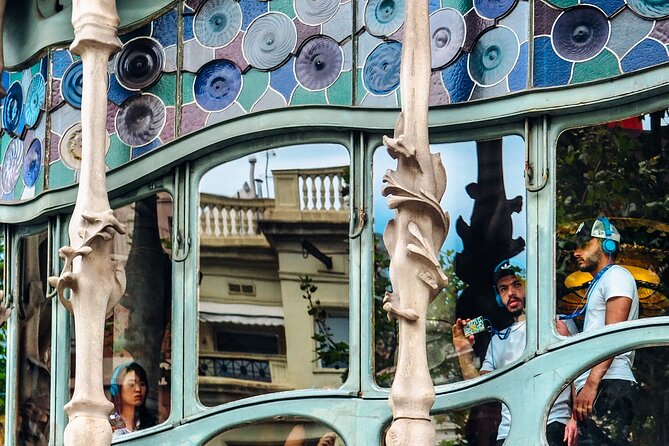
After Sagrada Família, you head to Passeig de Gràcia, Barcelona’s most famous Modernisme corridor. This is where the city’s architects compete with each other—each building trying to make an argument through stonework, curves, and ornament. Walking here with guidance matters because the street is visually busy. Without context, you tend to spot only the most obvious façades.
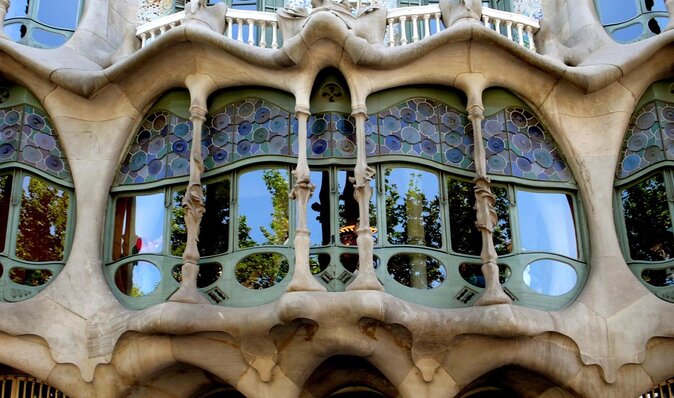
The tour focuses on standout works along the avenue, including Casa Milà (La Pedrera) and Casa Batlló, with additional attention to related modernist designs. You’ll also learn how the architects connected to this area shaped the look of Catalonia’s Modernisme. That’s the point: it’s not only about what Gaudí did, but what other designers contributed and how their ideas compare.
A nice touch is that the guide helps you find better times and spots for photos—especially helpful if you’re trying to avoid harsh light. I’ve found that advice makes a big difference here because the façades look different depending on sun angle and distance.
And for comfort: the tour keeps breaks realistic. One of the guides has a habit of finding shaded spots at intervals, which is more valuable than it sounds when the sun is relentless.
Casa Amatller and the Chocolate Break You’ll Actually Remember
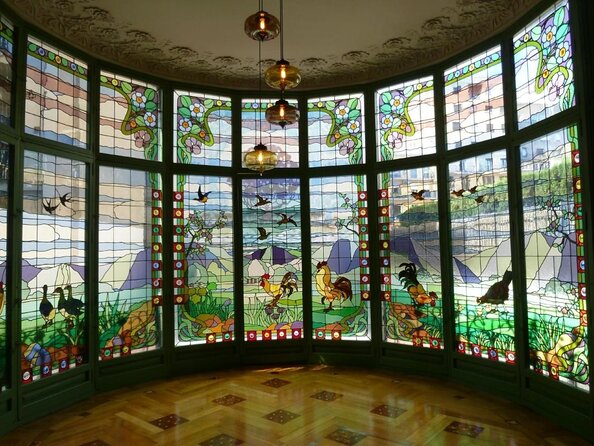
The stop at Casa Amatller turns a design-focused walk into something more human. You’ll learn about the Barcelona chocolate-making tradition that began in 1797, and the building’s connection to that story makes the architecture feel rooted in everyday life.
You also get a chocolate sample (included). This isn’t a full shopping spree built into the ticket—you can taste, then decide if you want more at the shop (not included). I like that structure because it respects your budget while still giving you a “yes, that was part of the experience” moment.
This is also a good mental reset. After you’ve spent time reading symbols and scanning façades, a short, sweet break keeps the tour from feeling like nonstop visual homework.
Casa Lleó i Morera: A Perfect Ending for Modernisme Detail Lovers
The tour finishes at Casa Lleó i Morera, another masterpiece designed by Domènech i Montaner. This building works well as a closing act because it’s detailed in a way you can feel even without special tools. You’ll focus on elements like stained glass, mosaics, sculptures, and woodwork, which are the kinds of features people often miss when they rush to catch the next photo.
Casa Lleó i Morera also helps you understand how Modernisme wasn’t just about façades. It’s craftsmanship carried through the whole experience of a building—materials, ornament, and artistic thinking integrated into spaces people used.
You’ll finish near Pg. de Gràcia, 35, which is convenient for continuing your day on foot through more of the avenue’s architecture.


The Casa Batlló Upgrade: When Admission Changes What You Notice
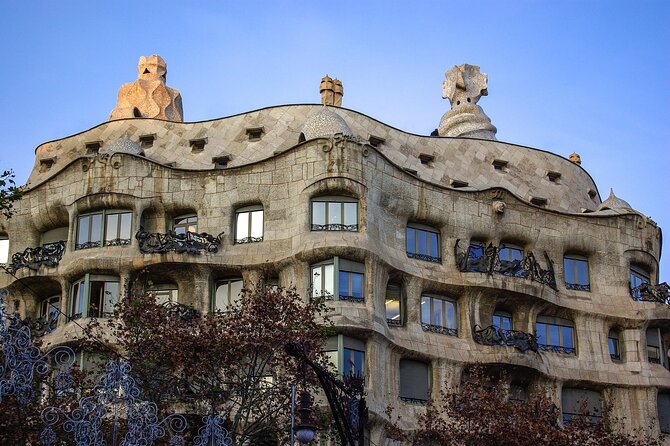
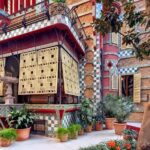
The headline upgrade is Casa Batlló admission, plus an option for an expert architect guide. If you upgrade, you’re not just buying entry—you’re buying attention.
Casa Batlló is famous from the outside, but the interior experience can be the part that makes the design logic click. With the architect guide element, you’re better set up to understand why the building looks the way it looks—how materials and forms serve a purpose beyond “because it’s Gaudí.”
This is also where the value comparison gets interesting. The base price is already budget-friendly for a guided architecture walk. The upgrade is worth considering if you know you’ll want more structure and more interpretation—especially if you’re the type who enjoys learning how design choices connect to meaning.
In a city where many people pay for one big ticket and skip the rest, this combo is a strong way to turn the afternoon into one coherent design story.
Price and Time: What $34 Really Buys You
At $34 per person for a 2–3 hour walking experience, this tour sits in the sweet spot between “cheap enough to try” and “good enough to feel substantial.” The biggest factor isn’t just the guide—it’s the selection of sites and the order.
You start with Sant Pau to frame Catalan Modernism. You move to Sagrada Família to add symbolism and iconic design language. Then Passeig de Gràcia brings you a concentrated dose of Modernisme façades. Finally, you end with Casa Lleó i Morera for a detailed finish. That sequence reduces decision fatigue, and it helps the architecture feel like a story rather than a checklist.
One practical note: there’s no entry included for the buildings you’ll see unless you take the optional Casa Batlló upgrade. So if you love interiors, plan for the upgrade. If you’re happy focusing on exteriors and street-level details, the base tour can still be a strong value.
Guide Quality Makes the Difference
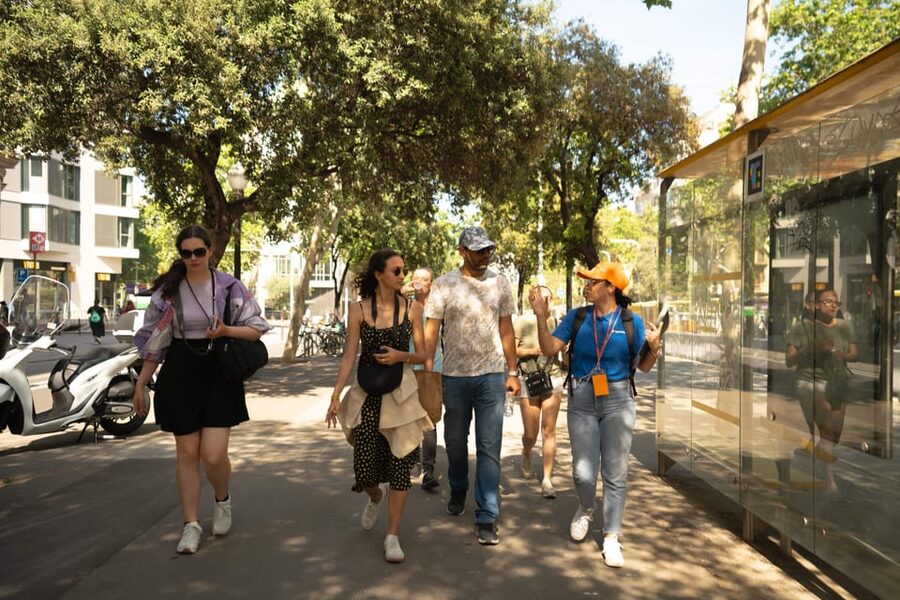
This is one of those tours where the guide quality really matters. In the feedback, I saw a clear pattern: the best experiences come from guides who tell stories with specifics and point out features you’d easily miss.
For example, Alberto is described as passionate and excellent at storytelling, with an eye for details that change how you read Gaudí and his contemporaries. Antogoni stood out for being amusing, finding shade, and suggesting good photograph timing. Victor brought a friendly, enthusiastic style and even shared suggestions beyond architecture, like where to catch flamenco.
You can’t control who you get, but you can control what you bring: a willingness to slow down for details. If you’re ready to look closely rather than only scan the skyline, the guide’s effort turns into real value.
What to Bring (So You Don’t Hate the Day)
This tour is rain or shine, and you’ll walk about 2 hours. I’d treat “comfortable shoes” as non-negotiable. Also, since the walk includes big façades and exterior viewing angles, you’ll want to be ready to pause often—so bring water if it’s warm and dress for the weather.
If you’re planning to add more stops after, keep the rest of your day flexible. This tour is short enough to fit in, but it’s also packed enough that you’ll feel it afterward.
Who This Tour Suits Best
This works especially well if you:
- Want to understand architecture instead of just photographing it.
- Enjoy walking but don’t want a full-day commitment.
- Care about Catalan Modernisme—how different architects and ideas relate.
- Prefer guided interpretation if you get stuck looking at façades without knowing what to look for.
If you’re only interested in one famous building and nothing else, you might find the group walking parts less exciting. But if you like comparisons—how the styles talk to each other—this route is built for you.
Should You Book This Barcelona Architecture Walking Tour?
I’d book it if you want a structured way to see Barcelona’s Modernisme without spending your day bouncing between random stops. The order makes sense: Sant Pau frames the style, Sagrada Família adds symbolism, Passeig de Gràcia gives concentration, and Casa Lleó i Morera ends with craft detail.
If you’re torn on upgrades, here’s the simple decision rule: choose the Casa Batlló admission upgrade if interiors are part of what you came for, and choose the architect guide element if you want deeper design interpretation. If not, the base tour still offers a strong learning arc for the price.
FAQ
How long is the Barcelona Architecture Walking Tour with the Casa Batlló upgrade?
The duration is listed as 2–3 hours. You should plan for about 2 hours of walking during the tour.
Where does the tour start and end?
The tour starts at Recinte Modernista de Sant Pau. The end/drop-off location is listed as Casa Lleó Morera, Pg. de Gràcia, 35.
Is the tour rain or shine?
Yes. The activity takes place rain or shine.
What language is the live guide?
The live tour guide is available in English.
What’s included in the price?
Included are a local guide, a walking tour of Barcelona architecture, a chocolate sample at Casa Amatller, and optional upgrades for an architect guide and Casa Batlló admission.
Is Casa Batlló entry included?
Not automatically. Casa Batlló admission is included only with the optional upgrade. Entry to buildings is otherwise listed as not included.