REVIEW · NEW YORK CITY
Chelsea Galleries and High Line; Art, Architecture and History
Book on Viator →Operated by Chelsea Gallery Tour · Bookable on Viator
Art and architecture rise above the streets. This private, 2-hour walk blends High Line art stops, sharp architectural observations, and the story of how abandoned tracks became a public park. I love that you get a professional artist guiding you through the work and process, and that you also step into two Chelsea exhibitions with time for questions. One thing to consider: the High Line can get crowded in places and the narrower parts can make moving around for photos feel a bit tight.
You’ll start at the southern end and work your way north, with the guide pointing out what most people miss. Expect a steady rhythm: quick exterior observations above the city, then gallery time underneath in Chelsea. If you prefer a totally quiet experience, plan for some street and gallery noise—especially with larger groups.
In This Review
- Key highlights I’d plan around
- A 2-hour mix of art, architecture, and rail-park history
- Walking the High Line: art stops and photo-ready moments
- Architecture lessons above the city, not in theory
- The fight that saved the rails: history you can actually picture
- Chelsea galleries underneath: two exhibitions with a real guide
- Final views over 10th Avenue and a sculptural moment
- The guides: when the explanations make the walk
- Time, meeting points, and how to fit it into your day
- Value check: what you’re paying for (and what you aren’t)
- Should you book this Chelsea + High Line art tour?
- FAQ
- How long is the tour?
- Where do the tour start and end?
- Is the tour private?
- What language is it offered in?
- Does it run in any weather?
- Is a mobile ticket provided?
Key highlights I’d plan around
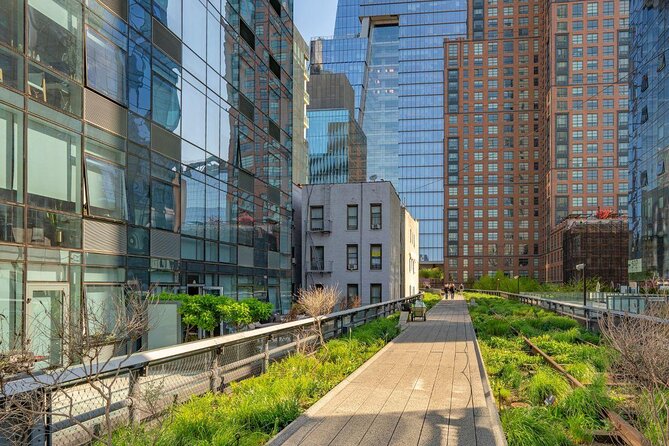
- South-to-north High Line route that helps the walk feel smooth instead of stop-start
- Art-focused stops where you get context on artists and how the work is made
- Architecture lessons in real time pointing out what contemporary design is doing right now
- History of the rail-park fight tied to early 2000s activism by two young men
- Chelsea galleries with two selected exhibitions under the High Line
- A final city-view moment over 10th Avenue with a major sculptural element
A 2-hour mix of art, architecture, and rail-park history
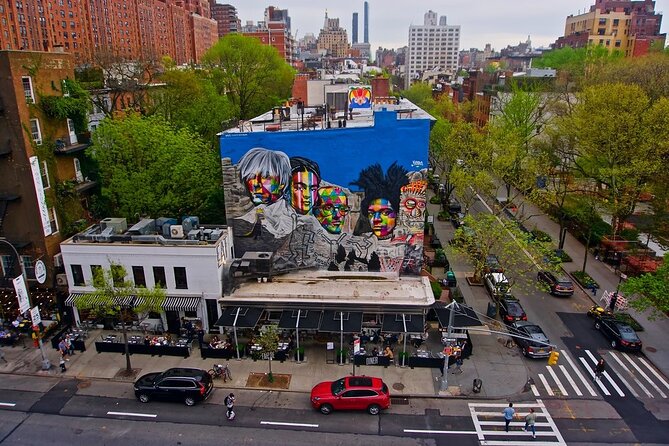
This tour is built like a mini course: art, architecture, history, then galleries—on a schedule that fits into a normal day in Manhattan. The total time is around two hours, so you’re not committing your whole afternoon to just walking (even though you do get a real walk).
What makes it special is the balance. You’re not only seeing the High Line as a pretty walkway; you’re being taught how to look—at art, at buildings, and at the decisions that shaped the neighborhood. The private format also matters: you can ask questions without feeling rushed.
The tour runs Tuesday through Saturday, and it’s offered in English. You’ll get a mobile ticket, which is handy in a city where you keep checking your phone anyway.
You can also read our reviews of more tours and experiences in New York City.



Walking the High Line: art stops and photo-ready moments
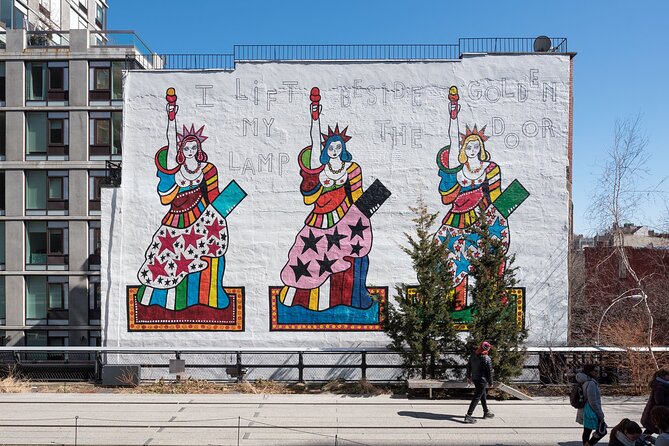
The experience starts with a stroll along the promenade from the southern end toward the northern end. At the art stop, you pause to look at selected pieces while the guide explains the artists and the work process. The practical value here is that you’re given a way to interpret what you’re seeing, so you’re not stuck guessing.
You’ll also have chances for memorable photos. The High Line is one of the best places in New York for elevated angles, and the tour’s pacing gives you moments to frame sculpture and installations without feeling like you’re sprinting. If you’re photographing, come with a little flexibility: the High Line can be narrow in spots, and stopping to study the art may slow foot traffic around you.
A small but real consideration: if your group ends up large, the acoustics and crowding in galleries can affect comfort. One review also suggested headphones for bigger groups, which tells me this is something to keep in mind if you’re planning a larger party or you’re sensitive to noise.
Architecture lessons above the city, not in theory
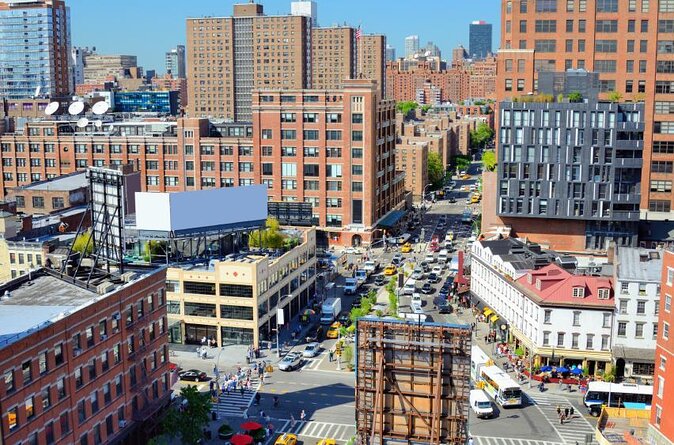
Next comes architecture. This part is less about reading a brochure and more about training your eyes. The guide points out contemporary buildings that act like signals of where modern architecture is going, and you’ll connect those ideas to the way the High Line is designed.
You’ll hear how the park works as an elevated piece of city infrastructure, not just a scenic detour. That includes the High Line’s clever integration—how it uses space, movement, and carefully placed elements to create a walking experience that feels intentional.
If you like architecture, you’ll probably enjoy how concrete this section is. You’re standing where the design decisions matter, then hearing what those decisions do in practice. Even if you’re not an architecture nerd, it helps you see the city as something engineered, not just observed.
The fight that saved the rails: history you can actually picture
Then you hit the history stop. The story centers on the abandoned railroads in the early 2000s and the initiative of two young men who pushed back hard against plans to demolish the lines. Instead of letting the tracks disappear, they proposed turning them into a public park—an idea that had to win people over before it became real.
What I like about this historical framing is that it doesn’t treat the High Line like a finished product. It explains that the park exists because someone argued for a different future. When you’re walking above the city afterward, it’s easier to feel the logic behind what you’re seeing: the elevated path, the repurposed space, the public payoff.
One key advantage for your trip planning: if you’re tired of generic “history lessons,” this one stays grounded. You’re learning the origin story while your feet are already moving through the result of that activism.
Chelsea galleries underneath: two exhibitions with a real guide
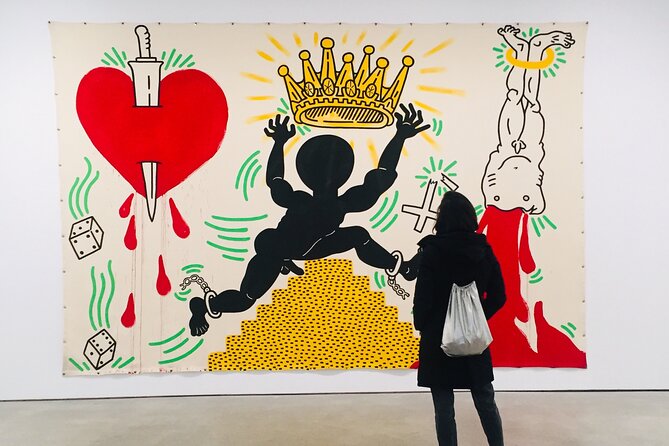
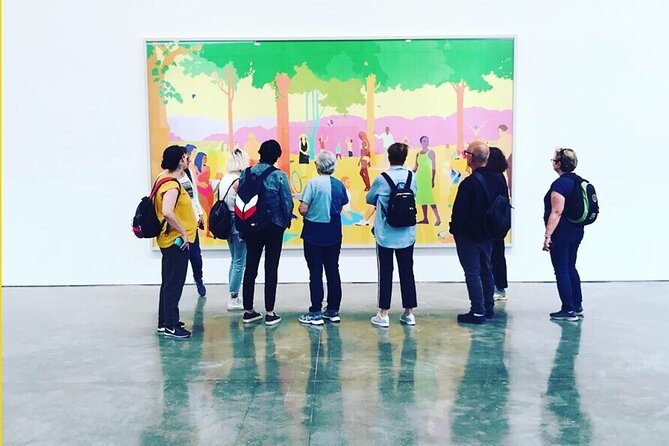
After the outdoor section, you drop into Chelsea’s gallery district, located underneath the High Line. This is where the tour turns from city sightseeing into hands-on art viewing.
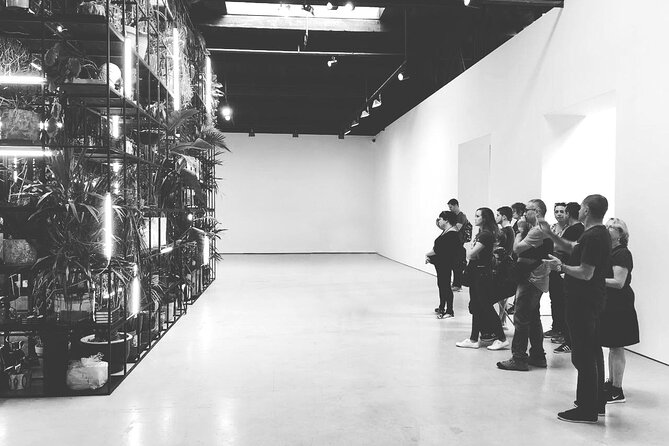
You visit two selected exhibitions. The value isn’t only that the galleries are chosen well; it’s that you’re guided through what to notice. In a good gallery setting, context changes everything. Instead of walking in and silently nodding at labels, you get explanations that connect ideas across rooms and artists.
This is also where the private-tour format shines. The guide encourages questions, and you can ask as many as you like within the tour flow. That matters in galleries because many people feel embarrassed asking basic questions about meaning or technique. Here, questions are part of the experience.
You’ll also get a sense of how Chelsea galleries think—varied styles, serious conversations, and a space that rewards careful looking. If your goal is to see more than the High Line’s famous views, this gallery time is what makes the tour feel like art education with shoes on.




Final views over 10th Avenue and a sculptural moment
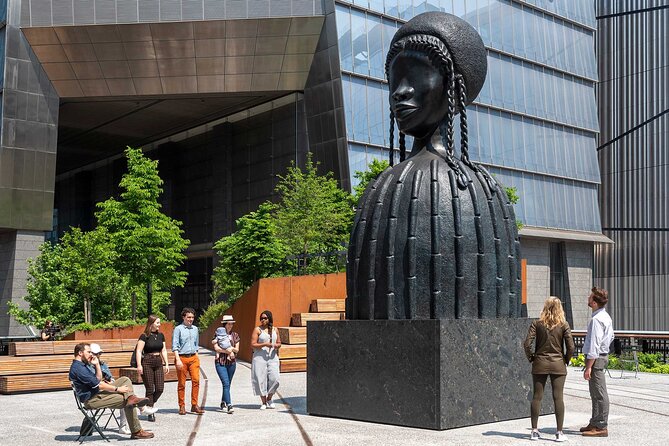
The tour finishes at one of the High Line’s northern points and includes a vantage looking over 10th Avenue. It’s timed for impact, with a major sculptural project of the High Line as the focus of the view.
This stop is different from the earlier art moments. Instead of studying an artwork up close in a pause, you’re seeing how the sculpture and the elevated setting work together in a bigger frame. It’s a good way to end because you leave with both a final image in your camera and a last mental picture of how this whole park connects back to the city grid.
If you’re planning dinner after, this ending point is a useful anchor. You’re not far from other Chelsea and Midtown options, and you won’t feel like you’re trapped back where you started.
The guides: when the explanations make the walk
The reviews strongly emphasize the guides’ teaching style and selection of exhibitions. Names that come up include Maya, Shahar, and Daniel. Across the feedback, the consistent theme is that guides create a safe, relaxed atmosphere where questions are welcome and where the explanations help you connect art choices to bigger ideas.
That doesn’t mean every experience will feel identical. One negative review mentioned a guide seemed tired on a second tour that day, and another complained that something didn’t go as smoothly (including an iPad mishap and relying on a phone for images). Those are not guarantees of future problems, but they are a useful reminder: a tour like this depends on the guide’s readiness and how the day is handled.
My practical advice: if you care about deeper context, bring questions of your own. You can ask about technique, symbolism, why an exhibition was chosen, or how the High Line’s design influences what you notice.
Time, meeting points, and how to fit it into your day
Start point: 812 Washington St, New York, NY 10014, near the entrance by Mercado Little Spain. End point: 10th Avenue & West 30th Street (10th Ave & W 30th St), also near Mercado Little Spain entrance. It’s a south-to-north flow, so plan the rest of your afternoon around being closer to Midtown/Chelsea’s northern end when you finish.
Because the tour requires good weather, check conditions before you go. If weather is poor, you’ll be offered a different date or a full refund. In New York, that matters—this is an outdoor-heavy experience even though it includes gallery time.
You’ll also be near public transportation, and service animals are allowed. The tour says most travelers can participate, which is helpful if you’re worried about whether the walk is too intense. Still, it’s a walking tour with stops, so wear comfortable shoes and give yourself time to move calmly during crowded moments.
Value check: what you’re paying for (and what you aren’t)
Even without a listed price here, you can evaluate value based on what’s included. You get:
- A guided High Line walk with art, architecture, and history built into the route
- Visits to two Chelsea exhibitions with a guide’s explanations
- A private tour format where it’s only your group
- A mobile ticket for easier access
This is not just a photo walk. If you already know art history and architecture cold, you might only love it for the High Line views. But if you want the park explained in a way that helps you look better afterward, the structure makes sense for the time.
Also, the private setup usually makes a big difference for gallery time. You’re not stuck catching up with a large group while you’re trying to absorb what’s on the wall.
Should you book this Chelsea + High Line art tour?
Book it if you want a guided New York experience that connects three things most visitors see separately: the High Line as design, Chelsea as art space, and the rail-park origin story as the reason the whole place exists. I’d especially recommend it if you like asking questions and if you enjoy learning through standing in front of the thing you’re studying.
Skip or rethink it if you’re sensitive to crowding and noise. Also consider that with larger private groups, you may not have the quietest gallery experience, and the narrow parts of the High Line can slow movement. If you’re the type who prefers to wander galleries on your own, you may not need the structure.
Overall, this is a strong choice for anyone who wants context with their views—not just scenery.
FAQ
How long is the tour?
It runs for about 2 hours.
Where do the tour start and end?
It starts at 812 Washington St, New York, NY 10014, and ends at 10th Avenue & West 30th Street (10th Ave & W 30th St), near the Mercado Little Spain entrance.
Is the tour private?
Yes. It’s a private tour/activity, and only your group participates.
What language is it offered in?
The tour is offered in English.
Does it run in any weather?
The experience requires good weather. If it’s canceled due to poor weather, you’ll be offered a different date or a full refund.
Is a mobile ticket provided?
Yes, the tour includes a mobile ticket.