REVIEW · NEW YORK CITY
New York City: Art Deco and Architecture Landmarks Tour
Book on GetYourGuide →Operated by Custom NYC Tours · Bookable on GetYourGuide
Midtown NYC stops you in your tracks. This tour makes the Art Deco street-level experience click by teaching you what you’re actually looking at, from landmarking rules to decorative building details.
Two things I really like: you get a tight hit of iconic exteriors and preserved interiors (hello, Grand Central) and you also get pointed at lesser-known architecture that most people walk right past. One possible drawback is that it is a walking tour in city traffic and crowds, so if you’re looking for a slow, sit-down pace, plan to bring patience and comfy shoes.
Midtown works best when you pay attention to angles, and this tour trains your eye for the “up high” stuff—ornament, setbacks, materials, and symbolism—so the buildings feel less like backgrounds and more like stories you can read.
In This Review
- Key highlights you’ll remember
- Getting Oriented in Midtown: Whole Foods Meeting to Bryant Park Start
- Bryant Park and Midtown History: Why Landmarking Changes What You See
- 42nd Street and the “Look Up” Moment: Street Level Isn’t the Whole Story
- Chrysler Building Stop: Art Deco as Engineering and Style
- Empire State Building Perspective: A Unique Vantage Without the Detour
- Grand Central Terminal: When You Appreciate Interiors More Than Facades
- Up 5th Avenue to a Favorite Art Deco Treasure
- Rockefeller Center Finish: Closing the Loop on Midtown Design
- Small-Group Pacing: How to Make 150 Minutes Actually Feel Like More
- Price and Value: What $40 Buys in a Midtown Architecture Tour
- Who Should Book This Tour (and Who Might Skip It)
- Should You Book This Art Deco and Architecture Landmarks Tour?
- FAQ
- How long is the Art Deco and Architecture Landmarks Tour?
- How much does the tour cost?
- Where do I meet the guide?
- What’s included in the tour price?
- Is food or drink included?
- Does the tour run in bad weather?
- Is the tour wheelchair accessible?
- Can I cancel and get a refund?
Key highlights you’ll remember
- Bryant Park start with context fast so you understand why Midtown looks the way it does
- Landmarking laws explained with stories that turn rules into real-world design choices
- Chrysler Building focus on the details that make Art Deco artfully engineered
- Grand Central Terminal inside viewing with its statement-making interior space
- Small-group format that gives you a real shot at questions
- Rockefeller Center finish that caps the walk at one of Midtown’s most recognizable anchors
Getting Oriented in Midtown: Whole Foods Meeting to Bryant Park Start
You’ll meet your guide at the Whole Foods on 6th Avenue, then the tour immediately gets you into the rhythm of Midtown. This matters because good architecture tours aren’t just about seeing buildings; they’re about learning where to stand, what to notice, and how to read the design language.
The walking route is built around concentration. You don’t bounce around the city. You stay in the Midtown zone long enough to compare styles—Art Deco next to older influences like Beaux-Arts—and start noticing patterns.
If you’re the type who likes to take photos, this helps too. You’ll have short windows to stop, look up, and capture facades and decorative elements before the group moves on.
You can also read our reviews of more tours and experiences in New York City.



Bryant Park and Midtown History: Why Landmarking Changes What You See
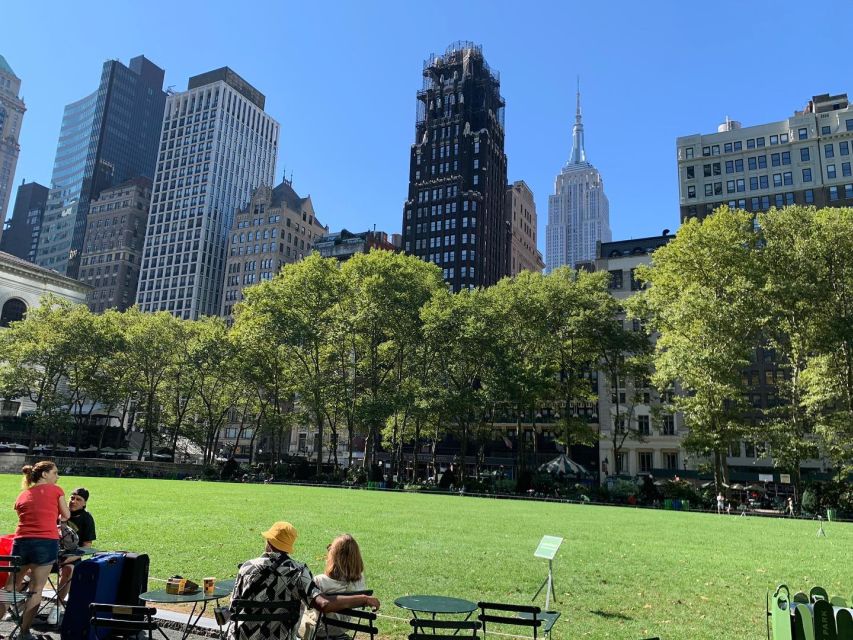
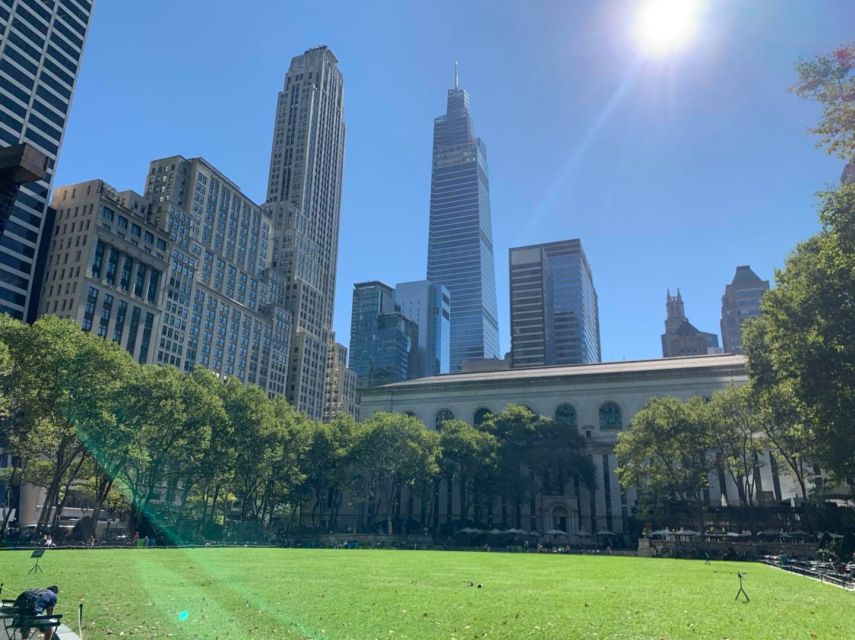
Bryant Park is a smart launch point. It gives you a breathing space and a visual reset before the street canyon of Midtown fully takes over.
From there, the guide focuses on what makes NYC’s skyline feel intentionally protected. You’ll hear about the origins of NYC landmarking laws, and how preservation efforts shaped what survived and what got changed. That’s more than trivia. Once you know why landmarking exists, you start seeing the skyline as an argument between developers, public taste, and civic identity.
This is also where the tour’s method shows. You get historic photo context along the way, so the buildings aren’t just pretty today—they’re part of a changing city story. It’s the difference between seeing architecture as a snapshot and seeing it as a decision made in time.
42nd Street and the “Look Up” Moment: Street Level Isn’t the Whole Story
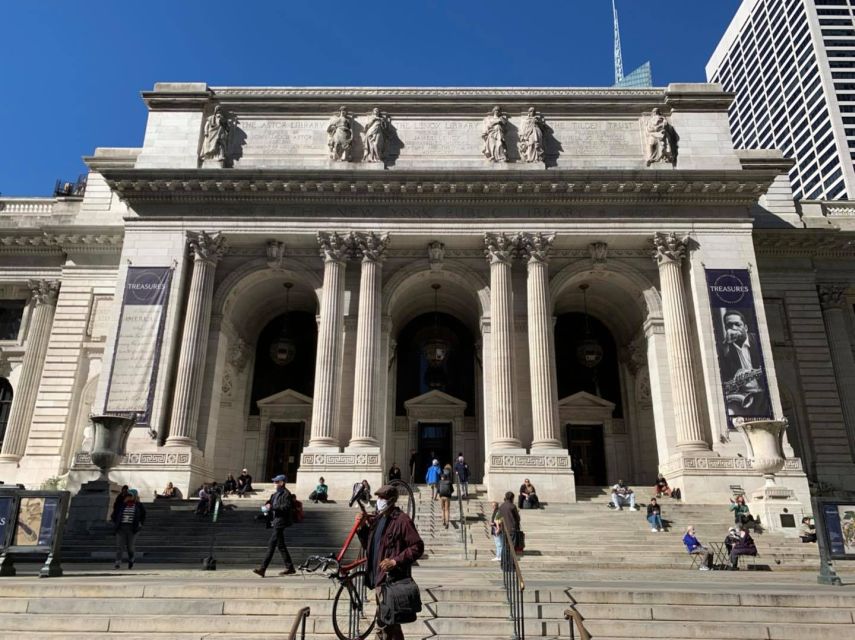
On 42nd Street, the tour leans into one of the biggest architecture lessons: what matters most often sits above eye level. This is where the guide’s eye for details pays off—ornament, setbacks, material contrasts, and the visual logic of Art Deco forms.
You’ll also get multiple photo moments for context. Those old images help you understand what has been preserved, what has changed, and why certain design elements became part of the city’s identity.
Is this stop heavy on walking? Yes. But that’s the point. Midtown is dense. If you want to “learn the city fast,” you do it by moving through it, not by standing in one spot waiting for the skyline to come closer.
Practical note: Midtown crowds and street conditions can affect pace. If you’re sensitive to speed, keep your questions ready for the guide’s pauses, not mid-stride.
Chrysler Building Stop: Art Deco as Engineering and Style
The Chrysler Building is one of the stops you’re going to talk about after the tour ends. The guide doesn’t treat it like a simple must-see. You’ll get time to look closely and hear what makes it distinct—why the design reads as both sleek and dramatic, and how the decorative program fits the whole building idea.
What I like about this part: the commentary tends to connect the exterior look to the thinking behind it. That turns Art Deco from “pretty patterns” into a style with purpose. One review mentioned extra fun details like the design inspiration tied to the Chrysler brand elements, and that’s the sort of specificity that makes the building stick in your mind.
You’ll likely be doing a mix of photo stopping and guided looking. You won’t be rushing past the best angles, and you’ll get enough time to notice things you’d normally miss at street level.
Empire State Building Perspective: A Unique Vantage Without the Detour
Even when the Empire State Building isn’t the main focus of your photo time, the tour gives you a unique perspective on it. That’s a real value for first-timers. The Empire State gets attention anyway, so a guide’s job is to help you see something new, not just point and move.
This stop works best if you’re curious about how skyscraper design fits into its era—setbacks, vertical emphasis, and how the building’s visual identity functions at street level. You’ll come away with a clearer sense of why certain silhouettes became symbols.
If you’re the type who wants the best view later, you can often layer that with your own plans after the tour. One reviewer specifically called out going up to Top of the Rock afterward, which is a smart add-on if you want that compare-and-contrast skyline angle.





Grand Central Terminal: When You Appreciate Interiors More Than Facades
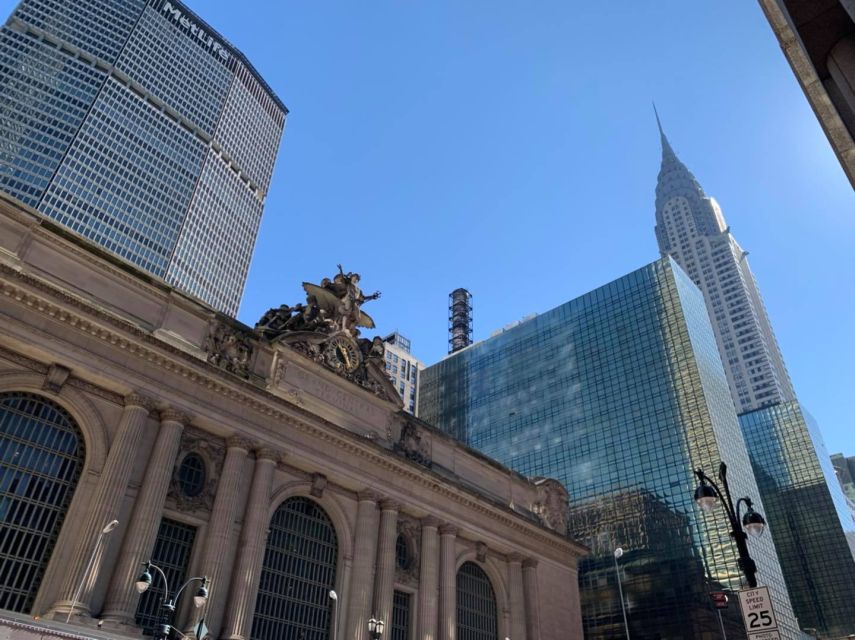
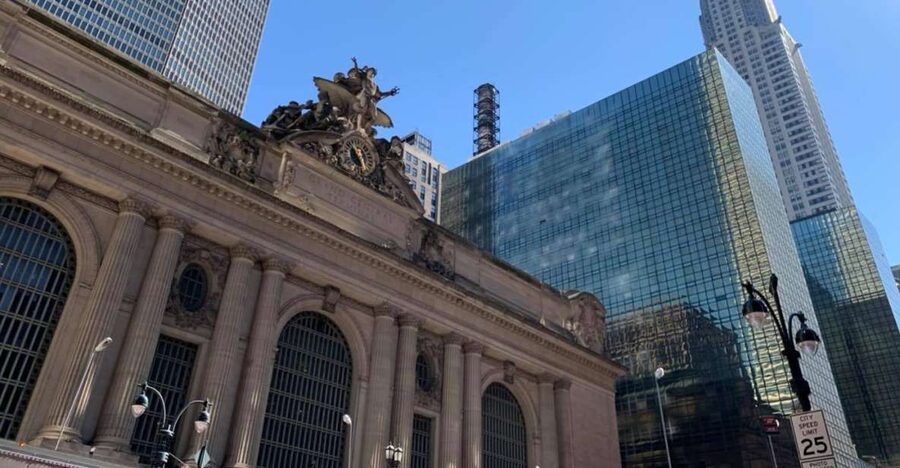
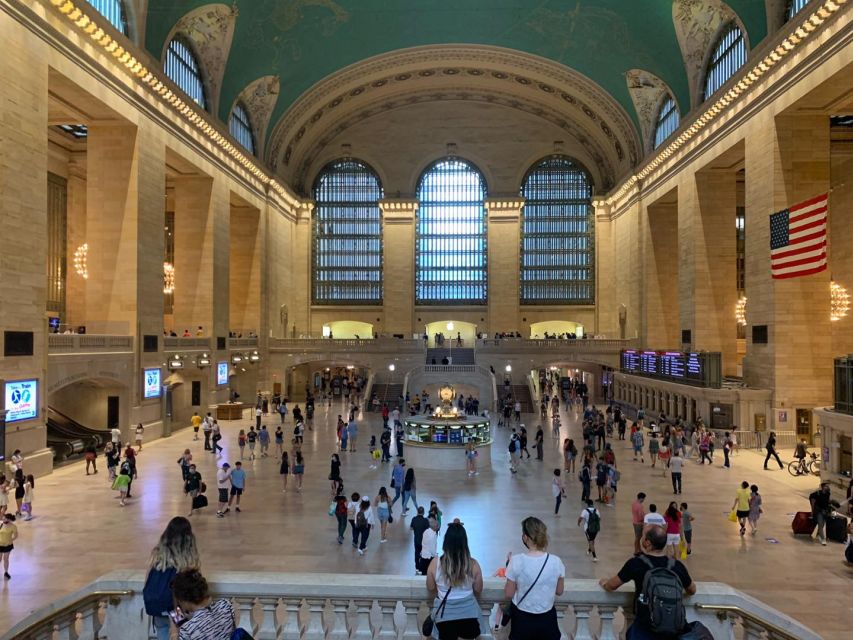
The Grand Central Terminal stop is the emotional high point for a lot of people—because it’s not just architecture, it’s theater. The tour treats the terminal like an interior landmark, and that’s crucial. Plenty of Midtown tours keep you outside. Here, you get to experience one of NYC’s best interior spaces.
Grand Central is described as the world’s largest train terminal, and the tour’s timing gives you a chance to see it as a whole: the scale, the layout feeling, and the preserved interior beauty. For architecture lovers, it’s a reminder that landmark value isn’t only about height. It’s also about public space design—what people move through, pause in, and remember.
The tour’s strength here is that you’re not just walking through. You’re getting guidance on what to notice while you’re inside. That helps you avoid the common problem where the terminal becomes a blur of motion and signage.
Time is tight—about 15 minutes for the stop—so show up ready to look. This is one of those moments where standing still for ten seconds to take in a scene matters more than speed-walking to the next doorway.
Up 5th Avenue to a Favorite Art Deco Treasure
After Grand Central, you head along 5th Avenue to see the guide’s favorite Art Deco hidden treasure in Midtown. The phrase hidden treasure is important. This is the part where the tour differentiates itself from the “same three buildings for everyone” approach.
You’ll learn what to look for—decorative elements, stylistic choices, and the design details that make Art Deco feel intentional rather than ornamental. The tour’s historic photo context continues to help here, too, giving you a sense of how the streetscape has evolved.
Because you’re moving, you won’t have hours for one building. But you will get enough guided instruction that you can identify the style cues quickly on your own afterward.
If you’re planning to extend the day, this is also a good point to take note of nearby buildings you want to photograph from across the street. Once you’ve trained your eye, you’ll start noticing similar patterns everywhere.
Rockefeller Center Finish: Closing the Loop on Midtown Design
The tour ends at Rockefeller Plaza. That finish location is practical and satisfying. It gives you a recognizable Midtown anchor right where the skyline feels most intentional—an ending that feels connected to the architecture themes you’ve been learning.
Even if you’re not going inside anywhere, the area gives you a strong “last look” as you compare what you’ve seen: the Art Deco flourishes, the older style influences, and the idea of preservation shaping what Midtown remains.
If you’re hungry afterward, Rockefeller Center also makes it easy to pivot to dinner, a museum stop, or a subway hop. The tour ends with you in the kind of place that’s easy to navigate.
Small-Group Pacing: How to Make 150 Minutes Actually Feel Like More
This experience is about 150 minutes and it moves. That’s not a bad thing. It’s the whole design logic: cover a lot of Midtown and train your eye while you’re there.
Most of the stop times are short—think quick photo moments plus guided explanation—so the pacing works best if you’re actively watching rather than waiting for the big moment. If you want extra time at a particular facade, this is where a small group helps. You can ask questions during the guide’s pauses instead of holding them until the end.
One review did mention the tour felt fast at times, even after requests. My practical advice: if you want slower pacing, say it calmly right away. Also, choose your priority in advance—exteriors, interiors like Grand Central, or the “why” behind landmarking. Then you’ll feel like the tour delivered on your goals.
Finally, the tour runs rain or shine, but it will be canceled due to severe weather. In practice, that means you should dress for wet sidewalks and plan for indoor time if things get tricky.
Price and Value: What $40 Buys in a Midtown Architecture Tour
At $40 per person for 150 minutes, this is a solid value when you compare what you’re getting: a live guide, a small-group format, and real access to architectural explanation plus interior viewing like Grand Central and select lobbies.
What makes it feel worth the money isn’t just the landmark list. It’s the way the guide teaches you to notice design choices. Reviews highlight how guides like Jeremy and Robin bring both passion and structure, with historic visuals and plenty of room for questions.
If you’re traveling on a budget, this tour is also a smart “first architecture day” because it gives you a vocabulary. After this, you’ll recognize motifs faster on your own walks. That saves time and turns your free time into more meaningful exploring.
You’re not paying for meals, and there’s no hotel pickup. So budget that yourself. But the tour is efficient. You’re spending your time on buildings, not logistics.
Who Should Book This Tour (and Who Might Skip It)
I think this tour is a great fit for:
- Architecture lovers who want to look up and understand Art Deco details, not just take photos
- First-time Midtown visitors who want a guided “greatest hits plus smart extras” route
- People who enjoy interior spaces as much as exterior facades (Grand Central is a big draw)
- Anyone who likes preservation stories—how landmarking shaped what you can still see
You might be better off with something else if:
- You hate walking tours and prefer slower, sit-down experiences
- You’re only interested in one or two buildings and don’t want a multi-stop route
- You need lots of unstructured time at one site for personal photography
The tour’s strongest advantage is focus. It stays in Midtown and builds one coherent story about design, preservation, and why the streetscape matters.
Should You Book This Art Deco and Architecture Landmarks Tour?
If you’re coming to NYC and you want Midtown to feel less random, book it. The best part is the way the guide connects design details to bigger city choices, like landmarking, and then gives you context using historic photos.
Go for it especially if you love Art Deco and want both the big icons—like Chrysler Building and the Empire State Building perspective—and the smaller decorative treasures you’d probably miss on your own.
I’d only hesitate if you’re looking for a slow pace or a full day of architecture lounging. At 150 minutes, this is a guided burst. For most people, that’s exactly what makes it satisfying.
FAQ
How long is the Art Deco and Architecture Landmarks Tour?
It lasts 150 minutes.
How much does the tour cost?
The price is $40 per person.
Where do I meet the guide?
Meet your guide in front of the Whole Foods store on 6th Avenue.
What’s included in the tour price?
You get a tour guide and a small-group tour.
Is food or drink included?
No. Food and drink are not included.
Does the tour run in bad weather?
It takes place rain or shine, but it will be canceled due to severe weather.
Is the tour wheelchair accessible?
Yes, it is wheelchair accessible.
Can I cancel and get a refund?
Yes. You can cancel up to 24 hours in advance for a full refund.