REVIEW · TOKYO
Private Edo-Tokyo Open Air Architectural Museum Tour
Book on GetYourGuide →Operated by Showcase Tokyo Architecture Tours · Bookable on GetYourGuide
Tokyo architecture has a way of surprising you. This private Edo-Tokyo Open Air Architectural Museum tour strings together old houses and modern ideas, with a special focus on how European design landed in Japan. I especially loved the chance to see Kunio Maekawa’s WWII-era modernism up close and then walk into a Shitamachi streetscape that feels like it stepped out of an animation. One possible drawback: it’s not a short hop by taxi. You’ll use trains and buses, plus you’ll likely remove your shoes in several historic buildings.
A good guide makes this tour. I liked that the tour is in English with licensed guides who tailor the day when possible, and it’s private enough that you can ask real questions. Still, consider that the day is built around architectural stops, so if you’re only after typical sightseeing photos, you may want to pair it with a more general Tokyo plan.
In This Review
- Key Points You Can Use Right Away
- Price and Logistics for a 5-Hour Private Architecture Day
- Where You Start: Tokyo Station Meeting Point Without Guesswork
- The First Stop: A Kunio Maekawa House Tied to Le Corbusier’s Lineage
- Next Up: Sutemi Horiguchi and Dutch Architecture’s Early Arrival
- Mitsui Family Residence: When Luxury Becomes a Design Lesson
- The Big Midday Shift: A Walk Through Shitamachi Like an Animated Street
- Traditional Bathhouse and an Old Train: Small Stops With Big Story Payoffs
- Your Guide Matters: English Support and Real Adaptation
- Shoe-Off Reality: Plan for Comfort First
- Who This Tour Fits Best (and Who Might Be Less Interested)
- Should You Book This Edo-Tokyo Architectural Museum Tour?
- FAQ
- How long is the private Edo-Tokyo Architectural Museum tour?
- Where do we meet, and how do I find the guide?
- Is the Ghibli Museum included in this tour?
- Do I need to pay for transportation to the museum?
- Is the tour English guided, and is it private?
- Should I plan to remove my shoes?
Key Points You Can Use Right Away
- Meet architecture where it actually is: multiple historical houses moved into one museum setting, so the contrasts land fast
- Kunio Maekawa and Le Corbusier’s ripple effect: you’ll see modern thinking filtering into wartime Tokyo-era design
- Sutemi Horiguchi and early European imports: Dutch influence, plus Art Deco and De Stijl ideas, show up in surprising places
- Shitamachi walk with classic streetscape mood: East Tokyo scenery that reads like storybook Tokyo, even if you are there for facts
- Easy private-group pace: you’ll have time to ask questions and keep the day moving without crowds
- No Ghibli Museum visit: this is the Edo architecture and atmosphere side, not the museum ticket side
Price and Logistics for a 5-Hour Private Architecture Day
At $193 per person for 5 hours, this isn’t a budget “quick museum stop.” It’s closer to paying for a translator, a plan, and a guide who can connect dots between buildings, eras, and design influences.
Here’s why the price can make sense: you get pickup options from JR Tokyo Station (Marunouchi) or JR Shinjuku Station, an English-speaking licensed guide, and the admission fee for the architectural museum. You’re also getting a structured day built around architectural history, not just walking around and hoping you’ll understand what you’re seeing.
The one cost you should budget for is transportation to/from Tatemono-en (the museum). You’re looking at about 700 JPY one way, and you’ll use trains and buses to get there. If you hate transit systems, factor in the mental load. If you’re okay with a little navigational work (and you’ll have the guide’s help), it turns into part of the experience.
Finally, it’s a private group. That matters more than people think. In a standard group tour, you often spend time waiting. Here, you can actually steer the conversation—especially if you care about residential design, gardens, or interiors.
You can also read our reviews of more tours and experiences in Tokyo.

Where You Start: Tokyo Station Meeting Point Without Guesswork
The meeting spot is Tokyo Station Marunouchi Front Plaza. After you exit the JR Tokyo Station Marunouchi Central Gates, head toward the center of the building.
Your guide will be waiting at a carriage porch marked for VIP guests. They’ll hold a bag with an illustration of the Nakagin Capsule Tower, which is a nice little design cue if you like modern Tokyo architecture. It’s a small detail, but it helps you find them fast.
If your pickup is arranged from Shinjuku instead, you’ll still want to be ready at the station so the day stays smooth. The tour is built around timed walking and transit, so late starts tend to compress the day.
The First Stop: A Kunio Maekawa House Tied to Le Corbusier’s Lineage
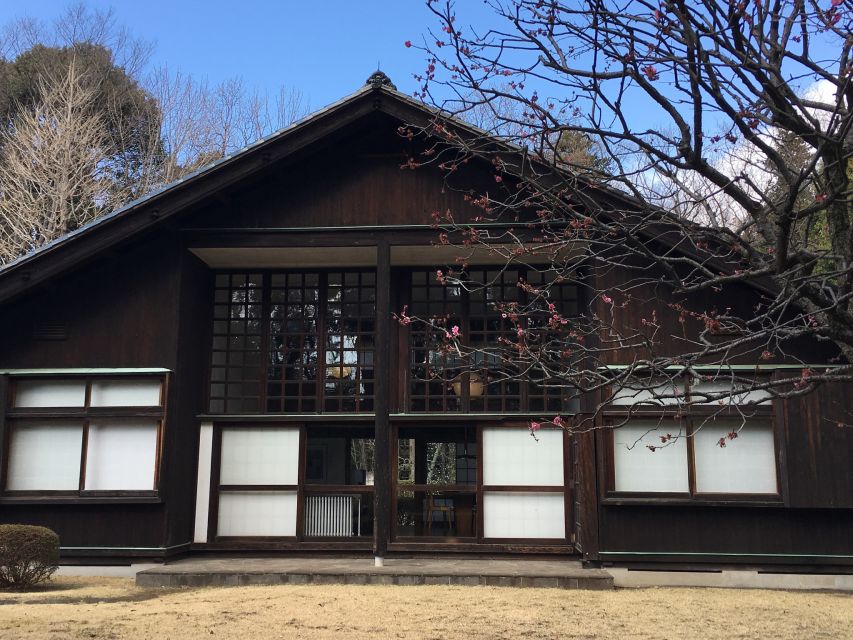
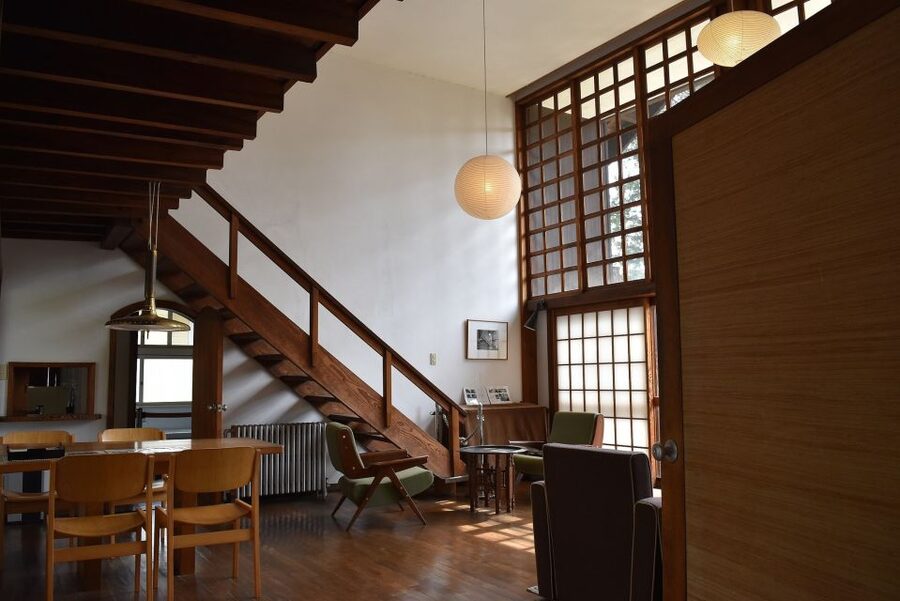
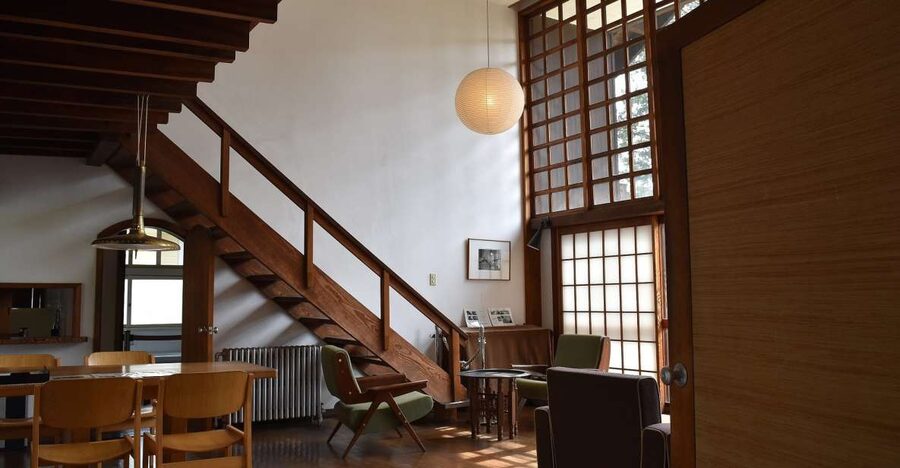
The tour begins by setting your eyes on a house designed by Kunio Maekawa—a key figure in modern Japanese architecture. He worked under major international influences, including Le Corbusier and Antonin Raymond, and he helped shape modern architecture in Japan.
The tour highlights that this particular Maekawa work was built during the Second World War, which is where this stop gets genuinely interesting. You’re not just looking at a design style. You’re looking at how modern ideas survived the pressure-cooker realities of wartime.
What I think you’ll appreciate most is the way the house demonstrates control: clean thinking, space planning, and a modern language that didn’t erase Japan—it adapted to it. Even if you’re not an architecture nerd, you’ll still feel the difference between a traditional residence built around household rhythms and a modern residence shaped by new spatial logic.
If you’ve ever seen images of modern Japanese architecture and wondered how it “got there,” this is the start of that answer.
Next Up: Sutemi Horiguchi and Dutch Architecture’s Early Arrival
After Maekawa, the tour shifts to the work of Sutemi Horiguchi, a designer who introduced Dutch architecture to Japan in a way that was historically significant. The house on this route was built in 1925, and the timing matters: it was created shortly after Horiguchi returned from a trip to Europe.
This is the stop where the tour helps you see design influence as a real-world process. It’s not “Europe inspired Japan” in some vague way. It’s specific styles landing, mixing, and then getting reshaped.
Two design threads are called out here:
- Art Deco style elements
- De Stijl (The Style) compositions
And the fun part is that these western design ideas show up alongside traditional Japanese rooms. That combination often feels like a design contradiction—until you see it in the building. Then it clicks: Japan didn’t adopt western architecture like copying a blueprint. It absorbed parts, then re-styled them inside Japanese spatial traditions.
If you like seeing how cultures remix rather than replace each other, you’ll probably take your time in this section.
Mitsui Family Residence: When Luxury Becomes a Design Lesson
Then you move to the luxurious interior decoration associated with the Mitsui family residence—one of Japan’s richest family lines, according to the tour’s context.
This stop is less about European influence and more about what wealth allowed architecture to express. You get a view of how interior decoration signals status, but also how materials and room layouts affect daily life.
Even if you’re not shopping for antiques afterward, this is a useful reality check. Architecture is never only “style.” It’s power, resources, and the social rules of the household—played out in walls, doors, and room transitions.



The Big Midday Shift: A Walk Through Shitamachi Like an Animated Street
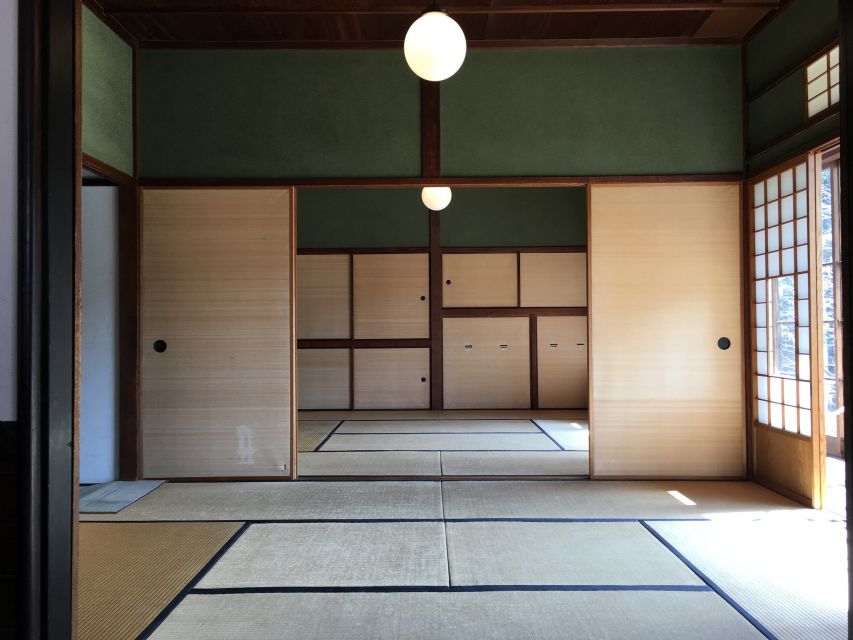
The second half of the tour is built for Studio Ghibli fans, but with an important clarification: it’s the Edo-style neighborhood mood, not the Ghibli Museum. You’ll walk through Shitamachi, East Tokyo.
Shitamachi is often associated with older, down-to-earth Tokyo street life, and this part of the tour emphasizes that you’ll see buildings that look like they belong in the same storytelling universe as classic animation—simple facades, cozy streets, and a sense of time layering itself onto the present.
This is where you get something architecture tours sometimes miss: atmosphere. Museums are quiet. Streets are alive. Even in a museum-like district, you’ll feel the difference between designs meant for public ceremony and homes meant for daily rhythm.
If you’re the type who wants your photos to mean something, this walk helps. It gives context to the buildings you saw earlier. You start to understand what “home” and “street life” look like when they share the same design DNA.
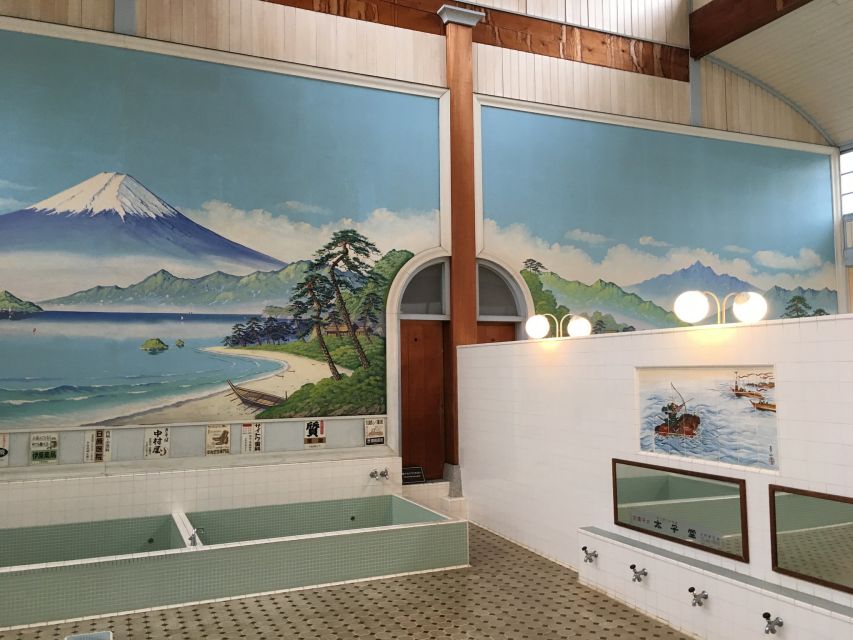
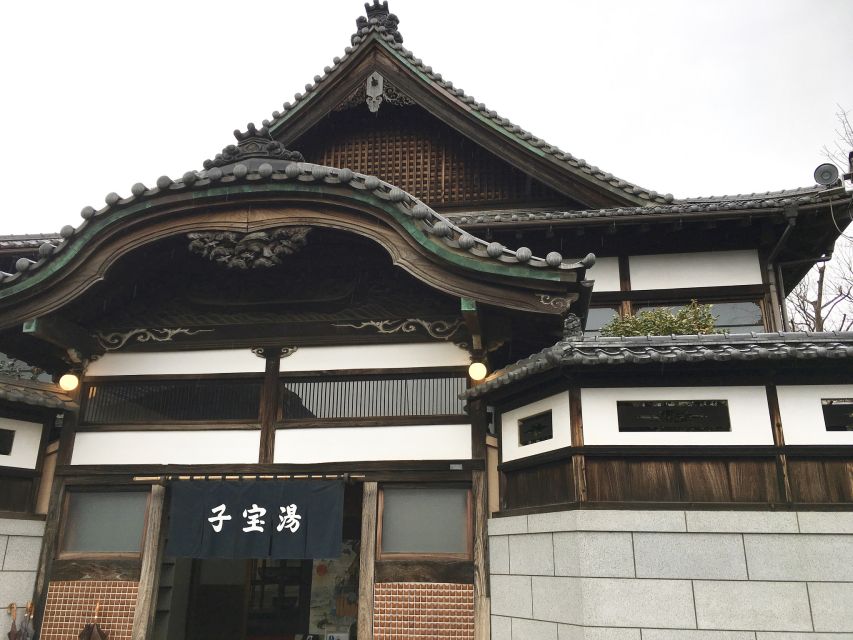
Traditional Bathhouse and an Old Train: Small Stops With Big Story Payoffs
As you continue through the Shitamachi area, the tour adds two classic time-keepers:
- a beautiful traditional bathhouse
- an old train that used to run through Tokyo
Why these stops work: they broaden “architecture” beyond buildings. Bathhouses are communal design. Trains are infrastructure design. Together, they show how space shaped everyday Tokyo routines.
It’s also a nice pacing trick. After several focused residence stops, these elements give your eyes a break while still keeping the theme going: how design supports real life.
And if you like animation-level detail, these are the kind of objects that look good in real life, not just in concept art. They’re physical, scaled to humans, and easy to imagine in motion.
Your Guide Matters: English Support and Real Adaptation
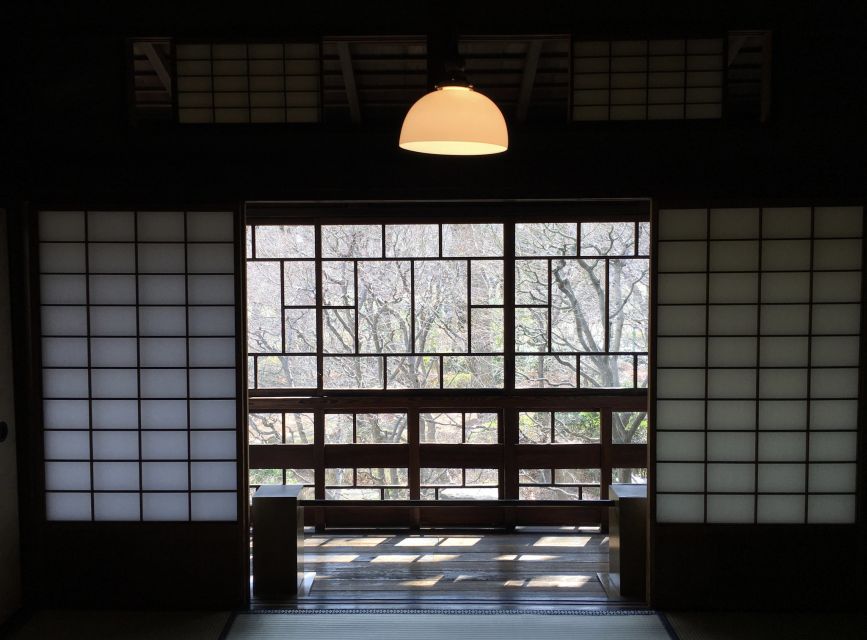
One of the most praised parts of the experience is the guide. Multiple guides are mentioned, including Yuichi and Yuki, and both get credit for explaining the buildings in English in a way that actually makes sense.
Here’s what you can count on from the guide style on this tour:
- strong connection between architecture and cultural context
- clear explanations even when design concepts are complicated
- a willingness to adapt if your interests are specific
In one case, a guide matched the experience to a focus on traditional Japanese architecture plus tea rooms and gardens, which is a good reminder: you’re not stuck with a one-size script.
And there’s also an example of how serious and caring the guides can be. When one person wasn’t feeling well and needed to stop early, the guide helped arrange getting to a hospital. That’s not something you plan for, but it tells you the guide takes responsibility seriously.
Shoe-Off Reality: Plan for Comfort First
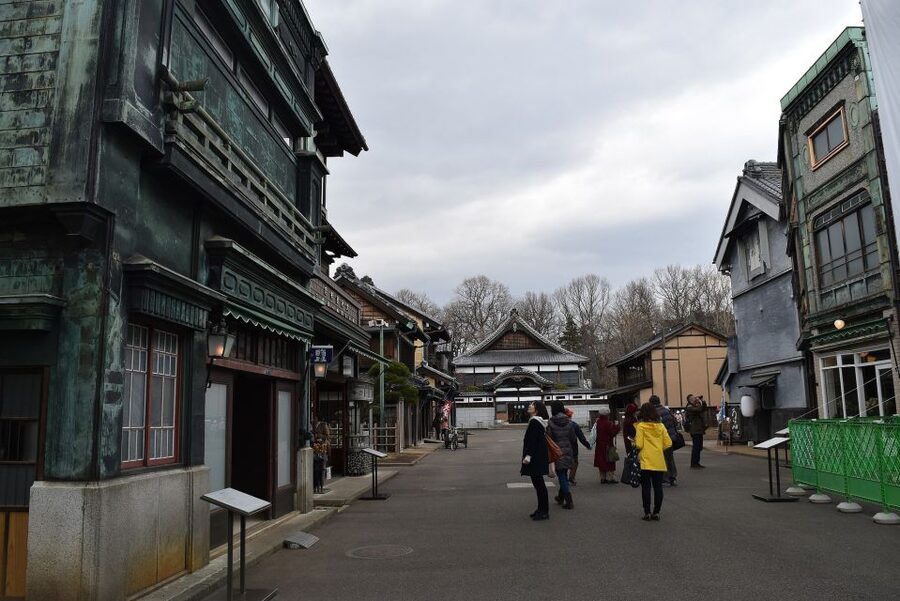
Many historic buildings in the museum require you to remove your shoes before entering. That’s not a detail to ignore.
Wear shoes that are:
- comfortable for walking
- easy to slip on and off
If you do this wrong, you’ll waste energy on the practical stuff. And architecture days are already full of small transitions—inside/outside, light/shadow, narrow rooms, and quick explanations.
Who This Tour Fits Best (and Who Might Be Less Interested)
This is a smart choice if you:
- love architecture and design influences (Japan’s modern era story is a big theme)
- want to understand how European styles like Art Deco and De Stijl found a place in Japan
- care about Tokyo history beyond landmarks—specifically residential history and everyday life
- want an animation-adjacent mood without going to the Ghibli Museum
It may feel less perfect if you:
- mainly want famous Tokyo sights and shopping
- hate public transit or don’t want to navigate trains and buses (you’ll use them to reach the museum area)
- prefer tours that focus on food stops or broad sightseeing blocks
Should You Book This Edo-Tokyo Architectural Museum Tour?
If your goal is to see Tokyo through buildings and street atmosphere—while learning how modern architecture formed—you should strongly consider booking.
The value is best when you appreciate connections. This tour links eras (samurai-era-to-modern development), connects European influence to Japanese adaptation, and finishes with a neighborhood walk that helps the whole day feel like a story, not a checklist.
My quick decision guide:
- Book it if you want architecture + Tokyo context in a private format.
- Skip it if you only want the most famous Tokyo photo stops and you don’t care about design history.
FAQ
How long is the private Edo-Tokyo Architectural Museum tour?
The tour lasts 5 hours.
Where do we meet, and how do I find the guide?
Meet at Tokyo Station Marunouchi Front Plaza. After exiting the JR Tokyo Station Marunouchi Central Gates, head to the center of the station building where a carriage porch stands with national flags. Your guide will be there holding a bag with an illustration of the Nakagin Capsule Tower.
Is the Ghibli Museum included in this tour?
No. This tour is not a visit to the Ghibli Museum.
Do I need to pay for transportation to the museum?
Yes. Transportation to and from Tatemono-en is not included, and it’s estimated at about 700 JPY one way. The route uses trains and buses.
Is the tour English guided, and is it private?
Yes. The tour includes an English-speaking licensed guide, and it’s set up as a private group.
Should I plan to remove my shoes?
Yes. Many historic buildings require guests to remove their shoes, so it’s a good idea to wear comfortable slip-on/off footwear.