REVIEW · RIGA
Big Riga: Old Town & Art Nouveau quarter
Book on GetYourGuide →Operated by Nelli Saraceno · Bookable on GetYourGuide
Riga turns into a fast-moving story. This 3-hour route mixes UNESCO Old Town lanes with the Art Nouveau streets where Jugendstil details actually mean something, guided by Nelli Saraceno. I especially love the symbol-focused way the tour trains your eye, and I like how the walk jumps across centuries without feeling random.
One thing to consider: it’s a compact, mostly walking tour on cobbled streets, so comfy shoes matter. If you’re hoping for long indoor stops or slow museum time, this format may feel a bit tight.
In This Review
- Key things that make this tour worth your time
- Starting in Old Riga: Dzenis Amber to 13th-Century Vecrīga
- Freedom Monument photo stop: why this square matters
- Vecrīga guided walk: Hanseatic squares, towers, and the “silent” feeling
- Luxobaltic SIA area: the 21st-century pivot point
- Art Nouveau quarter with Nelli Saraceno: symbols you can actually find
- The Albert, Antony, and Miss Jones storyline: history as a game
- Art Nouveau vs Art Deco: the difference you’ll be able to spot
- Choosing your favorite stop: how to get more out of 3 hours
- Finishing at Radisson Blu Latvija: panoramic view moment
- Price and group value: is $35 reasonable for what you get?
- Who this tour suits best (and who should skip)
- Should you book Big Riga: Old Town & Art Nouveau quarter?
- FAQ
- How long is the Big Riga tour?
- How much does it cost per person?
- Where do I meet the guide?
- Where does the tour end?
- What languages are the live guide tours offered in?
- How big is the group?
- What is included in the tour price?
- Is the tour wheelchair accessible?
- Can I cancel and get a full refund?
Key things that make this tour worth your time
- UNESCO Old Town walk with a guided plan: medieval Vecrīga plus the big public squares and towers, paced for 3 hours.
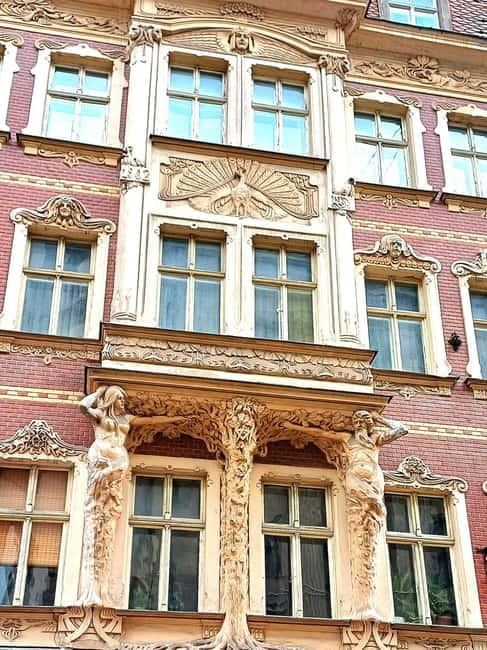
- Art Nouveau symbol hunting: you’re guided to spot and then pick your favorite among 7 Riga symbols tied to the architecture.
- Learn Art Nouveau vs Art Deco in plain terms: you’ll come away able to point out the visual differences, not just name the styles.
- A century-hopping route: you pass markers of German, Swedish, Polish, Imperial, Soviet, and Latvian Freedom themes.
- A finish with a panoramic view: you end where the city opens up, so everything you saw starts to click.
Starting in Old Riga: Dzenis Amber to 13th-Century Vecrīga
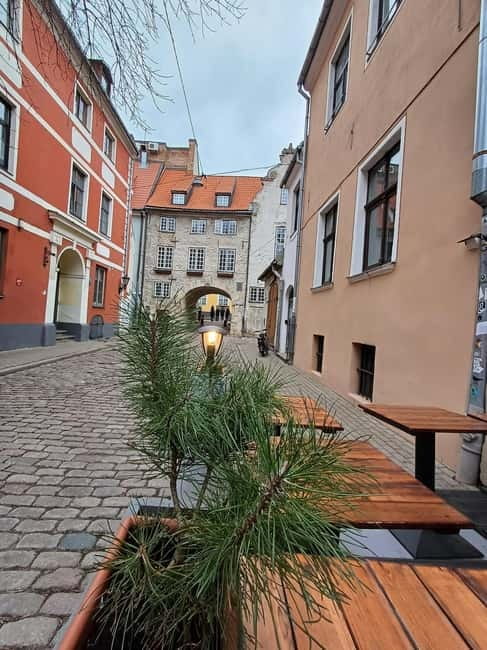
The tour begins at Dzenis Amber, which is a nice cue for how Riga often gets experienced here: culture you can see up close, plus craft you can recognize immediately. From that first step, you move into narrow, cobbled streets and the kind of public spaces where the past feels walkable.
This is where I think the value shows. Instead of treating Old Town as one long generic stroll, the guide frames what you’re looking at—Hanseatic city vibes, medieval layout, and the UNESCO-protected feeling of a place that’s still structured the way it was planned centuries ago.
You can also read our reviews of more tours and experiences in Riga.

Freedom Monument photo stop: why this square matters
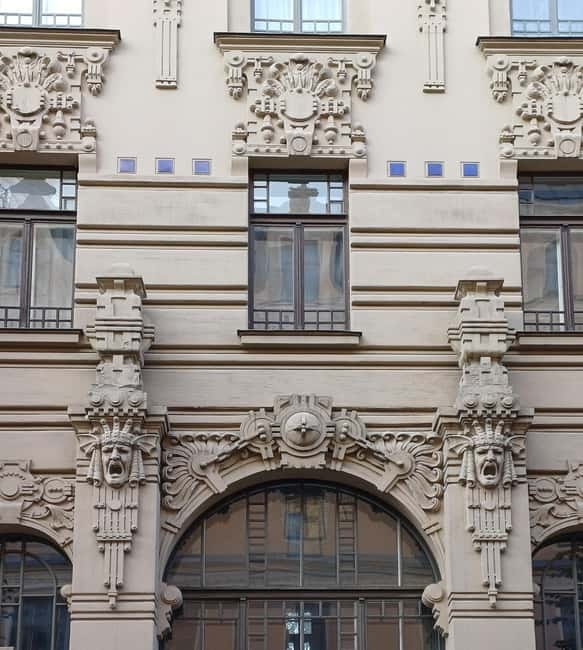
A big first landmark is the Freedom Monument in Riga, with a dedicated photo stop (about an hour). This isn’t just a photo moment. The Freedom Monument is one of those places that helps you understand Riga’s identity in a single glance, because it connects the city’s street life to Latvia’s bigger story of independence and resilience.
It also sets the tone for the rest of the walk. Once you’ve seen where Latvian Freedom is centered in the city, the later architecture cues—especially Soviet-era contrasts—make more sense.
Practical tip: bring your camera ready, but also take a second to look beyond the monument itself. The surrounding streets and sightlines teach you how the city frames its meaning in public space.
Vecrīga guided walk: Hanseatic squares, towers, and the “silent” feeling
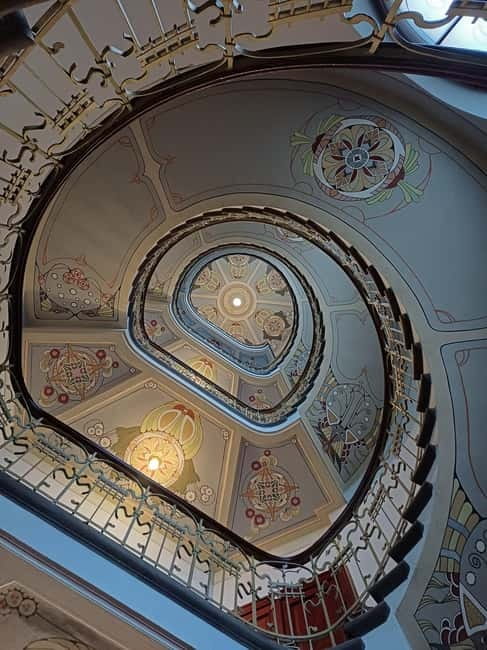
Next you’re into Old Town proper for a guided tour and walk (about an hour). This is where you get the classic Vecrīga experience: main squares, old street corners, and tall silhouettes that make the medieval city feel compact and atmospheric.
The tour approach works because it’s compact—13th-century to 21st-century signals in one run. You’re not asked to memorize dates. Instead, you’re taught what to notice: how different eras left witnesses in the city’s fabric, including German, Swedish, Polish, Imperial, and Soviet influences.
One drawback worth noting: Old Town streets are narrow and cobbled. If you’re sensitive to uneven ground, go slow, take your time on turns, and don’t try to “power walk” your photos.
Luxobaltic SIA area: the 21st-century pivot point
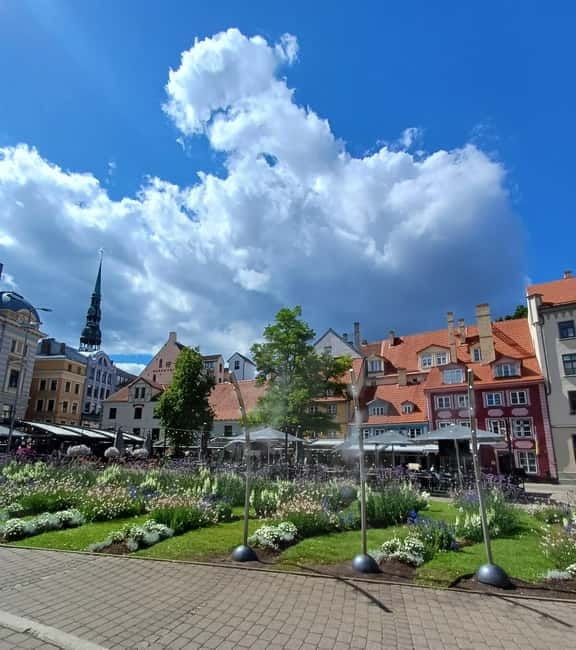
After Old Town, you head toward Luxobaltic, SIA for another walk segment (about an hour). This part of the experience helps you avoid a common Riga mistake: treating Art Nouveau and Old Town like separate worlds.
Riga’s story is layered. You can feel that shift physically as you transition from medieval streets into zones that feel more economic and industrial—then forward toward modern city life. Even without any big museum stop, the pacing nudges you to see architecture as a timeline you’re walking through.
If you’re the type who likes context, this is where it helps that the guide keeps tying buildings and details to Riga’s changing role—from local fortress/city planning ideas to a more industrial and then European Union-facing metropolis.
Art Nouveau quarter with Nelli Saraceno: symbols you can actually find
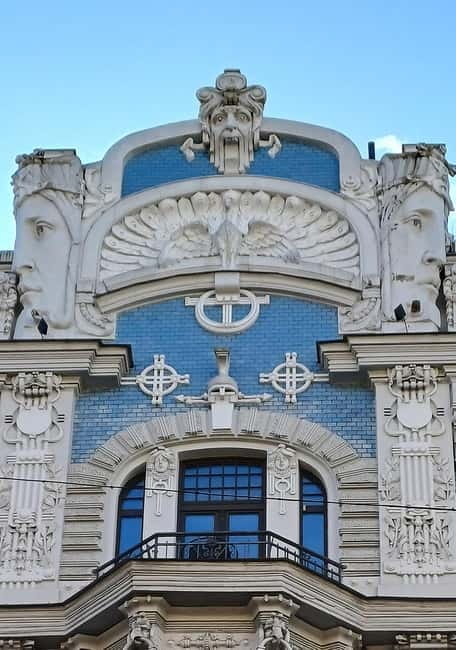
The tour’s heart is the Art Nouveau quarter, and the way it’s taught is what makes it different. You’re not just told that Riga has Jugendstil. You learn how to read it.
A key promise here is symbol spotting: you’ll look for 7 simbols of Riga and choose your own favorite. That sounds simple, but it changes the whole experience. Instead of staring at façades and guessing what you’re seeing, you get a guided “search mission” mindset. By the time you leave, you’ll know the difference between decorative clutter and purposeful storytelling embedded in the stone and metalwork.
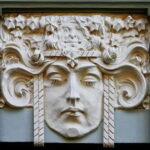
Reviews also highlight how Nelli Saraceno explains the meaning of symbols on Art Nouveau buildings, and you can feel why this matters. Art Nouveau details are often small and easy to miss at a glance, especially on streets that move quickly. A guide who points your eye in the right direction makes you feel like the city is giving you a cheat code.





The Albert, Antony, and Miss Jones storyline: history as a game
One of the tour highlights mentions a specific narrative thread: you’ll find the place where Albert meets with Antony who lost Miss Jones. This isn’t historical scholarship you’ll quote in a paper. It’s a storytelling device, and it helps you remember what you see.
That kind of playful thread works well when your route spans centuries. You’re bouncing between medieval squares, independence-era meaning, and architectural styles that can look similar if you’re not trained to see differences. A human story keeps the stops from feeling like disconnected photos.
Art Nouveau vs Art Deco: the difference you’ll be able to spot
You also get a direct learning goal: understanding the differences between Art Nouveau and Art Deco. The best part is that you’re not learning it as a theory lesson. You’re learning it while looking at buildings, ornaments, and façades in real space.
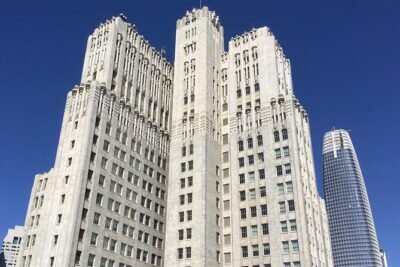
In practical terms, Art Nouveau is usually recognized by flowing, organic lines and detailed, nature-like motifs, while Art Deco tends to look more geometric and streamlined, often with stronger symmetry and stylized forms. By the time you hit the end of the walk, the guide’s explanations help you connect those general style traits to what you’re seeing around Riga.
This is the kind of knowledge that lasts. A week later, you’ll still remember which details signal which style—because you trained your eye on the street.
Choosing your favorite stop: how to get more out of 3 hours
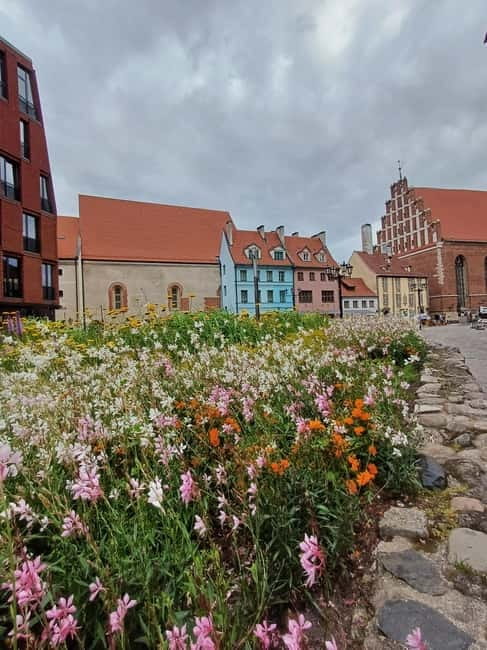
The tour is only 3 hours, and that’s both a strength and a constraint. It’s strong because it keeps the day from expanding into “all afternoon walking.” It’s a constraint because your personal preferences matter more.
Here’s how I’d recommend you play it: commit to choosing one stop as your favorite and treat the rest as supporting scenes. If symbol searching and façades make you happy, you’ll likely pick something from the Art Nouveau quarter. If you love city identity and public memory, you might pick the Freedom Monument segment.
Also, it helps that the group stays small—limited to 10 participants. In a small group, your questions aren’t swallowed by noise, and your guide can guide attention rather than just reciting facts at the crowd.
Finishing at Radisson Blu Latvija: panoramic view moment
The tour ends at Radisson Blu Latvija Conference & Spa Hotel, Riga, with a finish that includes a panoramic view. This is a smart ending move. After hours of close-up details—symbols, façades, towers—you need one wider sightline to pull it all together.
Panoramas also do a practical job: they help you understand where the Old Town sits in relation to newer city structure. Even if you don’t memorize a map, you leave with a mental layout. That makes it easier to plan what to do next: where to wander on your own, and which directions feel worth your time.
In other words, you leave with both the close-up lesson and the big-picture context.
Price and group value: is $35 reasonable for what you get?
At $35 per person for a 3-hour guided walk, you’re paying for three things: interpretation, pacing, and a route that hits multiple eras without requiring extra planning.
Where it becomes good value is the guide component. You’re not just walking; you’re learning what to notice—especially with the Art Nouveau symbols and the Art Nouveau vs Art Deco comparison. The small group size (up to 10) adds another layer of value because it supports better attention during a detail-heavy architecture tour.
The “smiles” and “surprise” line might sound light, but it fits the overall experience style: this tour is meant to feel welcoming, not like a lecture in a winter coat.
Who this tour suits best (and who should skip)
This tour is ideal if you want Riga in a bite-sized format with real architectural focus. It’s especially good for people who like street-level learning: you’re not relying on signs alone, and you’re not left with guesswork.
It also seems friendly to families in practice. One review notes that the route and storytelling can work for an 11-year-old, helped by explanations adapted for a child.
Skip it if you want lots of indoor time, deep museum-style reading, or a slow, long itinerary. This is a walking, eyes-on-streets tour.
Should you book Big Riga: Old Town & Art Nouveau quarter?
Book it if you want a guided route that turns architecture into something you can recognize, not just something you photograph. You’ll get UNESCO Old Town vibes, the Freedom Monument meaning, and a symbol-led Art Nouveau experience taught by Nelli Saraceno, ending with a panoramic view to tie it together.
Don’t book it if your top priority is museums or long stops. This is best for people who like motion, detail, and a guide helping them see what they’d otherwise miss.
FAQ
How long is the Big Riga tour?
The tour lasts 3 hours.
How much does it cost per person?
It costs $35 per person.
Where do I meet the guide?
Meet at a small metallic Christmas tree on Town Hall Square (Ratslaukums), close to the left corner of the House of Blackheads.
Where does the tour end?
The tour finishes at Radisson Blu Latvija Conference & Spa Hotel, Riga.
What languages are the live guide tours offered in?
The live tour guide speaks Italian, Russian, and English.
How big is the group?
It’s a small group with a maximum of 10 participants.
What is included in the tour price?
The tour includes a local guide, smiles, and a surprise.
Is the tour wheelchair accessible?
Yes, the tour is wheelchair accessible.
Can I cancel and get a full refund?
Yes. There is free cancellation up to 24 hours in advance for a full refund.