REVIEW · PUEBLA STATE
Puebla Architecture Walking Tour
Book on GetYourGuide →Operated by Tip Tours & DMC · Bookable on GetYourGuide
Puebla rewards slow looking, and this short tour forces you to pay attention. I love the combo of Catedral de Puebla and the Rosario Chapel, both packed with sculptural detail that’s easier to notice when someone guides you through it. I also like that the walk mixes big landmarks with smaller downtown pockets like Sapos alley and the Parian market. One heads-up: it’s still a 3-hour walking route, so you’ll want comfortable shoes and a calm pace.
You’ll start at the main square and work your way through the historic center, learning why Puebla was once named a Human Heritage City by UNESCO. The cathedral takes over 300 years to complete, and the tour keeps the focus on what you can actually see—especially the gilded look, the towering facade, and the cultural heritage inside.
At $59 per person, this is a value play because the guide and entrance fees are included. You’ll also get a fun twist: you complete a Puebla city crossword puzzle using facts you pick up as you go. Price-wise, it makes sense if you’d otherwise pay entry tickets separately or you want context fast.
In This Review
- Key things that make this Puebla architecture tour worth your time
- A smart way to see Puebla architecture in just 3 hours
- Starting at Puebla’s main square: your orientation shortcut
- The Catedral de Puebla: highest towers and 300 years of building work
- Rosario Chapel: gilded stucco and the Mexican Baroque wow factor
- Puebla’s “candy street,” artist neighborhoods, and Sapos alley
- Parian handcraft market: a smart souvenir stop on the route
- The Puebla city crossword puzzle: learning that sticks
- Price and value: what $59 gets you in real terms
- Who this tour fits best (and who should pick something else)
- Should you book the Puebla Architecture Walking Tour?
- FAQ
- Where is the meeting point for the Puebla Architecture Walking Tour?
- How long is the tour?
- What languages are available for the live guide?
- What’s included in the ticket price, and what’s not?
- Is the tour wheelchair accessible, and is it private?
- How far in advance should I reserve, and what about cancellation?
Key things that make this Puebla architecture tour worth your time
- Catedral de Puebla on a 300-year timeline so you understand what you’re looking at, not just where to stand
- Rosario Chapel in gilded Mexican Baroque with a reputation that stretches beyond Puebla
- Downtown details you’d miss alone, like Sapos alley and artist neighborhoods
- Parian handcraft market stop for a practical browse that fits the route
- Crossword puzzle learning style that turns facts into something you remember
- Private group format with a guide in Spanish or English
A smart way to see Puebla architecture in just 3 hours
If you have a day in Puebla and want the quick hit—without rushing through everything—this tour is built for that. The route is compact, but it doesn’t feel like a checklist. You start in a central square, then move through the biggest draw: Puebla’s cathedral, known for its very tall towers on the continent.
From there, you go deeper into the story of Puebla’s religious and decorative art at the Rosario Chapel. After that, the tour turns outward. You’ll spend time on the city’s famous “candy street,” then head to places where you get a more human scale view of everyday Puebla: artist neighborhoods, Sapos alley, and the Parian handcraft market.
I like this structure because it matches how you actually absorb a city. Big landmark first for orientation. Then smaller lanes and market life so the architecture stops being theory and starts being your surroundings.
Starting at Puebla’s main square: your orientation shortcut
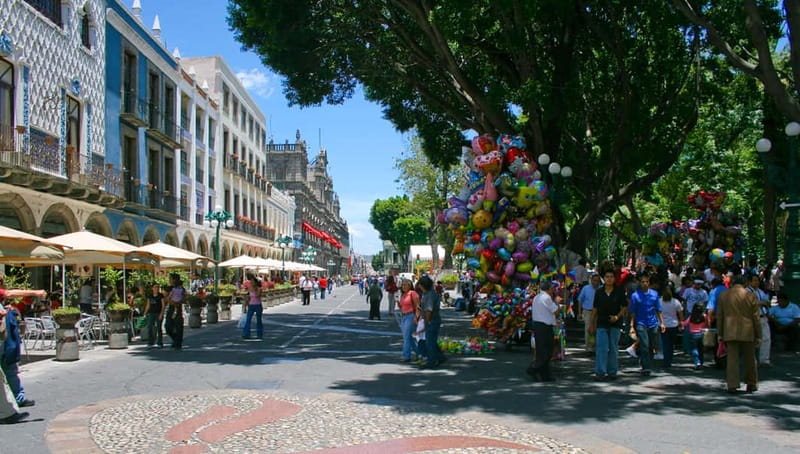
The tour begins at the main square and continues toward the cathedral. That opening matters more than it sounds. Puebla’s historic center is visual chaos in the best way—churches, facades, narrow streets, and color everywhere. Starting from a known anchor helps you learn where things sit relative to each other, so the walking later feels logical instead of random.
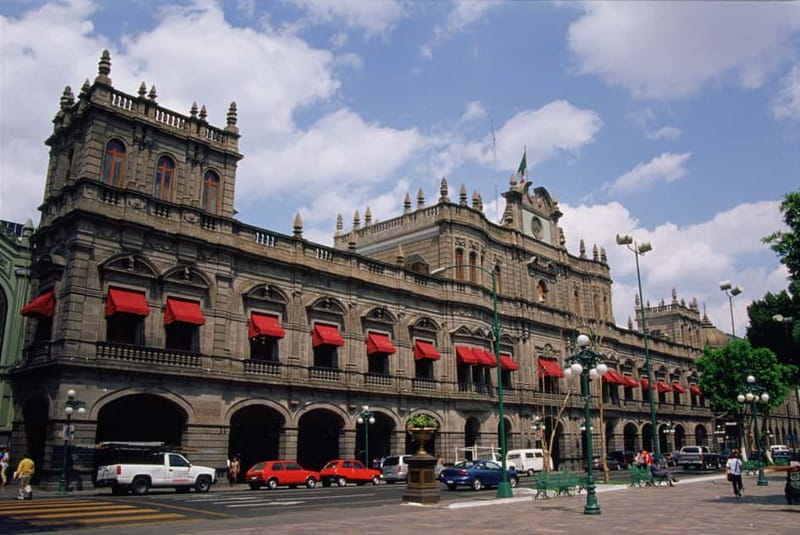
Even before you reach the cathedral interior, the guide’s job is to help you notice patterns. Puebla’s buildings show different architectural styles and techniques across a large historic area, and the tour is built around that idea. You’re also working with a tour catalogue that includes over 5,000 buildings, which hints at how much the guide can pull from the city’s urban “source material” while you walk.
Practical tip: before you start, take 30 seconds to decide which side of the street you’ll favor for photos. You’ll naturally catch better angles as you continue.
The Catedral de Puebla: highest towers and 300 years of building work
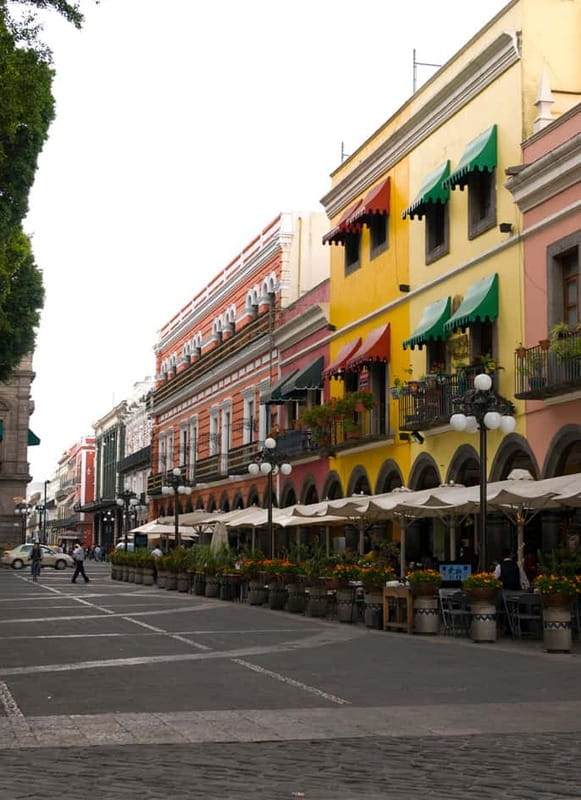
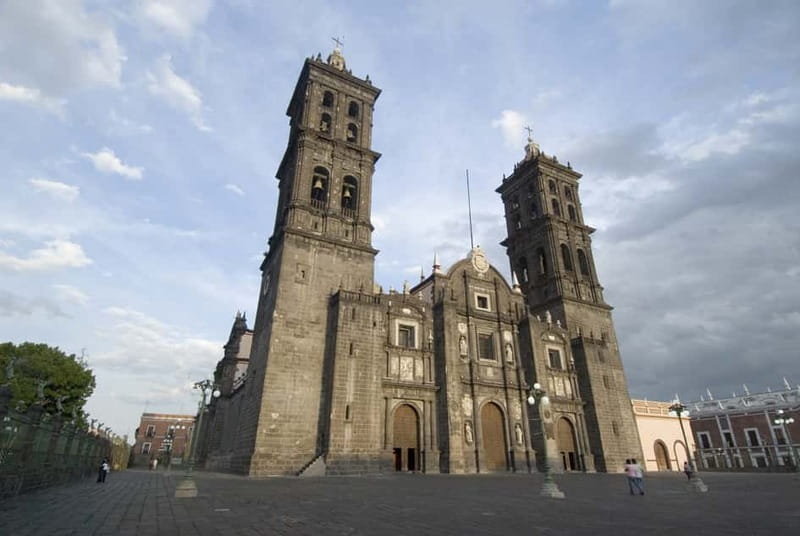
The cathedral is the centerpiece, and the tour gives you a clear reason why. The Catedral de Puebla took over 300 years to complete, which means what you see isn’t a single moment in time. It’s the result of long-term planning, changing tastes, and slow workmanship.
The cathedral is also known for the highest towers on the continent, and you’ll have time to register their presence as you move toward and around the building. That’s important because towers are not just decoration here—they shape the way the city feels. Even if you’re not an architecture nerd, tall towers make a skyline, and Puebla’s skyline is part of the emotional experience.
Inside, the focus shifts to cultural heritage: the temple is recognized for immense sculptural and pictorial heritage. In plain terms, you’re not just walking into a big room. You’re stepping into a space where decoration carries meaning, and your guide helps connect what you see to why it exists.
What to watch for: don’t try to photograph everything. Instead, pick one or two spots and let them be your “home base” during the stop. If you’re scanning nonstop, you’ll miss the details your guide points out.
Rosario Chapel: gilded stucco and the Mexican Baroque wow factor
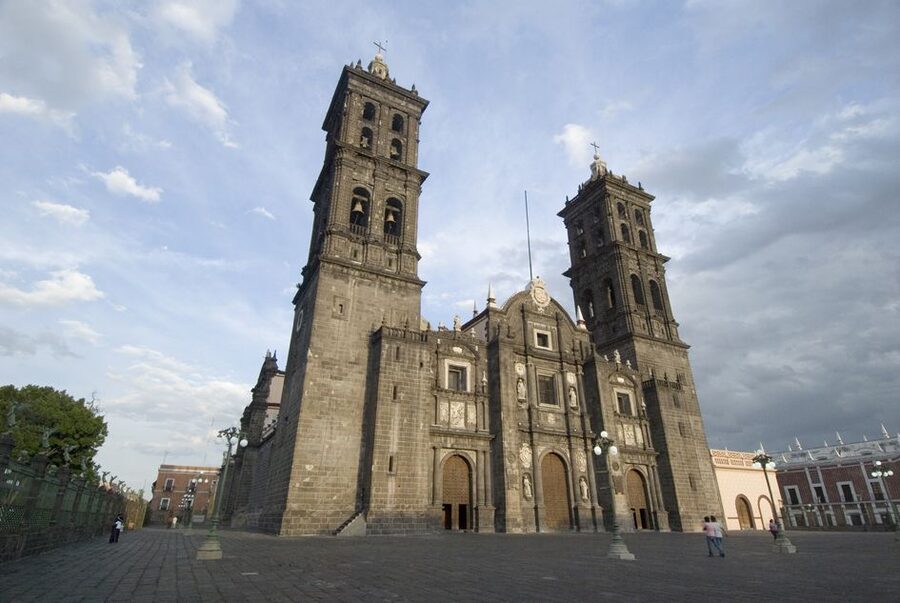
Next comes the Rosario Chapel, and it’s a different flavor from the cathedral. This is where the tour leans hard into Mexican Baroque, with gilded stucco that gives you that glowing effect as the light hits surfaces.
The chapel is described as a stunning example of Mexican Baroque architecture, and it was once regarded as the 8th Wonder of the World. That doesn’t mean you should treat it like a theme-park attraction. It means the level of craft was big enough to earn major-world comparisons, and the guide will help you understand what makes it that way.
Why I think this stop works for most people: religious architecture can be either overwhelming or flat. In this chapel, you get a visual system—surface, shape, ornament—and the guide translates it into something you can read. You start noticing how repeated details create rhythm. You also start seeing why the decoration isn’t random. It supports the overall experience of awe and focus.
Consideration: if you prefer quiet spaces over guided explanation, this stop might feel intense. It’s not bad—just high-detail and high-attention. If you’re the type who likes to stop and stare for a while, ask the guide for a minute where you can look without talking over you.
Puebla’s “candy street,” artist neighborhoods, and Sapos alley
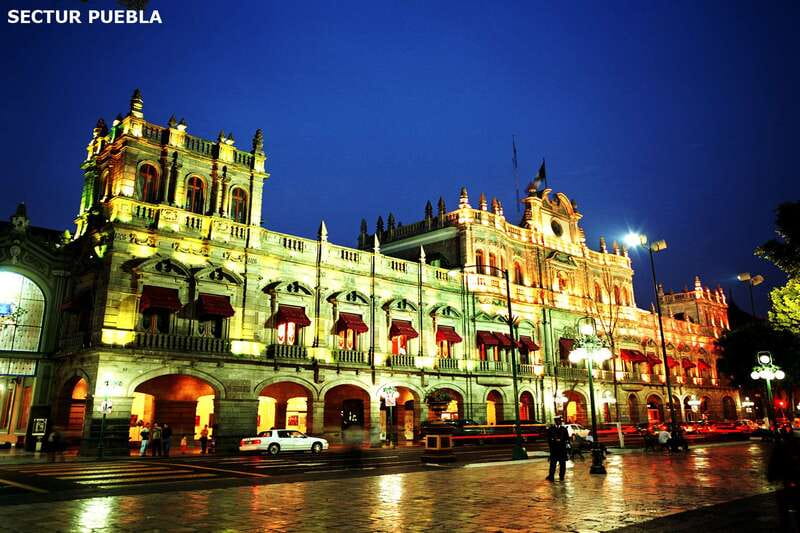
After the cathedral and Rosario Chapel, the tour becomes more street-level, and that’s where Puebla gets personal.
You’ll visit the famous “candy street,” which is exactly what it sounds like: a place tied to sweets and colorful storefront energy. It’s a fun contrast to the stone-and-gilded atmosphere of the churches. You’re switching modes—from sacred architecture to everyday city life.
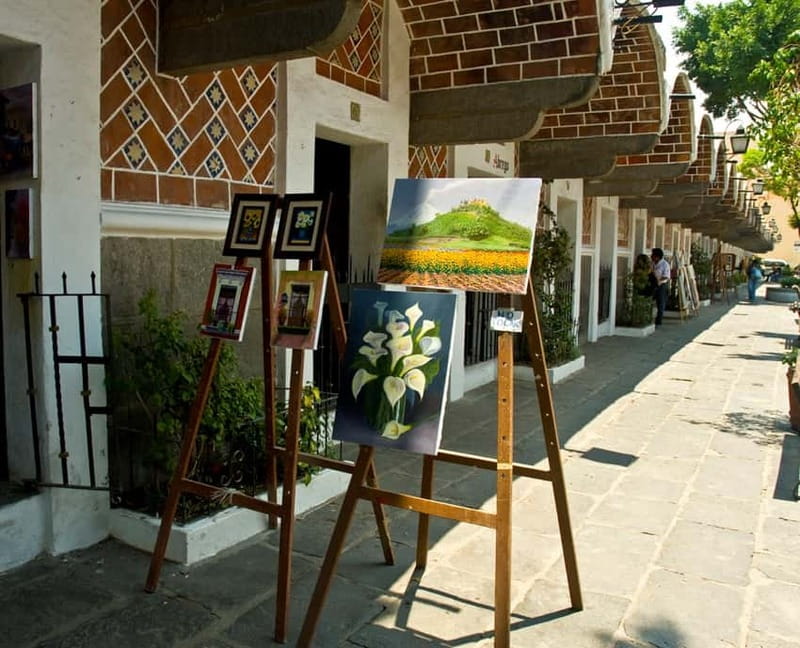
Then you move into artist neighborhoods. The value here is simple: architecture doesn’t live only on major monuments. In Puebla, it shows up in workshops, local craftsmanship, and the way neighborhoods hold creative energy. The guide helps you connect those spaces back to the city’s broader building culture.
One of my favorite parts of tours like this is the lane nobody thinks to search for. Here, that lane is Sapos alley (Calle de los Sapos). Even without going deep into symbolism not provided here, a quirky narrow alley is a great way to slow down. You’re forced to move closer, look down, and notice small details that big streets hide.
If you’re traveling with someone who only wants “the famous stuff,” this section is a win because it’s still famous—just in a more local way than the cathedral. It also makes the walk feel less like moving between monuments and more like actually walking Puebla.
Parian handcraft market: a smart souvenir stop on the route
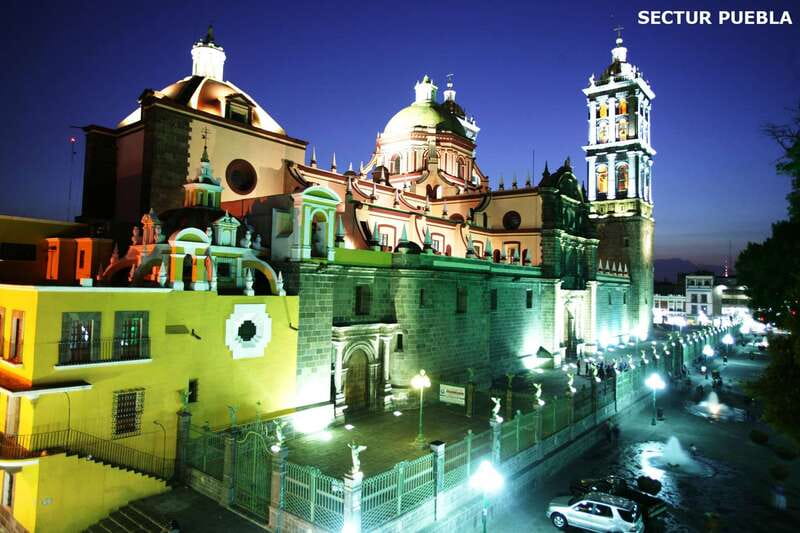
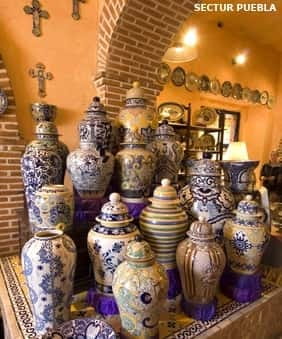
The Parian handcraft market is the final kind of stop: not another church, not another viewpoint, but a place built for browsing. The tour includes this market stop as part of the downtown route, so you get a chance to pick up something small without breaking your timeline.
Why this matters: many walking tours end with a landmark and send you wandering. This one plans a practical endpoint where you can compare items, ask questions, and decide what feels worth carrying home.
A simple strategy: set a rough budget before you arrive. Markets can be tempting, and a focused souvenir decision keeps you from turning the last 20 minutes into a stressful scramble.
The Puebla city crossword puzzle: learning that sticks

This tour has a clever learning tool: you’ll complete a Puebla city crossword puzzle using information you learn during the walk.
I like this because it fixes a common walking-tour problem. You hear facts, nod politely, then forget them by dinner. A puzzle forces recall while things are still fresh. It also gives you a reason to pay attention to small points the guide is making, not just the big ones.
And it’s not just schoolwork. It adds a game-like pace to walking through architecture. Instead of thinking, OK, we’re seeing yet another facade, you’re working toward answers.
One more benefit: it helps you travel at your own speed. You can look, read the guide’s cues, and then shift your attention to filling in blanks. If you’re the kind of person who learns best by doing, this format helps.
Price and value: what $59 gets you in real terms
At $59 per person for a 3-hour guided walking tour, the value is tied to two things that are explicitly included: the guide and entrance fees.
That matters because cathedral and chapel entrances aren’t always cheap, and you don’t want to add ticket costs on top of a tour price and then feel like you overpaid. Here, entrance fees are covered, so the “all-in” experience is easier to judge.
Also, the tour is private group. Private doesn’t automatically mean expensive; it usually means you get more direct attention and a better chance to ask questions without feeling rushed by other groups. The reviews also highlight strong communication and willingness to answer questions, including guides named Ronnie and Guadalupe.
One consideration: the tour does not include transportation from your hotel to the starting point. So you’ll want to plan how you’ll get to the meeting area on Av. Juan de Palafox y Mendoza 14, Portal Hidalgo.
Who this tour fits best (and who should pick something else)
This is a strong choice if you:
- want an efficient architecture overview in a short window
- like both big monuments and smaller city lanes
- enjoy structured learning (the crossword puzzle helps)
- want a guide in Spanish or English
It might not be ideal if you:
- want hours of free time for independent wandering without stops
- expect a very long, ultra-deep museum-style session
- need hotel-to-tour transport handled for you
That said, the route hits the most important architectural experiences in a manageable time frame, and the street-level stops help keep it from feeling like all churches, all the time.
Should you book the Puebla Architecture Walking Tour?
I’d book it if you’re spending limited time in Puebla and want more than surface sightseeing. The mix of Catedral de Puebla, the gilded Rosario Chapel, and then the streets—candy street, artist areas, Sapos alley, and the Parian market—creates a complete feeling of the city rather than a set of isolated photos.
Book it with confidence if you’re okay walking for three hours and you’re ready to pay attention. Skip it only if you want a slower pace, or you’re counting on the tour to handle getting you from your hotel.
If you want a one-day win that helps Puebla’s architecture make sense quickly, this one is built for that.
FAQ
Where is the meeting point for the Puebla Architecture Walking Tour?
Meet at Av. Juan de Palafox y Mendoza 14, Portal Hidalgo. At the visitor’s center, look for the Tip Tours & DMC booth.
How long is the tour?
The tour lasts 3 hours.
What languages are available for the live guide?
The live guide is available in Spanish and English.
What’s included in the ticket price, and what’s not?
Included: the guide and entrance fees to the visited sites. Not included: transportation from your hotel to the tour starting point, and insurance.
Is the tour wheelchair accessible, and is it private?
Yes. The tour is wheelchair accessible and it runs as a private group.
How far in advance should I reserve, and what about cancellation?
Reservations must be made at least 24 hours before the tour date. Free cancellation is available up to 24 hours in advance for a full refund.