REVIEW · NEW YORK CITY
Holdouts: A NYC Architecture Walking Tour
Book on Viator →Operated by Manhattan Unlocked Historical and Architectural Walking Tours · Bookable on Viator
Midtown hides its backstory in plain sight. This walking tour threads together the Midtown streets most people speed past, using architecture holdouts—buildings that survived long after the big redevelopment plan—to explain why today’s skyline looks the way it does. You’ll hear how developers, landlords, and even everyday property deals shaped what rises (and what doesn’t).
What I really like is the small group size (max 5), which makes it easy to ask questions and get answers on the spot. I also like the way the guide ties building details to bigger city ideas like air rights, privately owned public spaces, and why some structures get stuck in limbo when leases and redevelopment timelines collide—plus a good sense of humor along the way.
One thing to consider: the tour can feel fast, especially near the start when the guide sets context. There’s also limited time for photos and lingering at certain corners, so bring your patience (and your best “I’ll snap this while walking” mindset).
In This Review
- Key things you’ll notice on this Holdouts walk
- The route: Midtown’s “almost redeveloped” feeling, block by block
- Setting context at the TPR Holdings lobby: where holdouts start to make sense
- Wollensky’s Grill: an old factory life in a very upscale neighborhood
- Amster Yard and Sparks Steak House: private space, tricky boundaries, and a darker story
- 42nd Street holdout: one survivor where you expect more change
- Grand Central Terminal interlude: not a holdout, but the perfect comparison
- Brooks Brothers and Terminal City remnants: tiny clues of a much older travel world
- Fifth Avenue diamonds and Rockefeller Center holdouts: power, money, and negotiating space
- Papillon Bistro & Bar: the hold-in ending that feels like time travel
- Is the $59 price fair? What you get for your money
- Who should book this Holdouts tour (and who might want a different style)
- Final call: should you book Holdouts in Midtown?
- FAQ
- How much does Holdouts: A NYC Architecture Walking Tour cost?
- How long is the tour?
- Where do I meet and where does the tour end?
- What group size should I expect?
- Is the tour in English?
- Do I need to buy tickets for the stops?
- What should I wear?
- What if weather is bad?
- What’s the cancellation window?
Key things you’ll notice on this Holdouts walk
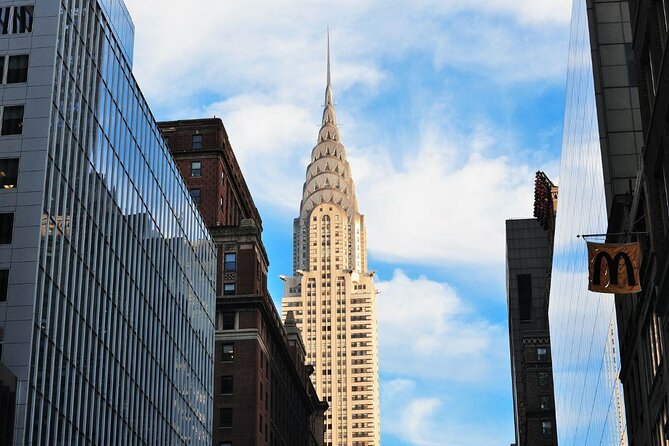
- Small group (up to 5) keeps the pace lively and the questions focused
- Holdout buildings turn Midtown into a real puzzle you can read at street level
- Air-rights and public-space stories help you understand why some areas feel different than you expect
- A route that moves west to uptown, so you see how one idea repeats across blocks
- A mix of architecture + street-level lore, including construction quirks and crime-linked history
- Comfortable-shoes requirement matters because you’re walking through the city, not waiting in a museum
The route: Midtown’s “almost redeveloped” feeling, block by block
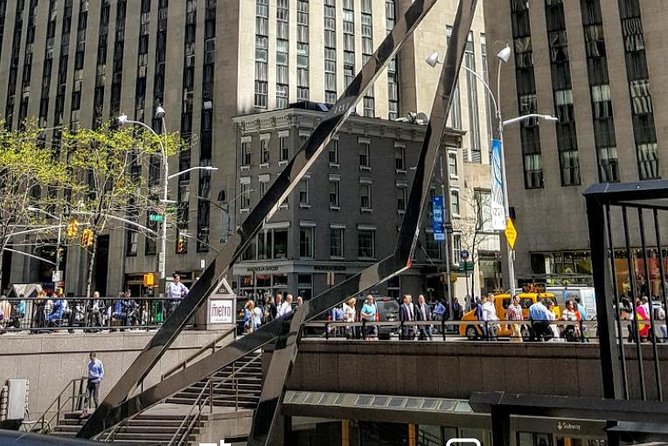
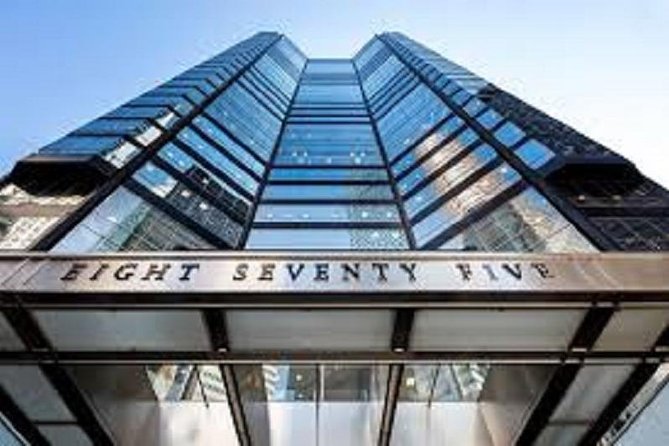
This is a 2 to 3 hour walking tour priced at $59 per person, and it’s designed for getting your bearings quickly. You meet at 875 3rd Ave and finish at 22 E 54th St at Papillon (spelled Papillon in the end point details). Expect short stops—mostly 5 to 10 minutes at each location—so the experience moves like Midtown itself: quick turns, sharp angles, and sudden reveals.
The tour stays in central Manhattan where you can easily connect to subway lines. The day-to-day practicality matters here: you’ll be on your feet, outside, and walking between stops rather than sitting for long stretches. The operator notes a moderate physical fitness level and recommends comfortable shoes—listen to that. You’ll enjoy it more when your legs aren’t arguing with your schedule.
Because the group is capped at 5, you don’t get that detached “museum tour” vibe. You can point out something you noticed—an unusual setback, a strange façade, a courtyard-like pocket—and get an explanation tied to the holdout theme rather than a generic comment.
You can also read our reviews of more tours and experiences in New York City.



Setting context at the TPR Holdings lobby: where holdouts start to make sense
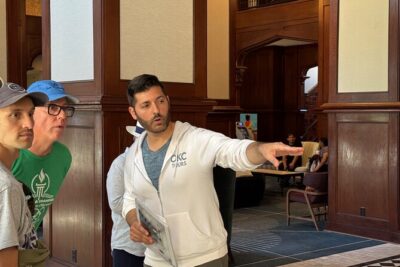
You begin in the lower lobby of TPR Holdings, and the choice is smart. Before you chase architecture “gotchas” on the sidewalk, you get the groundwork: what a holdout is, why it matters, and how a single stubborn building can shape an entire redevelopment plan around it. The tour framing focuses on how development plans often assume every lot will clear—until one doesn’t.
This stop also uses the building itself as a lesson. The guide points out the idea of an ego building, then connects it to a construction quirk described in the tour materials: the main pillar supports aren’t tucked into the corners but placed in the middle of a side. Even if you don’t know structural engineering, you start noticing how design decisions create constraints—and how those constraints ripple outward to the streetscape.
There’s an all-important trade-off here. Because this is the foundation stop, some time is spent on context at the beginning. Based on what past participants said, that early part can feel a bit heavy or rushed for people who want more photos or slower pacing immediately. If you’re the type who likes to photograph first and ask questions later, you’ll want to loosen your expectations and focus on learning the patterns; the best photo moments usually come right after the tour “teaches you how to see.”
Wollensky’s Grill: an old factory life in a very upscale neighborhood
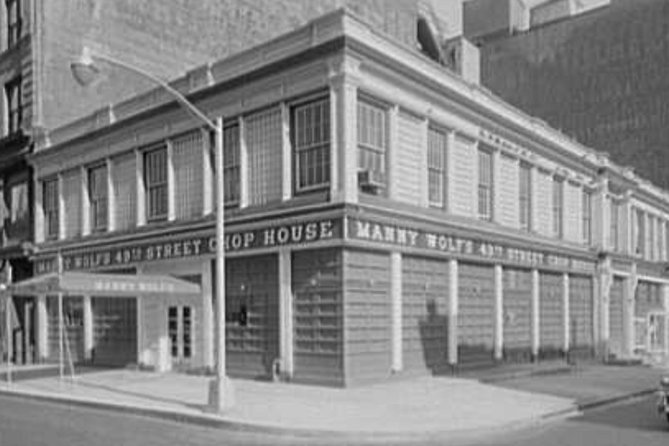
Next comes Wollensky’s Grill, described as the site of an old buggy whip factory that became an in-town holdout. This is one of the reasons I like this kind of tour: it doesn’t treat architecture as a trophy case. It shows you the city’s earlier “jobs” for the space, then lets you compare that with what the neighborhood became later.
A factory-to-restaurant transformation is a classic New York move. You get the same location story—people used to use it for production and commerce, then the area matured and the building’s purpose shifted. The holdout angle adds extra spice: the building didn’t just survive because it was charming; it survived because property and development don’t always move in lockstep.
For you, the value is in how you’ll start noticing other buildings that feel “out of place” at first glance. Once you understand that holdouts can be the physical residue of negotiations, lease terms, and development timing, you’ll read Midtown differently. Instead of asking what the building looks like, you’ll ask what made it stay.
Amster Yard and Sparks Steak House: private space, tricky boundaries, and a darker story
You’ll pass through Amster Yard if it’s open when your tour reaches it. When it is accessible, the stop is framed as an oasis—“a time capsule where histories clash” and where the city meets the suburbs in a much earlier version. The practical point: you’re stepping into a moment that feels less like a generic plaza and more like a pocket you’d miss on your own. That’s the whole holdout concept in miniature: small survivals that interrupt the straight line of redevelopment.
Then you move to Sparks Steak House, positioned next door to a holdout and linked to the notorious site of a mob hit mentioned in the tour description. This pairing—architecture survival and crime-linked lore—isn’t there to shock you. It’s there to show how the city layers meaning. A street corner can carry multiple timelines at once: building history, business history, and the human stories that stuck to the location.
As you walk, the guide also points out the “views along the way” and talks about how holdouts influenced what you see today. One benefit of doing this with a guide is that you get the chain reaction explained. The buildings aren’t isolated. They’re connected to the blocks around them, and that’s where the city’s patterns become obvious.
42nd Street holdout: one survivor where you expect more change
Later, you hit 42nd Street, described as ending the downtown portion of the walk at a place where a single holdout survived history. That phrase matters. It’s easy to assume Midtown changes were gradual and even—but the holdout concept makes the process look more like a stop-and-start series of wins, losses, and negotiations.
This stop is short, so don’t treat it like a long photo break. Think of it as a pivot point: you’re being asked to shift your mental model from “old buildings” to “survival mechanics.” Why did one building make it through when others didn’t? What does its placement imply about surrounding development?
If you like walking tours that teach you how to interpret what’s in front of you, this moment is the payoff of earlier lessons. You should start seeing holdouts as clues—like visible footnotes that explain why certain streets feel slightly “off” compared to the rest of the plan.





Grand Central Terminal interlude: not a holdout, but the perfect comparison
Then the route brings you through Grand Central Terminal. It’s specifically noted as not being tied to the holdout theme, but you still get a mini-tour possible while it’s under construction at the time of writing.
Even without the holdout label, Grand Central is a useful comparison point. It helps you understand how Manhattan’s big landmarks are also shaped by how space gets controlled, how functions are planned, and how city movement concentrates around major nodes. This is especially helpful if you’re learning about development logic for the first time: you can compare what’s preserved, what’s reconstructed, and what gets absorbed into a larger transportation story.
In practical terms, this stop is your reminder to look up and look around. Midtown isn’t only about the street walls; it’s about the geometry of movement—where people funnel, where buildings frame views, and how that affects the feel of the blocks you walk next.
Brooks Brothers and Terminal City remnants: tiny clues of a much older travel world
As you head deeper into uptown territory, you pass Brooks Brothers, a historic New York institution with a holdout as a neighbor. That’s a good reminder that holdouts aren’t always “unknown oddities.” Sometimes they sit right beside major brands and institutions, quietly altering the shape of what comes next.
You also get a look at a “crystal shard-iceberg mashup” described from the side at this stage of the walk, and you pass by the sole survivor of Terminal City—a time when Grand Central linked to three hotels for cross-country travelers before air travel dominated. This is one of those details that makes you slow down for a second, because it puts the modern skyline into a travel timeline.
The value for you is mental, not just visual. You start to see how New York keeps redeveloping around older infrastructure and older needs. When you understand that, the holdout theme stops being abstract. It becomes a way to track the city’s transitions: travel eras change, transportation patterns change, and real estate decisions follow—except when one stubborn building doesn’t.
Fifth Avenue diamonds and Rockefeller Center holdouts: power, money, and negotiating space
A notable “worth noting” block detail is included in the tour material: $440 million in diamonds traded daily, with diamond sculptures flanking an entrance just north as you cross Fifth Avenue. Even if you don’t know anything about the diamond district, this kind of stop tells you why buildings and street edges matter. Money doesn’t just change what businesses open—it changes how entrances get framed, how frontage is used, and what gets protected or preserved.
Then comes Rockefeller Center, where the tour description emphasizes rich history and interesting holdouts. This matters because Rockefeller Center is often thought of as a unified vision—yet the holdout lens reminds you it still had exceptions and negotiations, just like anywhere else. You’re not seeing a single “planned” Manhattan moment; you’re seeing a built environment that had to accommodate real-world property realities.
If you’ve ever wondered why some corners feel tight or why certain street lines seem to bend around older structures, this is where those questions find answers. Holdouts show up not as random clutter, but as the city’s negotiated leftovers.
Papillon Bistro & Bar: the hold-in ending that feels like time travel
The tour ends at Papillon Bistro & Bar, described as one of the most compelling holdout examples—and even more, a “hold-in.” This final stop is the kind of story I enjoy because it’s active. The restaurant proprietor negotiated additional square footage to expand into a future skyscraper. That means you can enter the skyscraper today and stand within the walls of a 19th-century brownstone.
This is where the theme turns from theory into something you can literally walk into. Instead of thinking about holdouts as leftovers, you experience them as layered space—older walls inside newer development. For many people, it’s the emotional finish line of the tour: you don’t just learn how negotiations shaped Midtown; you see how those negotiations create a physical, usable structure.
There’s no guarantee on every stop’s visibility, but the end point is the emotional payoff. It gives you a place to look at what a holdout story can become: not just a preserved relic, but part of the city’s ongoing life.
Is the $59 price fair? What you get for your money
At $59 per person for a 2 to 3 hour walk, the value is in three spots:
1) You’re paying for interpretation, not just scenery. Holdouts only matter if someone explains the why behind the building quirks and street patterns. The guide’s approach—linking architecture, planning, and the practical rules of NYC development—turns random Midtown blocks into a coherent lesson.
2) You’re paying for a small-group experience (max 5). That increases your odds of getting answers instead of listening passively.
3) You’re paying for time-efficient walking. The route is built to hit several architectural stories without wasting your day.
If you prefer tours that stop often for long viewpoints and long photo sessions, you might wish for more “hang time.” But if you want a smart, story-driven Midtown walk that makes you notice details for days afterward, $59 feels pretty reasonable.
Who should book this Holdouts tour (and who might want a different style)
Book it if you like:
- Urban planning topics like air rights and privately owned public spaces
- Architecture that’s still visible at street level (not only behind ropes)
- Fast, guided walking where you learn patterns, then apply them while you explore later
- A guide who brings humor and real stories to the street
Consider skipping if you:
- Need lots of time to take photos and ask long questions at each stop
- Want a relaxed, slow stroll with frequent seating
- Are expecting a classic “major landmark only” route
One practical fit note: comfortable shoes matter, and a moderate fitness level is required. Service animals are allowed, and it’s near public transportation, so you can plan it without making your whole day a logistics puzzle.
Final call: should you book Holdouts in Midtown?
I’d book this tour if you want to understand Midtown’s logic, not just admire it. The holdout theme is more than trivia—it teaches you how New York grows around what won’t move, and it changes how you’ll read the skyline after the walk. The biggest watch-out is pacing early on and limited time for photos, but if you’re there to learn and look closely, that trade feels worth it.
If you’re pairing this with other Midtown sights, I’d schedule it early enough that you can apply the “holdout lens” while you keep exploring the neighborhood afterward.
FAQ
How much does Holdouts: A NYC Architecture Walking Tour cost?
It costs $59 per person.
How long is the tour?
The tour runs about 2 to 3 hours.
Where do I meet and where does the tour end?
You meet at 875 3rd Ave, New York, NY 10022, and you end at 22 E 54th St, New York, NY 10022 (Papillion Restaurant).
What group size should I expect?
The tour has a maximum of 5 travelers.
Is the tour in English?
Yes, it’s offered in English.
Do I need to buy tickets for the stops?
The stop descriptions indicate admission tickets are free for the locations visited.
What should I wear?
Wear comfortable shoes, since it’s a walking tour.
What if weather is bad?
This tour requires good weather. If it’s canceled due to poor weather, you’ll be offered a different date or a full refund.
What’s the cancellation window?
You can cancel for a full refund if you cancel up to 24 hours in advance of the experience’s start time. Less than 24 hours before the start time isn’t refunded.