REVIEW · DAR ES SALAAM
Dar es Salaam History and Architectural Tours
Book on Viator →Operated by Dar es Salaam Architectural and Historical city Tours. · Bookable on Viator
Dar es Salaam tells stories through buildings and street life. This private tour strings together architecture, faith, and everyday markets with a guide who makes the timeline feel real. I especially love how the stops jump from St. Joseph’s Cathedral to the woodcarvers and fish market, all in one smooth day with Bernard at the helm.
The biggest tradeoff is simple: it’s a long, mostly in-town route in warm weather, so plan for heat and walking even if you’re getting bottled water along the way. If you’re sensitive to sun and crowds at markets, you’ll want a smart pace and good shoes.
In This Review
- Key points worth planning for
- Dar es Salaam architecture isn’t just pretty walls
- The cathedral that connects faiths: St. Joseph’s Cathedral area
- Azania Front Lutheran Church and the surprise of Bavarian design
- Village Museum: living conditions, not just museum displays
- Mwenge Woodcarvers Market: ebony art with real texture
- Kivukoni Fish Market: local economy you can see and smell
- National Museum of Tanzania: five museums under one roof
- Kariakoo Market: where the city’s commerce stretches for blocks
- Mlimani City Mall: modern Dar es Salaam after the streets
- Tingatinga Arts Cooperative Society: color, masonite, and takeaway art
- Price and value: what $150 buys in a 7-hour private day
- Timing, pacing, and how to prepare
- Who this tour is best for (and who should tweak expectations)
- Should you book the Dar es Salaam History and Architectural Tours?
- FAQ
- How long is the Dar es Salaam History and Architectural Tours?
- What time does the tour start?
- Is pickup included?
- Is this a private tour?
- What tickets are included?
- What is included in the price?
- What is not included?
- Can you arrange alcohol or bars after the tour?
- Is free cancellation available?
- Is the tour suitable for most people?
Key points worth planning for
- St. Joseph’s Cathedral’s layered site history: built in 1903 on the same spot as Dar es Salaam’s first mosque
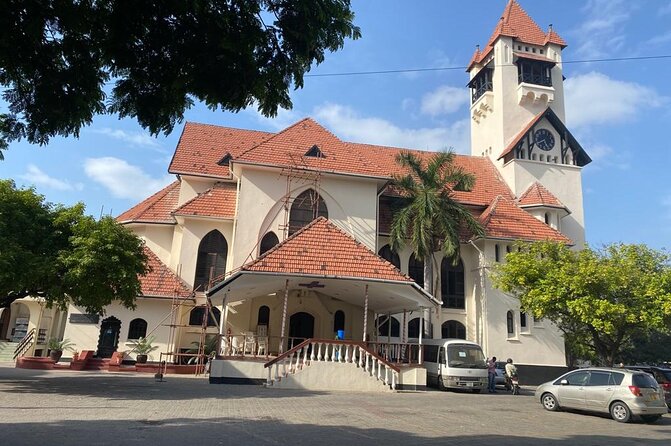
- Azania Front Lutheran Church’s Bavarian look: palm-lined and inspired by churches in Latin America and India
- Village Museum as a hands-on culture reset with traditional homes and how people lived
- Mwenge Woodcarvers Market and ebony carvings: statues, masks, and chests you can browse up close
- Kariakoo and Kivukoni side by side: commerce and local food culture in real-world settings
- Tingatinga art stop that’s easy to take home since the paintings are made on masonite
Dar es Salaam architecture isn’t just pretty walls
If you only look at Dar es Salaam from the roadside, you’ll miss how the city grew—religiously, economically, and artistically. This tour is built around that idea: stop by stop, you see how different communities shaped the city’s look, from early religious sites to modern shopping and popular art.
You also get a guide who talks like someone who cares. Bernard’s focus is not just on what you’re seeing, but what it meant to the people who built it and worked around it. That’s why the day feels like a guided story, not a checklist.
And the day is practical. You have private transportation, a set route, bottled water, and a lunch included—so you’re not spending your energy figuring things out.
You can also read our reviews of more tours and experiences in Dar es Salaam.
The cathedral that connects faiths: St. Joseph’s Cathedral area
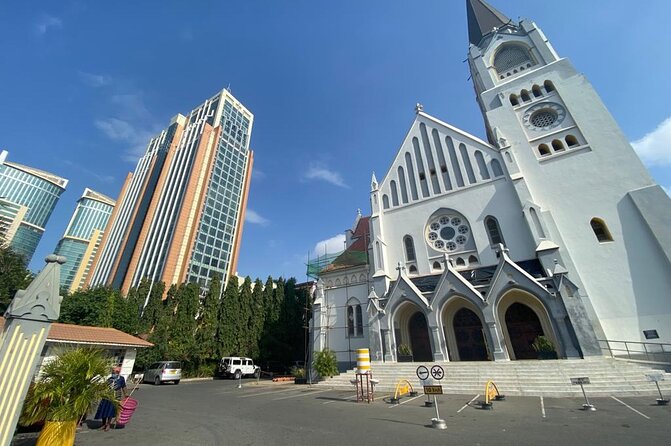
Your first stop sets a dramatic tone. St. Joseph’s Cathedral of the Archdiocese of Dar es Salaam (the St. Joseph catholic cathedral) was built in 1903, and it sits on the same spot as the city’s first mosque. That single detail turns the building into a conversation about how places change over time.
You get about 30 minutes here, plus an admission ticket included. In that short window, I’d treat it like a “first orientation” stop. Look for how the structure holds its own in a busy city, and listen for how Bernard explains the timeline—how one site can reflect shifting communities and power across generations.
What to watch for: if you’re photographing, keep it respectful. Religious buildings are active places, and you’ll get more out of the visit by slowing down.
Azania Front Lutheran Church and the surprise of Bavarian design
Next comes Azania Front Lutheran Chruch, a church with a very distinctive look. Think Bavarian style, surrounded by palm trees, with design inspiration that reaches beyond Tanzania—something influenced by churches in Latin America and India.
You’ll spend about 30 minutes here with an admission ticket included. This isn’t a stop meant to be rushed. The value is in noticing the blend: how a church can feel tied to one geographic design language while still living comfortably in Dar es Salaam’s setting.
Why this stop matters: architecture travels. Even when the materials and climate are local, the design ideas can come from far away. Bernard’s storytelling helps you connect the dots without turning it into a history lecture.
Village Museum: living conditions, not just museum displays
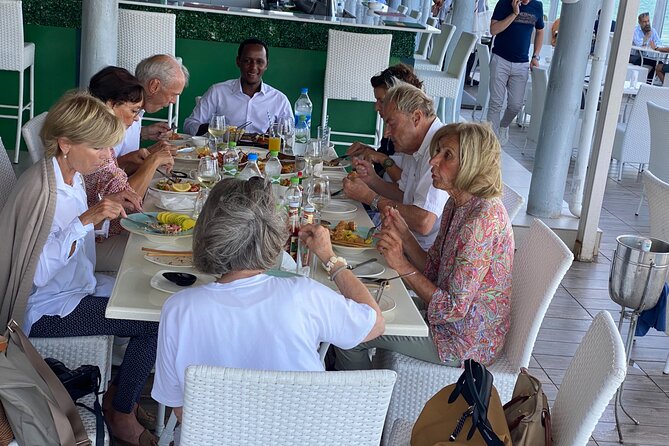
If the religious stops sharpen your eye, the Village Museum gives you a more grounded understanding of daily life. This is a hands-on museum that showcases traditional homes and living conditions of a number of tribes from Tanzania.
Plan on about 1 hour, and the admission ticket is included. A hands-on place works best when you treat it like a guided “what would it feel like” exercise. You’ll get a clearer sense of how space, materials, and household routines shaped people’s lives—long before you start talking about modern city development.
Possible drawback: museum energy can feel slower than markets. If you like action and shopping more than learning, you might want to bring extra curiosity rather than expecting constant movement.
Mwenge Woodcarvers Market: ebony art with real texture

Then the day turns creative. Mwenge Woodcarvers Market is in the heart of Dar es Salaam, and it’s easy to see why people come back here. You’ll find statues, masks, and chests, carved in strong black wood—ebony.
You’ll have about 1 hour here, with an admission ticket included. This stop is great if you want art that you can understand with your eyes and fingertips. Even if you don’t buy, you can spend time comparing carving styles, details, and how different pieces are finished.
Value for your money: this is one of those practical culture stops. If you want a Tanzania souvenir that isn’t mass-produced, carved wood art is a solid choice. And because it’s a market, you get the chance to look closely, ask questions, and see what’s currently available.
Kivukoni Fish Market: local economy you can see and smell

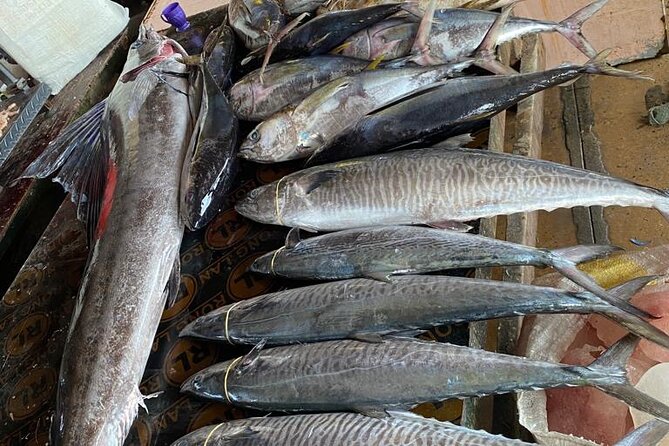
From art to food culture. Kivukoni Fish Market is famous for being lively, a central part of Dar es Salaam’s fishing industry and economic life. Expect to see a wide variety of freshly caught seafood, and you’ll have time to explore how the market runs.
You get about 30 minutes here with an admission ticket included. The best way to enjoy this stop is with realistic expectations. This is not a museum gallery. It’s a working market, so smells, sounds, and movement are part of the deal.
Tip: if you’re planning to sample seafood dishes (this tour’s description includes tasting opportunities), go small and keep your water nearby. You already have bottled water on the route, which helps a lot in the heat.
National Museum of Tanzania: five museums under one roof
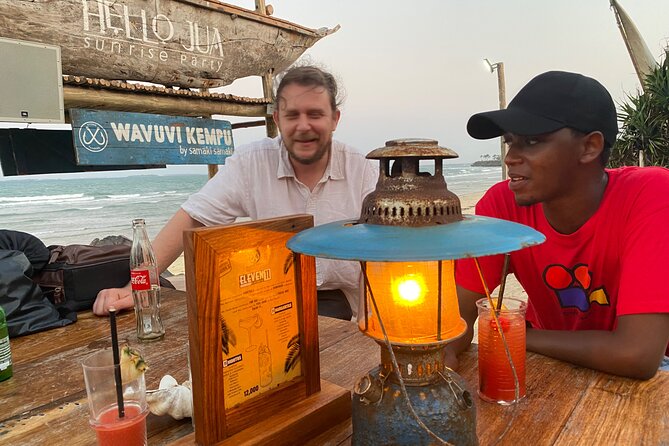
Next is a brain-friendly change of pace. The National Museum of Tanzania is a consortium of five Tanzanian museums, designed to preserve and show exhibits about the country’s history and natural environment.
You’ll spend about 1 hour, and the admission ticket is included. Even in one hour, you can get a lot because the museum concept is broad. You’ll likely move between themes—helpful if you want context for what you saw earlier in homes, religion, and markets.
Why it’s a smart mid-day anchor: after outdoor stops, a museum helps your mind reset. It also gives you a bigger Tanzania frame, so the local stories from Dar es Salaam feel connected instead of random.
Kariakoo Market: where the city’s commerce stretches for blocks
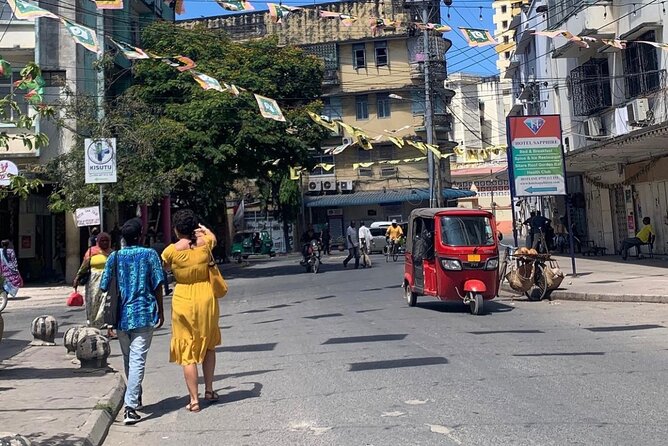
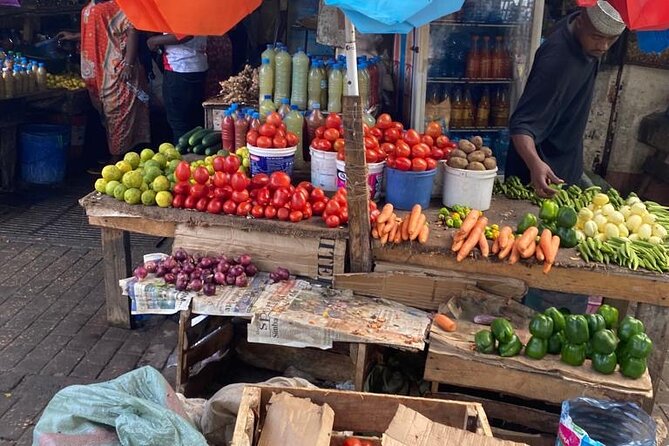
By the time you reach Kariakoo, you’re seeing Dar es Salaam’s “daily life infrastructure.” Kariakoo is known for wide-ranging markets that extend over many city blocks and contribute significantly to the city’s overall market activity.
You’ll have about 1 hour here with an admission ticket included. This is a great stop for getting your bearings about how people shop, trade, and move goods. It’s also where you’ll see how food, clothing, and everyday supplies connect into one system.
Consideration: markets can be visually intense. Keep your focus on what’s around you rather than trying to photograph everything. If you’re shopping, set a budget early so you don’t get swept up mid-walk.
Mlimani City Mall: modern Dar es Salaam after the streets
After Kariakoo’s open-air chaos, Mlimani City Mall gives you a clear contrast. Mlimani City is on Sam Nujoma Road in Ubungo, and it’s one of the largest malls in Tanzania—30,000 m² (about 320,000 sq ft).
You’ll have about 1 hour here, admission included. This isn’t just about shopping. It’s also a chance to see how modern consumer culture looks after you’ve just spent time in traditional markets. You’ll notice how the rhythm of the day changes when you step from street life into a structured indoor layout.
Practical angle: if you need a break from sun or just want air conditioning, this stop can be a lifesaver. Use it for a quick drink, a walk-through, and a reset before the art finale.
Tingatinga Arts Cooperative Society: color, masonite, and takeaway art
The last creative stop is Tingatinga Arts Cooperative Society. Tingatinga paintings are a Tanzanian style developed in the second half of the 20th century. The paintings often use striking colors, and they’re commonly made on masonite, which helps with easy transport.
You’ll have about 30 minutes here with an admission ticket included. This is your chance to connect style to place. Tingatinga isn’t just decoration. It’s part of Tanzania’s visual language and a style that’s become popular with tourists because it travels well.
What I like about this ending: it turns the day from observation into action. Even if you don’t buy, you’ll leave with a clearer sense of how artists package local creativity for the wider world.
Price and value: what $150 buys in a 7-hour private day
At $150 per person for about 7 hours, this tour isn’t trying to be the cheapest way to see Dar es Salaam. The value is in what’s included and what’s avoided.
You get private transportation and pickup offered, which matters in a city where saving time can be worth real money. You also get bottled water, snacks before lunch, and a local lunch included. Admission tickets are included for every stop, so you’re not doing ticket math all day.
Lunch is a special highlight. One review mentioned lunch in Akemi, a revolving restaurant with magnificent views. That’s the kind of add-on that turns a cultural day into a memorable meal, not just fuel between sites.
What you should factor in: alcohol and dinner are not included. The tour specifically notes that if you want bar time after, it can be arranged for around $30 to $50 per person, with an 18+ age limit. Dinner is your call afterward, and the note suggests many good restaurants also sit around $30 to $50.
So the total trip cost depends on your evening plans. If you’d rather keep it simple—lunch included, then dinner on your own—this is a straightforward way to handle the middle of the day.
Timing, pacing, and how to prepare
The tour starts at 9:00 am. That’s smart because you get the main sites done earlier, and you still have time for a relaxed evening after.
The stop timing is also built for attention span: short visits at the cathedral and churches (about 30 minutes each), museum time (around 1 hour at the Village Museum and the National Museum), and market blocks that keep you moving (about 1 hour at Mwenge Woodcarvers Market and Kariakoo, 30 minutes at Kivukoni).
Still, plan for a full-day feel. You’ll be out and about through markets, and Dar es Salaam can run hot—this tour calls that out and includes bottled water to help you cool down. Dress for sun and movement, not for a formal photo shoot. Comfortable shoes will do more for your experience than extra accessories.
If you care about art and you’re buying souvenirs, think about carry space. Wood carvings and masonite paintings can be easy to transport compared to fragile items, but you still want to plan for safe packing for the trip home.
Who this tour is best for (and who should tweak expectations)
This is a good fit if you like a mix of religion + design + daily life. You’ll get a little bit of everything: cathedrals, a Lutheran church with international design influences, a hands-on village exhibit, ebony carvings, fishing market reality, a national museum, and two stops that lean into art and shopping culture.
It’s also a strong choice if you want one guide to stitch it all together. Bernard’s approach is repeatedly described as enthusiastic and friendly, and that matters because you’re dealing with very different places back-to-back.
If you’re the type who only wants quiet galleries, markets and working areas might feel like a loud contrast. You can still enjoy them—just treat them as part of the city’s real rhythm, not as background scenery.
Should you book the Dar es Salaam History and Architectural Tours?
I’d book it if you want an efficient, guided way to understand Dar es Salaam’s evolution—how old religious sites, tribal life, and modern commerce all fit in one day. The price makes more sense when you consider that admission fees, lunch, snacks, bottled water, and private transport are all included.
I’d pass or adjust expectations if you’re heat-sensitive or you dislike busy market environments. The tour includes water, but it can’t change the fact that the route includes Kivukoni Fish Market and Kariakoo Market.
Best decision rule: if you want architecture with context—and you enjoy switching gears between buildings, museums, and markets—this tour fits your style.
FAQ
How long is the Dar es Salaam History and Architectural Tours?
The tour lasts about 7 hours.
What time does the tour start?
The start time is 9:00 am.
Is pickup included?
Pickup is offered.
Is this a private tour?
Yes. It’s private, and only your group participates.
What tickets are included?
Admission tickets are included for all listed stops, and the tour uses a mobile ticket.
What is included in the price?
Included are lunch (local lunch), snacks before lunch, bottled water, private transportation, and all fees and taxes.
What is not included?
Alcoholic beverages and dinner are not included.
Can you arrange alcohol or bars after the tour?
Alcohol can be arranged, and the note says it would require $30 to $50 per person, with an 18+ age limit.
Is free cancellation available?
Yes. You can cancel up to 24 hours in advance for a full refund.
Is the tour suitable for most people?
The tour notes that most travelers can participate, and service animals are allowed. It is also near public transportation.