REVIEW · TBILISI
Brutalist Tbilisi: Urban exploration and untold stories
Book on GetYourGuide →Operated by Friendly.ge: Transfers & Tours · Bookable on GetYourGuide
Concrete tells stories most tours skip. This four-hour experience takes you past the usual balconies and into Tbilisi’s Brutalist and modernist spine, where monuments are also everyday places. I love the car-first format—you cover real neighborhoods without turning your shoes into dust—and I love the way guides like Jonah and Khatuna bring the buildings down to human scale with clear, story-driven explanations.
One thing to consider: this is not a soft, pretty photo tour. You’ll encounter darker or abandoned modernism and viewpoints that may feel exposed, so it’s not ideal if you’re afraid of heights or uncomfortable around decay.
In This Review
- Key things I’d prioritize
- Brutalist Tbilisi: why the concrete feels more personal
- Car-first urban exploring: the comfort that changes the whole experience
- City of Students: where you start to read the city’s student-age logic
- Bagebi Cable Road: a Soviet-era ride with a sense of movement
- The quieter photo-stop moments that connect the big icons
- Nutsubidze Skybridge: suspended living, 1970s confidence, and real views
- Ministry-of-scale architecture: Ministry of Highways and Bank of Georgia
- Street snack break: local bakery time that doesn’t hijack your day
- Chronicle of Georgia: monumental statuary and the view from above
- The darker side: Suicide Bridge and an abandoned modernist museum
- Price and value: what $75 buys you in real terms
- Who this tour fits best (and who should skip)
- Should you book Brutalist Tbilisi? My honest take
- FAQ
- How long is the Brutalist Tbilisi tour?
- Is pickup included?
- What languages is the guide?
- Is lunch included?
- Does the tour involve a lot of walking?
- What sites will we visit?
- Is there a cable car ride during the tour?
- What’s the group style?
- Is it suitable for children or for people with mobility issues?
Key things I’d prioritize
- Car-to-car pace that keeps the day calm and efficient
- Soviet heritage explained through what people actually did in these spaces
- Concrete landmarks with real mood from iconic monuments to haunting corners
- Rare viewpoints and rides, including a cable-car moment from the Soviet era
- Small/private group feel that makes it easier to ask questions
- A snack stop so you taste something local along the way
Brutalist Tbilisi: why the concrete feels more personal
Tbilisi has plenty of charm that shows up on postcards. This tour goes after the other Tbilisi: the city of Soviet-era planning, hard lines, and buildings that were designed to matter. You’ll see monumental forms that look dramatic from afar, but the best part is how the guide connects them to daily life—who worked there, who lived under the shadow of big decisions, and what survived after the ideology changed.
I like that the focus stays practical. You don’t just walk up to a building, take a photo, and move on. You get context fast: why Brutalism landed here, how modernism was meant to signal progress, and what the city made of it once history shifted.
And because you travel by car, you also get something you can’t fake on your own: a smooth sequence of contrasts—bright institutional stone, residential complexes, and eerie leftovers—without losing hours to slow navigation.
You can also read our reviews of more tours and experiences in Tbilisi.

Car-first urban exploring: the comfort that changes the whole experience
You’ll be picked up from your accommodation or another central spot in Tbilisi, depending on your option. The big win is that you’re not stitched to long stretches of pavement. The day is designed for transport in comfort by car, with short stops where it counts.
That matters because the architecture is the point, not the walking. Many Brutalist sites sit in places that aren’t on a straight, tourist-friendly loop. By car, you can actually stitch together a coherent route: you get to compare styles and eras in a single half day, instead of guessing how far apart these landmarks really are.
The group stays small or private, so the guide can adjust pacing if weather turns or if one site needs extra time for photos and explanations. Expect to be out for about four hours, though traffic and weather can stretch it.
City of Students: where you start to read the city’s student-age logic
You’ll begin with the City of Students area, with a photo stop and then a guided visit and tour (about 45 minutes). This is a useful opener because it teaches you how to look at Tbilisi through Soviet-era categories: housing, institutions, and planned community spaces.
I like this start because it sets your mental camera. When you reach later landmarks—sky bridges, monuments, and abandoned structures—you’ll notice repeating design ideas: bold scale, functional geometry, and a sense that the city was built to run like a system.
Practical tip: bring your comfortable shoes even though the tour is car-led. You’ll still do short walks at stops, plus you’ll want footing for photo angles.
Bagebi Cable Road: a Soviet-era ride with a sense of movement
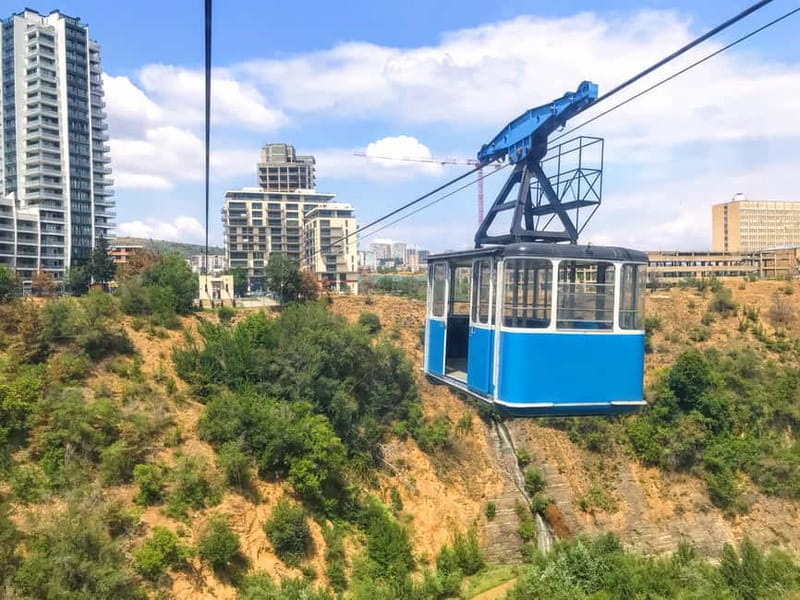
Next is the Bagebi Cable Road stop, including a guided visit and then a cable car ride (around 25 minutes). Even if you only catch a slice of the view from above, the ride changes your relationship to the city. You stop thinking in street blocks and start seeing Tbilisi as a stitched landscape of slopes, corridors, and planned zones.
This is also where the tour leans into Tbilisi’s older technology—the kind of experience you don’t easily recreate on your own timeline. The cable segment becomes a bridge between eras, which makes the Brutalist landmarks you’ll see next feel even more layered.
What you’ll enjoy most: the contrast between modern roads and older infrastructure logic. The city feels like it’s still in conversation with its past.
The quieter photo-stop moments that connect the big icons
Between the major stops, you’ll hit additional photo and guided tour segments (each roughly 25 minutes and again around 45 minutes later in the schedule). Those in-between stops are often where the city shows its seams: transitional spaces, architectural remnants, and the everyday settings that make the monumental parts look less staged.
This is one of the tour’s strengths. If you only visit the headline buildings, you miss how Soviet planning actually functioned—how power, housing, work, and movement were built into one urban system.
Just be ready for a little variation based on weather and traffic. If the day’s light changes, the guide may adjust the sequence of photo opportunities to keep the best angles and access.
Nutsubidze Skybridge: suspended living, 1970s confidence, and real views
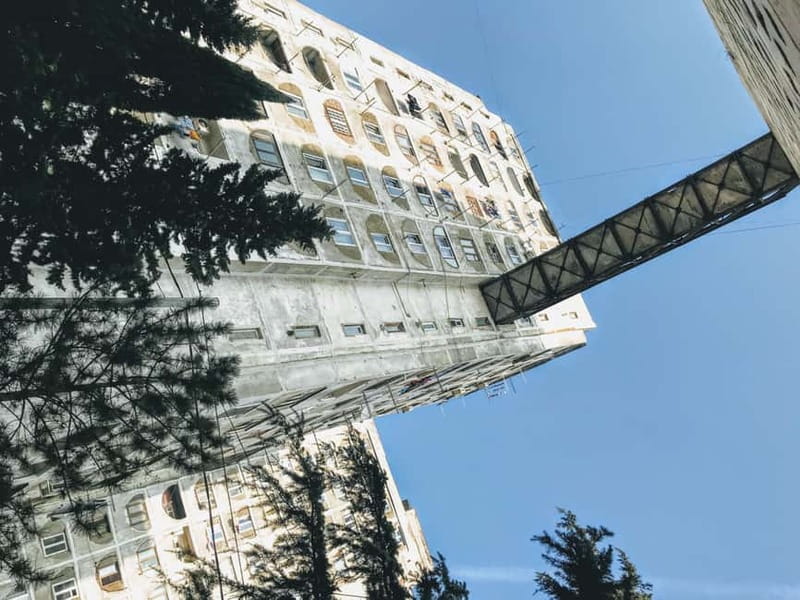
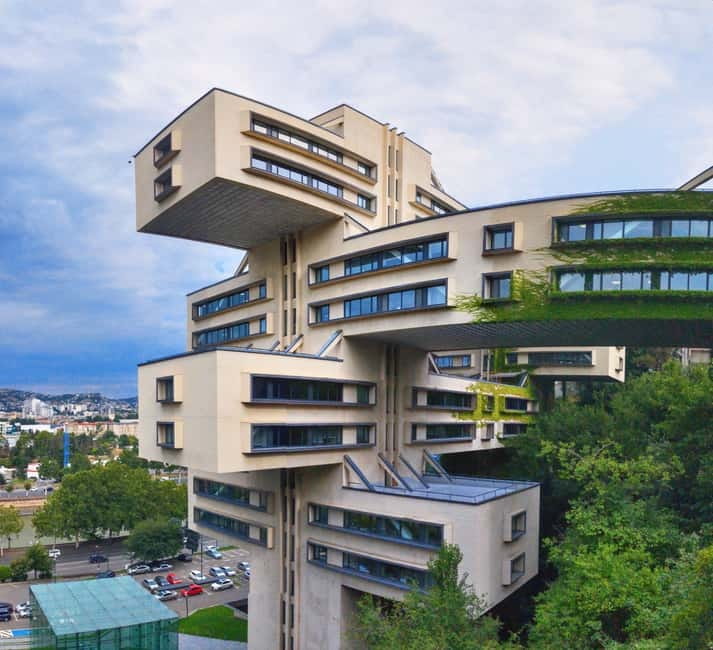
Nutsubidze Skybridge is the standout “wow” stop, with photo time, guided touring, and sightseeing, plus scenic views during the drive over (about 40 minutes total). This is where Brutalism turns practical and cinematic at the same time.
The Nutsubidze residential complex is memorable because it reads like a whole urban plan stacked into one structure—walkways, elevated connections, and a sense of daily life happening in the air. It’s also a reminder that these buildings weren’t only about symbolism. They were meant for living.
A note if you’re height-sensitive: there’s enough elevation and exposed feeling here that the tour isn’t a match for everyone. If you’re afraid of heights, skip this kind of architecture tour unless you’re confident you can stay calm and comfortable.
If you are comfortable with heights, you’ll leave with images you can’t get from the ground—and a new way of understanding Soviet residential design.
Ministry-of-scale architecture: Ministry of Highways and Bank of Georgia
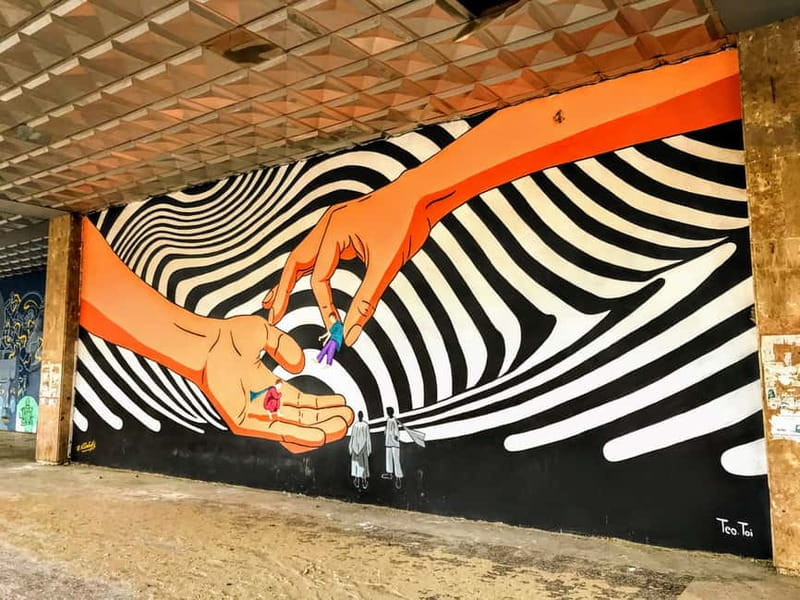
The route includes major institutional architecture such as the Ministry of Highways of the Georgian SSR, and you’ll also visit the Bank of Georgia (about 20 minutes for the guided portion and sightseeing). These stops are about more than form.
When you see Soviet-era monumental buildings in person, you start to understand the point: scale as persuasion, stone as permanence. The guides do their best work here by explaining what the buildings were meant to project—order, strength, and a future that could be organized on paper.
The Bank of Georgia stop adds another layer. You can compare how authority presents itself now versus how it tried to present itself decades earlier. Same urban stage. Different story.
What I love about this section: it’s one thing to admire concrete lines; it’s another to understand what those lines were asked to do politically and socially.
Street snack break: local bakery time that doesn’t hijack your day
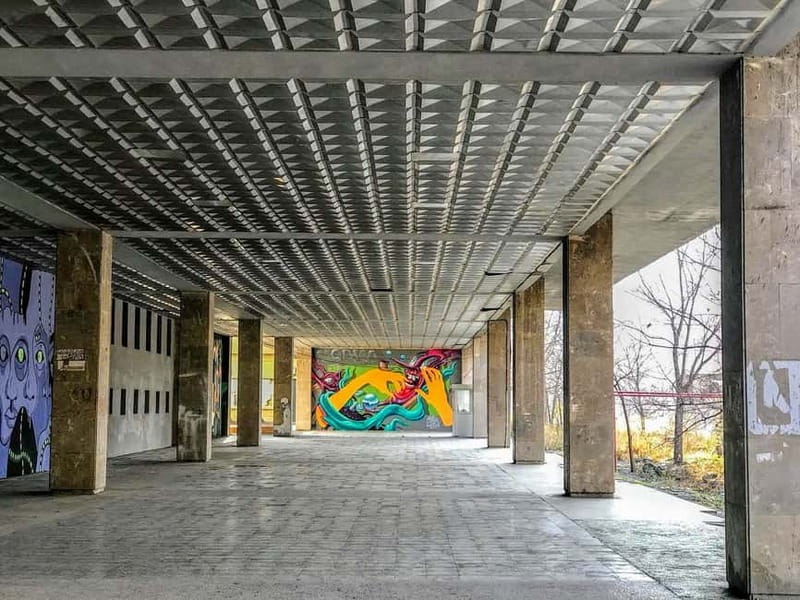
You’ll pause at a local bakery for street food and snacks (about 15 minutes). This is a smart break in a tour with heavy visual content. It also keeps your experience grounded in the present—Tbilisi tastes like Tbilisi, not like a museum.
If you’ve been thinking about Soviet architecture all morning, this stop resets your senses. Even better, the guide often helps you decide what to try so you don’t accidentally stick to only the most tourist-friendly options.
Budget-friendly win: this isn’t lunch, so you’re not overpaying for a full meal inside a short tour window.
Chronicle of Georgia: monumental statuary and the view from above
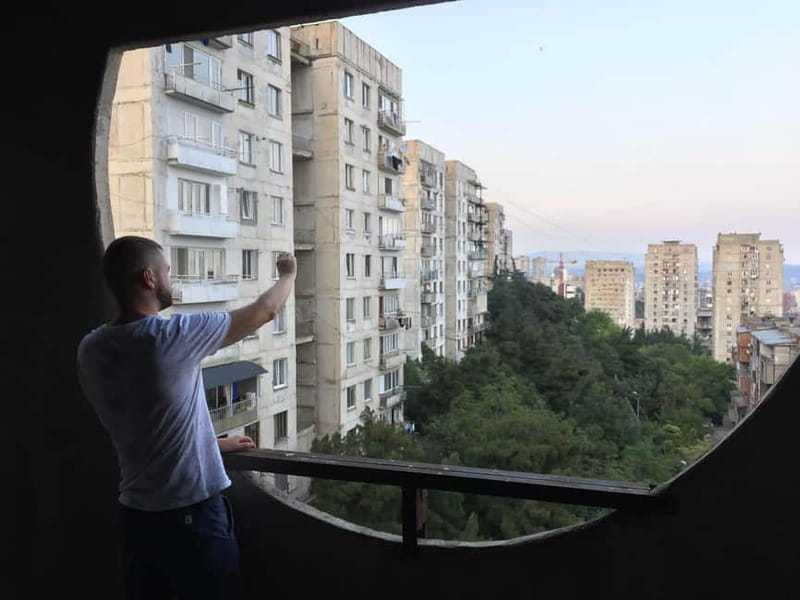
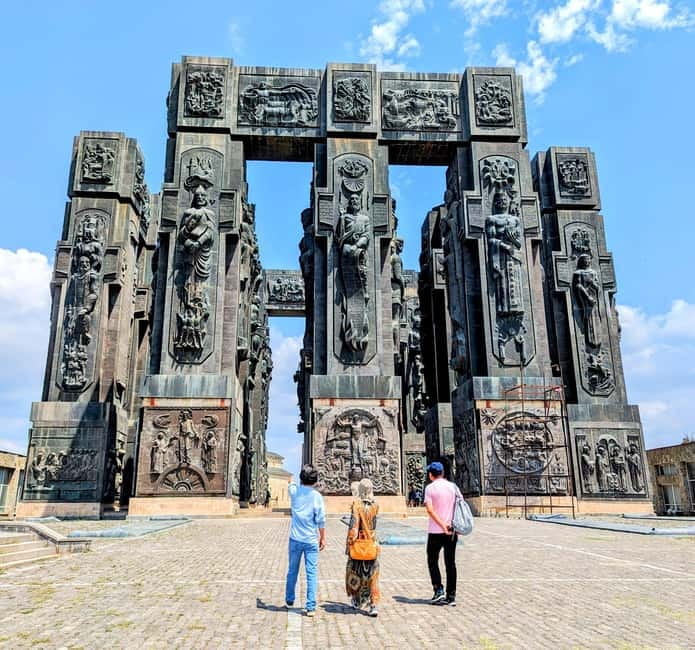
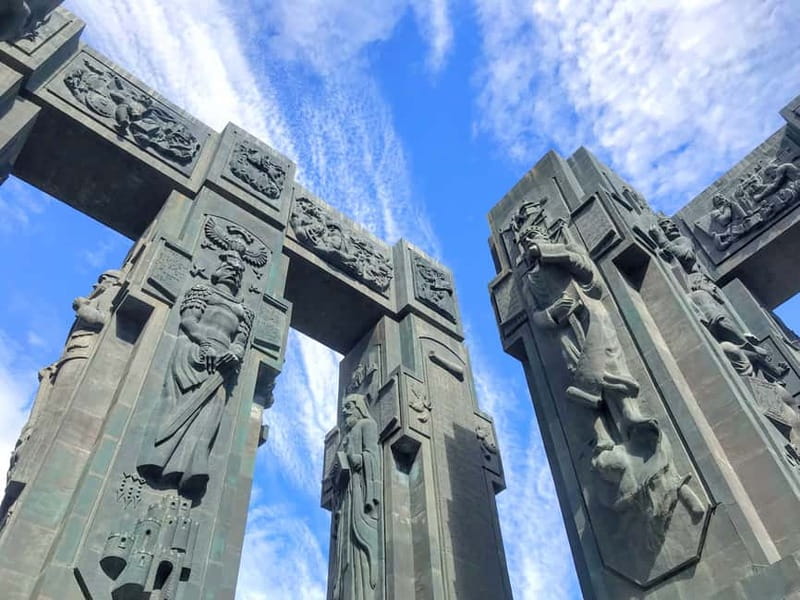
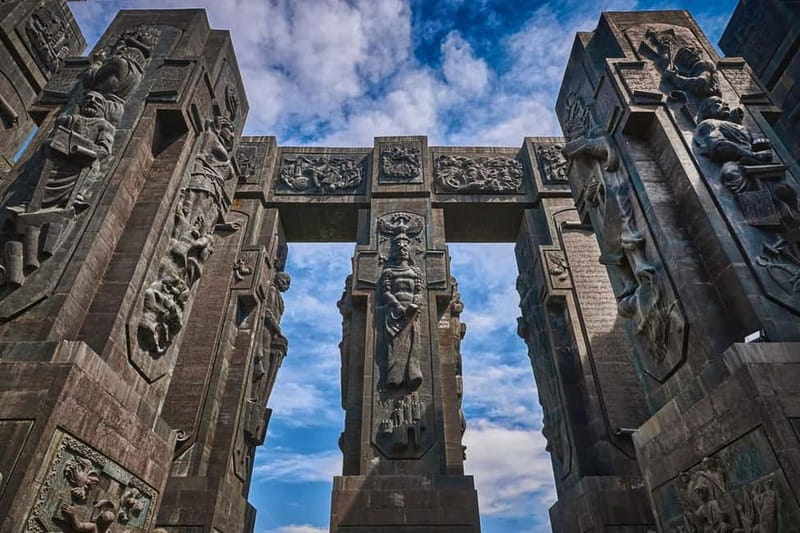
The Chronicle of Georgia, sometimes called the Georgian Stonehenge, is one of the most striking moments of the day. You’ll get a photo stop, a guided tour, then some free time plus time for an aerial-style view (about 45 minutes total).
This stop works because it’s both sculptural and panoramic. You’re looking at monumental stone forms—and then you’re looking outward, connecting the monument to the landscape around it. The guide helps you interpret what you’re seeing, but you still get room to absorb it on your own.
If you love atmosphere: this is a place where the weather matters. Cloud cover can make the statues look harsher; bright light can flatten texture. Either way, you’ll get that “why was this built here?” feeling.
The darker side: Suicide Bridge and an abandoned modernist museum
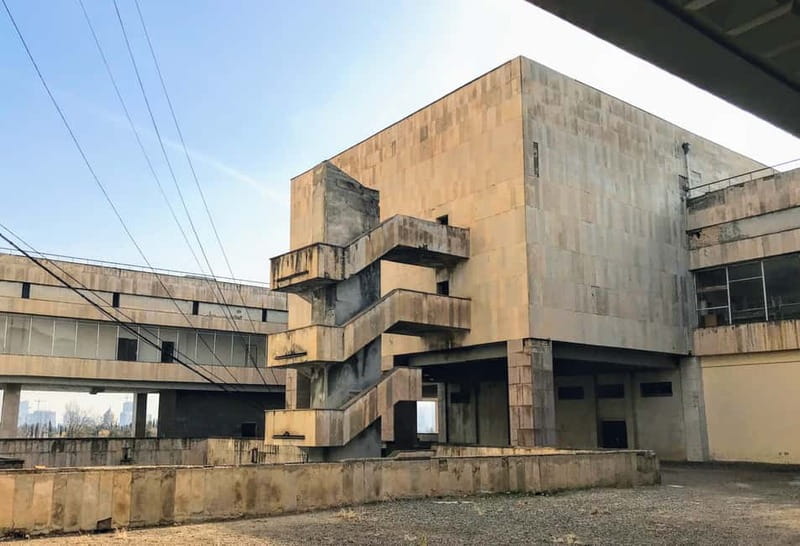
The highlights also include a visit to sites that carry a heavier tone, including Suicide Bridge and the Former Museum of Archaeology, an abandoned modernist masterpiece. This is where the tour becomes honest about the city’s shadows.
These aren’t “feel-good” stops. They’re important because they show how architecture holds memories—some planned, some tragic, some simply left behind when the world moved on.
If you’re okay with that mood, you’ll find the guide’s storytelling especially grounding. The human stories make the buildings stop being abstract objects and start being witnesses.
Practical reality check: since at least one stop involves an abandoned feeling, wear shoes you trust and keep your expectations grounded. This is about the city’s reality, not pristine presentation.
Price and value: what $75 buys you in real terms
At $75 per person for about four hours, the value comes from the combination of access, transport, and explanation. You’re getting:
- a local guide who connects the architecture to lived story
- entrance fees handled as part of the tour
- bottled water
- door-to-door pickup options, depending on the private setup
You’re also not paying for extra time lost to transit confusion. By car, you spend the day comparing sites instead of figuring them out.
There’s another layer that makes the price feel more meaningful: the tour is tied to social impact, with part of your fee supporting internally displaced people (IDPs). If you care about your travel dollars doing something beyond photos, that matters.
Lunch isn’t included, but the snack/bakery stop keeps you comfortable without trapping you in a long sit-down meal.
Who this tour fits best (and who should skip)
This is ideal if you:
- want Soviet and Brutalist architecture without the headache of getting around
- like stories about design, politics, and everyday life in the same breath
- prefer short stops with explanations rather than long guided walks
- enjoy photo moments from unusual angles, including elevated and viewpoint spots
This is not a great match if you:
- have mobility impairments (it’s not suitable for people with mobility impairments)
- are under 12 (the tour isn’t suitable for children under 12)
- are afraid of heights (elevated areas can feel exposed)
- don’t want any part of the experience to feel heavy, abandoned, or emotionally intense
Also note the basic rules that keep the group safe and comfortable: no pets, no oversize luggage, and no alcohol or drugs.
Should you book Brutalist Tbilisi? My honest take
If your idea of a great Tbilisi day includes concrete, Soviet-era planning, and stories that go beyond postcards, then this tour is a strong yes. You get a compact route with comfortable car transport, major Brutalist highlights, and guided context that makes the buildings make sense.
If you want only polished sights, or you’re anxious about heights or abandoned spaces, you might feel out of place here. For the right mindset, though, this is one of the most memorable ways to understand Tbilisi’s identity fast.
FAQ
How long is the Brutalist Tbilisi tour?
The tour is listed as 4 hours, though the exact duration may vary with traffic and weather.
Is pickup included?
Yes. Pickup is included from your accommodation or another central location in Tbilisi.
What languages is the guide?
The live tour guide speaks English and Russian.
Is lunch included?
No. Lunch is not included.
Does the tour involve a lot of walking?
No heavy walking. The experience uses comfort by car with stops for photo time, visiting, and guided segments.
What sites will we visit?
You’ll see Brutalist and modernist landmarks including the Ministry of Highways of the Georgian SSR, the Chronicle of Georgia, Nutsubidze Skybridge, and other Soviet-era sites such as the cable-car ride, Suicide Bridge, and the Former Museum of Archaeology.
Is there a cable car ride during the tour?
Yes, the schedule includes a cable car ride during the Bagebi Cable Road portion.
What’s the group style?
It’s a private group.
Is it suitable for children or for people with mobility issues?
No. It’s not suitable for children under 12, and it’s also not suitable for people with mobility impairments.