REVIEW · PITTSBURGH
Pittsburgh: Best of the Burgh History and Architecture Tour
Book on GetYourGuide →Operated by Walk the Burgh Tours · Bookable on GetYourGuide
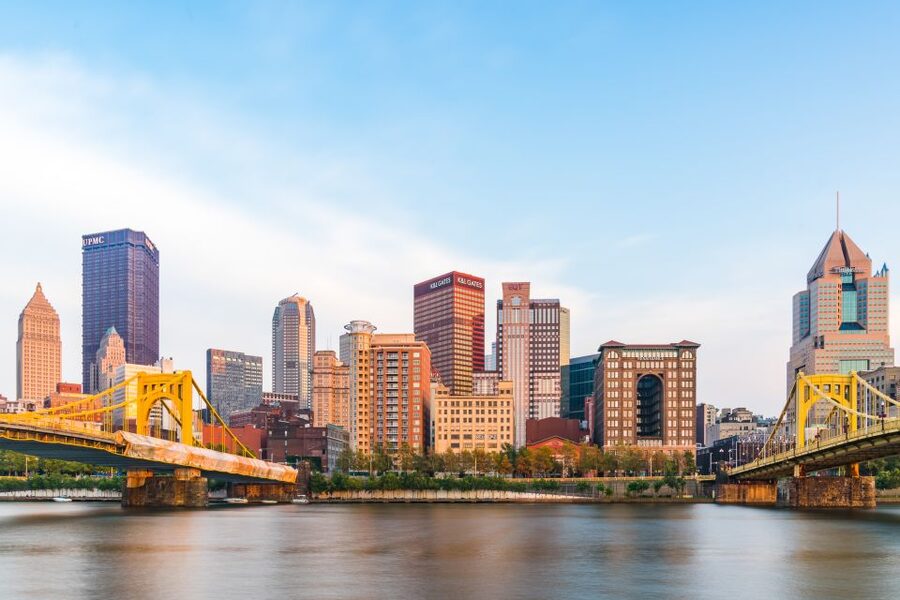
Pittsburgh has a skyline with stories. This downtown walking tour strings together architecture and public art as you pass major landmarks and into key historic areas.
I love the way the guides turn buildings into real people and real choices, with humor and quick answers as you go. I also like the pacing: it’s about a 2-mile walk, and there are chances to pause, ask questions, and even step inside certain landmarks for extra context.
One consideration: this is real walking, so wear comfortable shoes and plan to stay close if your guide is using a microphone speaker.
In This Review
- Key things to know before you go
- Starting at Walk the Burgh Tours, Penn Ave
- A 2-mile walking plan that teaches you the city’s logic
- Opulent towers and industry titans: what the skyline is really saying
- Squares, public art, and the details you’d miss alone
- How the best guides keep you engaged (even when it rains)
- What “small-group” really means for your experience
- Value for $33: what you get versus what you’ll plan
- What to bring (and what to wear) so you feel good
- Who should book this downtown Pittsburgh architecture and history walk
- Should you book the Pittsburgh Best of the Burgh tour?
Key things to know before you go
- A 2-hour, 2-mile downtown loop designed to help you understand Pittsburgh fast
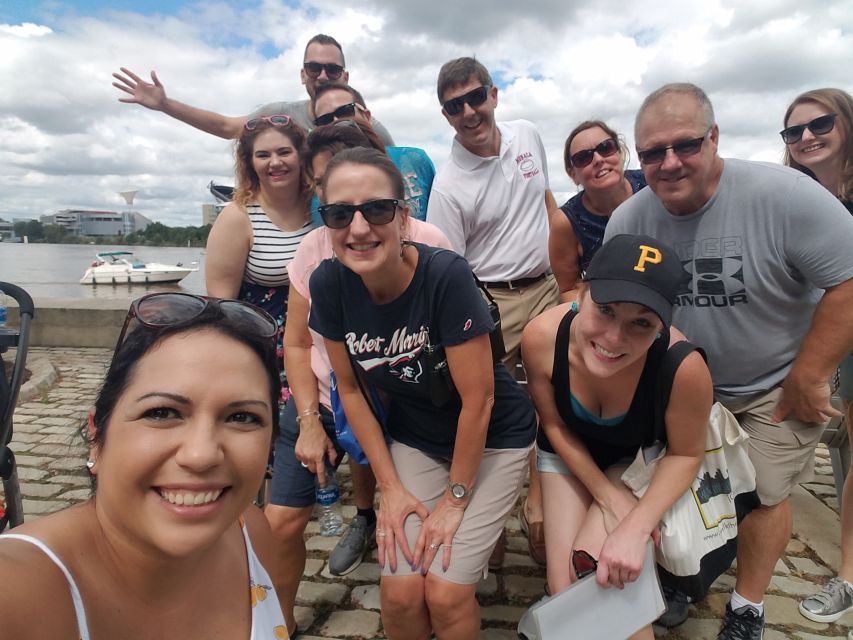
- Guides like Ken, Dave, Alan, Marisa, and Corrie (you may be with one of them) are praised for storytelling and humor
- Architecture plus public art through squares, landmarks, and street corners
- Hidden details pointed out along big avenues and tucked-away alleyways
- Restaurant partner coupons help you turn the tour into your next meal plan
- Wheelchair accessible, with a call encouraged if you have extra mobility needs
Starting at Walk the Burgh Tours, Penn Ave
The tour starts at Walk the Burgh Tours, 1049 Penn Ave, Downtown Pittsburgh, on the side of the David Lawrence Convention Center. Arrive about 15 minutes early so you can meet up, get oriented, and start on time.
Look for the white bike in the window. That small detail matters in a busy downtown setting, and it saves you from wandering around with a tight schedule.
This beginning spot also sets expectations: you’re starting in a practical, downtown hub location, not at some far-off overlook. From here, you build toward the skyline stories on foot.
A 2-mile walking plan that teaches you the city’s logic

You’ll cover roughly 2 miles (3.5 km) over about 2 hours. That distance is long enough to feel like a real experience, but short enough that first-timers won’t feel like they’re trapped in a marathon.
Pittsburgh is a city of ups, downs, and angles, so walking is the best way to understand it. Cars can show you the skyline. Walking helps you see why certain streets and buildings matter and how the city’s shape guides what you notice.
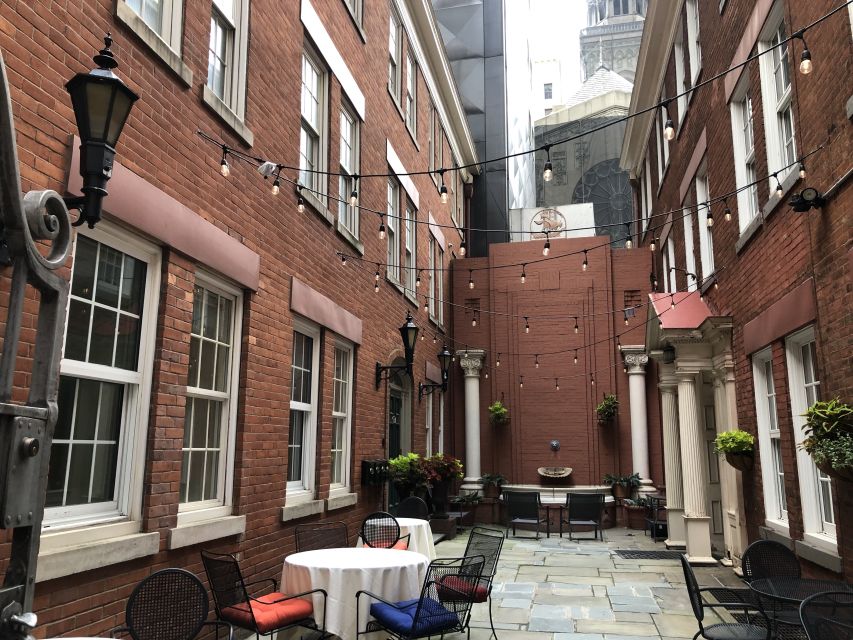
As you go, you’ll be walking down major avenues and also turning into small alleyways. That mix is one of the smartest parts of the format: you get both the grand view and the quieter “wait, what is that?” moments.
Opulent towers and industry titans: what the skyline is really saying
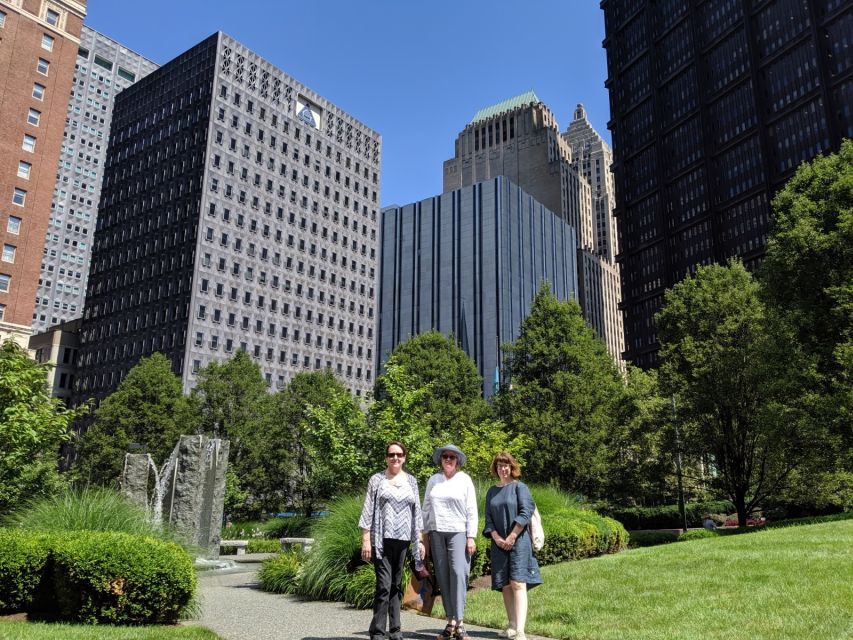
One of the main themes is how titans of industry helped shape the city’s opulent towers and buildings—and how many still function today. You don’t just see tall facades. You get the context behind the ambition.
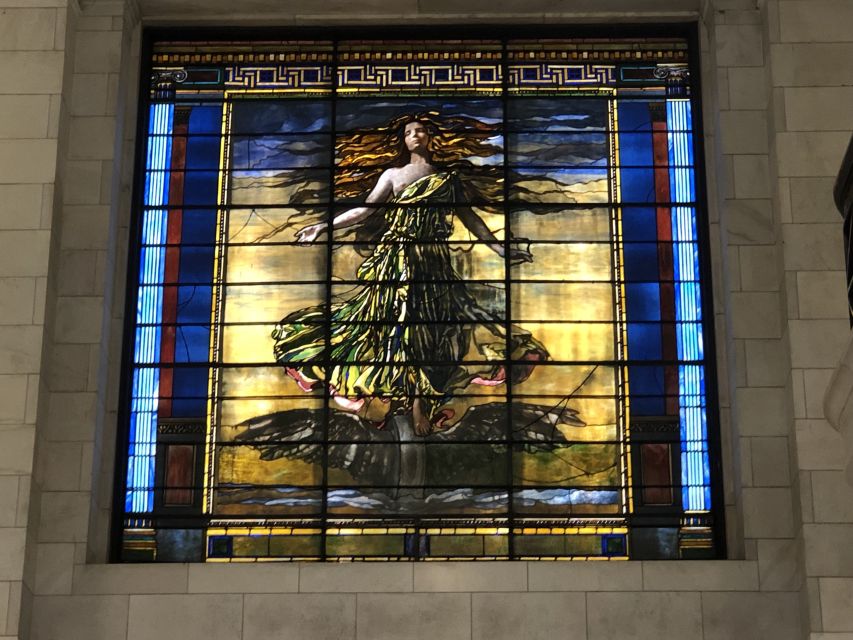
Your guide will point out what makes these buildings feel important: design choices, historical purpose, and how different eras left their fingerprints on the downtown streetscape. The result is that you start reading the city, not just photographing it.
This is where I think the tour gives strong value. You’re not paying to stand around. You’re walking through a history lesson where architecture is the textbook.
Squares, public art, and the details you’d miss alone
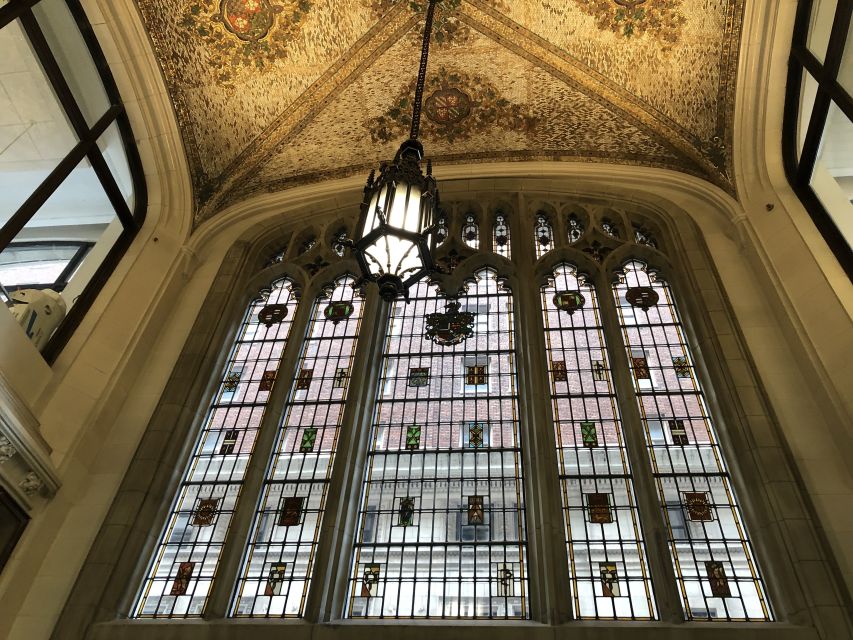
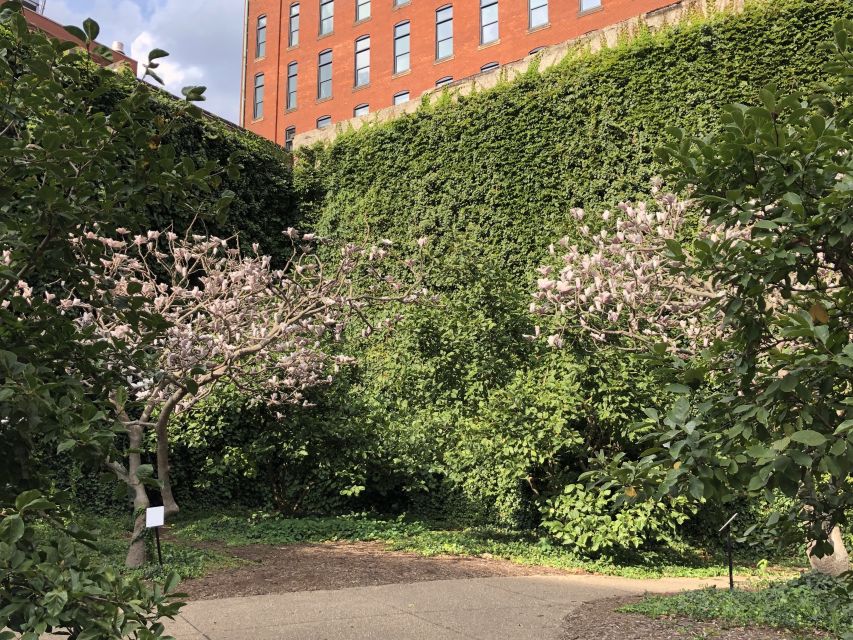
Downtown Pittsburgh has public spaces that can look like simple corners until someone explains why they exist and what they’re for. That’s a big part of what you’ll experience: beautiful squares and fascinating public art placed where everyday people actually move through the city.
Your guide also highlights unseen details—the kind of small architectural cues and street-level elements that don’t jump out from a distance. This is ideal if you’ve arrived and want to understand what makes Pittsburgh feel different right away.
And because the route includes turns into smaller lanes, you’ll see the contrast between the city’s big statements and its everyday textures. That shift is what keeps the walk from becoming repetitive.
How the best guides keep you engaged (even when it rains)
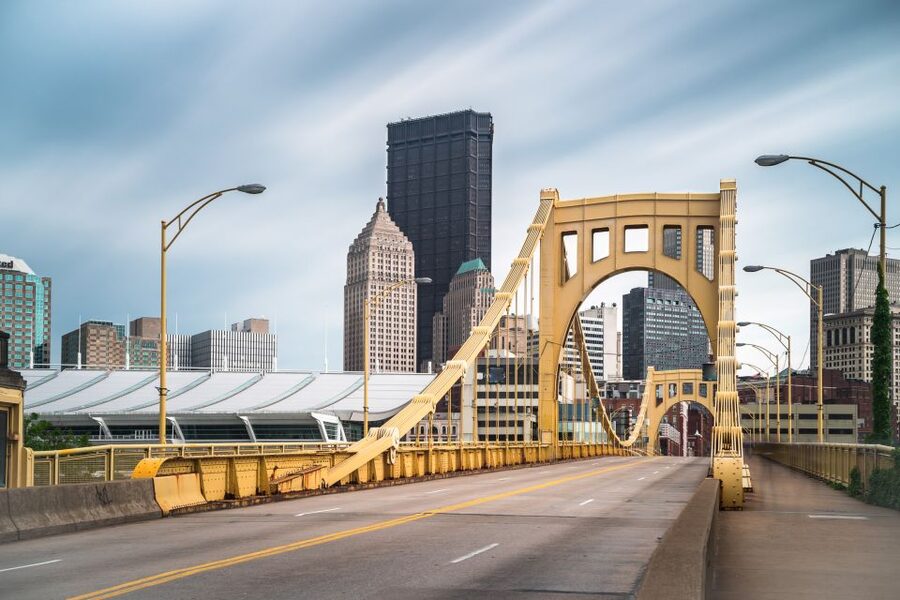
The experience is built around a live local guide with real stories, not a script. In the past, guides such as Ken, Dave, and Alan have been praised for being funny, entertaining, and ready to answer questions on the spot.
In one case, a guide was noted for using memory and passion instead of reading from cue cards. That matters. It keeps the tour flowing like a conversation instead of a lecture.
Weather is another factor. Pittsburgh weather can change quickly, and you might get rain. There’s at least one clear signal that the guide may arrange to get you under cover when it rains, and you’ll also want to leave a working mobile number for weather-related updates.
What “small-group” really means for your experience
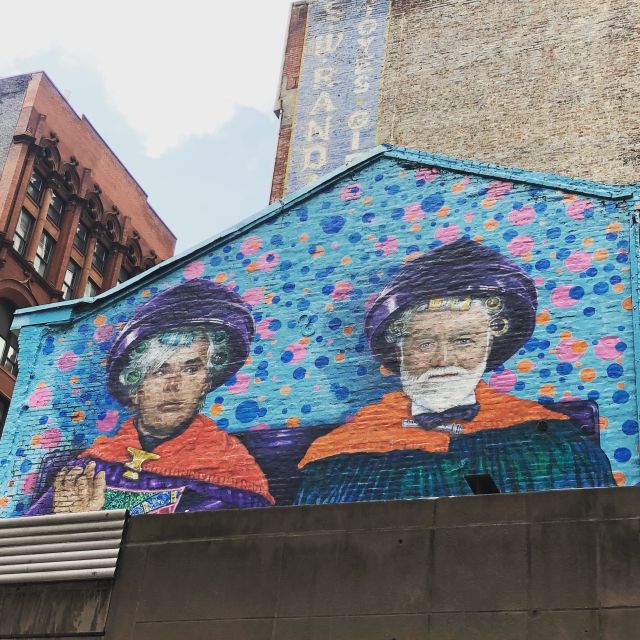
The tour is a small-group walk. That’s not just a comfort perk. It affects the whole vibe: you can ask questions without feeling like you’re competing for attention, and the guide can keep an eye on the pace.
You’ll likely have a more personal experience than you would on a big bus tour. One review mentioned opportunities to sit for a minute or two, which is especially useful if you want history without having to “power walk” every minute.
Also, the fact that it’s on foot means you’re part of the city in a way that transit tours can’t match. You see what’s at eye level—street life, storefront details, and the way people actually use public spaces.
Value for $33: what you get versus what you’ll plan
At $33 per person for about 2 hours, this lands in the “high value” category for a few reasons.
First, you’re paying for interpretation—someone helping you connect architecture, industry, and downtown layout into a story. That’s hard to do on your own when you’re standing in front of a building and wondering what you should even look for.
Second, you get practical extras: coupons from local restaurant partners. Food isn’t included, but those coupons can help you turn your walk into a specific next stop rather than a guessing game.
Third, the walk covers the kind of ground that’s useful for orientation. If you plan to spend more days in Pittsburgh, this kind of tour can act like a map you feel in your legs.
What to bring (and what to wear) so you feel good
This is a walking tour, so pack the obvious stuff. Bring comfortable shoes and dress for changing downtown conditions.
Because you’ll be stopping to look at buildings, squares, and public art, it helps to wear layers. You’ll want to be comfortable standing still sometimes, and you’ll also want to be able to move easily when you’re covering the full route.
If you have any extra mobility needs beyond the general accessibility, it’s worth calling ahead so the team can do what they can to accommodate you.
Who should book this downtown Pittsburgh architecture and history walk
This tour fits best if you want more than a list of landmarks. You’ll like it if you care about how the city grew, why certain buildings look the way they do, and how public art and squares shape the downtown experience.
It’s also a good match if you:
- are visiting Pittsburgh for the first time and want a fast orientation
- like architecture with real context, not just photos
- want a guide who can answer questions as you walk
- enjoy a mix of history, scenery, and city culture (including stories that touch on sports and everyday life)
If you prefer low-effort sightseeing, you may find the walking time a bit demanding. But if you’re comfortable moving for around 2 miles, this is an efficient way to get meaning out of downtown.
Should you book the Pittsburgh Best of the Burgh tour?
Yes, if you want a guided downtown walk that turns architecture and public space into something you actually understand. For $33, you’re getting a local guide, a structured 2-hour route, and the kind of “look closer” pointers that make the city feel less random.
Book it especially if you like asking questions, want hidden details and public art explained, and plan to spend more time exploring Pittsburgh after the tour. Just go in with the right mindset: wear good shoes, expect real walking, and bring your curiosity.