REVIEW · TOKYO
Private Ueno Park Architecture Walking Tour
Book on Viator →Operated by Showcase Tokyo Architecture Tour · Bookable on Viator
Modern buildings hide in Ueno Park. This private walk turns the area from a cherry-blossom stop into a real architecture lesson, with two museums and several landmark buildings explained clearly. I especially liked how the guide kept the focus on architecture and design ideas (not just what’s inside the galleries), and how the route connects buildings by famous names like Le Corbusier and Kunio Maekawa. One thing to consider: if you’re mainly after art collections, this tour may feel more like a walking design talk than a classic museum day.
Because it’s private for your party and runs about 3 hours 30 minutes, you can move at a comfortable pace without the pressure of a large group. I also liked that you get a short break for a cozy pause with drinks along the way, which helps a lot when you’re hopping between museum entrances and exterior viewpoints. The only real drawback I’d plan for is ticket complexity: Tokyo National Museum entry is listed as included, while the National Museum of Western Art stop notes admission as not included—so it’s smart to confirm what’s covered for your date before you go.
Ueno Park is famous for spring and big museums, but the deeper story is how Japan’s modern era shaped its public buildings. This tour leans into that story, so you’ll finish with an eye that notices details you’d normally walk past—mass, proportion, daylight, and how architects frame public space.
In This Review
- Key Points You’ll Actually Care About
- Ueno Park’s Architecture Tour: What Makes It Different
- Before You Go: Timing, Tickets, and Meeting Points
- Stop 1: Le Corbusier’s National Museum of Western Art
- Stop 2: Tokyo Bunka Kaikan and Kunio Maekawa’s Connections
- Stop 3: The International Library of Children’s Literature (1906) and Time Layers
- Stop 4: Tokyo National Museum’s Architectural Highlights
- The Value of the $146.59 Price Tag in Real Life
- Who This Tour Fits Best (and Who Might Want Something Else)
- Should You Book This Private Ueno Park Architecture Walk?
- FAQ
- How long is the Private Ueno Park Architecture Walking Tour?
- Is this tour private or shared with other groups?
- Can I choose a morning or afternoon departure?
- Which museums are included in the tour?
- Is admission included for both museums?
- Where do I meet the guide?
- What else is included besides the guide?
Key Points You’ll Actually Care About
- Private guide for your group so questions and photo stops don’t get rushed
- Morning or afternoon departure so you can match Ueno to your day plan
- Architecture-first storytelling (design choices, not just the collections)
- Two major museum stops plus added architecture landmarks around Ueno Park
- Tokyo National Museum admission included (and a drinks pause to keep it pleasant)
- Mobile ticket makes check-in simpler once you’re in the area
Ueno Park’s Architecture Tour: What Makes It Different
Ueno Park has a familiar rhythm: you show up for museums, you step into rooms, you see masterpieces. This experience changes the rhythm by putting the building itself at the center of the story.
The big idea is simple. Instead of treating museum walls as a backdrop, you read them like you would read a street. You learn why certain forms exist, how architects used light and space, and how these buildings relate to their era. That’s why the tour appeals to people who like structure—people who pause and look up.
I also liked that it stays practical. The route is tight enough to cover a lot in a half-day window, but not so aggressive that you feel dragged across town. It’s listed for moderate physical fitness, so think of it as steady walking plus short museum time—more “comfortable city pace” than “long hiking day.”
And since it’s private, your party can lean in. Want more time outside taking photos of facades and street angles? That’s the kind of adjustment that works better when you’re not competing with a crowd.
You can also read our reviews of more tours and experiences in Tokyo.

Before You Go: Timing, Tickets, and Meeting Points
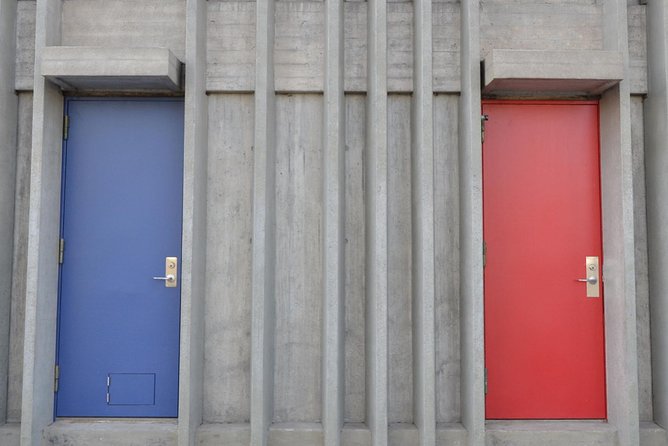
This tour is designed to be easy to plug into a Tokyo itinerary. It runs about 3 hours 30 minutes, and you can usually choose a morning or afternoon start depending on what fits your schedule best.
There’s no hotel pickup or drop-off, so you’ll want to make your own way to the meeting area near JR Ueno Station. The start point is at 7-chōme-7-7 Uenokōen, Taito City. The end point is near Ueno as well, at VIEW ALTTE 公園口券売機横 7-chōme-1-1 Ueno, Taito City. In plain terms: you’re starting and finishing in the Ueno Station zone, which makes it simpler to keep the rest of your day moving.
Tickets are the one detail to double-check. The tour description says admission to both major museums is included, but the stop details specifically mark Tokyo National Museum entry as included while listing the National Museum of Western Art admission as not included. So before you leave, verify what you’ll actually receive on your mobile ticket and what you should budget for at the first museum.
Stop 1: Le Corbusier’s National Museum of Western Art
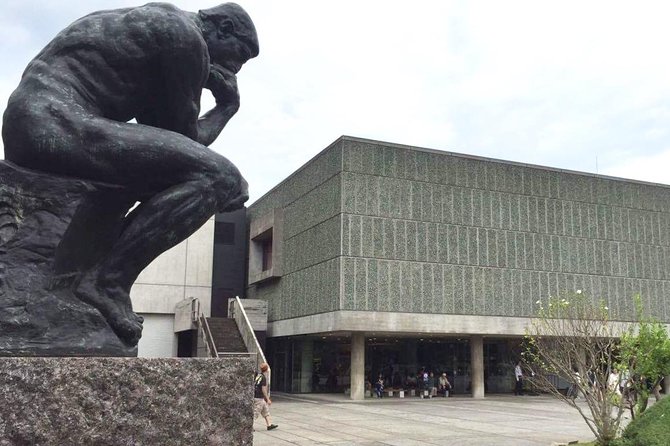
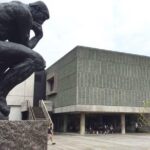
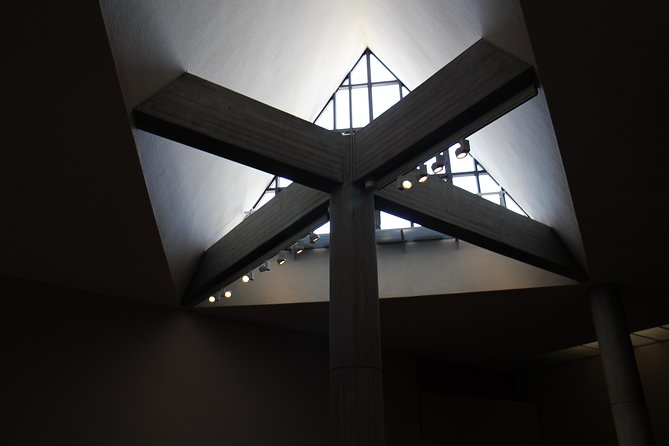
If your mind associates Le Corbusier with drawings and famous photos, this stop is where theory becomes real scale. The National Museum of Western Art is designed by Le Corbusier, and it was listed as a UNESCO World Cultural Heritage Site for its modern architectural value in 2016. That UNESCO label matters here—not because it turns the building into a trophy, but because it flags how the design works as a landmark of modern architecture.
What I like about starting here is the framing. The guide sets up the idea that this building was made for western paintings and sculptures from roughly the pre–18th century through the 20th century range, and then you look at the museum architecture with that purpose in mind.
A practical heads-up: the stop detail you’re given notes admission ticket not included for this location, even though the overall tour description says entry is included. So treat this as a check-before-you-go moment. If you’re the type who hates surprises at ticket gates, you’ll be glad you did.
Expect a relatively focused museum visit time (listed around 40 minutes here). That’s enough to understand what the building is doing without turning it into a long art marathon.
Stop 2: Tokyo Bunka Kaikan and Kunio Maekawa’s Connections
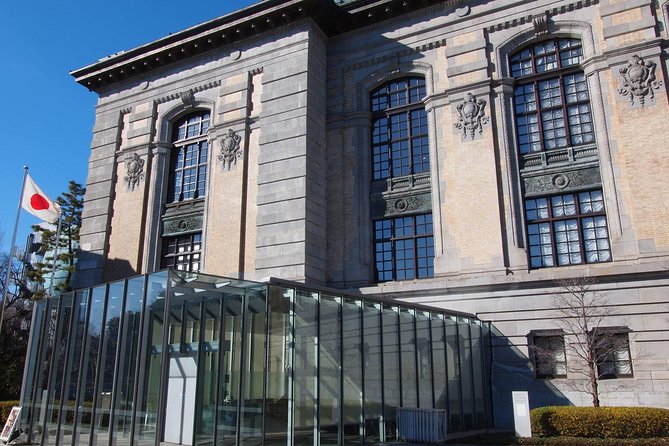
Just across the way, Tokyo Bunka Kaikan by Kunio Maekawa makes the story click. Maekawa was one of Le Corbusier’s three local apprentices, and the tour leans into that relationship in a way that feels more like architecture conversation than history lecture.
The standout detail here is the placement: it’s described as being opposite the Le Corbusier museum, like the two buildings are speaking to each other. That face-to-face alignment is exactly where architecture tours earn their keep. When you can compare buildings in the same lighting and along the same sightlines, it becomes easier to spot design choices—how each building handles massing, edges, and street presence.
This stop is short (around 15 minutes), which is perfect for a quick reset before the next museum. If you love street-level views and quick comparisons, you’ll enjoy this moment a lot more than you might expect.
Admission is listed as free for this stop, so you’re mostly paying with your attention here. Watch what changes as you look back and forth between the two buildings.
Stop 3: The International Library of Children’s Literature (1906) and Time Layers
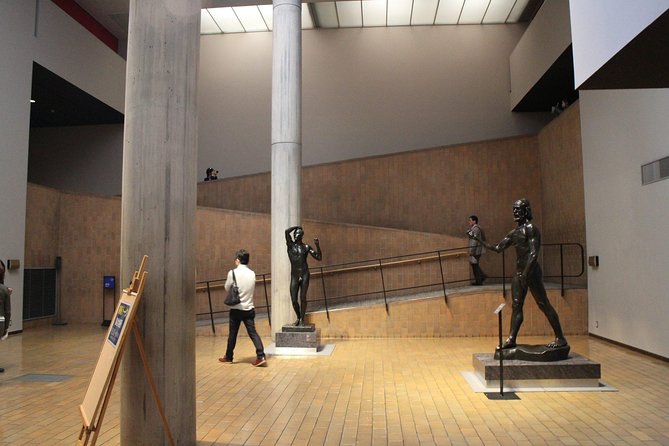
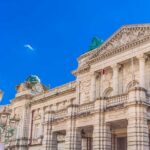
Ueno Park isn’t only about modern icons. The tour also gives you a different kind of architectural appreciation at the International Library of Children’s Literature, built in 1906.
This is the part that often surprises people. You might come expecting a modern-only walk, then you hit a building with age, preservation, and visible layers of care. The stop description points out its long history and the quality of preservation and renovation, plus mentions newly built elements that add contrast.
I like this stop because it teaches you a subtle lesson: architecture isn’t frozen. Even when the building remains recognizable, it changes through restoration choices and added construction. In a park like Ueno—where tourism, maintenance, and cultural importance all overlap—those changes are part of the real story.
Admission is listed as free, and the time here is about 40 minutes. Use that time to look slowly. Check how the building holds up at human scale—entries, window rhythms, and the way it sits within the park paths.
If you’re the kind of person who enjoys seeing how older buildings survive busy neighborhoods, this stop is likely to be a favorite.


Stop 4: Tokyo National Museum’s Architectural Highlights
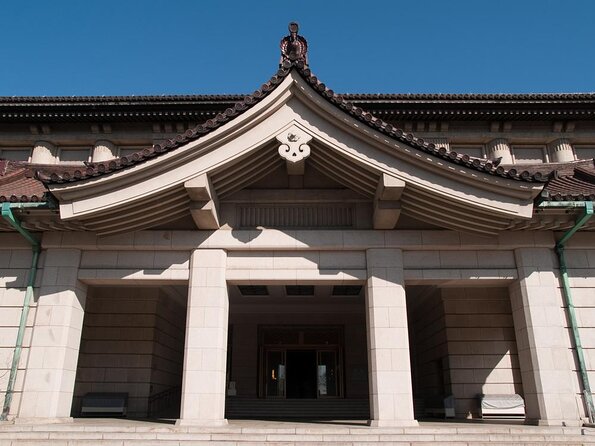
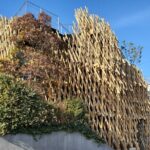
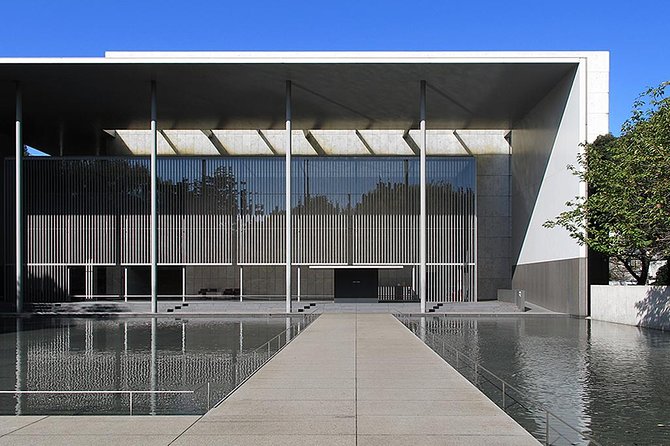
Tokyo National Museum is the final anchor, and it brings you from modern architecture back into Japan’s museum tradition. Instead of a random museum stop, the tour specifically highlights four architectural works: Hyōkei-kan, Hon-kan, Tōyō-kan, and the Gallery of Hōryūji Treasure.
Those names matter because they signal different eras and design intentions. The stop detail notes a historical spread from 1908 to 1999, which is a clue that you’ll be comparing architectural approaches over a long timeline. That’s a great way to build real understanding fast: one ticket, multiple building styles, and a guide helping you connect the dots.
This is also where value shows up. The tour includes admission for Tokyo National Museum, listed as 1000 yen. So you’re not only getting the guide’s interpretation—you’re also getting an entry cost handled as part of the package.
Time is listed around 30 minutes at this stop. That’s enough to see key exterior and get oriented, but not enough to become a deep museum devotee. If you want museum rooms afterwards, this tour works well as a plan-setter: you’ll know where to go and what to look for when you return on your own.
The Value of the $146.59 Price Tag in Real Life
At $146.59 per person, this isn’t a budget “wandering” experience. It’s a paid, private, architecture-focused guide for about 3.5 hours, with multiple structured stops and at least one museum admission handled as included.
So where’s the value?
First, it’s private. For many people in Tokyo, the real cost is time and coordination. A private guide means the route is already smart, you don’t need to plan context, and you aren’t waiting for translations or struggling with what to notice.
Second, the tour is architecture-first. One of the strongest pieces of feedback tied to this experience is that the guide speaks excellent English, comes well prepared, and stays focused on architecture rather than turning the day into a standard art tour. That matters. You’re paying for interpretation of buildings and design choices.
Third, you get a break: a cozy pause with drinks. It sounds small, but it changes how the last 45 minutes feel.
Finally, there’s the schedule flexibility. The option to choose morning or afternoon helps you avoid the worst timing clashes with other Ueno activities.
The main “value risk” is if you were expecting maximum time in museum galleries. With shorter museum windows and a strict architecture lens, this tour is best if you like buildings and want context more than hours of collection viewing.
Who This Tour Fits Best (and Who Might Want Something Else)
This tour is a strong match for:
- People who care about design, proportion, and architectural relationships
- Travelers who want a guide for context, especially if you don’t know modern Japanese architecture well
- Anyone who prefers a private plan that keeps moving but isn’t sprinting
- Art lovers who also like the museum buildings themselves, not just what’s hanging inside
It might be less ideal if:
- You want a classic museum day where the main focus is artworks and artifacts
- You want long time in each gallery (the stops are timed to fit the overall route)
- You hate ticket uncertainty and would rather avoid situations where a stop’s admission details vary
That said, if you enjoy short, well-directed visits, this format is efficient. It gives you a “why” for the buildings you’re seeing, so the rest of your Tokyo visit gets easier.
Should You Book This Private Ueno Park Architecture Walk?
I’d book it if you want to see Ueno Park in a way that most people miss. The architecture focus makes the time feel intentional. You’ll come away with a better eye for Le Corbusier’s museum significance, Maekawa’s connection to modernism, the early-1900s library building, and the long-range architectural storytelling at Tokyo National Museum.
Before you pay, do one quick sanity check: confirm what admissions are covered at the National Museum of Western Art versus what you might need to purchase. If you’re good with that, the private guide format plus the architecture-first approach is exactly the kind of Tokyo experience that feels like a smart use of half a day.
FAQ
How long is the Private Ueno Park Architecture Walking Tour?
It runs about 3 hours 30 minutes.
Is this tour private or shared with other groups?
It’s private. Only your group participates.
Can I choose a morning or afternoon departure?
Yes. You can choose either a morning or afternoon departure to fit your schedule.
Which museums are included in the tour?
You visit the National Museum of Western Art and Tokyo National Museum, plus other architecture landmarks in Ueno Park.
Is admission included for both museums?
Tokyo National Museum admission is listed as included (1000 yen). The National Museum of Western Art stop notes admission ticket not included, so you should confirm what’s covered at booking.
Where do I meet the guide?
The start is near JR Ueno Station at 7-chōme-7-7 Uenokōen, Taito City. The end is near Ueno at VIEW ALTTE 公園口券売機横 7-chōme-1-1 Ueno.
What else is included besides the guide?
The tour includes a cozy pause with drinks along the way, and it uses a mobile ticket.