REVIEW · TOKYO
Private Harajuku Omotesando Architecture Tour
Book on GetYourGuide →Operated by Showcase Tokyo Architecture Tours · Bookable on GetYourGuide
Omotesando turns shopping into architecture storytelling. In this private 3.5-hour walk starting at Jingubashi by Meiji Shrine, you get a photo-friendly route with famous structures and the design ideas behind them.
I also love the way the tour mixes big-name fashion buildings with calmer backstreets, so you’re not stuck only on the postcard strip.
The English-speaking guides are a big reason this works so well. I like the energy and depth that guides bring, from Mrs. Sakai Mari’s motivated, detail-heavy approach to Taka, a retired urban planner with MIT training, who can answer architecture questions without hand-waving. You’ll also get flexibility—when you have a specific curiosity, the guide can often steer the walk to match.
One possible drawback: it’s still a walking tour, so if you’re sensitive to time on your feet, wear comfortable shoes and set expectations for a steady pace.
In This Review
- Key things I’d highlight before you go
- Why Omotesando Feels Different From Ginza
- Starting at Meiji Shrine and Jingubashi: get your bearings fast
- The first big landmark: Yoyogi Gymnasium from a smart distance
- Omotesando’s designer belt: The Iceberg to Prada
- How the guide turns walking into answers
- Side streets and back-neighborhood detours (this is where you learn the real Tokyo)
- Night photography: why the same buildings feel different after dark
- The drinks break and how to pace yourself
- Price and value: $129 for 210 minutes of focused design viewing
- Who this tour suits best
- Should you book this private Harajuku Omotesando architecture tour?
- FAQ
- How long is the Private Harajuku Omotesando Architecture Tour?
- Where does the tour meet?
- What’s included in the price?
- Is transportation to and from Harajuku Omotesando included?
- Can I book for a private group, and is the guide in English?
- Are meals included?
Key things I’d highlight before you go
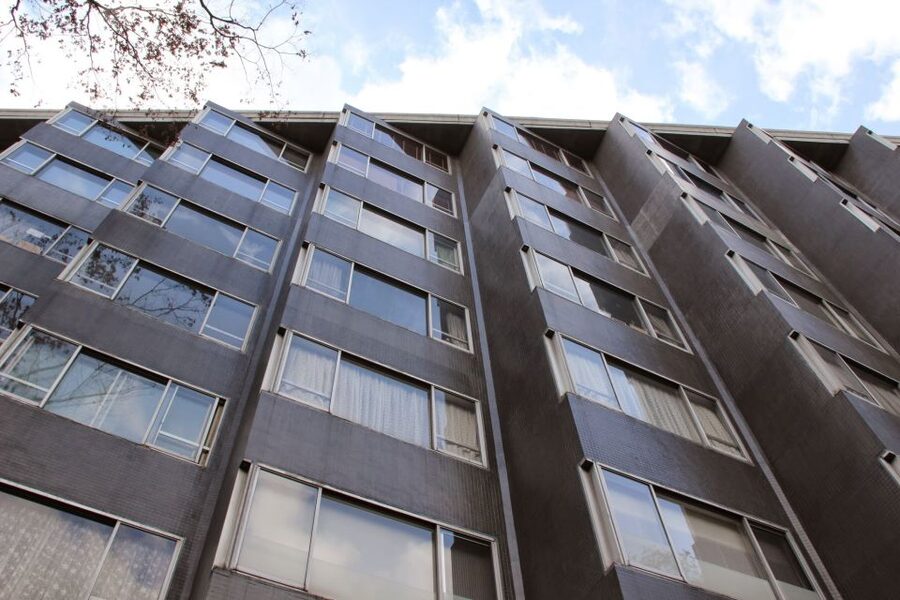
- Photo-first route: you’ll be nudged to frame buildings from the right angles at each stop
- Famous works in a short window: you cover major Omotesando landmarks in about 3 hours
- Design context, not just signage: you learn why architects and designer brands cluster here
- A real look at everyday Tokyo: a detour into side streets shows a different side of the area
- Night option for a new mood: architecture reads differently after dark, and the tour can run at night
Why Omotesando Feels Different From Ginza
Omotesando has that unmistakable Tokyo trick: it looks polished, but it still feels human. Yes, you’ll see luxury storefronts. Still, the real story is the way the buildings treat the street—facades, scale, and street-level design that make you slow down instead of just shop.
That’s the point of this tour. You’ll understand the difference between Omotesando and other famous boutique areas like Ginza by walking it with someone who pays attention to architecture first. Ginza can feel like retail theater. Omotesando often feels like design conversations happening in public, with the street acting as the gallery.
And once you step off the main shopping spine and into the back streets, the neighborhood texture changes. You’ll notice everyday Tokyo rhythms—people, side shops, and quieter lanes—so the area stops being only a fashion postcard.
You can also read our reviews of more tours and experiences in Tokyo.
Starting at Meiji Shrine and Jingubashi: get your bearings fast
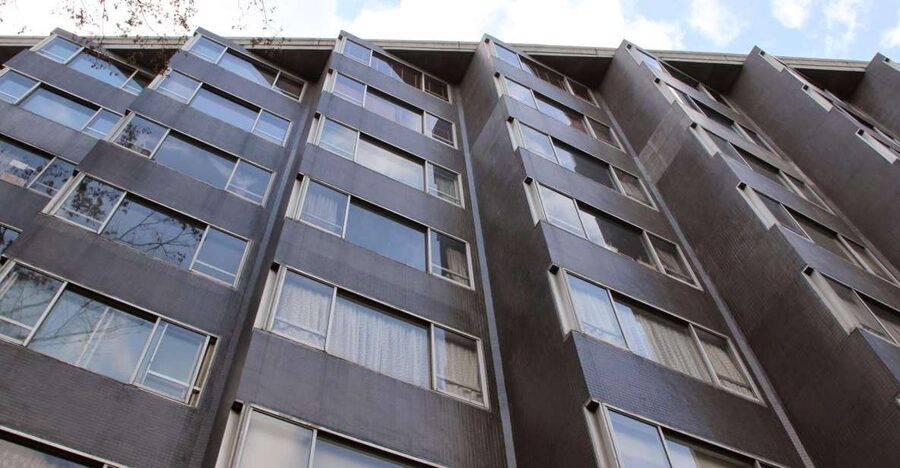
The tour begins at the Café Mori no Terrace meeting point, right in the open space where Meiji Shrine’s big wooden entrance gate stands. Address: 1 Yoyogikamizonocho, Shibuya City, Tokyo 151-0052.
If you’re coming from JR Harajuku Station, you don’t need to hunt through shrine gates to reach this cafe. The convenient setup is part of the design: get out of the Omotesando exit, head toward the forest area, and you’ll find the correct cafe entrance area. Just make sure it’s the cafe at this location—there’s another cafe with a very similar name inside the shrine complex, and this one is outside.
From there, you start with the Jingubashi bridge area in front of Meiji Shrine. I like this opening because it quickly resets you. You’re not immediately in designer retail mode. You’re in the broader context—Tokyo’s green, the shrine’s presence, and a calmer atmosphere that makes the later architecture feel even sharper.
The first big landmark: Yoyogi Gymnasium from a smart distance
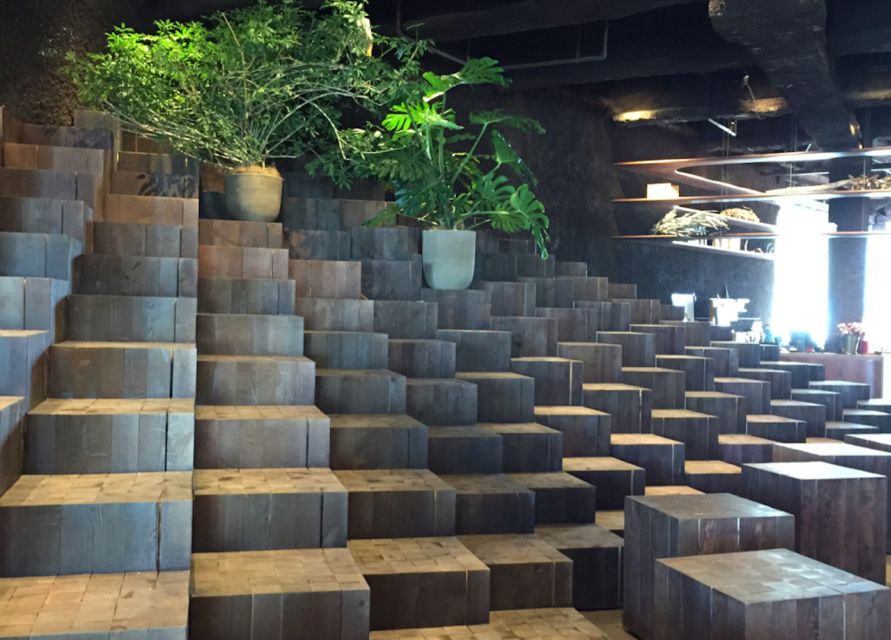
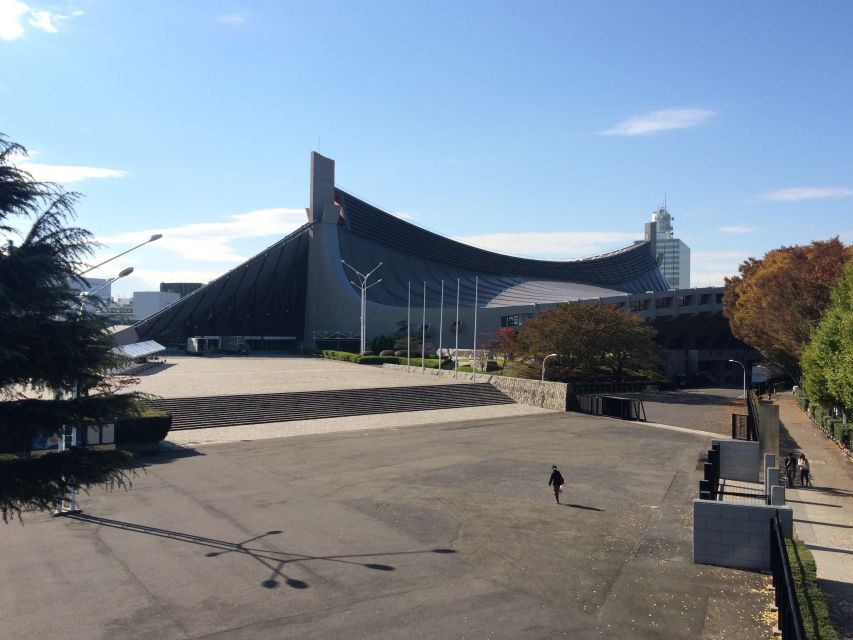
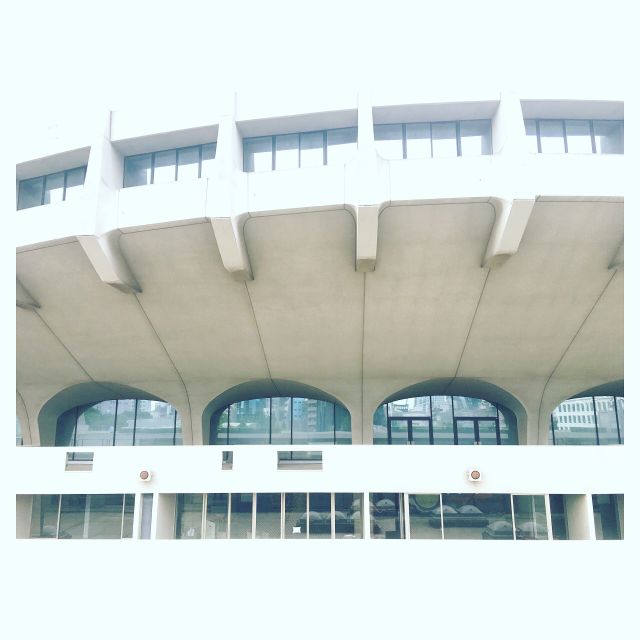
After Jingubashi, the walk brings you toward the area where Tokyo’s modern design shows up. You’ll check out Yoyogi Gymnasium from a distance—close enough to register the landmark, far enough to keep the flow of the tour.
This matters because architecture reading is easier when you get the full shape, not just a close-up fragment. From a smart viewing distance, you can take in how the structure sits in the street and landscape around it. It also sets up the theme for what comes next: how major buildings influence what brands and designers choose to build nearby.
Also, early on you’ll start getting the “photo everywhere” mindset. The tour isn’t about one or two iconic shots. It’s about learning how to look at every corner like it’s part of the same design story.
Omotesando’s designer belt: The Iceberg to Prada
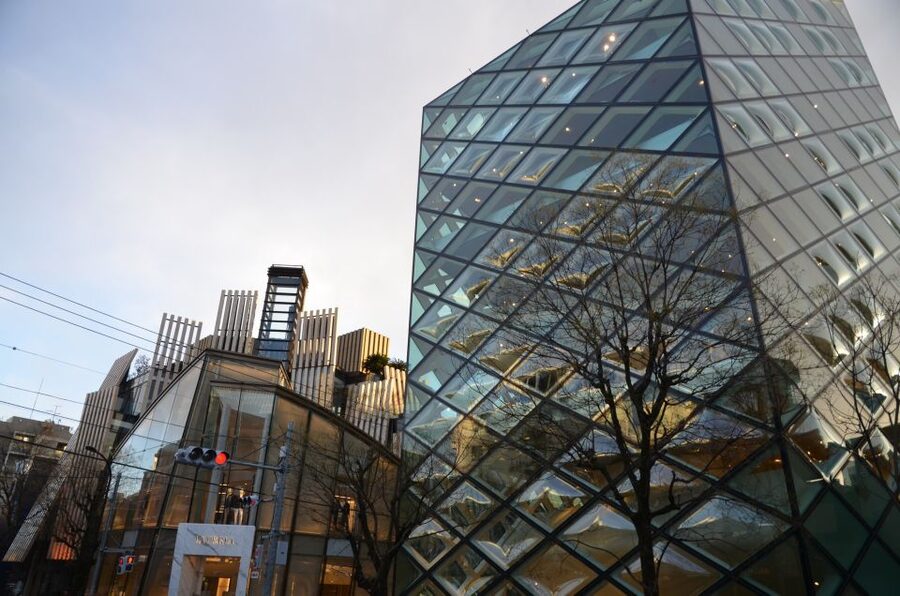
Now you’re in the middle of it: that stretch of Omotesando where famous fashion names and modern architecture mix. The tour is designed to hit the kind of stops you’ve probably seen in photos before, but with guidance on how to notice what you’re looking at.
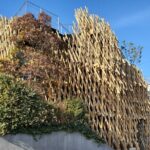
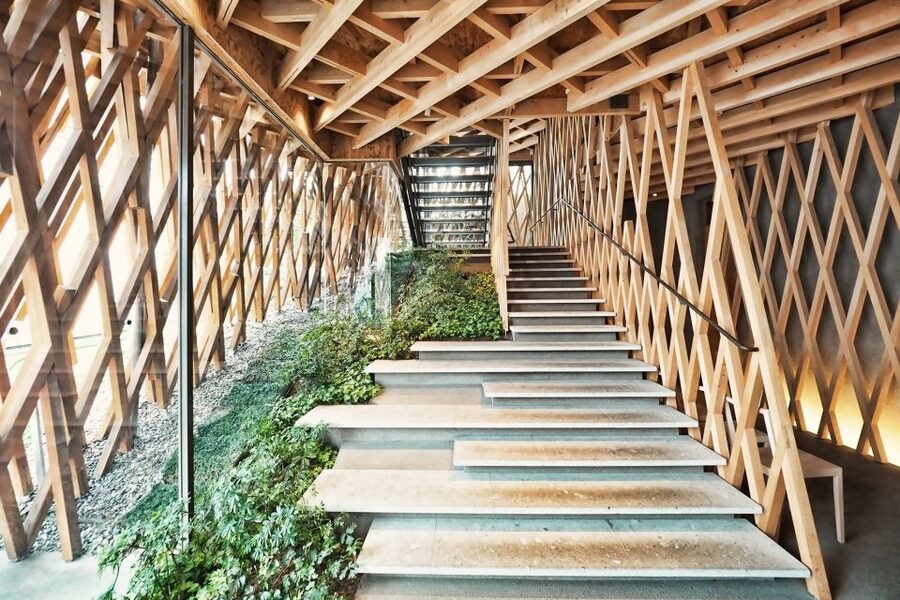
You’ll move through a lineup of major contemporary works and brand buildings, including The Iceberg, Dior, Louis Vuitton, Sunny hills, and Prada. The value here isn’t only that these are well-known. It’s that you’ll learn why these specific types of spaces attract designers and architects in the first place.
Here’s what you can expect to get out of it:
- You’ll connect street design and building form: the way entrances, facades, and volumes make the pedestrian experience feel intentional.
- You’ll learn the logic behind the clustering: why Omotesando draws designer stores and notable architects, not just shoppers.
- You’ll pick up practical photo tips, so you can stop guessing and start framing.
The tour’s pacing also helps. Instead of sprinting between stops, you’ll have time to actually look. If you enjoy photography, this is a gift—because you’re not just passing buildings. You’re pausing at angles that make them readable.
How the guide turns walking into answers
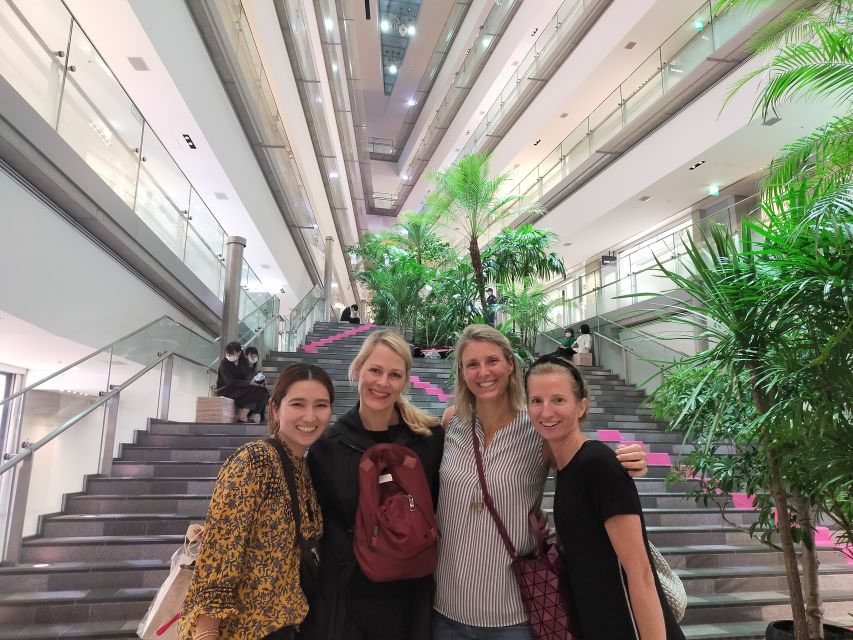
This is a private tour, so the guide isn’t forced into a one-size-fits-all script. In practice, that means you’ll get better conversation and better focus. Several guides in the same team style are described as having real industry or planning backgrounds, including Taka, the retired urban planner, and others who bring clear passion for how Japanese architecture evolved and what it means in daily city life.
The best part is the “Q&A” energy. When you ask why a building looks a certain way, you’re not stuck with vague explanations. You’ll get answers rooted in how architects think and how buildings function in the streetscape.
It can even add a bonus layer for design nerds: you may learn how some architects connected to the works you see have earned international recognition, including awards like the Pritzker Prize (at least in the kind of context your guide may share).
And the guides are also willing to shape the walk around your interests. I like that because it changes the experience from sightseeing to targeted viewing. If you want more exterior details, say so. If you care about how neighborhoods change behind the brand storefronts, the guide can steer there.



Side streets and back-neighborhood detours (this is where you learn the real Tokyo)
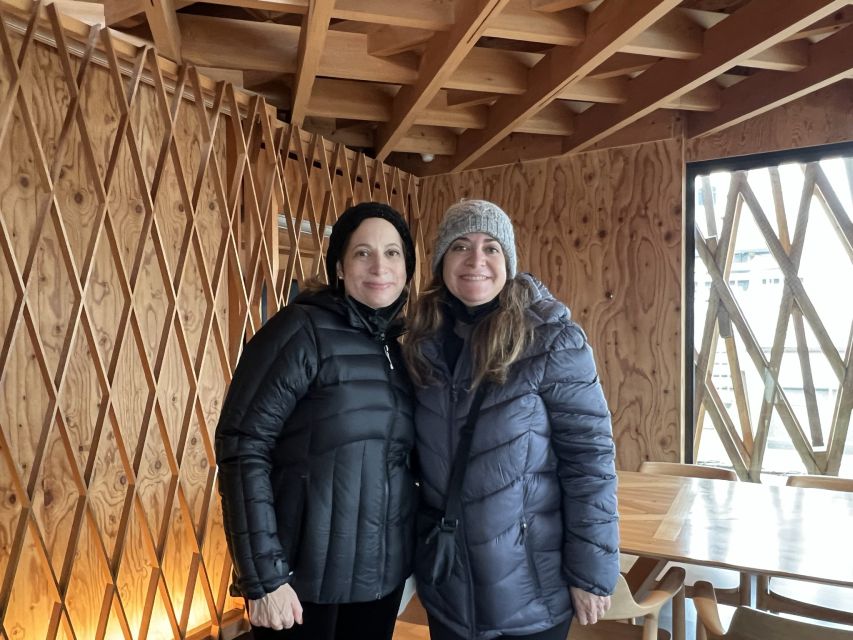
The headline focus is Omotesando architecture, but the tour earns its keep with the detour into backstreet neighborhoods. That’s where you see the contrast the main avenue can hide: everyday life moving alongside high fashion.
This part matters because it helps you understand what makes Omotesando feel different. You’re not only looking at curated retail. You’re learning how the same city block system supports both major brands and quieter daily scenes.
Some routes can even include a quick look into side fashion-and-street areas such as Cat Street, which is known for a lively neighborhood feel. Even if you only get a taste during the tour, you come away with enough context to explore on your own later.
A small practical note: this section is also where you’ll appreciate the guide’s street sense. If a corner is better for photos, you’ll know why. If a lane gives you a better angle for the next facade, the tour keeps you moving with purpose.
Night photography: why the same buildings feel different after dark
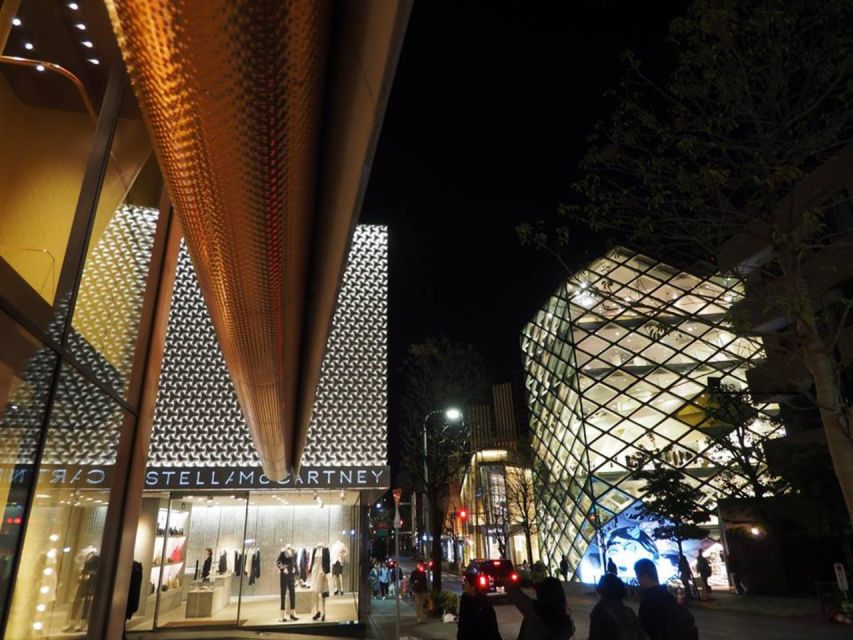
One of the most distinctive highlights is that you can take the tour at night. Architecture at night doesn’t just look prettier. It changes how you read the structure.
Light does the work your eye can’t always do in daytime. Shadows deepen lines. Building facades become more about contrast than daylight color. Storefront lighting and exterior illumination also help you see street-level design, especially where entrances and vertical surfaces meet.
So if you’re choosing a time, I’d lean night—especially if you love photography or you want that “Tokyo by design” mood. You’ll still cover the same major works, but the perspective feels fresher.
If you’re not a night person, daytime is still strong. You’ll simply get more clarity on forms and materials. The tour’s strength is that it teaches you how to look either way.
The drinks break and how to pace yourself
You’ll get a break time with drinks included, which sounds small until you realize it changes the whole tour. Omotesando isn’t a sit-and-watch museum circuit. It’s a walking architecture route. A short pause keeps you from turning the whole experience into “just keep moving.”
Also, the guide can often stop for a short café moment during the stroll, so you’re not guessing where to take a rest. This is useful if you’re traveling with jet lag or you want to keep your camera ready without sprinting every few minutes.
Practical tip for the day: comfortable shoes aren’t optional. The itinerary is built on walking between tightly spaced architectural stops, so plan for steady foot time.
Price and value: $129 for 210 minutes of focused design viewing
At $129 per person for about 210 minutes (around 3.5 hours), you’re paying for something many self-guided walks miss: interpretation. You could wander Omotesando on your own and capture plenty of photos. You’ll still see the buildings.
What you don’t get is the why—why these brands cluster, why specific architects and designers are drawn here, and what to notice at each stop so it makes sense as an architecture story.
This tour also includes a licensed English-speaking guide plus the drinks break. Transportation to and from the area is not included, so factor in the cost of getting to Harajuku/Meiji Shrine. Still, once you’re on-site, you’re paying for focused time with an expert who can answer questions and adjust the walk.
For couples and small friend groups, the private format can be a strong value because the conversation stays targeted. For solo travelers, it’s also great: you get a one-on-one style of attention without trying to decipher signage or build your own architecture lesson.
Who this tour suits best
This works especially well if you:
- care about architecture and want more than a casual street stroll
- enjoy photography and want help with angles and stops
- like high-end design but don’t want the experience to be only retail
- want context on why Omotesando is different from other shopping areas
If you’re the type who gets cranky when a tour pauses for explanation, this might feel too slow. It’s not a drive-by. This is a look-and-learn walk with time to stop and view.
Should you book this private Harajuku Omotesando architecture tour?
I’d book it if your goal is to see Omotesando as an architecture district, not just a shopping street. The combination of famous landmark viewing, a designer-buildings walk, and a backstreet detour gives you both the headline sights and the neighborhood texture.
It’s also a good call if you’re traveling with questions. The guides described here have a habit of answering clearly, and the tour can be shaped around what you want to see. Add in the option to run at night, and you’ve got a lot of ways to make the same route feel new.
If you’re short on time and want the most architectural impact per hour, this is a smart way to spend a half-day in Tokyo—without turning your day into “just walk and hope you notice the right things.”
FAQ
How long is the Private Harajuku Omotesando Architecture Tour?
The tour lasts 210 minutes (about 3.5 hours).
Where does the tour meet?
You meet in front of the café in the open space where Meiji Shrine’s big wooden entrance gate stands, at CAFÉ Mori no Terrace, 1 Yoyogikamizonocho, Shibuya City, Tokyo 151-0052, Japan.
What’s included in the price?
The price includes a licensed English-speaking tour guide and break time with drinks.
Is transportation to and from Harajuku Omotesando included?
No. Transportation fee to/from Harajuku Omotesando area is not included.
Can I book for a private group, and is the guide in English?
Yes. It’s a private group tour with a live English-speaking guide.
Are meals included?
No. Meals are not included.