REVIEW · TOKYO
Tokyo Architecture and Contemporary Art Walking Tour with a local guide
Book on Viator →Operated by アウテック · Bookable on Viator
Tokyo buildings feel personal on foot. This private architecture and contemporary art tour strings together some of Tokyo’s most photo-friendly cityscapes, from Ginza’s refined designs to the Shibuya crossing that never slows down. I like the private, not-zip-through pacing (so your guide can steer the day to your interests), and I like that the route hits both modern landmarks and real neighborhoods. One thing to plan for: you’ll spend a noticeable chunk of time traveling underground between stops.
You meet your guide at a central spot (pickup may be offered, and the tour notes meeting outside your hotel as the easy approach), then you use public transport to keep the day efficient. Expect a long walk day—people log serious steps, and hot weather will feel it—so pack comfy shoes and a water-minded attitude.
In This Review
- Key Highlights You’ll Feel in Tokyo
- A Private, Architecture-First Day in Tokyo
- Price and Logistics: What the Group Rate Really Means
- The Route: How Each District Changes the Architecture Story
- Ginza Stop: Boutiques, Galleries, and High-End Modern Lines
- Tokyo International Forum: Postmodern Architecture as a City Landmark
- Roppongi: The Art Triangle and Museum Power
- Omotesando and Prada Area: Fashion Streets Meet Architecture
- Takeshita Street: Youth Fashion and Outrageous Street Design
- Shibuya Crossing: The Main-Stage Intersection
- Daikanyama: A Slower Finish With Shops and Tsutaya
- What the Local Guide Adds (Richie, Riley, and Masa)
- Walking, Subway, and Steps: What Your Body Should Expect
- Is This Tour for You?
- Should You Book This Tokyo Architecture and Contemporary Art Tour?
- FAQ
- How long is the Tokyo Architecture and Contemporary Art Walking Tour?
- Is this tour private, and how many people are in a group?
- Where do I meet the guide, and is pickup offered?
- Do I need to pay admission fees at the stops?
- What neighborhoods and landmarks does the tour cover?
- Do I get a mobile ticket?
- What should I expect in terms of walking and transit?
Key Highlights You’ll Feel in Tokyo
- A real private tour for up to 9 people, not a crush of strangers
- Local guide-led pacing that can adapt to your questions and interests
- Major architecture stops with free entry, plus fast connections between areas
- Art Triangle energy in Roppongi, built around major museums and galleries
- Shibuya and Harajuku contrast, from world-famous crossings to youth-fashion streets
- Bottled water included, which matters on a long 6 to 8 hour day
A Private, Architecture-First Day in Tokyo
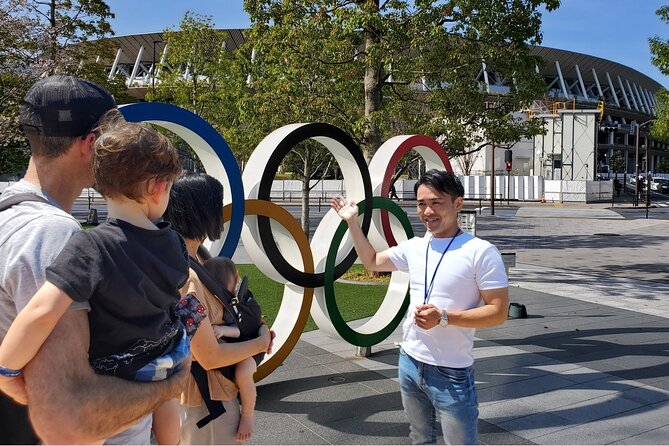
This is the kind of Tokyo tour that makes buildings feel readable. Instead of treating architecture as a background detail, you walk with a guide who points out what to look for and why it matters—shape, materials, street-level design, and how different districts “act” differently.
The tour also respects your time. It’s private (only your group), and it’s built for mobility using public transport. Even the structure of the day—mixing Ginza, Roppongi, Omotesando, Harajuku/ Takeshita Street, Shibuya, and Daikanyama—creates a clean storyline: polished business Tokyo, then galleries and design, then youth culture, then the main-city traffic theater.
You can also read our reviews of more tours and experiences in Tokyo.
Price and Logistics: What the Group Rate Really Means
The tour is priced at $424.58 per group for up to 9 people, lasting about 6 to 8 hours. If you have a small group, the cost per person depends on how many seats you fill, so it can be a better deal for families, small friend groups, or anyone traveling with design-minded companions.
A few logistics points help you judge value:
- Booking window: it tends to be reserved well ahead (on average 77 days), so early planning is smart.
- Mobile ticket: makes the day feel simpler—less last-minute fuss.
- Public transport route: you’re not stuck in a slow, one-way taxi shuffle. You move through the city efficiently.
- Bottled water included: a small line item that becomes a big deal when you’re out for hours.
If you hate long transit days, this isn’t a museum-march tour. It’s a city-walk tour, and walking time plus travel time adds up fast.
The Route: How Each District Changes the Architecture Story
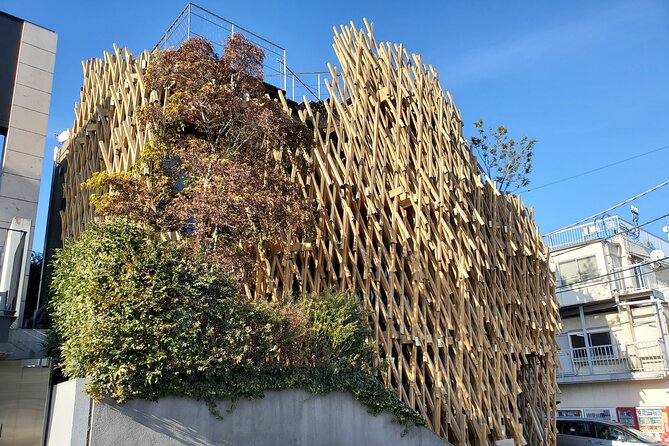
This itinerary is built like a guided architecture scrapbook. Each stop is short enough to keep momentum, but long enough for your eyes to adjust to a district’s style.
You’ll start in Ginza, shift into major contemporary/cultural architecture around Tokyo International Forum and Roppongi, then head into design-forward shopping streets like Omotesando. From there it turns sharper and more youthful with Takeshita Street, hits the intensity of Shibuya crossing, and finishes in a calmer pocket of shops and cafés around Daikanyama.
That ending matters. A day like this can leave you with sensory overload. Daikanyama helps you land the plane—still stylish, but with a less frantic feel.
Ginza Stop: Boutiques, Galleries, and High-End Modern Lines
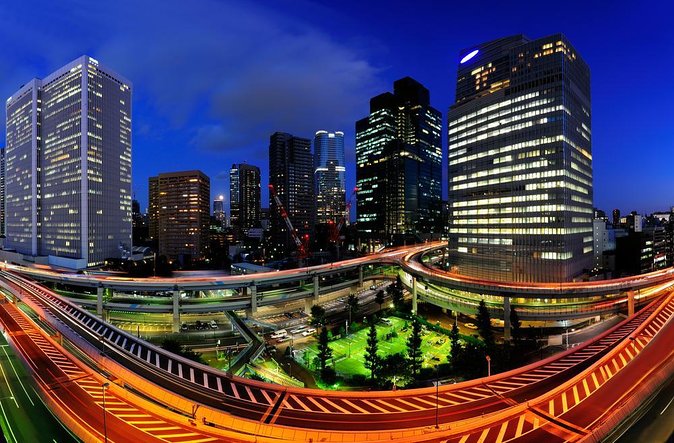
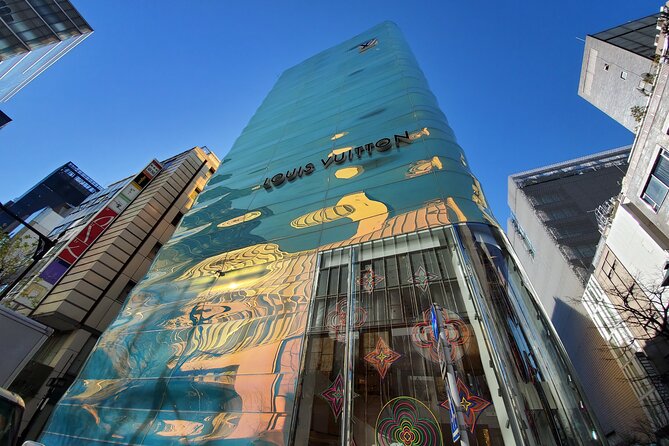
What you’ll find: Ginza is Tokyo’s polished showcase area: boutiques, intimate galleries, stylish shops, and cutting-edge architecture.
Why it’s a smart start: Ginza gives you a baseline. Before you jump into edgier design zones, you get a sense of Tokyo’s more “curated” side—clean layouts, sharp facades, and architecture that’s often meant to be seen from the sidewalk as much as from inside.
Practical tip: Go in ready to look up and down. In places like this, street-level rhythm (entrances, setbacks, signage scale) tells you as much as the building’s headline shape.
Potential drawback: This is one of the most popular parts of Tokyo, so pedestrian flow can be tight. Your guide’s pacing helps, but expect the area to be busy.
Tokyo International Forum: Postmodern Architecture as a City Landmark
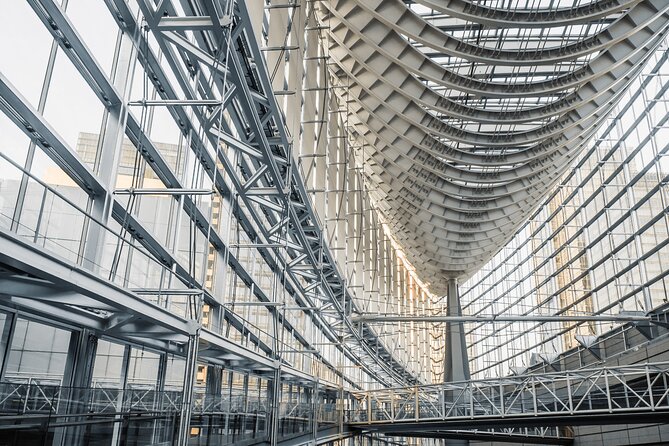
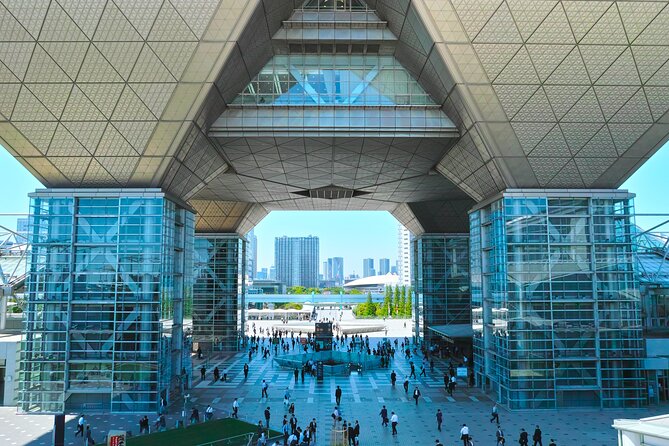
What you’ll find: The Tokyo International Forum is described as a postmodern masterpiece by Uruguay-born American architect Rafael Viñoly. It also functions as a major convention and art center.
Why this stop clicks for architecture lovers: You’re not just looking at a building; you’re looking at a machine for events—spaces designed to gather people. Postmodern design often plays with contrasts (mass and voids, structure and surface), and this is a place where that kind of design shows up in a big, confident way.
Timing note: The stop here is relatively short (around 15 minutes). You’ll get the key beats, but it won’t feel like a slow sit-and-study museum visit.





Roppongi: The Art Triangle and Museum Power
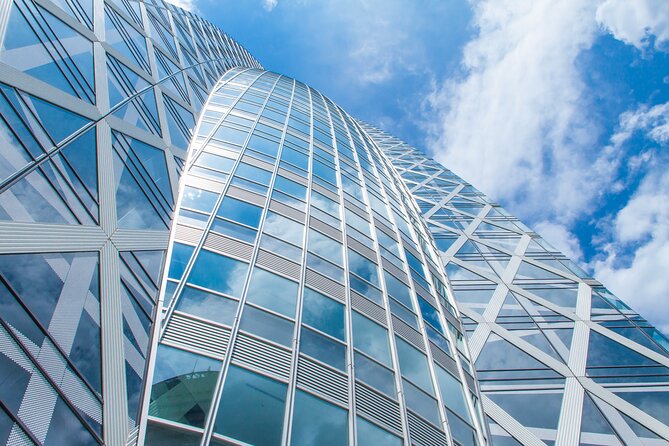
What you’ll find: Roppongi has art galleries and what’s known as the Art Triangle Roppongi, built around the National Art Center, Mori Art Museum, and Suntory Museum of Art. The neighborhood also includes major cultural venues.
Why it’s valuable: Roppongi is where Tokyo’s contemporary art “infrastructure” becomes obvious. Even if you’re not going into every museum, the area itself teaches you something: Tokyo invests in art spaces as part of its everyday urban identity.
Practical advice: If you’re the type who likes to pause and take photos, plan to do it here. This district tends to give you more viewpoints and exterior angles worth catching.
Potential drawback: Roppongi can feel like a hub neighborhood, meaning you’ll move through crowds. A private tour helps keep you from getting swallowed by the flow.
Omotesando and Prada Area: Fashion Streets Meet Architecture
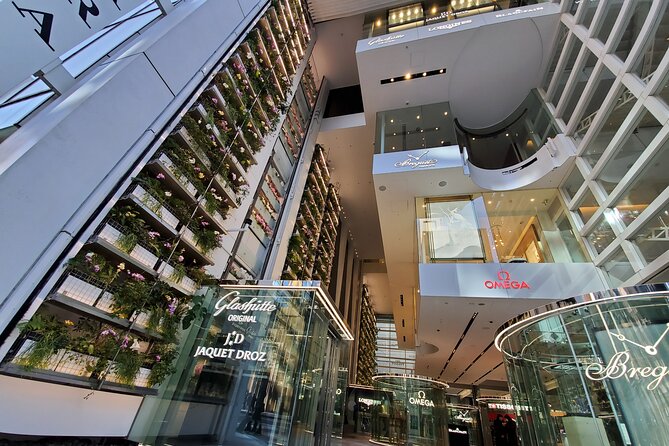
What you’ll find: Omotesando is Tokyo’s high-end fashion and jewelry corridor, with a strong collection of striking buildings. The tour includes a start at the Prada flagship designed by the Swiss firm Herzog & de M… (the tour notes this as part of the stop).
Why this part matters: This is where Tokyo architecture becomes fashion architecture. The “design language” often shows up in how buildings frame the sidewalk, how they handle corners, and how materials catch light. If you care about how form supports branding (not just function), this area is a treat.
Potential drawback: Like many famous shopping streets, you can hit slowdowns when stores are packed. You’re still moving, but it’s less about escaping crowds and more about seeing how Tokyo designs for them.
Takeshita Street: Youth Fashion and Outrageous Street Design
What you’ll find: Takeshita Street in Harajuku is built for youth culture. You’ll see unique fashion trends and bold, sometimes outrageous design in both what people wear and how the streets look.
Why it’s a good contrast: After the sleek architecture of Ginza and Omotesando, Takeshita is a different kind of visual language. It’s not “architecture as monument.” It’s architecture and street life as expression.
Practical tip: Bring patience for photo moments. This area rewards quick pauses, but it also gets dense.
Potential drawback: If you’re in a slow-mobility day or you prefer quiet streets, this stop might feel intense.
Shibuya Crossing: The Main-Stage Intersection
What you’ll find: Shibuya crossing is described as the busiest intersection in the world—and it makes Times Square feel slow by comparison. This is the moment Tokyo stops being about buildings and turns into city choreography.
Why it belongs on an architecture-and-art tour: Tokyo’s built environment isn’t just vertical. Shibuya shows how the city is designed for flow—crosswalk patterns, sightlines, and the way buildings wrap the street-level stage.
Practical tip: Stand where your guide suggests and watch the timing. It’s one of those places where architecture becomes a timetable you can see.
Potential drawback: You’re outdoors and in a loud crowd zone. If you’re sensitive to sensory overload, it may help to pick your photo angle quickly and then step back.
Daikanyama: A Slower Finish With Shops and Tsutaya
What you’ll find: Daikanyama and nearby Nakameguro are known for boutiques and cafés, with a different atmosphere and less hectic pace than more famous areas. The tour notes the Tsutaya book store in this area.
Why it’s the best landing spot: After a day of crossings and fashion energy, Daikanyama gives you softer edges. It’s still stylish, but it feels more like wandering than bracing.
What to look for: Pay attention to storefront rhythm and sidewalk comfort—how the street invites you to linger. This is a good place to slow down and reset.
What the Local Guide Adds (Richie, Riley, and Masa)
The strongest theme from the guides is follow-through. You’re not just being told where to go—you’re getting a narrative for what you see and help staying oriented.
I especially like that the guides named in the experiences come across as hands-on: Richie is described as very knowledgeable and great at planning a full day; Riley is highlighted for strong English and for being responsive to suggestions while guiding through historical and modern architecture; Masa is noted for being friendly, accommodating requests, and showing both exterior and interior views when possible.
Also, one of the practical perks: the day plans can adjust. When conditions like rain show up, a good guide helps you keep your momentum without making it feel like you lost the whole itinerary.
Walking, Subway, and Steps: What Your Body Should Expect
This isn’t a low-key stroll. Even though each stop is mostly short, the overall day can be long. One review mentioned logging about 13,000 to 20,000 steps and using local train transit with an IC card.
One more real-world detail: there can be a lot of time underground moving between areas. That’s not wrong—it’s how Tokyo keeps you moving through weather and congestion—but it’s still time on your feet.
If you don’t love underground travel, treat it as a planning conversation. One response noted that bus and taxi might be more fun than relying solely on subway for future days. In practice, you can ask your guide whether they can mix in more surface streets when the schedule allows.
My practical advice:
- Wear shoes that survive long outdoor-to-underground transitions.
- Bring a small towel or tissues if you’re prone to sweat issues.
- If it’s hot, pace yourself earlier in the day so you don’t crash by Shibuya.
Is This Tour for You?
Book it if you want a Tokyo architecture and contemporary art day that mixes big landmarks with real neighborhood texture. It’s a great fit for design lovers, first-timers who want smart coverage, and small groups who’d rather have a guide than a chaotic crowd.
It’s not the best fit if you want mostly inside-only museums, or if you dislike crowds and long walking days. The tour’s character is outdoor city design plus frequent transit.
Should You Book This Tokyo Architecture and Contemporary Art Tour?
Yes—if you’re excited by modern Tokyo’s visual contrasts and you like the idea of learning while moving. The combination of private pacing, a guide who can explain both historical and modern building choices, and an itinerary that covers Ginza, Roppongi, Omotesando, Takeshita Street, Shibuya, and Daikanyama makes it a strong way to see Tokyo’s architecture without guessing your own route.
If you’re deciding at the last minute, choose this when you want a structured day that still feels flexible. And give yourself plenty of time for your feet—because Tokyo will make you earn the views.
FAQ
How long is the Tokyo Architecture and Contemporary Art Walking Tour?
The tour lasts about 6 to 8 hours.
Is this tour private, and how many people are in a group?
Yes, it’s private. The price is listed per group for up to 9 people, and only your group participates.
Where do I meet the guide, and is pickup offered?
You meet your guide at a central point in Tokyo. The tour also mentions pickup is offered, and the general idea is meeting outside your hotel.
Do I need to pay admission fees at the stops?
The itinerary notes free admission tickets for the listed stops.
What neighborhoods and landmarks does the tour cover?
You’ll visit Ginza, Tokyo International Forum, Roppongi, Omotesando, Takeshita Street, Shibuya crossing, and Daikanyama.
Do I get a mobile ticket?
Yes, the tour includes a mobile ticket.
What should I expect in terms of walking and transit?
It’s a walking tour supported by public transport, and you should expect a long day of movement between areas. Some portions may involve underground travel.