REVIEW · TOKYO
Japanese Garden & Western Architecture: Akasaka exploration tour
Book on Viator →Operated by OTOMO Travel Guide · Bookable on Viator
Tokyo can be loud. Then Akasaka slows you down. This guided walk through Japanese garden beauty and Tokyo’s Edo-and-beyond story lets you trade skyscraper views for calm paths, ponds, and Edo-period context. I love the 400-year-old Japanese garden stop and how the guide ties what you’re seeing to the Tokugawa shogunate era. I also like the mix of quiet nature and high-profile landmarks, from a state guesthouse vibe to Meiji-era art in a dome. One watch-out: you’ll do a fair amount of walking and the tour doesn’t include a meal, so plan your energy and snacks.
A big part of the appeal is the pairing: you kick up the mood with Edo-era spiritual tradition at Inari Shrine and then cool down with garden stroll time. You’ll also get a proper Akasaka orientation beyond just photos, with guide explanations that help the place make sense. If the Akasaka Palace entrance fee is on your must-see list, budget 2,000 JPY extra because it’s not included.
In This Review
- Key things to look forward to
- Akasaka in 3 to 4 hours: where Edo-era stories meet modern Tokyo
- Hotel New Otani Japanese Garden: 400 years of waterfalls and seasonal plants
- Inari Shrine and park time: the Edo-period mood shift you’ll feel
- Akasaka Palace (State Guesthouse): seeing Japan’s VIP reception side
- Meiji Memorial Picture Gallery: a dome museum for Meiji-era art
- Jingu Gaien ginkgo tree-lined street: Tokyo’s four-season photo moment
- Getting the most from your guide: calm, flexible, and good at English
- Price and logistics: what $82.42 really buys you
- Who this Akasaka tour fits best (and who might want something else)
- Should you book this Japanese Garden & Western Architecture Akasaka exploration?
- FAQ
- How long is the Akasaka exploration tour?
- Where does the tour start and end?
- Is this tour private?
- What’s included in the tour price?
- Are entrance fees included?
- Do I need cash?
- Is there food included?
- Can I cancel for a full refund?
Key things to look forward to
- Hotel New Otani Japanese Garden’s 400-year legacy with waterfalls, seasonal plants, and classic garden viewpoints
- Akasaka Palace State Guesthouse access for a rare, VIP-feeling look at how Japan receives foreign guests
- Meiji Memorial Picture Gallery’s dome setting showing Meiji-era paintings and murals
- Jingu Gaien ginkgo arches for those four-season Tokyo photo moments
- Guides who keep it calm and flexible (Ayako-san, Sayaka, Mutsuko Takano, Ume show up in the guide lineup you might get)
Akasaka in 3 to 4 hours: where Edo-era stories meet modern Tokyo
This is a short, focused tour built for people who want “Tokyo with a pulse,” but not the all-day rush. You’re looking at about 3 to 4 hours total walking time, starting at Akasaka-Mitsuke Station and ending at Gaiemmae Station, so it feels like a real route through the district rather than a loop of one big stop.
The theme is Edo-period Japan, specifically the Tokugawa shogunate, filtered through places you can actually stand in and look at. You’ll also get a spiritual stop that’s part of local tradition: there’s time to experience the Inari Shrine segment that’s often framed as warding off bad spirits. After that, the tone shifts toward gardens and parks, which is exactly what you want in a city that never fully shuts up.
Because it’s a private tour, it’s just your group with the guide. That matters if you have questions, want to slow down for a view, or you’d like the pace adjusted if someone in your group is tired.
You can also read our reviews of more tours and experiences in Tokyo.
Hotel New Otani Japanese Garden: 400 years of waterfalls and seasonal plants
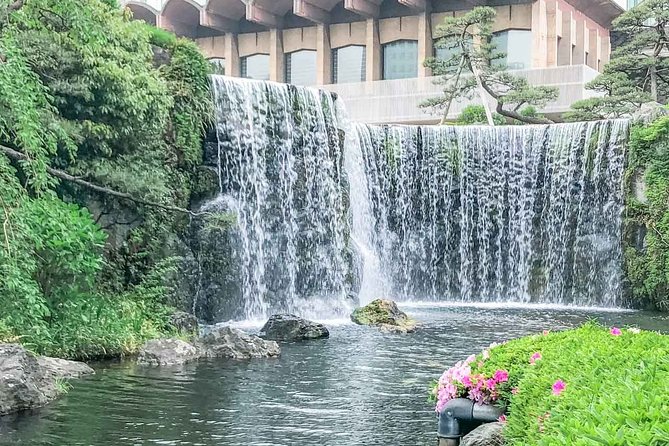
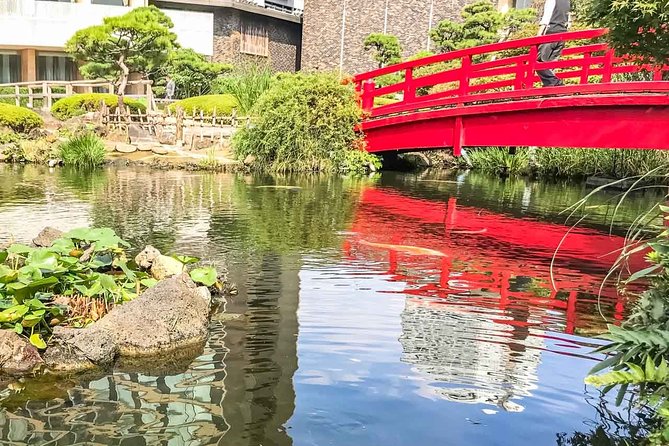
The morning (or first stop, depending on your start time) begins at Hotel New Otani Japanese Garden, a spot with a reputation for doing the basics extremely well: water, rocks, paths, and a carefully planned sense of quiet.
You can expect a large Japanese garden with features like waterfalls and seasonal plants. The tour description calls out how the garden changes with the time of year, including cherry blossoms in spring, deep greenery in summer, and colorful illumination in autumn. That’s useful because you’re not just looking at one “pretty moment.” You’re seeing how the garden is meant to be read across seasons.
Practical tip: give yourself permission to pause. In a garden like this, the best views often come when you stop walking for a minute and let your eyes adjust. The guide can help point out what to look for, but the garden still rewards your own pace.
Possible drawback: garden time can feel slow compared to the pace of Tokyo streets. If you’re the type who wants nonstop motion, you might find you need to lean into the calm for this portion to feel worth it.
Inari Shrine and park time: the Edo-period mood shift you’ll feel
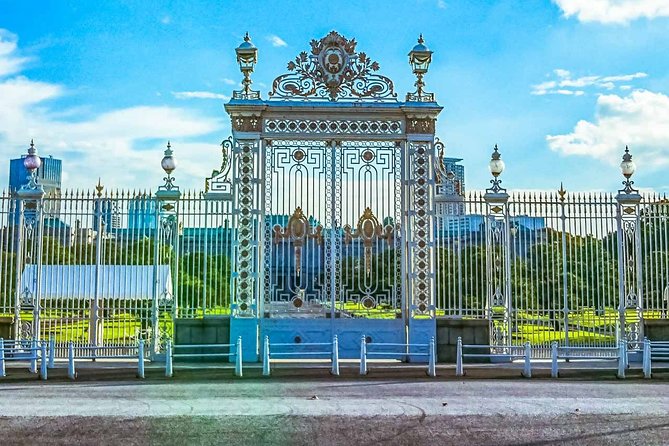
The tour’s story doesn’t stay in museum-land. It moves into lived-in tradition. After the garden segment, you’ll spend time around the Inari Shrine experience as part of the “kick out bad spirits” theme. It’s not presented like a lecture. It’s more like a cultural stop you can sense immediately through atmosphere and local practice.
Then you shift into park walking. The overall tour description specifically mentions Shimizudani Park as part of the Edo-area stroll feeling. Even if you don’t know the district’s history, this kind of park time helps you understand why this area works as a counterweight to Tokyo’s skyscraper blur.
What you’ll likely like here: the tour gives you a reason to pay attention to details—how spaces are arranged for calm, where you’re meant to stop, and how the Edo narrative fits into everyday city geography.
Akasaka Palace (State Guesthouse): seeing Japan’s VIP reception side
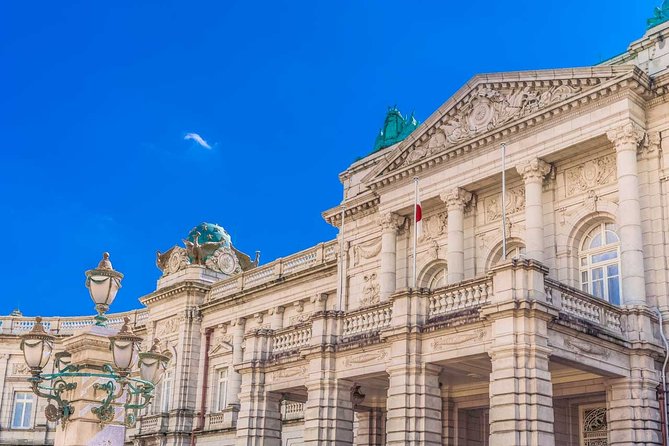
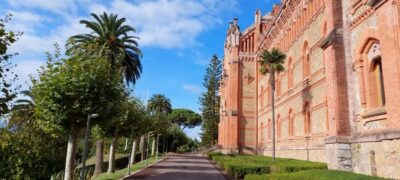
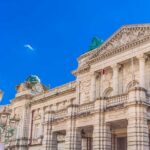
This is the stop that many people end up talking about afterward. Akasaka Palace is described as a guest reception facility for visitors from around the world, including heads of state, and it’s easy to see why it creates that “VIP” feeling.
The highlight is the luxurious, castle-like appearance. It’s not just architecture as decoration; it’s architecture with a job. The guide’s job here is to connect the site’s modern importance with the broader historical throughline the tour is chasing.
Important budget note: the Akasaka Palace entrance fee is 2,000 JPY per person, and it’s listed as not included. If you’re trying to keep costs tight, confirm your willingness to add that amount before booking.
Possible drawback: some doors open only in limited ways, and security rules can affect how long you spend in certain zones. If you’re chasing a specific angle for photos, don’t assume you’ll have unlimited time at every spot.
Meiji Memorial Picture Gallery: a dome museum for Meiji-era art
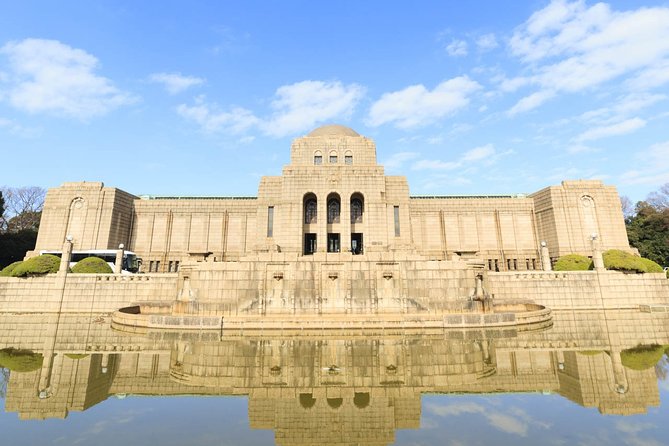
Next up is the Meiji Memorial Picture Gallery, described as a dome-shaped museum focused on the Meiji era. Inside, you’ll find paintings and murals, and the building’s exterior-to-garden view is part of the experience too.
Why this stop works in the middle of the tour: the itinerary’s theme starts with Edo-era Tokugawa context, then it brings you forward into the Meiji era. That shift helps you see Japan’s story as a timeline, not a single “old Japan vs. new Japan” comparison.
What you’ll like if you enjoy visual storytelling: murals and paintings can make history feel less abstract. With a guide, you’re not stuck reading labels—you get narrative threads tying what you see to what it meant at the time.
Possible drawback: it’s an indoor stop, so if you’re visiting during bad weather, it’s a benefit; if you love outdoor walking, you might wish it lasted longer. The trade-off is that museums are great for slowing down without getting cold or wet.


Jingu Gaien ginkgo tree-lined street: Tokyo’s four-season photo moment
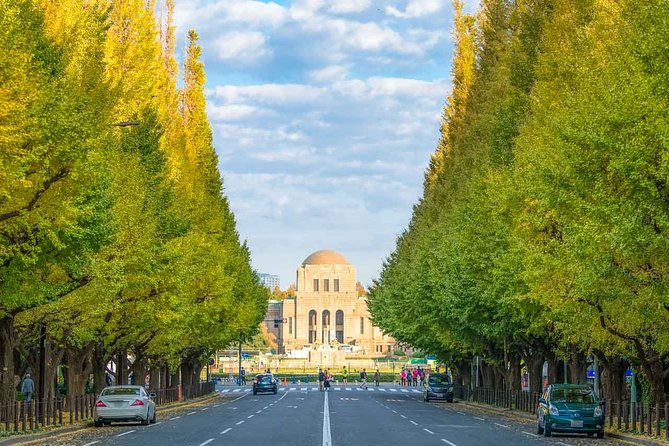
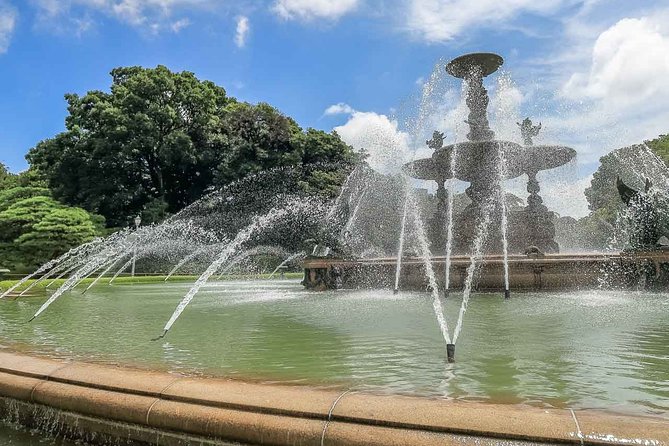
After the museum, the tour returns to the kind of scene Tokyo does best: street rhythm and seasonal texture. The Jingu Gaien ginkgo tree-lined street is famous for the look of ginkgo arches, and the tour calls out that you can enjoy scenery across the four seasons.
This is one of those stops that’s easy to enjoy even if you don’t know the history in advance. Trees form natural frames. Sunlight hits differently by season. The whole area turns into a calendar you can walk through.
Practical tip: wear shoes you can stand in. Ginkgo streets often mean you’ll stop for photos and let the guide’s pointers land. If your feet are already tired from earlier walking, you’ll feel it here.
Getting the most from your guide: calm, flexible, and good at English
A tour like this rises or falls on the guide. The good news is that OTOMO’s guide style shows up in the feedback you’re likely to hear about: calm delivery, flexibility, and strong English.
Names that appear in the guide lineup you might get include Ayako-san, Sayaka, Mutsuko Takano, and Ume. One useful detail: Ayako-san is noted for helping a guest with a reservation at an authentic tea shop. That’s the kind of “small extra” that can turn a good tour into a useful one, because it helps you keep exploring after the tour ends.
You can also expect the guide to help you understand why certain spots matter. It’s not just “look at the garden.” It’s “here’s what this arrangement and these symbols meant in the bigger story.”
Price and logistics: what $82.42 really buys you
At $82.42 per person, this tour is priced for a guided, private, multi-stop experience. The tour includes a guide and covers the necessary expenses for the guide during the tour. You’re also offered mobile ticket access, which is handy for a city where moving between stations is half the game.
Here’s the part you should plan for: admission costs. The tour lists an estimated additional cost of about 2,000 JPY per person, with Akasaka Palace entrance fee set at 2,000 JPY. Transportation is listed as 0 JPY in the estimate, but the tour info also states that transportation costs (if any arise) are borne by the customer. So in real life, I’d treat this as: you’ll likely pay the palace fee, and you should still keep a little cash for local movement and small purchases.
You also need to be ready for cash. The tour notes that some spots don’t accept credit cards, so bring enough yen. That’s not romantic advice. It’s the difference between finishing the tour smoothly and doing quick wallet gymnastics.
Meal reality check: the tour doesn’t include a dining spot. So if you’re booking mid-day, plan a snack or decide where you’ll eat after you finish at Gaiemmae Station.
Who this Akasaka tour fits best (and who might want something else)
You’ll likely love this tour if you:
- Want a history-meets-nature Tokyo day, not just shopping or big-city landmarks
- Like Japanese gardens and appreciate seasonal changes more than you appreciate “fast and loud”
- Prefer a private guide who can answer questions and adjust the pace
You might rethink if:
- You dislike walking and standing around for views
- You want a full meal included (this one does not)
- You’re trying to avoid any extra fees beyond the listed price, since Akasaka Palace has a clear 2,000 JPY entrance fee
Also, it’s worth noting the booking demand: it’s commonly booked about 164 days in advance. That’s a strong sign this tour has repeat-friendly appeal and limited spots.
Should you book this Japanese Garden & Western Architecture Akasaka exploration?
If your Tokyo trip has room for one guided route that turns “Edo-era Japan” into something you can actually feel underfoot, I’d book it. The mix of Japanese garden calm, a high-profile look at Akasaka Palace, and history-focused art at the Meiji Memorial Picture Gallery makes the time feel efficient. And the guide factor looks strong, including options like Ayako-san and Mutsuko Takano-style English delivery, plus helpful extras like tea shop reservation assistance.
Just go in knowing the practical bits: bring comfortable shoes, plan for a walking pace, carry some cash, and budget the palace entrance fee. If you do those things, you’ll end with photos that look great and context that actually sticks.
FAQ
How long is the Akasaka exploration tour?
It’s about 3 to 4 hours.
Where does the tour start and end?
It starts at Akasaka-Mitsuke Station and ends at Gaiemmae Station.
Is this tour private?
Yes. It’s a private activity, and only your group participates.
What’s included in the tour price?
The tour includes a tour guide and the necessary expenses for the guide during the tour.
Are entrance fees included?
No. Entrance fees are not included, and Akasaka Palace (State Guesthouse) lists an entrance fee of 2,000 JPY per person.
Do I need cash?
Yes. Some of the visited places do not accept credit cards, so bring cash.
Is there food included?
No. The tour does not include a dining spot.
Can I cancel for a full refund?
Yes, you can cancel up to 24 hours in advance for a full refund.