REVIEW · TOKYO
Private Ueno Park Architecture Tour
Book on GetYourGuide →Operated by Showcase Tokyo Architecture Tours · Bookable on GetYourGuide
Ueno turns modern Japan into walkable stories. This private Ueno Park architecture tour strings together major modern landmarks so you can see how ideas changed from the late 1800s to today, and it does it in a smart order. I especially love starting at the Le Corbusier-designed National Museum of Western Art and pairing that with Kunio Maekawa’s Tokyo Bunka Kaikan across the street. One consideration: with so much to see, the 3.5 hours can feel a little tight if you want long, slow time inside every museum hall.
I like that the tour is guided by an English-speaking expert and built for questions, not just photos. You meet in front of the National Museum of Western Art (Uenokōen 7-7, Taitō-ku) and you get museum entry to Tokyo National Museum plus a short break with drinks. And yes, if you book an evening slot, the same buildings can feel different—lighting changes everything in architecture, even when you stay in the same spot.
In This Review
- Key Highlights I’d Plan Around
- Ueno Park Is a Smart Starting Point for Modern Architecture
- Meeting at the National Museum of Western Art (UNESCO 2016): Your Le Corbusier Launchpad
- Tokyo Bunka Kaikan and Kunio Maekawa: The Respecting-Mentor Story in Two Steps
- The International Library of Children’s Literature: When Renovation Is Part of the Design
- Tokyo National Museum: Four Architectural Works Across 1908–1999
- Why the Ending Lets You Wander: Your Pace Matters
- The Night Tour Angle: Same Buildings, New Feel
- Private Group Pacing: Why It Works So Well for First-Timers
- Price and Value: Is $158 Worth a 3.5-Hour Architecture Walk?
- Logistics That Matter (Without Getting You Stuck)
- Who This Tour Suits Best
- Should You Book This Ueno Park Architecture Tour?
- FAQ
- Where does the tour start?
- What is the tour duration?
- How many stops are included?
- Is Tokyo National Museum admission included?
- What languages are available for the guide?
- Is this a private tour?
- Will the tour include time to explore after the guided part?
- Does the tour include a break?
- What happens if the National Museum of Western Art is closed?
- Is hotel pickup included?
Key Highlights I’d Plan Around
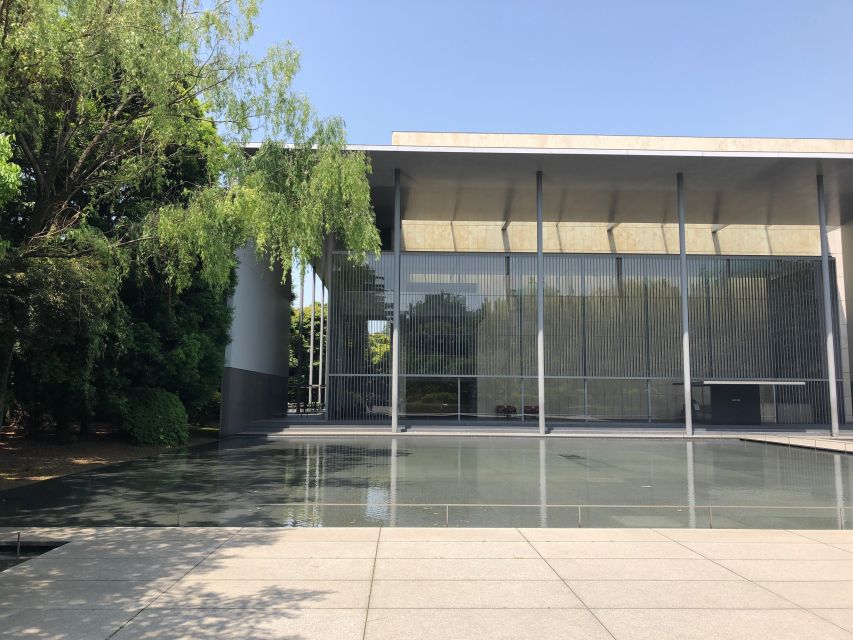
- Le Corbusier at UNESCO level from your first stop: the National Museum of Western Art anchors the whole route.
- Kunio Maekawa’s Tokyo Bunka Kaikan is an instant follow-up: same mentor story, opposite side of the street.
- A tour that treats preservation as part of design: the children’s literature library focuses on renovation and continuity.
- Tokyo National Museum’s four-spot architecture circuit: Hyokei-kan, Hon-kan, Toyo-kan, and the Gallery of Horyuji Treasure.
- Private pacing with real Q&A time: I like this format, especially if you are new to Japanese modern architecture.
- Evening tour option for different perspective: you can appreciate details differently after dark.
Ueno Park Is a Smart Starting Point for Modern Architecture
Ueno Park is often known for art and culture, but that also makes it a practical place to study architecture without wasting time on long commutes. You’re basically walking through a timeline: how buildings took shape as Japan modernized, then how later architects interpreted those changes with their own priorities.
I also appreciate that this tour isn’t framed like a shopping loop. You’re in Ueno for the buildings, not for storefronts or quick window-shopping stops. That focus is a big deal, because architecture only clicks when you slow down enough to look at entrances, materials, and layout—things you tend to miss when you’re bouncing between busy retail streets.
You can also read our reviews of more tours and experiences in Tokyo.
Meeting at the National Museum of Western Art (UNESCO 2016): Your Le Corbusier Launchpad
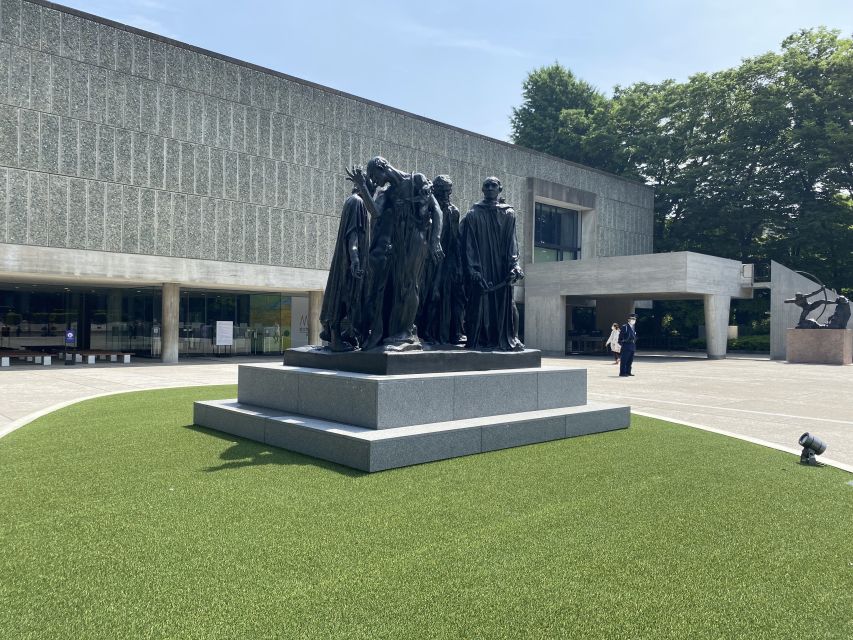
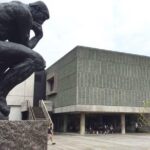
Your tour begins at the National Museum of Western Art, right in front of the building. This matters because it sets the tone instantly: you’re not starting with a lecture, you’re starting with the architecture itself.
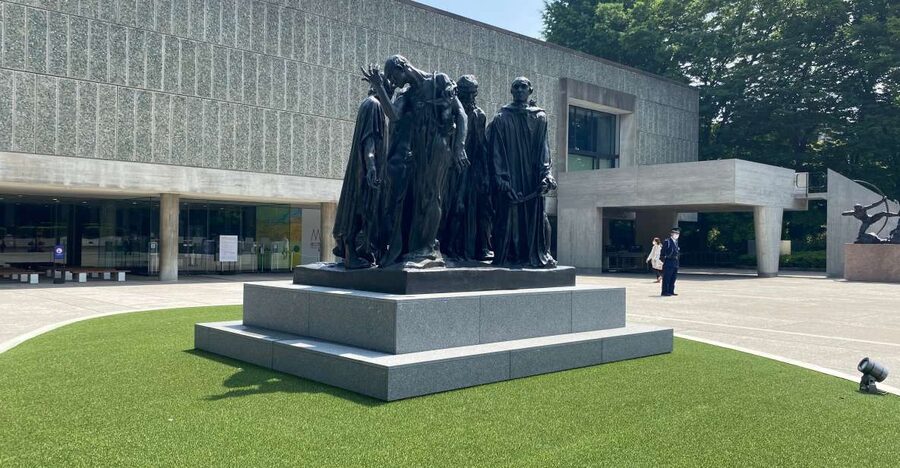
This is a Le Corbusier-designed museum, and it was designated as a UNESCO World Cultural Heritage Site in 2016 for its modern architectural value. From there, the guide can connect the idea of modernism to what you can actually see: the building’s form, how it frames space, and why international modern design took root in Tokyo in the first place.
There’s also a practical heads-up built into the tour: from 23rd Jan 2023 to 28th Feb 2023, the National Museum of Western Art was scheduled to close, so the museum wouldn’t be visited inside during that period. The guidance would still happen outside, so you’d still get the architectural interpretation, just without entry.
Tokyo Bunka Kaikan and Kunio Maekawa: The Respecting-Mentor Story in Two Steps
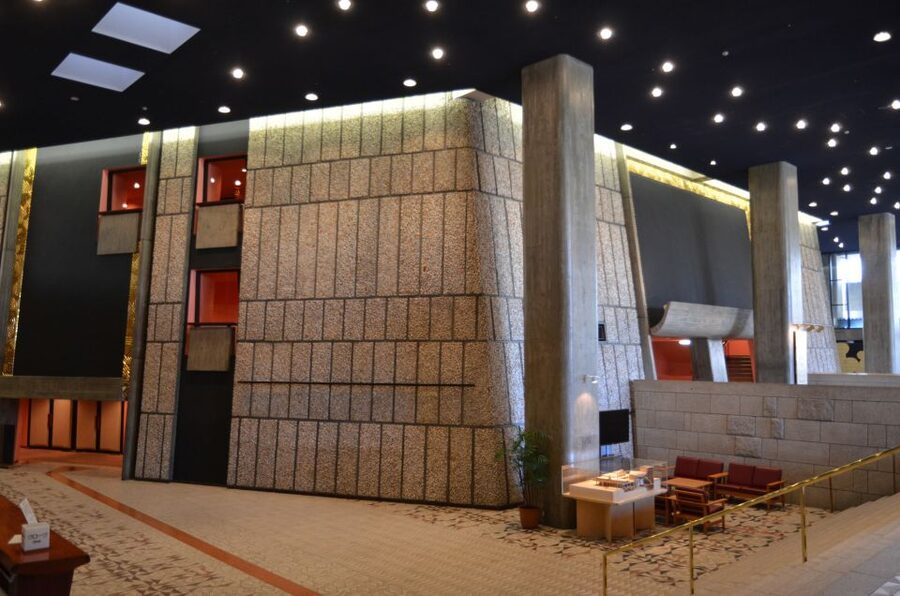
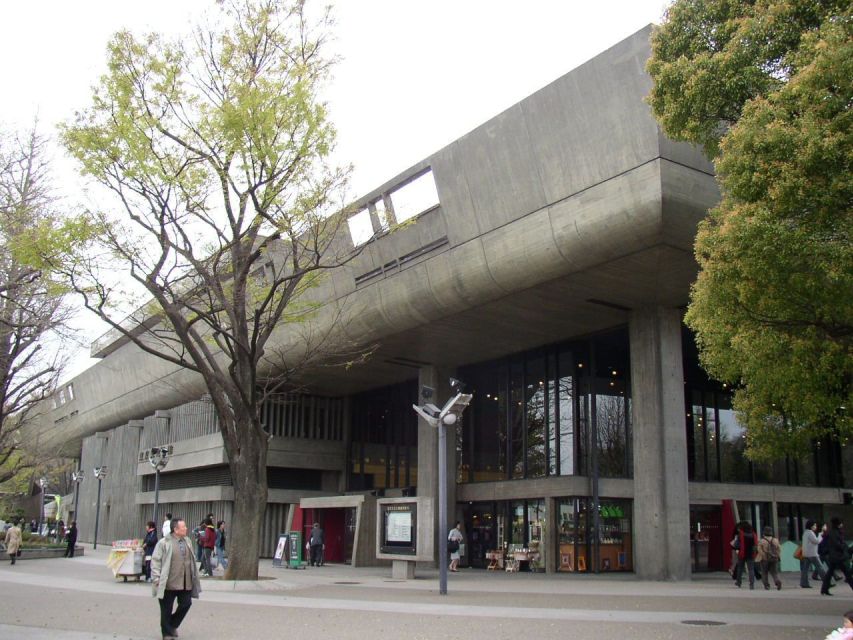
After the Le Corbusier museum, you move to Tokyo Bunka Kaikan, which sits just opposite. This is where the tour earns its momentum, because you’re walking between two architectural minds with a clear relationship.
The tour is set up to highlight Kunio Maekawa’s expressions of respect for his mentor, and this building helps you understand that connection without needing a deep academic background. Maekawa is described here as one of Le Corbusier’s local apprentices, and that apprenticeship idea becomes a thread you can follow: what gets borrowed, what gets adapted, and what gets reinterpreted to suit local needs.
Even if you only notice small differences at first, the guide’s framing helps you see patterns—like how an architect might keep a modern spirit while changing the building’s expression. That mentor-to-student lineage is one of those things that sticks after the tour, because you start noticing it in other cities too.
The International Library of Children’s Literature: When Renovation Is Part of the Design
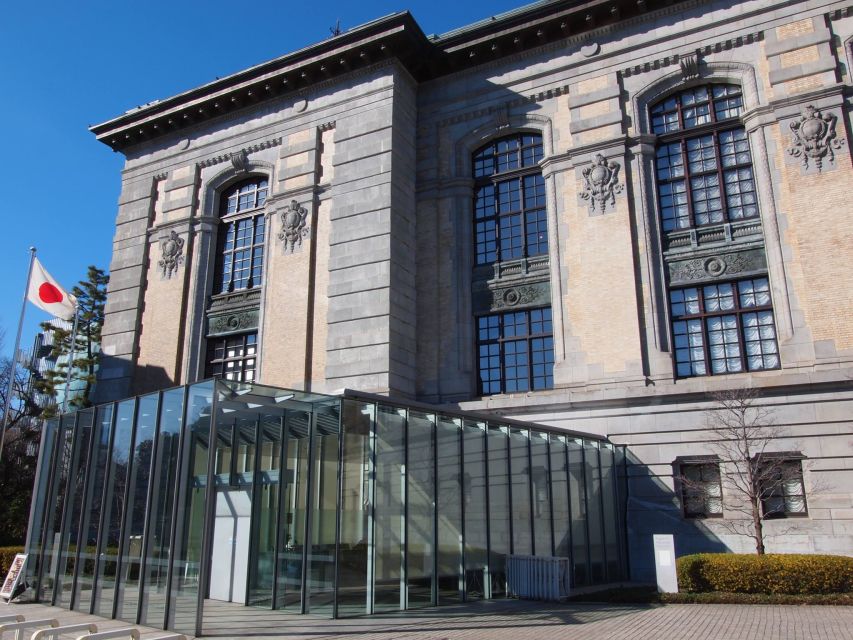
Next up is the International Library of Children’s Literature. This stop is refreshing because it shifts the story from style to stewardship: how do you keep a building working and meaningful as time passes?
You’ll observe the preservation and renovation work, and the tour also points out a new arch-shaped annex building. The combination is useful for your mental model. It’s not just about what a building looked like when it was new; it’s about how the structure stays relevant—how it’s maintained, updated, and expanded without losing its identity.
If you like architecture that feels lived-in rather than frozen in time, this is the part that often lands best. And for families, the library stop makes sense on a human level even when you’re focused on design details.
Tokyo National Museum: Four Architectural Works Across 1908–1999
Your route then leads to Tokyo National Museum, and this is a big one. The tour includes admission here, which matters because you’ll actually be using the museum time instead of just passing by from the outside.
The guide focuses on four architectural works:
- Hyokei-kan
- Hon-kan
- Toyo-kan
- Gallery of Horyuji Treasure
These buildings reflect the historical background of different eras between 1908 and 1999. That time span is the key. Instead of treating the museum as one block, the tour uses it as an architectural timeline you can read with your eyes. You begin to notice how design choices respond to changing priorities—how plans and facades evolve, and how each era leaves a signature.
A practical note: because the tour is 3.5 hours total, you won’t have infinite time in every hall. But you do get a good structure, and at the end you can explore collections at your own pace. That blend—guided orientation first, then freer wandering—helps you avoid the common problem of rushing or freezing once the tour ends.
Why the Ending Lets You Wander: Your Pace Matters
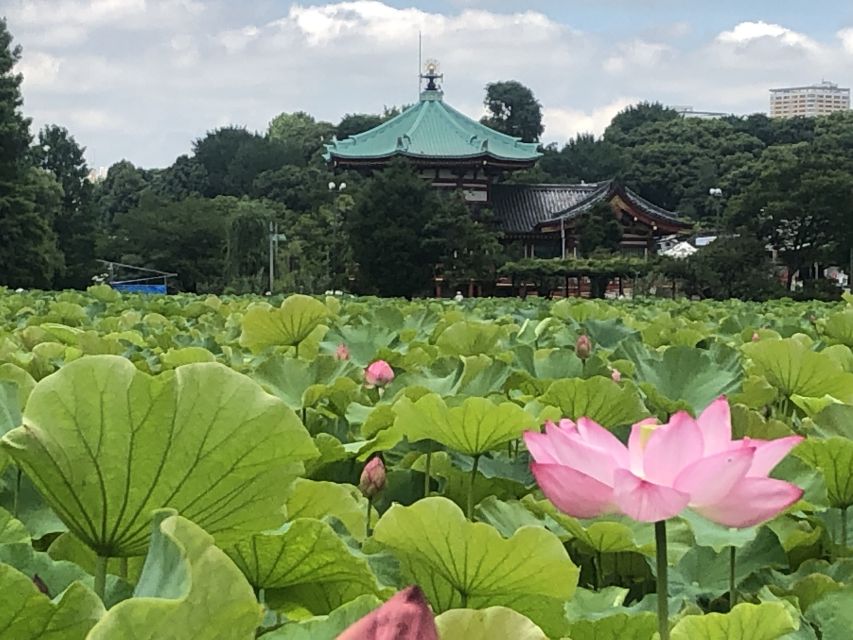
I like that the tour doesn’t lock you into a rigid loop until the very last second. After the guided architecture highlights, you can explore the collections at your own pace.
That matters because architecture and art don’t always hit the same way for everyone. Some people will want more time reading details on the buildings; others will want to step inside exhibits and connect the architecture to the collections they’re housing. Ending back at the meeting point also keeps the logistics simple: you’re not trying to stitch together transport right as you leave the museum zone.
The Night Tour Angle: Same Buildings, New Feel
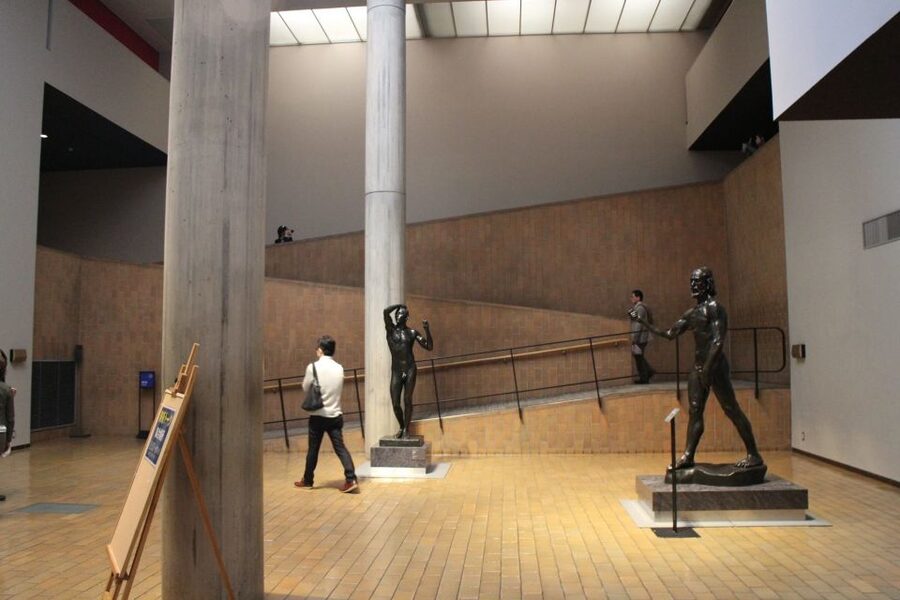
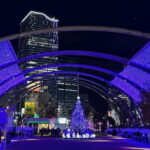
One highlight mentions taking the tour at night to appreciate the masterpieces from a different perspective. Lighting really changes perception in architecture—shadows grow longer, surfaces look different, and edges become easier to track.
If you can, I’d treat an evening slot like a bonus layer, not a replacement. Daytime helps you see materials and proportions. Night helps you see atmosphere—how the buildings hold space and how your eye moves across forms when the surroundings quiet down.
Private Group Pacing: Why It Works So Well for First-Timers
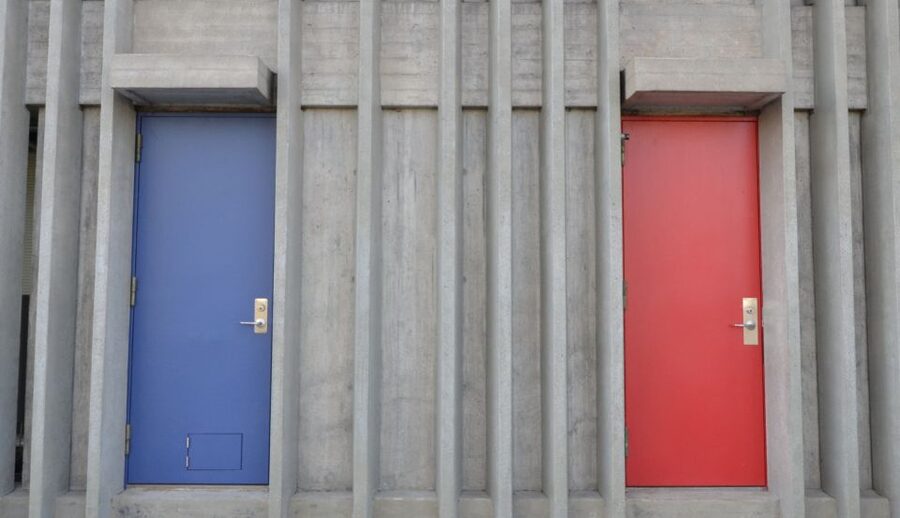
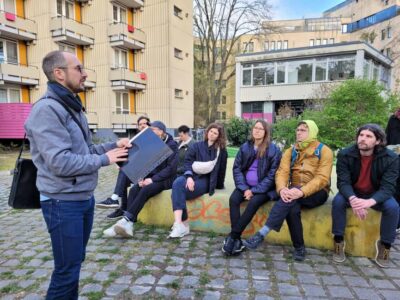
The tour is private, which changes the feel immediately. In a small group, you’re less likely to lose the thread when you ask a question, and the guide can slow down when something visual needs a little extra explanation.
The provided review information highlights a guide named Mari as warm, funny, and passionate, with strong English and real experience. That kind of guide energy matters because architecture can feel abstract until someone connects it to what you’re looking at right in front of you.
Also, since this is your first private architecture tour, you’re not stuck absorbing everything at once. You can request clarifications and get answers on the spot, which is the fastest path to actually remembering what you saw.
Price and Value: Is $158 Worth a 3.5-Hour Architecture Walk?
At $158 per person, this tour sits in the practical-but-not-budget category. Whether it’s a good value depends on what you want.
Here’s what you get that supports the price:
- An English-speaking guide who leads a route designed around major architectural sites.
- Admission fee included to Tokyo National Museum.
- A break with drinks.
- A private group format, which usually means better pacing and more direct Q&A.
What you don’t get:
- Hotel pickup and drop-off.
So the value equation usually comes down to time and focus. If you like self-guided wandering, you might spend less money. But if you want someone to connect the buildings into a coherent story—especially the Le Corbusier to Maekawa connection—then the guide adds real value. And if Tokyo National Museum entry would otherwise be one more plan you have to manage, that included admission also makes the tour easier.
And remember one useful consideration echoed in the information: there’s a lot in the park, and 3 hours can feel short. If you’re the type who likes to linger, plan to do a little extra independent exploring after the guided portion.
Logistics That Matter (Without Getting You Stuck)
This tour runs for 3.5 hours, so you’re moving at a comfortable walking pace with stops that are set up for architectural learning rather than long museum detours. You meet in front of the National Museum of Western Art and the tour ends back at the same meeting point, which helps you avoid end-of-tour confusion.
Dress for walking. Ueno is a park area, so you’ll be on foot between several buildings. If you’re going in colder or rainier conditions, wear shoes you trust, because the tour is about looking closely at details, not standing around waiting for weather to improve.
Who This Tour Suits Best
This is a great fit if you want:
- A guided introduction to Japanese modern architecture in a concentrated area.
- A route that connects international modernism (Le Corbusier) to Japanese interpretation (Maekawa).
- Architecture-focused stops that also address preservation and renovation, not just the original designs.
- A format that works well for your questions, because it’s private and the guide can respond.
It may not be the best match if you want:
- Extremely long museum time without guidance.
- A tour that prioritizes shopping or casual browsing more than architecture.
- A slow, hours-long deep study in Tokyo National Museum, because the tour time is limited by design.
Should You Book This Ueno Park Architecture Tour?
I’d book it if you want a coherent, walkable story about modern architecture in Tokyo, starting with a UNESCO Le Corbusier landmark and then building connections through Maekawa, the children’s library renovation work, and the Tokyo National Museum’s architectural sequence from 1908 to 1999.
If you do like to linger, treat the tour as your architectural orientation and then plan a bit of extra self-guided time at the museum afterward. If you want the day handled for you—meeting point, guided route, and museum entry included—this format is a strong choice.
Overall: it’s one of those tours where the route design does a lot of the thinking for you, so you can spend your energy looking at buildings and asking the questions that make the details click.
FAQ
Where does the tour start?
It starts in front of the National Museum of Western Art, Uenokōen 7-7, Taitō-ku, Tōkyō-to 110-0007, Japan.
What is the tour duration?
The tour duration is 3.5 hours (starting times vary by availability).
How many stops are included?
The tour includes stops at the National Museum of Western Art, Tokyo Bunka Kaikan, the International Library of Children’s Literature, and Tokyo National Museum.
Is Tokyo National Museum admission included?
Yes. The admission fee to the Tokyo National Museum is included.
What languages are available for the guide?
The guide provides live touring in Japanese and English.
Is this a private tour?
Yes. It is a private group tour.
Will the tour include time to explore after the guided part?
Yes. After the architecture highlights, you can explore the collections at your own pace.
Does the tour include a break?
Yes. There is a break time with drinks included.
What happens if the National Museum of Western Art is closed?
From 23rd Jan 2023 to 28 Feb 2023, the National Museum of Western Art was closed. During that time, you would not be able to visit inside, but guidance would still be given outside.
Is hotel pickup included?
No. Hotel pickup and drop-off are not included.