REVIEW · CHICAGO
Chicago: Food, History and Architecture Tour
Book on GetYourGuide →Operated by Intrepid Urban Adventures · Bookable on GetYourGuide
Chicago tastes like history. This guided loop turns architecture into a story and adds Chicago’s iconic food right along the route. You start with downtown landmarks and hidden pedestrian paths, then wrap up at Millennium Park before the meal.
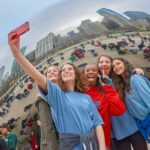
I especially like two things: the way the guide points out building details you’d miss from street level, and the payoff at Millennium Park’s Bean with skyline views you can actually see and photograph. For most people, the pacing feels relaxed because the group is capped at 12.
One consideration: it’s not a sit-and-stroll day. You’ll walk about 4.8 to 6.4 km (3 to 4 miles), rain or shine, so bring good shoes and plan for cold weather if you’re visiting outside summer.
In This Review
- Quick hits for your Chicago day
- Why this food-and-architecture combo works in Chicago
- The small-group advantage (and why it matters for the details)
- Pedway and downtown tunnels: Chicago’s underground secret
- The Prohibition thread: stories built into landmarks
- Inside-or-near landmark Chicago: where the tour pays off
- Riverwalk to Millennium Park: ending with the Bean shot
- The food plan: three classic Chicago bites that actually feel different
- Popcorn tasting and small local touches
- Price and value: is $99 worth it for 4.5 hours?
- Who this tour fits best (and who should consider skipping)
- Weather, pace, and what to bring so the day feels easy
- Should you book the Chicago Food, History and Architecture Tour?
- FAQ
- How long is the Chicago Food, History and Architecture Tour?
- How many people are in the group?
- What food is included in the tour?
- Are vegetarian options available?
- How much walking is involved?
- Does the tour run in bad weather?
- Is the tour child-friendly?
- Is there a cancellation policy?
Quick hits for your Chicago day
- Pedway time: Underground tunnels locals use, plus an easy way to understand Chicago’s downtown design.
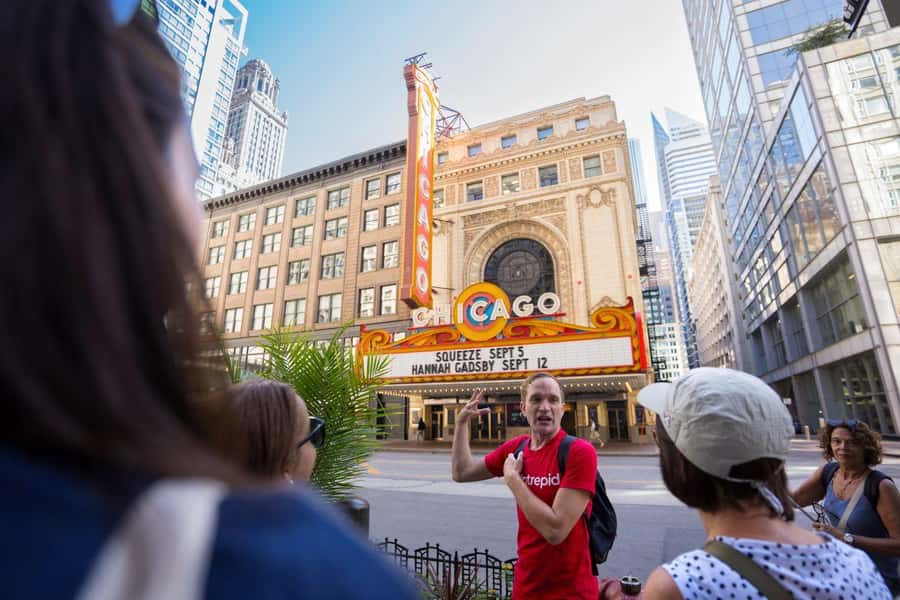
- Prohibition-era stories tied to real landmarks like the Chicago Theater and the London House.
- Small-group feel with a max of 12 people, so you can ask questions without a wall of headsets.
- Millennium Park finish at the Bean, then straight into classic Chicago bites.
- Three food stops with samples: hot dog, deep-dish pizza, and Italian beef, plus Chicago-style popcorn.
Why this food-and-architecture combo works in Chicago
Chicago is one of the few American cities where eating and architecture are tightly linked. The same blocks that tell the story of steel, money, and ambition also shaped the neighborhoods and businesses that served working people and visitors alike.
This tour keeps that connection front and center. You get the skyline and landmark “wow,” but you also get the context—how Chicago grew, how eras like Prohibition left marks, and why the city’s food became its own identity.
You can also read our reviews of more tours and experiences in Chicago.
The small-group advantage (and why it matters for the details)
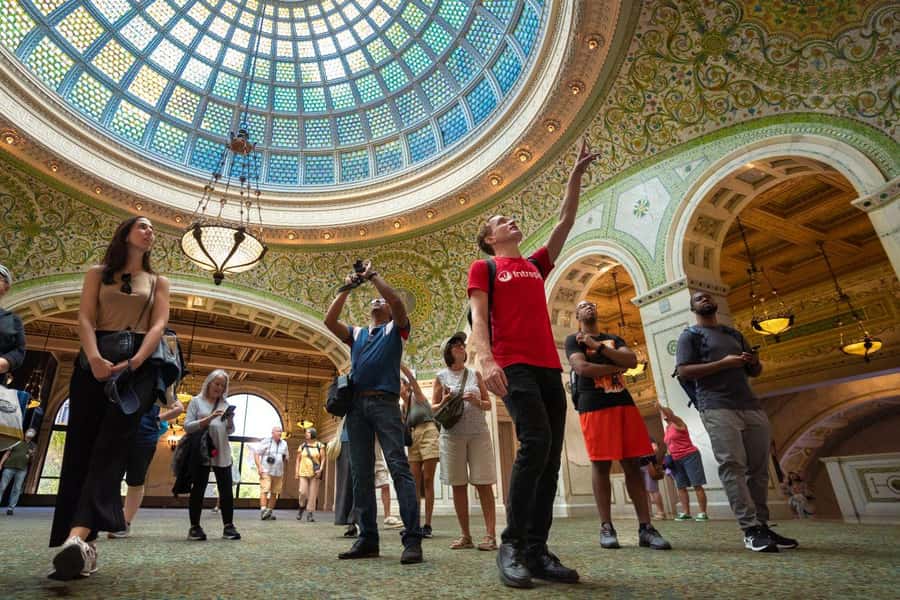
A max group size of 12 is a real upgrade here. It changes the tone: it’s more conversational, and the guide can move at a human pace instead of rushing to cover ground.
You also get a better chance to notice small architectural cues—materials, shapes, and design choices—because the guide can pause and explain. Reviews repeatedly mention guides going inside certain buildings when possible, so your eyes pick up more than just postcard exteriors.
You’ll hear different guide names across departures—Daniel, Chicago Dave, Dash, Rich, Kevin—and the common thread is energy and strong storytelling. That’s what makes the “architecture” part feel personal instead of like a facts sheet.
Pedway and downtown tunnels: Chicago’s underground secret
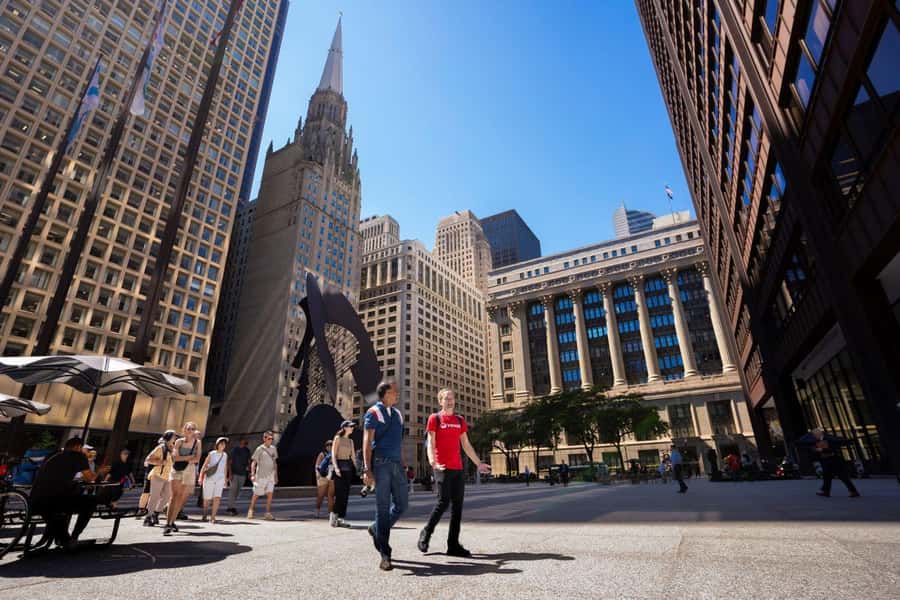
One of the most memorable parts is the Pedway—Chicago’s underground, connected-walkway system. It’s not just a novelty. It’s a practical piece of city life that helped downtown stay walkable in harsh weather and between major buildings.
The tour uses the Pedway to help you understand how Chicago thinks. Instead of forcing people to constantly go outside, the city designed ways to connect destinations—office towers, retail, and transit—without losing time.
If you’ve ever wondered how Chicago commuters survive winter, this is your quick answer.
The Prohibition thread: stories built into landmarks
Chicago’s Prohibition-era legacy shows up in the way the city remembers its past: old entertainment venues, landmark hotels, and buildings tied to people who wanted access, privacy, and fun.
On this tour, Prohibition isn’t treated like an isolated history lesson. It’s connected to visible landmarks you’ll pass—like the Chicago Theater area, the Willis Tower vicinity, and the Art Deco London House. The guide’s job is to connect those dots so the era feels real instead of distant.
That matters because architecture is often dated and context-free unless someone explains what was going on when a place was built—or when it was at its busiest.
Inside-or-near landmark Chicago: where the tour pays off
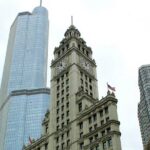
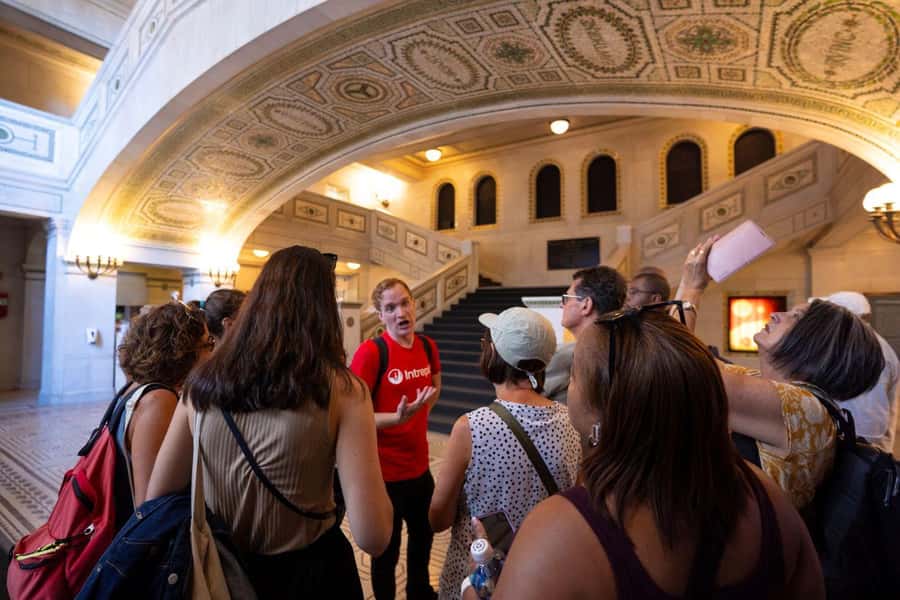
This walk is structured around several “anchor” sites. You’ll work through downtown areas linked to the Chicago skyline and major landmarks, including the Chicago Cultural Center and the Wrigley Building. Even when you’re not stepping into every stop, the guide’s commentary is aimed at helping you see what the building is trying to say.
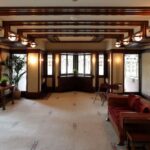
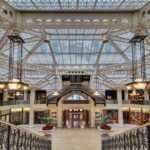
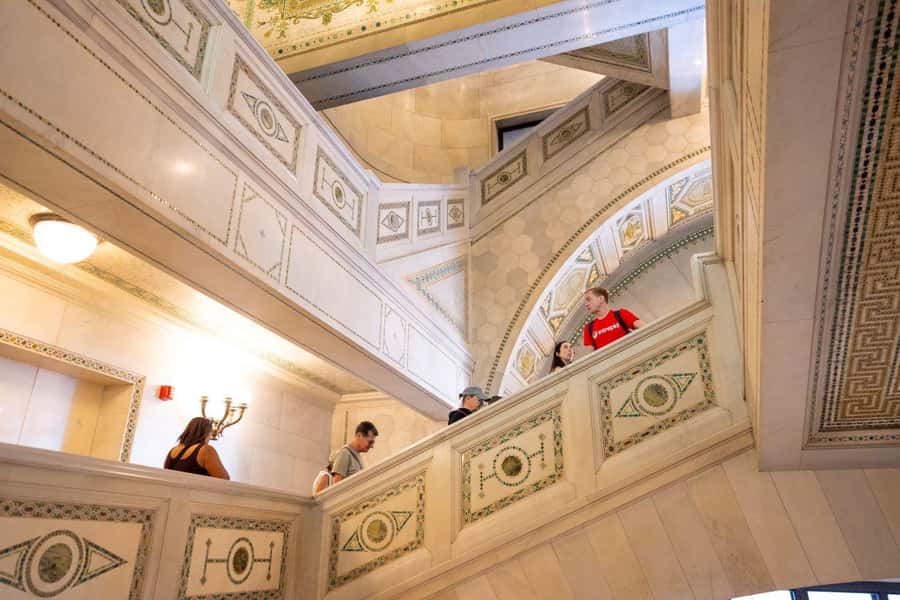
The Cultural Center is a strong example of why this tour works. It’s the kind of place where interior design details can change your whole impression. Reviews also mention stops where guides take the group into buildings and highlight design work that would be invisible from the sidewalk.
You might also see stops that go beyond the biggest names depending on the day and pacing. Some departures have included places like the library and even Macy’s, with time for a closer look at big decorative details. That kind of add-on is a big reason the experience feels more than a basic route.

Riverwalk to Millennium Park: ending with the Bean shot
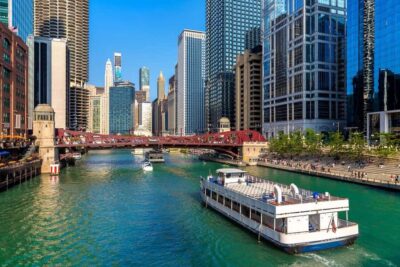
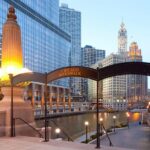
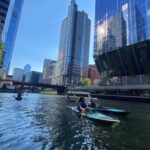
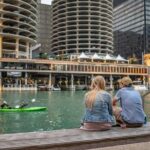
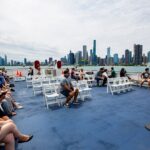
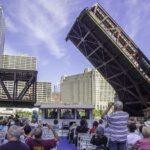
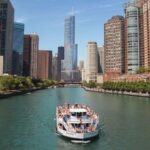
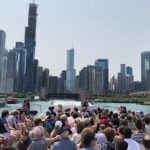
After the landmark-and-Prohibition portion, the tour heads to the Chicago Riverwalk. This is your transition from “history and design” into “Chicago in motion,” with the river setting the tempo for photos and viewpoints.
Along the way, you’ll pass notable buildings such as the Marina Towers and the Wrigley Building again, depending on your exact route that day. The point is to make the skyline feel navigable: you learn how to orient yourself so you can come back later without needing a guide.
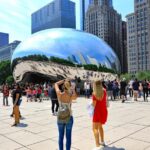
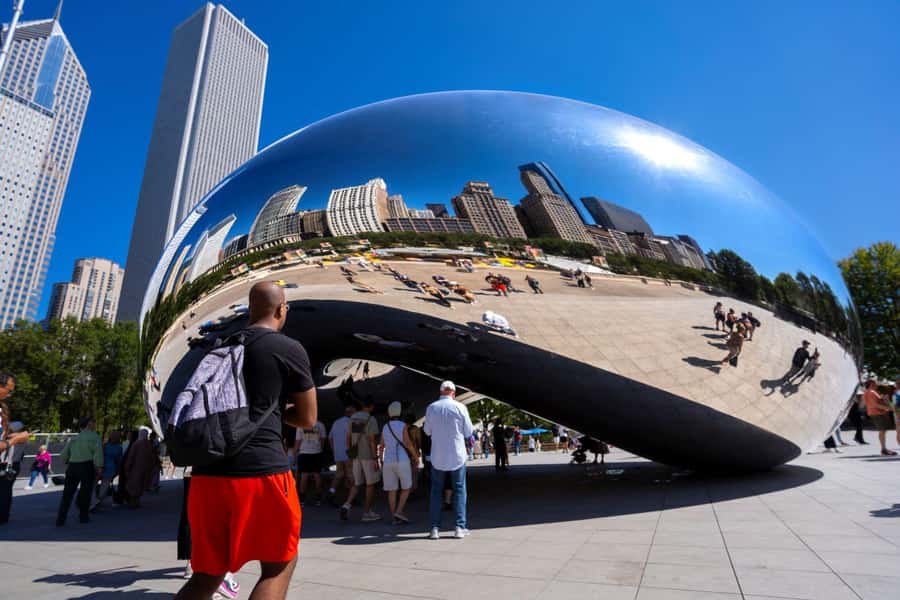
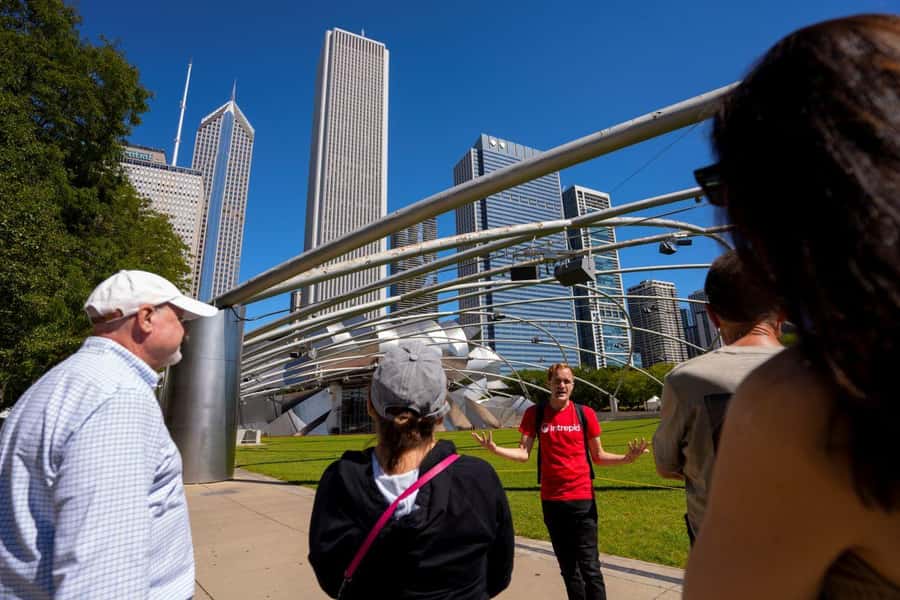
Then the tour lands at Millennium Park for the Bean. This is the moment where the city’s architecture becomes a backdrop for your own Chicago memories. It’s also the clean handoff: you finish the big sight stop, take a breath, and move into food.
If you plan to photograph, this is the time to be ready. Wear something that doesn’t make you fumble with winter gloves or a scarf knot.
The food plan: three classic Chicago bites that actually feel different
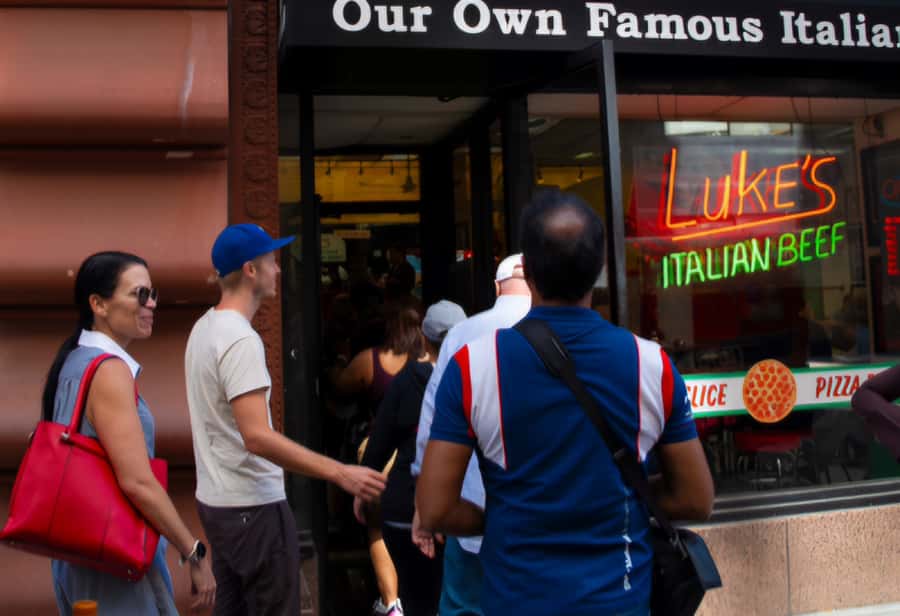
This is not a snack-only tour. It includes three food stops with three samples—and the guide’s goal is to make the total amount equal to a full meal.
The signature picks are:
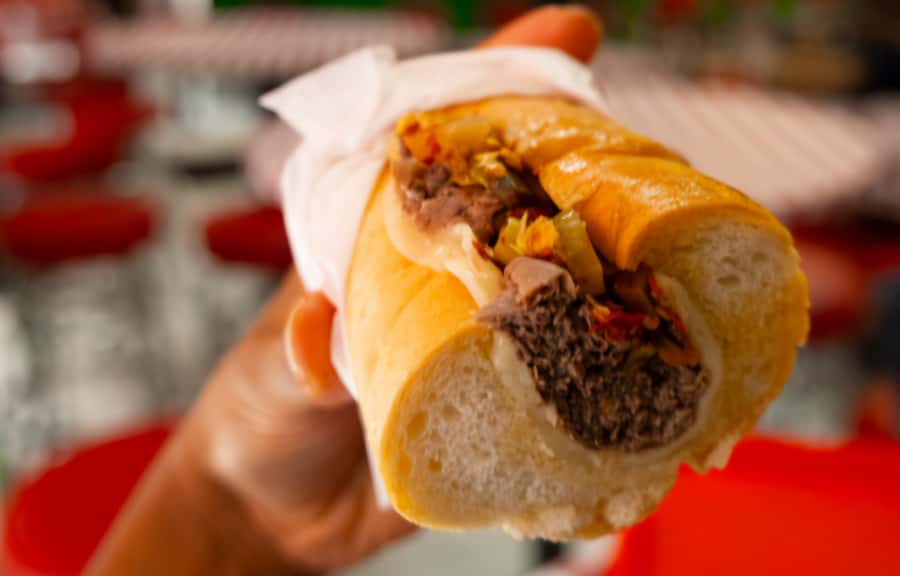
- Chicago-style hot dog
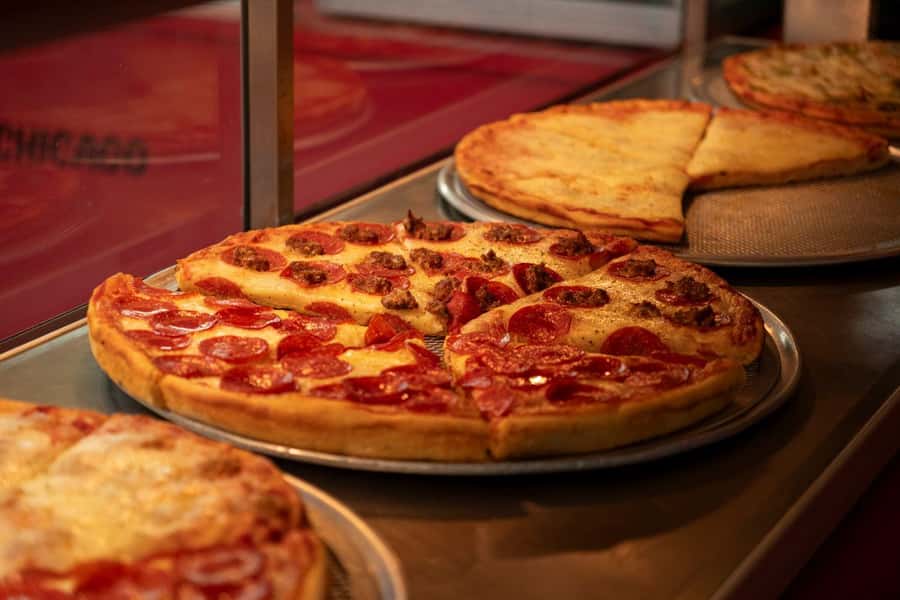
- Deep-dish pizza
- Italian beef (served as an Italian beef sandwich)
Each one tells a different part of Chicago’s food story. The hot dog is fast, street-smart, and built around toppings and ritual. Deep-dish pizza is Chicago’s “bigger is better” statement—thick crust, heavy bake, and a meal-by-itself mindset. Italian beef sits somewhere else: savory, saucy, and tied to the city’s casual-eats culture.
On the day I’d plan this kind of tour, I’d treat the meal as your lunch replacement. Some departures have a structure where architecture comes first and the food portion runs later, but either way the goal is that you won’t leave hungry.
Food timing also matters for comfort. If you’re sensitive to walking on a full stomach, you might want to start the tour properly fueled and then rely on the included bites.
Popcorn tasting and small local touches
You also get Chicago-style popcorn as part of the included experience. It sounds minor, but these small touches help the tour feel local instead of like museum hopping with dinner tacked on at the end.
Popcorn works as a bridge snack too. It keeps energy steady while you’re still walking between landmarks and then gearing up for the main bites.
Price and value: is $99 worth it for 4.5 hours?
At $99 per person for about 4.5 hours, the value comes from three places.
First, you’re paying for a guided walking experience with a real focus—architecture, Prohibition-era context, and city layout. Second, you’re getting three food samples plus popcorn, and the total food amount is intended to equal a full meal. Third, the small-group size (max 12) helps you feel more connected to the guide and the city.
If you were trying to build this day yourself, you’d likely spend similar money on guided access plus three paid restaurant stops—and you’d still lose the storyline. The guide’s job is to make the skyline and the food feel like one plan instead of separate outings.
Who this tour fits best (and who should consider skipping)
This tour fits best if you want a clear overview day. It’s a strong choice for first-timers who want a way to orient themselves in downtown Chicago fast.
It’s also good for people who like their history told with specifics. The Prohibition element, paired with named landmarks like the Chicago Theater and London House, makes it easier to remember.
If you hate walking, you’ll probably feel it. The route covers 4.8 to 6.4 km (3 to 4 miles), and the day runs in weather—rain, shine, or snow—so you need shoes you can trust and clothing that handles the day.
Weather, pace, and what to bring so the day feels easy
Bring comfortable shoes. This is the kind of tour where foot comfort affects your entire mood.
Dress for the weather. The tour runs in rain, shine, or snow, so plan for layers and a hood or rain shell if forecasts call for it. The cold can make pictures harder and waiting in lines less fun, so keep your clothing practical.
Also, the pacing is described as careful by multiple guide stories—so you’re not meant to sprint. Still, you’re on your feet for a while, so take it as a walk-first plan.
Should you book the Chicago Food, History and Architecture Tour?
I’d book this if you want a single afternoon that hits Chicago’s three big themes—architecture, Prohibition-era stories, and classic eats—without doing three separate tours. The small-group size and the guide-led building details are the secret sauce.
Skip it if you only want one type of experience. If you’re strictly here for food, you might prefer a pure food-focused day. If you’re strictly here for architecture, you might want an option that stays longer on skyline viewpoints or observation spots.
If you’re on the fence, think about your goal. This tour is built for people who want to leave with both a full belly and a better sense of where Chicago’s stories live.
FAQ
How long is the Chicago Food, History and Architecture Tour?
It lasts about 4.5 hours.
How many people are in the group?
The tour has a maximum of 12 travelers.
What food is included in the tour?
You get three food stops with three food samples, such as a Chicago-style hot dog, deep-dish pizza, and Italian beef, plus Chicago-style popcorn tasting.
Are vegetarian options available?
Vegetarian options can be accommodated, but other food allergies or dietary preferences can’t be guaranteed. Let the operator know in advance if you have dietary requests.
How much walking is involved?
The tour covers between 4.8 and 6.4 km (3 to 4 miles).
Does the tour run in bad weather?
Yes. It operates rain, shine, or snow.
Is the tour child-friendly?
Yes, it’s a child-friendly walk tour, and children under age 6 can join free of charge.
Is there a cancellation policy?
Free cancellation is available up to 24 hours in advance for a full refund.