REVIEW · TOKYO
Tokyo: Shibuya Highlights Walking Tour & Secret View Spot
Book on Viator →Operated by Local Guide Stars · Bookable on Viator
Shibuya is easier when someone leads. This tour keeps you from wandering by handling the route, so you can focus on the sights—starting with Shibuya Crossing. I also like that you get built-in time for photos at the busiest intersection instead of trying to guess the best corner on your own.
Two things really stand out for me: the small-group feel and the guide attention. Guides such as Hannah and Mao are specifically called out as friendly, helpful, and story-driven, and that matters in Shibuya, where street layouts can feel like a maze even when you think you are close.
One consideration: the Shibuya scramble square stop is described as an observation-deck moment, but you may not end up with the big, panoramic view you expect in every scenario. One guest flagged that the panoramic element did not land as advertised, so set your mindset to short, guided viewing rather than a long viewpoint session.
In This Review
- Key highlights to look for
- Getting oriented fast with a guide who knows Shibuya
- Shibuya Crossing and the scramble square view stop
- Nonbei Yokocho: izakaya lanes with a more old-school feel
- Miyashita Park illuminations and the youth-favorite energy
- Center-gai main streets: where Shibuya feels like Shibuya
- Shibuya Mark City basement: a smart detour away from the noise
- Price and what makes it good value for 90 minutes
- Timing, weather, and how to get the best photos
- Who should book this Shibuya highlights walk
- Should you book the Tokyo Shibuya Highlights Walking Tour?
- FAQ
- How long is the Shibuya Highlights Walking Tour?
- What are the main stops on the tour?
- Is this a small-group tour?
- Does the tour include admission or entrance fees?
- Will I get my tickets on my phone?
- What happens if the weather is poor?
Key highlights to look for
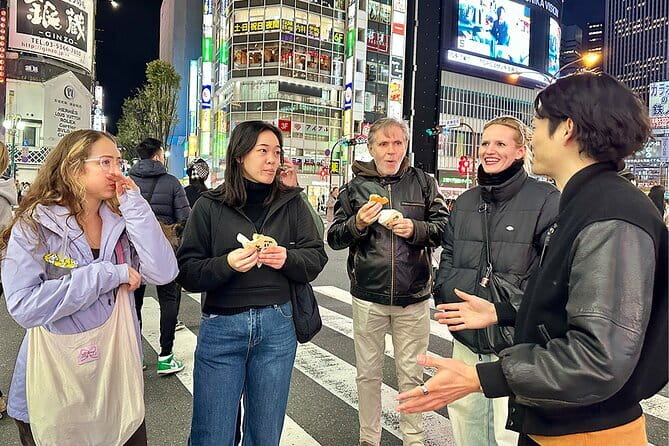
- Guided, no-getting-lost routing through Shibuya’s streets and crossings
- Shibuya Crossing photo time at the world-famous scramble
- Observation-deck stop at Shibuya scramble square for a higher-angle glance
- Nonbei Yokocho for a small-lane taste of traditional izakaya vibes
- Miyashita Park illuminations stop with a popular youth-friendly atmosphere
- Center-gai and Mark City for street life plus a basement-level Shibuya detour
Getting oriented fast with a guide who knows Shibuya
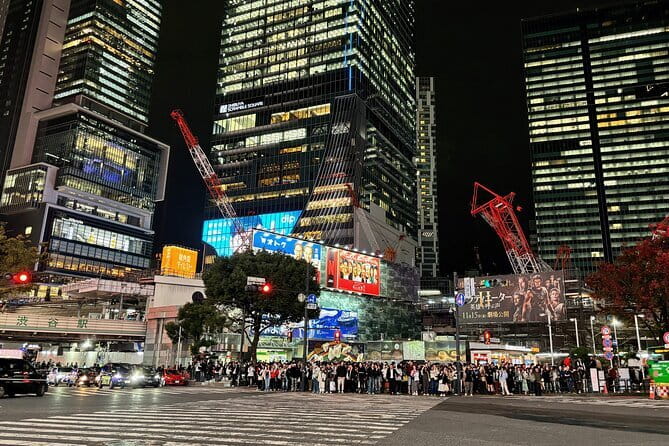
Shibuya can overwhelm you fast. Big screens, thick crowds, and streets that braid together make it easy to lose your bearings even if you are using your phone. This is why I like tours with a leader: you trade a chunk of your time researching for an hour and a half of momentum.
You meet at SHIBU HACHI BOX2-chōme-1-1 Dōgenzaka in Shibuya, and the tour ends back at the same meeting point. That loop matters. It means you do not end the walk feeling stranded, and you can head to your next plan without backtracking through the same confusing streets.
The group size also changes the experience. It is designed as a small-group tour with a limit of 10 people, while the broader activity notes a maximum of 20 travelers. Either way, it is not one of those giant crowds where you cannot hear the guide. You’ll also have an English-speaking local guide, and that makes the commentary practical instead of just decorative.
And yes, you get photos taken during the tour. In a district where everyone wants a shot in the same places, that is one less thing to worry about.
You can also read our reviews of more tours and experiences in Tokyo.
Shibuya Crossing and the scramble square view stop
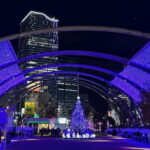
Your first major moment is Shibuya Crossing. This is the world-famous scramble where the crossings move in waves, and people stack up like they are waiting for a signal in a movie. What I like about doing this with a guide is the timing and positioning. You are not just showing up at a random moment and hoping you chose the right corner.
Next comes Shibuya scramble square and its observation-deck stop. You get a chance to see the layout from above, even if only briefly. For me, that is the biggest payoff of this kind of short walking tour: from street level, Shibuya feels like chaos. From a slightly higher angle, you start to understand where the flow goes, where the lanes branch, and how the crowds feed into the major nodes.
That said, keep expectations flexible. One guest specifically pointed out that there was no panoramic view in the end and said it was not included. The good takeaway is simple: treat this as a quick elevated look and guided orientation, not as a long, panoramic sightseeing session with guaranteed skyline views every time.
The tour portion is short at each stop, so if you love lingering at viewpoints, you might want to extend your time afterward on your own.
Nonbei Yokocho: izakaya lanes with a more old-school feel
After the big modern set pieces, you shift to Shibuya Nonbei Yokocho, a lane known for traditional izakaya atmosphere. This is a nice contrast. You go from high-visibility crowds to smaller alleys where you can sense the texture of Tokyo evenings.
This stop is only about 10 minutes, so it is not a heavy meal break. It is more about getting the vibe and knowing what to look for if you want to come back later for a drink or a snack. If you are the type who likes tasting Tokyo through details—signage, lane layout, the feel of side streets—this stop helps you connect the dots.
Also, having a guide here is useful because these alleyways can look similar from the outside. You learn what makes Nonbei Yokocho different and how it fits into the Shibuya nightlife story, without spending your own time hunting.
Miyashita Park illuminations and the youth-favorite energy
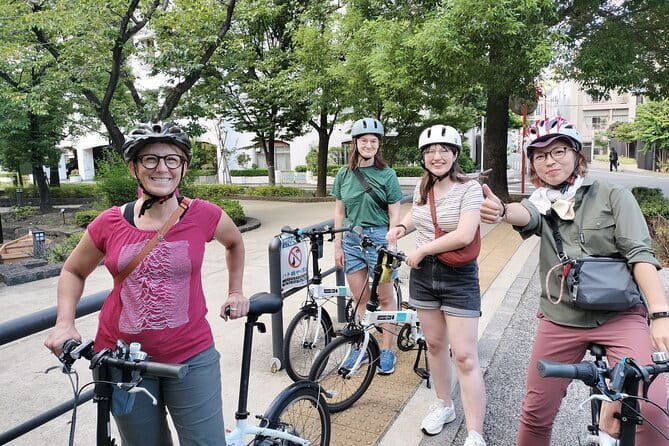
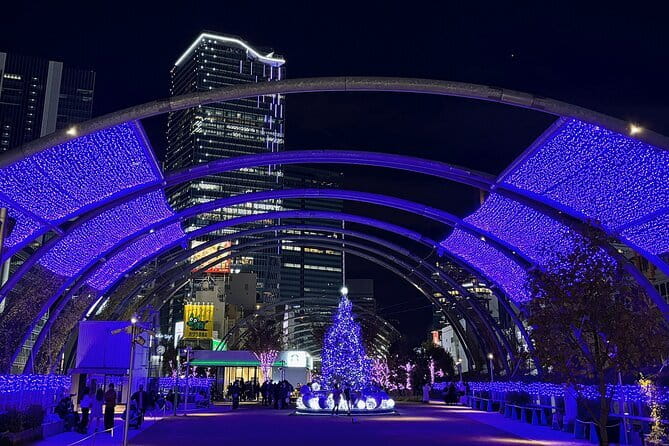
Then you hit Miyashita Park, with a stop designed around its illuminations and a youth-popular setting. Even when you are not there specifically for lights, parks like this often tell you a lot about how modern Tokyo uses public spaces.
This is a 20-minute block, so it is long enough to actually slow down. You can watch the flow of people, notice how the park fits into the bigger Shibuya building grid, and reset your energy after Crossing-level crowds.
One subtle benefit here: the tour rhythm stays balanced. Instead of sprinting from one landmark to another, you get at least one moment where you are allowed to stand, look, and take your time. That helps the whole walk feel more like an experience and less like a checklist.
If you hate crowds, Miyashita Park might still be busy, especially around evenings. But a short park pause is also a good way to experience Shibuya’s contrast: neon and night energy plus a space that feels more open than the shopping streets.
Center-gai main streets: where Shibuya feels like Shibuya
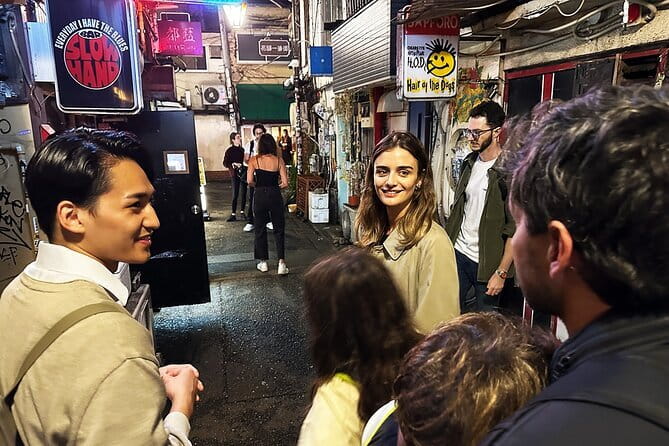
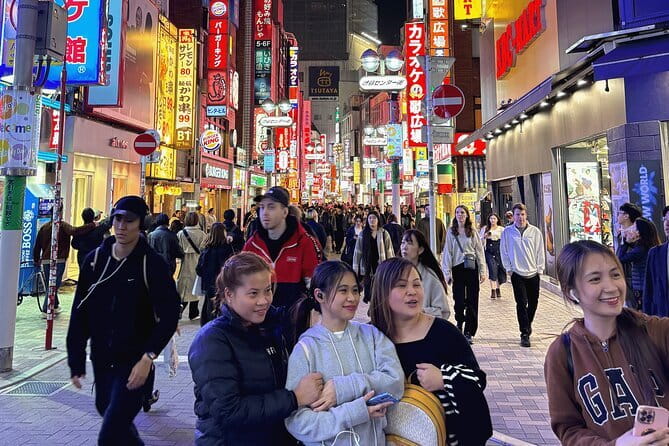
Next up is Shibuya Center-gai, the main street area that people associate with Shibuya’s street-level life. This stop is another 20 minutes and acts like your mid-walk orientation layer.
I like this part because it makes the entire district feel more navigable. After Shibuya Crossing and the viewpoint stop, Center-gai shows you the ground truth: where people actually walk, how shopping streets funnel foot traffic, and how the energy changes block by block.
It is also a great moment for quick observations. If you are into street photography, you will see lots of faces, signage, and small moments. If you are into shopping, you can mentally map what looks appealing so you can return later without redoing the whole search.
Your guide’s commentary helps you read the street instead of just walking through it. That is what turns a short stop into something memorable.





Shibuya Mark City basement: a smart detour away from the noise
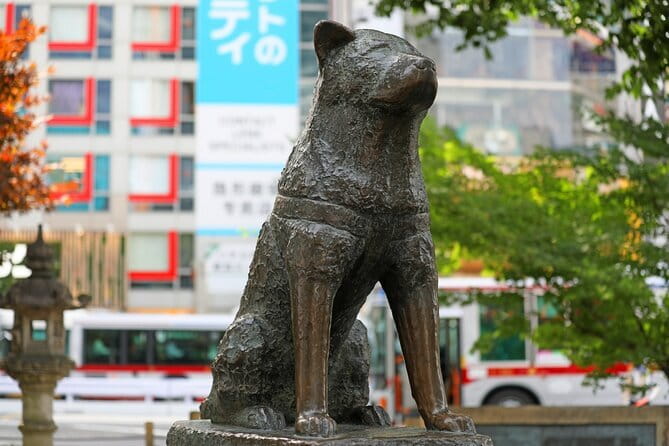
The final stop is Shibuya Mark City, specifically the basement floor area. This is a practical Shibuya move. Basements like this often feel like a different world from the street: easier walking, more structured browsing, and fewer of the big crowd bottlenecks you see above ground.
This is also a 20-minute stop, which gives you time to check it out without feeling rushed. I like including a basement segment because it helps you understand how Tokyo keeps life going in layers. While the street is loud and bright, the underground spaces can be calmer and more efficient.
If you are trying to buy something small—snacks, souvenirs, or everyday items—this is exactly the kind of stop that can save your evening planning. Even if you do not buy anything, it helps you get a better sense of Shibuya’s full ecosystem.
Price and what makes it good value for 90 minutes

At $25.20 per person, this tour is priced like a quick-hit walking experience. The question is whether you get enough in 90 minutes to justify it. You do, mainly because admissions and experience fees are included.
Key points that improve value:
- The stops you visit are listed as free admission for those specific segments, and the overall entrance/experience fees are included.
- You get an expert English-speaking local guide for the full walk.
- You receive photos during the tour, which is a real time-saver in the busiest spots.
Most independent sightseeing in Shibuya turns into a mix of paying for entry (sometimes) plus spending time figuring out how to move. Here, you spend your time moving and learning, not troubleshooting. For people who want a clean overview without doing a whole afternoon of planning, this is a strong deal.
It also helps that the tour is short enough to fit into nearly any Tokyo itinerary. You can do it early to build orientation, then go deeper on whatever you liked most afterward.
Timing, weather, and how to get the best photos
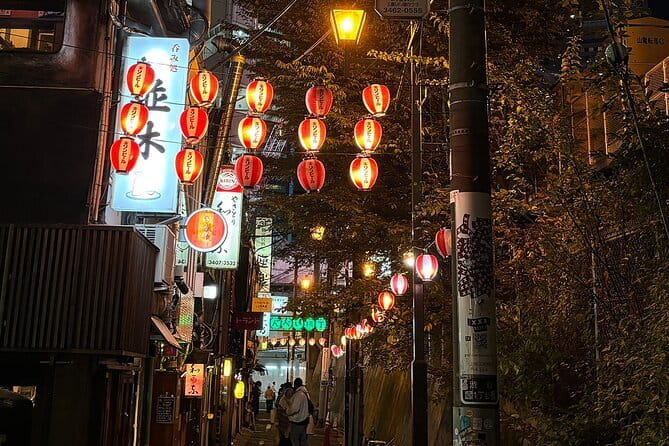
The tour runs about 1 hour 30 minutes. That timing is ideal for Shibuya, because crowds and energy shift through the day. If you want the intersection photos without suffering too long in the thickest peaks, you will appreciate that the stop durations are built to keep things efficient.
One more thing: this experience requires good weather. If conditions are poor, it may be canceled, and you will be offered a different date or a full refund. I always treat that as a positive sign. It means the route is likely designed around a comfortable walk, not constant indoor detours.
For photos, the structure helps. You do not have to stand around waiting for your turn. You have set moments at Shibuya Crossing, plus time at the other stops. Bring a charged phone or camera, and wear shoes you trust. Even though the total time is just 90 minutes, Shibuya walking adds up fast.
Who should book this Shibuya highlights walk
This tour is a great match if you:
- Want a fast Shibuya overview without spending your morning mapping out routes
- Like learning through street-level stories, not museum-style lectures
- Prefer small groups over big buses and roaming alone
- Plan to eat, shop, or explore later and want a mental map first
You might skip it if you:
- Only care about one or two landmarks and want to spend a long time at each
- Expect a guaranteed, high-production panoramic view at Shibuya scramble square every single day
- Dislike walking in crowds, even for short bursts
Should you book the Tokyo Shibuya Highlights Walking Tour?
If your goal is to get your bearings fast and still see the best-known Shibuya hits in a smart order, I think this is worth booking. The combination of a small-group guide, included fees, guided commentary, and photo help makes it feel efficient without feeling cheap.
Just be realistic about the viewing stop. Treat the scramble square moment as a guided elevated check-in, not a long panoramic show. And if you are flexible and ready to walk, you will come away with an easy mental map of Shibuya plus a few street details you can build on later.
FAQ
How long is the Shibuya Highlights Walking Tour?
The tour lasts about 1 hour 30 minutes.
What are the main stops on the tour?
You’ll visit Shibuya Crossing, Shibuya scramble square (observation deck stop), Shibuya Nonbei Yokocho, Miyashita Park, Shibuya Center-gai, and Shibuya Mark City.
Is this a small-group tour?
Yes. It’s described as a small-group experience with a limit of 10 people, and the activity also notes a maximum of 20 travelers.
Does the tour include admission or entrance fees?
Yes. Entrance fee and experience fee are included, and the listed stops have admission ticket noted as free.
Will I get my tickets on my phone?
Yes. The tour uses a mobile ticket.
What happens if the weather is poor?
This experience requires good weather. If it’s canceled due to poor weather, you’ll be offered a different date or a full refund.