REVIEW · PHILADELPHIA
Private Philadelphia French/English Historical and Architectural Walking Tour
Book on Viator →Operated by VoyageActually · Bookable on Viator
History and French lessons, all on foot. Private and French/English guidance make this walking tour an easy way to see more than the usual highlights. You cover Independence-area icons, then shift into the city’s streetscape—architecture, alleys, murals, and major 20th-century buildings—at a pace that works for your group.
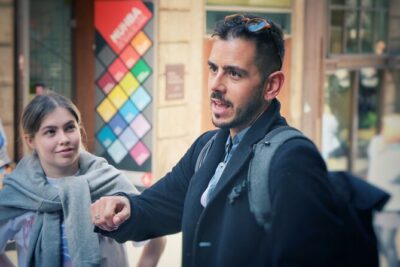
I love how customisable it is. Patrick can steer you toward what you care about (architecture, street art, or historical threads) without making the walk feel like a checklist. I also love the stop at Reading Terminal Market, where the story of the city lands in real life—people, stalls, and practical places to grab food gifts while you keep moving.
One possible drawback: you’re outside for most of the time, and the tour asks for a moderate physical fitness level. Plan for sidewalks, day-to-day city walking, and weather, since snacks and tips aren’t included.
In This Review
- Key highlights at a glance
- Why this French/English architectural walk fits Philadelphia (and not just the postcards)
- Price and value: $450 per group, up to 8 people
- Before you go: meeting point, route flow, and what to bring
- Stop 1: Independence National Historical Park—Independence Hall energy, plus the architecture layer
- Stop 2: Society Hill—where residential streets teach you how Philadelphia grew
- Stop 3: Washington Square—murals, homes, and the architecture mix
- Stop 4: City Hall Visitor Center—Philadelphia’s civic power and early skyscraper story
- Stop 5: Reading Terminal Market—an indoor market that feels like a city engine
- Stop 6: Macy’s Philadelphia (the Wannamaker)—a short finale with a big organ
- What Patrick’s guiding style changes for you on the street
- Who should book this tour (and who might skip it)
- Final verdict: should you book the Philadelphia French/English walking tour?
- FAQ
- How long is the private Philadelphia walking tour?
- Is this tour private, and how many people can go?
- Where does the tour start and end?
- Is pickup from a hotel or rental available?
- What languages are offered?
- What’s included, and what should I plan for?
Key highlights at a glance
- Patrick’s French/English style: friendly, question-ready, and built for real conversation
- Big founding sites plus lesser-known streets so you don’t leave with only the postcard version
- Society Hill and Washington Square for architectural variety and murals
- City Hall Visitor Center + early skyscrapers for a smart view of Philadelphia’s growth
- Reading Terminal Market’s working atmosphere plus an Amish section for Lancaster County items
- Macy’s Philadelphia (Wannamaker) for the organ stop and a quick finale
Why this French/English architectural walk fits Philadelphia (and not just the postcards)
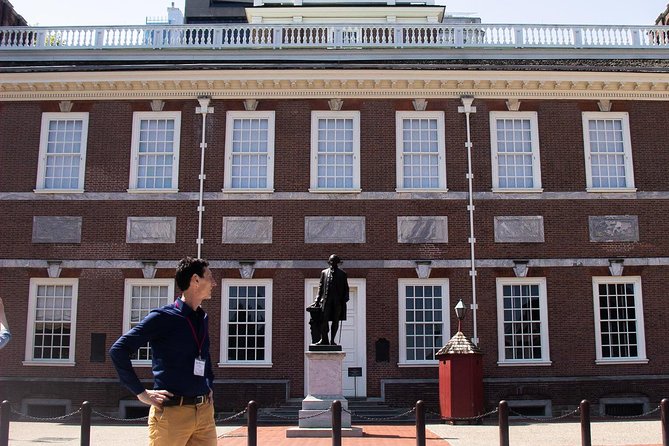
Philadelphia can feel split into two kinds of sightseeing: the famous stuff you already know, and the quieter layers you only notice when you’re walking slowly. This tour gives you both. You start in the Independence National Historical Park area, then move through residential streets and civic architecture, with a guide who’s comfortable speaking in French or English—and happy to let you practice.
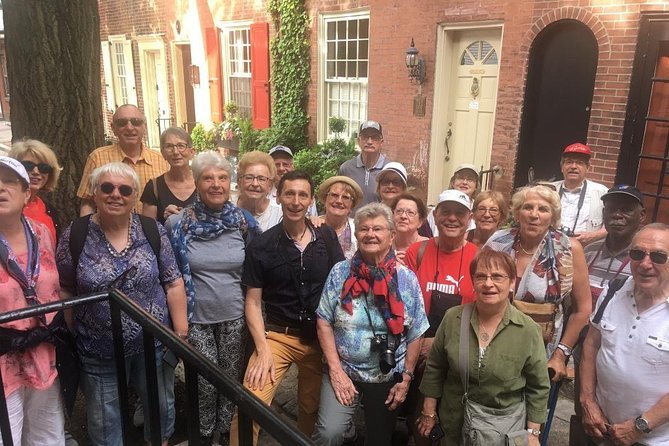
What makes it work is the tone. Patrick blends history, building design, and street-level details without turning everything into a lecture. You’ll also notice that the route isn’t rigid—he’s able to tailor the stops based on your interests and your group’s pace.
The result is a walk that feels like learning how the city thinks, not just where it is.
Price and value: $450 per group, up to 8 people
The price is $450 per group for a private experience (up to 8 people). If you travel with:
- 2 people: $225 each
- 4 people: $112.50 each
- 6 people: $75 each
- 8 people: $56.25 each
That matters, because the tour includes a lot of “you’re paying for a guide” time, not just a route. Also, the itinerary lists admission tickets as free for the stops (so you’re not paying separate entry fees for the main sights). Your value climbs fast as your group size grows.
This is also one of those tours where “private” isn’t just marketing. Patrick isn’t rushing to hit a script. In practice, you get room for questions, detours by interest, and slowing down to look at details you might otherwise miss—like how different neighborhoods evolved in form and materials.
Before you go: meeting point, route flow, and what to bring
You’ll start at 525 Market St, Philadelphia, PA 19106 and the tour ends at Philadelphia City Hall, 1400 John F Kennedy Blvd, Philadelphia, PA 19107. The exact end point can shift depending on the tour length and group size, but City Hall is part of the finish.
Pickup is available: the guide can meet you at your hotel or rental if it’s conveniently located near the itinerary; otherwise you’ll get a clear meeting point. The tour uses a mobile ticket, which keeps things simple on the day.
Practical advice (the unglamorous stuff that saves your feet): wear comfortable shoes and expect regular street walking. The tour is near public transportation, and service animals are allowed. Since snacks and tips aren’t included, think about bringing water or planning a drink break—especially if you’re touring in warmer or colder months.
Stop 1: Independence National Historical Park—Independence Hall energy, plus the architecture layer
This is where most visitors start, but the difference here is focus. You’ll see major symbols in the area, including the Liberty Bell and Independence Hall, plus sites connected with George Washington’s presence. Depending on the thematic version, you may also touch Washington Square, Carpenters Hall, or the historic First and Second Banks.
Time for this part is about 2 hours, so it’s the backbone of the tour. You’re not just looking at buildings—you’re learning why these spaces mattered and how the city’s layout and design supported the ideas of the era.
A real consideration: this is a high-importance area, so you should expect the kind of environment where you’ll benefit from a guide who can help you manage time and direction. The good news is Patrick has a style that keeps you moving while still letting you stop to actually see.
Stop 2: Society Hill—where residential streets teach you how Philadelphia grew
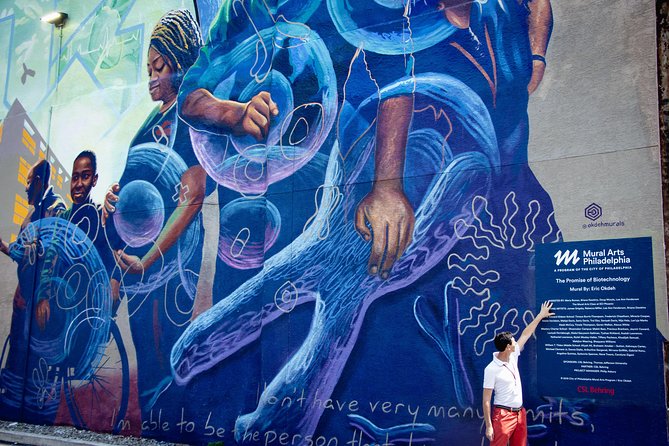
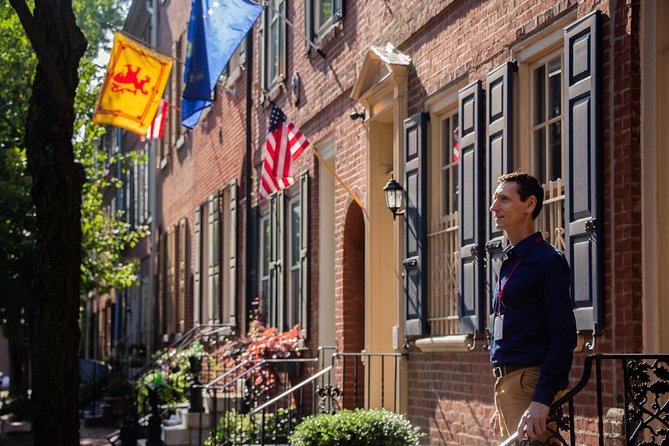
Next comes Society Hill, one of the most historical and picture-friendly residential neighborhoods in the city. Expect an hour of walking along colonial and federal-era houses, with charming streets and pedestrian-friendly paths.
This stop is a big deal if you like architecture that’s lived-in, not staged. You’ll see how styles line up along streets, and how neighborhood character changes block by block. It’s also a great stretch for photos, because you’re walking through real streets rather than only standing in major plaza areas.
Potential drawback: because this is residential, it can be less about interior access and more about exterior form—front facades, street rhythm, and the way buildings sit in relation to sidewalks. If you’re expecting museums or inside exhibits here, you might feel slightly more exposed to the elements.
Stop 3: Washington Square—murals, homes, and the architecture mix
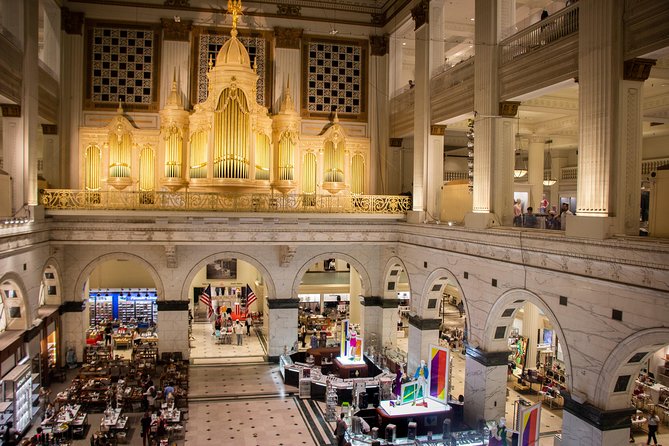
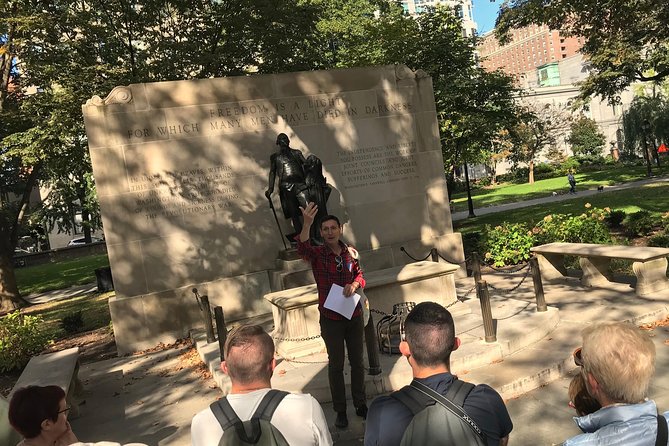
After Society Hill, you shift to Washington Square, a residential zone where you can read multiple architectural styles in one walk. You’ll also spend about one hour looking at some of Philadelphia’s best murals.
This is where the tour’s “French/English historical and architectural” promise becomes more literal. Patrick tends to connect visual art and building design to the broader story of the city—how people express identity, and how architecture and culture share the same streets.
It’s also one of the best stops for slow looking. Murals can be right on eye level, and the buildings around them often give you context for why that spot feels the way it does.
If you’re hoping for a lot of formal explanations at a museum pace, you may want to bring your curiosity. The best part of Washington Square is what you notice while walking and looking.
Stop 4: City Hall Visitor Center—Philadelphia’s civic power and early skyscraper story
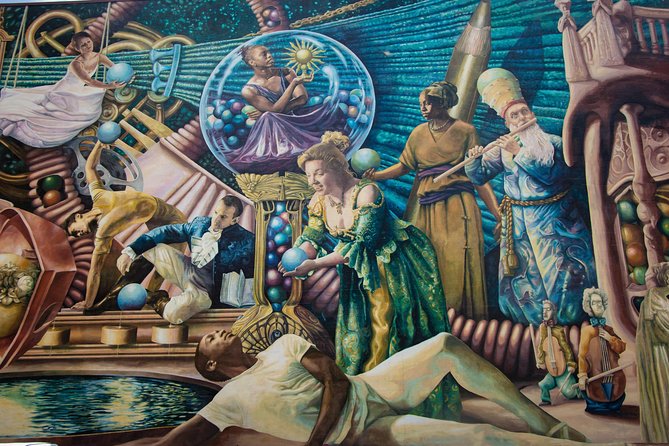
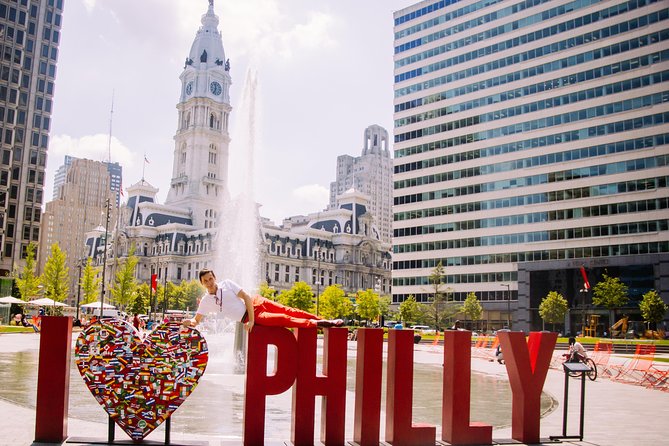
You’ll spend about one hour at the City Hall Visitor Center area, which is a strong pivot point in the tour. This is the geographic heart of Philadelphia, and City Hall’s sheer size and style make it hard to ignore.
From here, you connect the dots to early skyscrapers and major 20th-century buildings you can recognize right away, including the PSFS building, Girard Trust Company, and the Wannamaker Department Store. You also have a reference point to the Reading Terminal train station area.
Why this stop matters: independence-era Philadelphia is one story, but civic ambition is another. This is where you see the city moving from founding-era symbolism into commercial and architectural modernity.
A practical consideration: City Hall area sight lines can be busy with foot traffic. You’ll get more out of this stop if you take it as viewpoint time—watching scale, materials, and how different eras sit together.
Stop 5: Reading Terminal Market—an indoor market that feels like a city engine
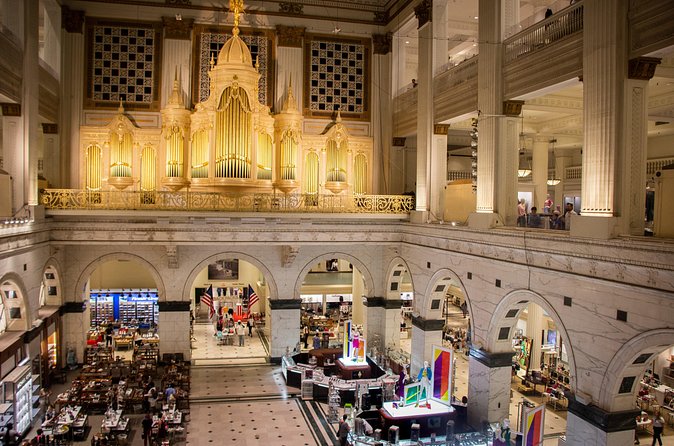
Next is Reading Terminal Market, one of America’s long-running indoor markets, operating since 1893. You’ll have about one hour here, and the setting is the old train station—with more than 80 merchants on the ground floor.
The standout detail is that the market includes an Amish section where you can find products and specialties tied to Lancaster County. That’s a fun contrast to the colonial and skyscraper stops, because it turns the tour from architecture into daily life.
What to do here (so you get value without derailing the tour): browse with purpose. Look for items that are easy to pack or easy to share back home—food gifts, sauces, baked goods, and locally made items. Since snacks aren’t included, you can decide if you want to buy something during this stop.
One drawback to plan for: markets can be loud and crowded, especially at peak hours. If you need quiet time, keep your browsing light and rely on your guide to help you time the route through stalls.
Stop 6: Macy’s Philadelphia (the Wannamaker)—a short finale with a big organ
Your last stop is Macy’s Philadelphia, known historically as Wannamaker. You’ll spend about 30 minutes here, which works well as a wrap because it’s the kind of place where one memorable feature can carry the whole ending.
A few facts that make this stop feel special: it’s on the National Registry of Historical Places, it’s called America’s 2nd oldest department store, and the building is famous for its organ—the largest operating organ in the world.
This final segment is ideal if you want a last hit of scale and odd architecture trivia without committing a ton of time. You’ll get a sense of why department stores in this era became civic landmarks of their own.
The only consideration: with only 30 minutes, you won’t have time for deep shopping. Treat it as a sight and story stop, not a full retail session.
What Patrick’s guiding style changes for you on the street
In real terms, the best guides don’t just know facts. They know pacing, where to point, and how to keep your brain engaged.
Patrick’s style comes through in a few consistent ways:
- He tailors the tour if your group has different interests, so you aren’t stuck in one rigid route
- He answers questions clearly and doesn’t rush as you walk from stop to stop
- He uses an art-and-architecture lens, which makes buildings feel like evidence instead of decoration
- He’s comfortable mixing serious historical context with fun anecdotes, and he’s even up for helping you practice your French if that’s your goal
That’s why this tour works for both first-time visitors and people who already live in Philadelphia. Locals often think they know the city, but this route is built to show you connections—between neighborhoods, between eras, and between what you see from the sidewalk versus what you miss when you rush.
Who should book this tour (and who might skip it)
Book this if you:
- Want a private walking tour (not a large group with a headset scramble)
- Care about architectural details and how neighborhoods evolved
- Like the idea of combining Independence-era sites with streets, murals, and market life
- Want the guide to speak French and English, or you want an easy way to practice a little French while sightseeing
- Travel in a group where the $450 cost per group becomes sensible
Skip or consider something else if you:
- Want mostly indoor museum time with minimal walking
- Don’t like market-type crowds or the feel of being in active city areas for extended stretches
- Have trouble with moderate walking distances and outdoor time
One more reason to feel safe choosing this: the tour is built for flexibility, and you can cancel for a full refund if you cancel at least 24 hours in advance.
Final verdict: should you book the Philadelphia French/English walking tour?
Yes—if you want the smartest kind of “first look” at Philadelphia without staying trapped in the usual highlights. The combination of Independence National Historical Park, Society Hill, Washington Square murals, City Hall’s civic scale, and Reading Terminal Market’s everyday energy gives you a well-balanced picture of how Philadelphia is built and how it lives.
And if your group is 4 to 8 people, the math gets very friendly, because you’re paying for private time plus a guide who makes the city easier to read.
If you like architecture, street-level storytelling, and a guide who can switch between French and English while keeping the pace comfortable, this is an easy yes.
FAQ
How long is the private Philadelphia walking tour?
The tour runs about 2 to 4 hours, depending on the route version and how long you spend at each stop.
Is this tour private, and how many people can go?
It’s private. Your group is the only one participating, with a group size of up to 8.
Where does the tour start and end?
It starts at 525 Market St, Philadelphia, PA 19106, and ends at Philadelphia City Hall, 1400 John F Kennedy Blvd, Philadelphia, PA 19107. The exact end point can vary based on tour length and group size.
Is pickup from a hotel or rental available?
Yes. The guide can meet you at your hotel or rental if it’s conveniently located relative to the itinerary. If not, you’ll agree on a precise, easy meeting point.
What languages are offered?
The tour is French/English, with English specifically listed as offered. The guide can work in both languages.
What’s included, and what should I plan for?
The tour includes a private and customisable experience and a mobile ticket. Admission tickets for the listed stops are free. Snacks and tips are not included, and the tour is for travelers with a moderate physical fitness level. Service animals are allowed, and the meeting area is near public transportation.