REVIEW · MUNICH
Private Munich Tour for History Buffs with Architectural Gems and WWII sites
Book on Viator →Operated by Friendly Local Guides · Bookable on Viator
Munich history moves at street speed, and it makes sense fast. This private walking tour stitches together WWII-linked locations and major architectural stops, so you know what you’re looking at instead of just passing it by. I like that it’s a true small-group experience with hotel-lobby pickup and the option to tweak the route.
I also really like the way the tour handles heavy topics without turning them into a lecture, using places like Munich Residence and Odeonsplatz to explain what happened in context. In the feedback I’ve seen, guides like Tanja keep a patient pace and are willing to slow down if your feet need a break. One thing to consider: the plan is tight (about 20 minutes per stop), so if you want lots of time inside buildings, you’ll need to adjust expectations or tailor the itinerary.
In This Review
- Key reasons this tour works for history and architecture fans
- Why this two-hour Munich walk hits harder than you expect
- New Town Hall (Neues Rathaus): neo-gothic drama and a tower payoff
- Nymphenburg Palace: baroque style meets the Wittelsbach family plot
- Munich Residence (Residenz München): where power, terror, and rebuilding share the same walls
- Odeonsplatz: the Beer Hall Putsch site and the square as a stage
- St. Peter’s Church (Alter Peter): the 11th-century anchor near Marienplatz
- Photo stops and walking rhythm: how to get the best out of the route
- Price and value: what $217 buys you in Munich
- Who should book this private history and architecture tour
- Should you book this tour?
- FAQ
- How long is the Munich private history and architecture tour?
- Is pickup available, and where does the guide meet us?
- Is the tour private or shared with other people?
- Is the tour in English?
- Are entrance fees included?
- What if it rains or if we’re not walking very long?
Key reasons this tour works for history and architecture fans

- A WWII shortcut route that connects big-story sites through the actual streets and buildings that hosted events
- Private group only, so you can ask questions and swap stops if your interests run off-script
- Architectural variety in one loop, from neo-gothic views to baroque royal rooms and post-war reconstruction
- Photo-focused guidance, including viewpoints like the New Town Hall tower and strong angles around the center
- Guides who manage the pace, with Tanja specifically praised for being accommodating when the walk adds up
Why this two-hour Munich walk hits harder than you expect
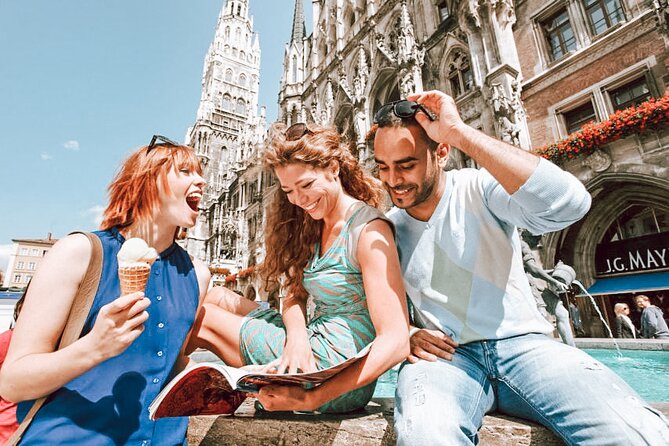
If you love history, the challenge in Munich is that the city looks beautiful even when it’s carrying ugly chapters. This tour uses that contrast on purpose. You walk from civic grandeur to royal power to political flashpoints, and each stop comes with the “what happened here” thread.
The biggest value for me is the structure: it’s not a random sightseeing list. It’s a route designed so the WWII-era sites make emotional and factual sense, tied to specific buildings instead of vague “in those days” context. That’s especially helpful if this is your first time in Munich or you don’t want to spend half a day piecing clues together.
It’s also private, so you avoid the common problem of getting rushed through meaningful places. Your guide can slow down, add context, or switch sights while staying on the overall theme of history plus architecture.
You can also read our reviews of more tours and experiences in Munich.


New Town Hall (Neues Rathaus): neo-gothic drama and a tower payoff
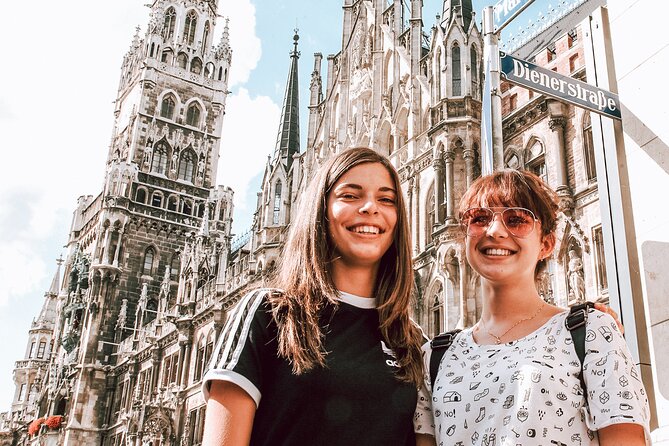
You start at the New Town Hall, a striking neo-gothic building that’s hard to miss once you’re nearby. Construction ran from 1867 to 1874, using brick and shell limestone, and the façade is described as a delicate but essential work of art. The building still runs city business, housing administration, the city council, and the mayor’s office.
This stop gives you two practical wins right away. First, you get an anchor for your Munich orientation, because it’s one of those places you can use as a reference point throughout your day. Second, you can climb up the tower for views over the roofs of Munich, which is a great way to “read” the city before you move deeper into its story.
There’s also something a bit old-school and fun down in the vault: a traditional 1867 restaurant. Even if you don’t plan to eat there, it helps you picture how this civic building has stayed woven into daily life, not just official ceremonies.
Reality check: this is still a quick stop (around 20 minutes). If your number-one goal is long time at viewpoints or detailed façade study, tell your guide early and they can adjust what you focus on.
Nymphenburg Palace: baroque style meets the Wittelsbach family plot
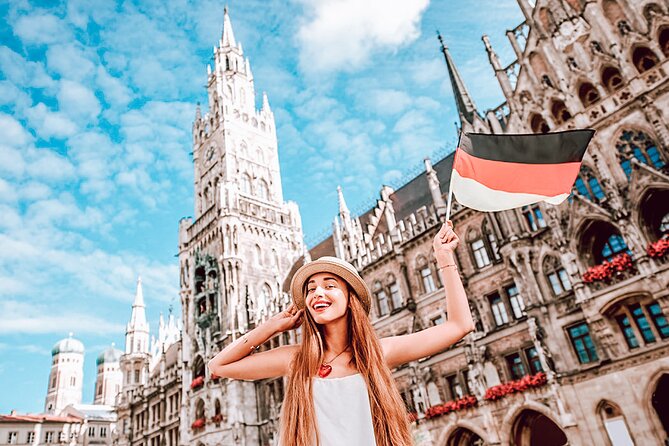
Next up is Nymphenburg Palace, the summer residence of Bavarian monarchs. The time here is short, but the payoff is big because baroque architecture telegraphs wealth and taste fast, especially when you can see the building’s scale and intent from the outside and immediate surroundings.
What makes this stop more than “pretty palace photos” is the family story. You learn about the Wittelsbach rulers across five generations and how the palace connects to how they wanted to present power. The tour also points to the construction story from 1664 and notes that Prince built it with his wife in mind.
This is one of those times when a guide’s framing changes your experience. Instead of scanning features like a checklist, you start noticing relationships: how royal design communicates status, how “summer residence” implies lifestyle, and how the palace sits within Bavarian identity.
Possible drawback: 20 minutes won’t cover the palace in depth. If you want to spend more time inside specific rooms or gardens, use this tour as your jump-start and plan a follow-up visit later.
Munich Residence (Residenz München): where power, terror, and rebuilding share the same walls
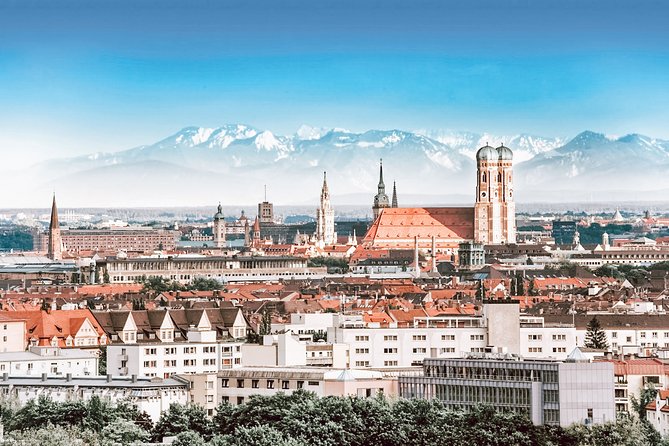
This is the stop that many history lovers most anticipate, because the Munich Residence carries major political weight. The tour explains how Bavarian dukes and kings transformed and rebuilt the castle over time, starting from 1385, until it became the palace complex you can see today.
Then the conversation turns toward the darker chapters. The Residence also housed former Gestapo headquarters, and it is where Hitler joined the Nazi Party. The key is that you don’t just get names and dates; you connect those events to the space and to the later rebuilding that followed WWII.
You’ll also hear that parts of the complex were mostly demolished during WWII and reconstructed gradually from 1945. Today, the ensemble is described as the largest museum in Bavaria, which matters because it explains why the site still functions as a public space rather than remaining only a memorial.
This is one reason the tour’s “architecture + WWII” focus works so well. Even if you don’t go inside any exhibits during the walk, you leave with a sense of why the buildings are not neutral. They’re part of the story of how governance operated, how persecution took place, and how the city moved forward afterward.
Practical consideration: since the time is limited, you may want to decide in advance what you care about most here—political milestones, post-war reconstruction, or how the palace evolved across centuries.
Odeonsplatz: the Beer Hall Putsch site and the square as a stage
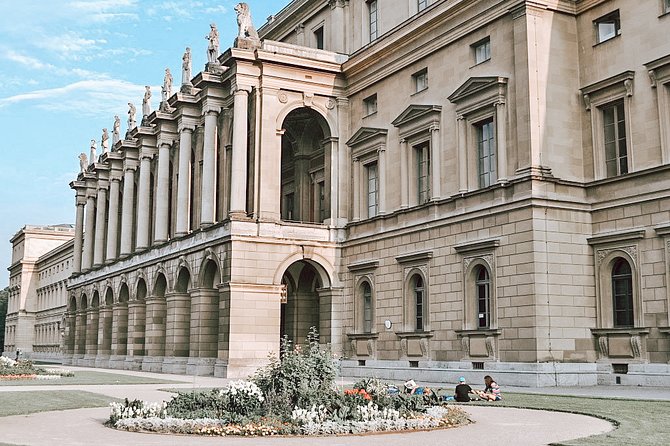
Odeonsplatz is a classic central-square moment, but the tour treats it like a historical stage. You’ll look at an Italian-style square near the Munich Residence where Hitler’s Beer Hall Putsch culminated in 1923, and you’ll learn that Bavarian police blocked it.
The surrounding buildings also add context. The square is framed by Feldherrenhalle, the Baroque Theatine Church of St. Kajetan, and the oldest café in Munich. That blend of grand civic architecture and everyday social space helps you understand how political movements tried to borrow legitimacy from public life.
The tour also explains why squares like this become rally points. Odeonsplatz has traditionally been a significant place for public events, demonstrations, and funerals, which the Nazis could see as useful for visibility and momentum. Today it’s still active as a meeting place and a site for an annual Open-Air Classics Concert.
For photos, squares can be tricky because you need angles that keep the buildings from turning into a blur of stone. This is where the guide’s insider photo tips come in—helping you position yourself for lines, façades, and skyline views without wandering off theme.

St. Peter’s Church (Alter Peter): the 11th-century anchor near Marienplatz
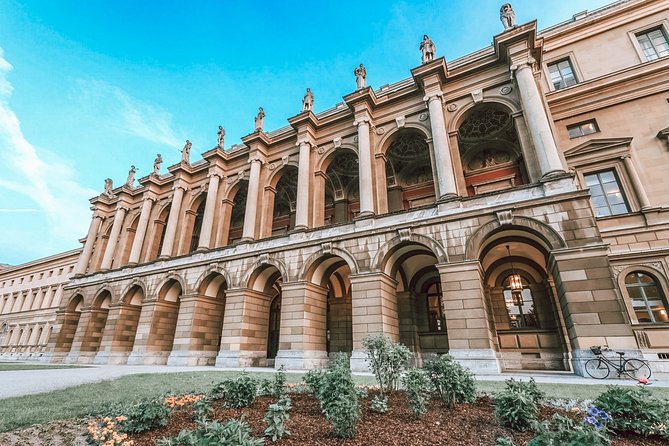
You finish at St. Peter’s Church, one of Munich’s major must-see sights in the city center. It’s described as the oldest parish church in Munich, constructed in the 11th century. Locals call the 91-meter tower Old Peter, and that nickname is useful because it makes the landmark feel less formal and more lived-in.
Here, the tour brings the city center into focus by linking the church to the broader life of Munich over time. You’ll hear that it witnessed dramatic episodes of the city’s life, and you’ll learn about why it was rebuilt in 1327.
This is a smart ending point for history buffs. You’re not just leaving with WWII context; you’re also leaving with an understanding that Munich’s story is older and more layered than any single era. A church that dates back to the 11th century acts like a timeline marker when you’re walking through 19th- and 20th-century events.
Because the tour is only about two hours total, the goal isn’t a long church visit. It’s a guided “read” of the exterior, the landmark role, and why it matters in the city’s map of memory.
Photo stops and walking rhythm: how to get the best out of the route
The tour’s promise includes iconic and off-the-beaten-path photo opportunities, and the itinerary gives you natural chances for it. The New Town Hall tower view is a standout for rooflines, and the central-square setting of Odeonsplatz tends to produce strong shots with less effort than narrow alleyways.
That said, your best photos won’t come from sprinting between stops. They come from slowing down when the guide suggests a good angle, then taking a few minutes to let the scene settle in your head. A guide like Tanja is specifically praised for patient pacing, which matters because it gives you time to look without feeling like you’re holding everyone back.
If you plan to do more sightseeing afterward, start thinking like a walker. Use the landmarks you see—New Town Hall and Marienplatz nearby—and build the rest of your day around what you now understand. This tour helps you get your bearings fast, so your next walk feels intentional.
Price and value: what $217 buys you in Munich

At $217 per person for an approximately 2-hour private tour, the question is value: what are you paying for? You’re paying for privacy (your group only), a friendly local guide, hotel-lobby pickup, and a route that connects architecture with WWII and political landmarks. The tour also includes all fees and taxes, and it’s offered in English.
You’re also paying for time that would be hard to replicate solo. If you self-tour these sites, you’ll likely hit the buildings but miss the “why here” connections—especially around the Residence and Odeonsplatz. A good guide turns locations into meaning, and meaning is what makes this kind of tour worth paying for.
One more value point: the itinerary is described as customizable. So if your group is more interested in architecture or more interested in WWII sites, you can often reshape the emphasis without booking an entirely new tour plan.
Costs to remember: transportation costs aren’t included, and food and drinks aren’t included. Entrance fees can be confusing because the plan lists admission ticket free for each stop, while the overall offer states entrance fees are not included. If entrance access is a deal-breaker for you, it’s worth asking your guide what to expect for each site before you go in.
Who should book this private history and architecture tour
This tour is a great fit if you’re:
- A history buff who wants WWII context without spending hours researching
- An architecture lover who also cares about what buildings were used for
- Visiting Munich for a short time and want a tight route that makes sense
- Traveling with a group that values a private pace and room for questions
It also matches well with moderate fitness needs. The walk is described as suitable for people with moderate physical fitness, and it runs rain or shine, so you should dress for weather.
If you prefer very long museum time inside buildings, you’ll probably want to pair this with another self-directed stop afterward. This tour is designed as a focused walk, not a deep museum day.
Should you book this tour?
Book it if you want your Munich landmarks to come with clear explanations and a WWII-linked route that moves logically from place to place. It’s especially worth it when you appreciate architecture but don’t want to guess your way through the heavy parts of the story.
Skip it only if you’re hoping for lots of time inside multiple buildings or if your group wants a slow, museum-style day. In that case, you might do better with a longer itinerary you can expand on stop-by-stop.
If you’re on the fence, I’d think about one thing: do you want a guide to connect what you see to what happened here? If the answer is yes, this is the kind of short, private tour that can change how you experience the city.
FAQ
How long is the Munich private history and architecture tour?
It lasts about 2 hours.
Is pickup available, and where does the guide meet us?
Yes. The guide meets you at the lobby of your hotel. You’ll need to provide the exact name and address of your hotel. There’s no airport pickup.
Is the tour private or shared with other people?
It’s a private tour/activity, meaning only your group participates.
Is the tour in English?
Yes, the tour is offered in English.
Are entrance fees included?
The tour plan lists admission ticket free for the stops mentioned. At the same time, the overall offer says entrance fees are not included, so it’s best to confirm what you should expect for any specific site access.
What if it rains or if we’re not walking very long?
The tour runs rain or shine, so dress appropriately. The activity is geared toward moderate physical fitness levels, and it’s designed for a paced walking experience.