REVIEW · NEW ORLEANS
New Orleans French Quarter Architecture Walking Tour
Book on Viator →Operated by NOLA Tours · Bookable on Viator
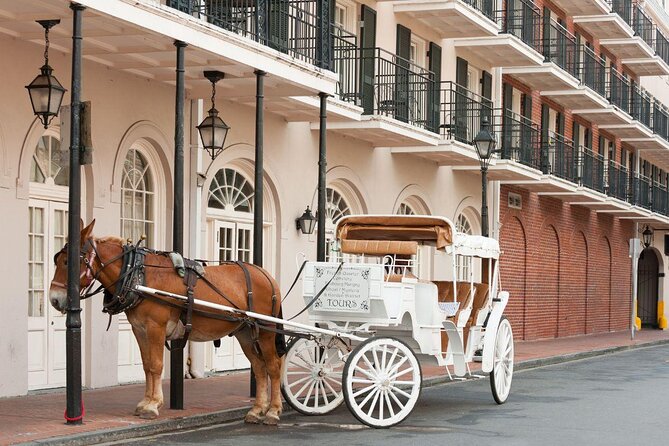
New Orleans has building clues everywhere. This French Quarter architecture walking tour uses a small-group stroll to show you how French and Spanish design shaped a neighborhood you thought you already knew.
I love the 14-person limit, which keeps the pace easy and conversation possible even when the streets get busy. I also love that the guide connects big landmarks like the St. Louis Cathedral area to the people and periods behind them, with guides such as Caroline, Eva, Doug, Janet, Guy, and Angela bringing in personal local detail.
One possible drawback: if you’re stuck farther back, street noise can make it harder to hear. And while the focus is architectural, the depth of the “why” can feel more neighborhood-and-story than hardcore design analysis for some people.
In This Review
- Quick reasons this French Quarter architecture walk works
- Starting at 523 St Ann St: simple logistics, real walk time
- What 2 hours feels like: short stops, question time, and an easy pace
- French Quarter primer at the first stop: get the big picture fast
- Jackson Square to St. Louis Cathedral: where French-and-Spanish style becomes visible
- Cabildo and the Presbytere: civic architecture with real purpose
- Chartres Street: the “Spanish Era to American Period” street-walk lesson
- Royal Street: turn architecture tips into real-world shopping and eating
- Guides make or break it: local storytelling, binders, and “dad jokes”
- Value check: is $40 worth 2 hours of French Quarter architecture?
- Should you book this New Orleans French Quarter architecture walking tour?
- FAQ
- How long is the French Quarter architecture walking tour?
- How much does it cost per person?
- Where do I meet for the tour?
- How many people are on the tour?
- Is the tour offered in English?
- What stops are included?
- Do I need to pay extra admission during the stops?
- What should I bring and what’s the weather situation?
Quick reasons this French Quarter architecture walk works
- Small group pace: up to 14 people, so you can ask questions instead of racing past stops
- Landmark hit list: you’ll see the Cathedral complex area plus nearby civic buildings and major streets like Chartres and Royal
- Era spotting lesson: learn how French and Spanish influences show up, and how they carry forward into later changes
- Photo and story support: some guides use materials like binders with images to tie architecture to historic events
- Weather-smart guiding: if it’s hot or cold, you may get smart shade/sun positioning from the guide
Starting at 523 St Ann St: simple logistics, real walk time
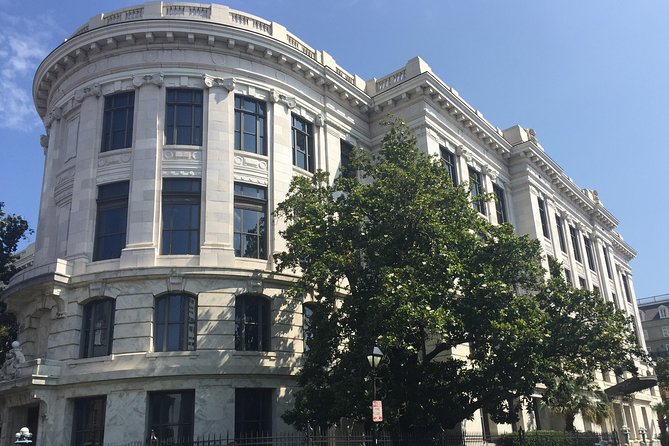
The tour meets at 523 St Ann St and ends back near the same starting spot, so you don’t have to figure out a second pickup point. It’s a mobile ticket experience and runs in English, with confirmation at booking.
This is also the kind of walk that works best when you commit to the “on foot” part. It runs about 2 hours, with short stops that give you time to look, listen, and ask questions before moving on.
Because it’s near public transportation, it’s easy to slot into a day that includes museums, a café stop, or a late lunch. Bring comfortable walking shoes, and if the forecast looks iffy, plan for an umbrella and sunscreen.
You can also read our reviews of more tours and experiences in New Orleans.



What 2 hours feels like: short stops, question time, and an easy pace
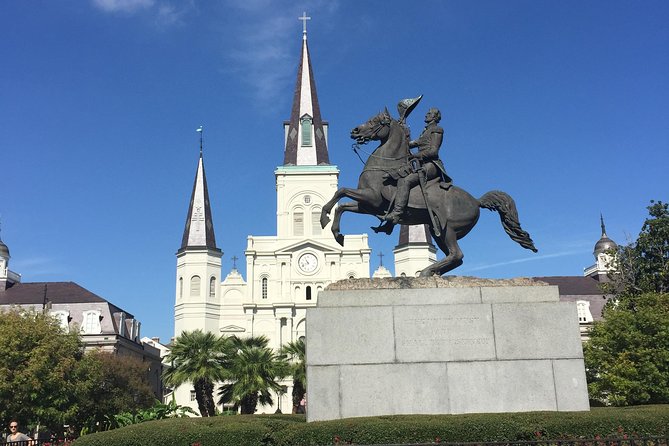
The format is built around being able to hear the guide and actually process what you’re seeing. Stops are tight—often around five to ten minutes—so the schedule doesn’t eat your whole morning or afternoon.
What makes it work is that the guide doesn’t treat you like a crowd. The tour is designed to be relaxed, with enough time for questions and for follow-up tips you can use after you leave. One review even praised how the guide kept the group on the sunny side during a cold day, and another noted the guide actively worked to keep people in the shade when it was hot.
Your best move: stand where you can see the guide’s hands and face when they explain details. If you ever feel sound getting swallowed by traffic, reposition closer rather than trying to muscle through from the back.
French Quarter primer at the first stop: get the big picture fast
The tour begins with an intro right in the French Quarter. You’ll get context on how New Orleans history shaped what you’re seeing now, so later architectural terms won’t feel like random vocabulary.
This opening matters because the Quarter can look like one big “old-time” postcard if you don’t anchor it to time periods and influences. When the guide sets the stage, the later stops on Jackson Square, Chartres Street, and Royal Street land with more meaning.
Also, the tour is designed for a mix of people: first-timers who want orientation and history fans who want a more structured route through the neighborhood.
Jackson Square to St. Louis Cathedral: where French-and-Spanish style becomes visible
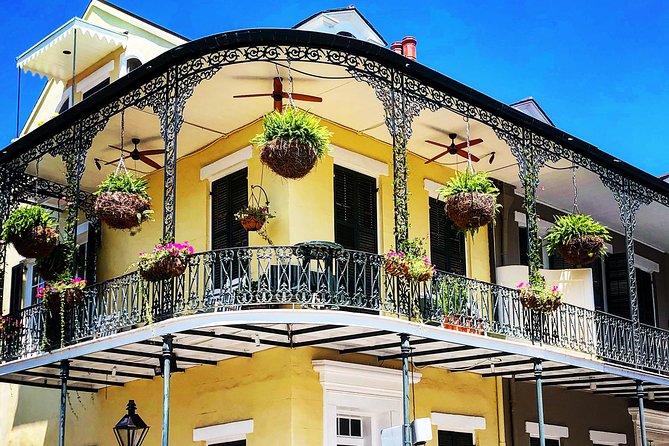
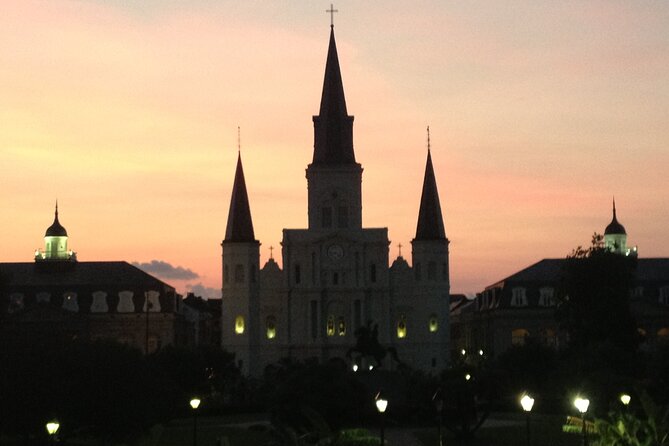
At Jackson Square, the guide walks you through the key buildings lining the park area, including the Cathedral, Cabildo, and Presbytere. You’ll also hear about the Pontalba Buildings, which helps explain why this part of town looks the way it does and why the architecture is tied to the city’s priorities and power.
Then comes the story-focused part at St. Louis Cathedral. You’ll hear how the building’s story grew from an earlier wooden parish church into the cathedral you see now. That kind of origin-to-outcome explanation is useful, because it changes the way you look at the facade: it’s not just a pretty landmark, it’s a timeline.
If you’re an “I like to ask why” person, this is usually a good area for it. The guide tends to connect architectural choices to the people living with those choices—traditions, rebuilding after changes, and what different eras wanted the city to communicate.
Cabildo and the Presbytere: civic architecture with real purpose
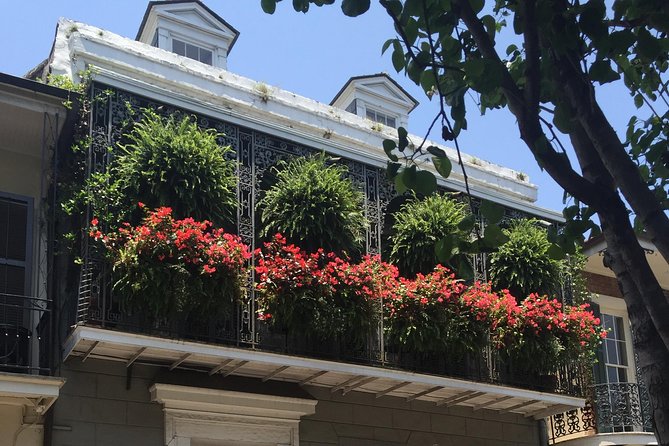
Next up are Cabildo and the Presbytere—both short stops, but they carry weight. The guide explains Cabildo’s historical era and significance, then ties it back to building style.
With the Presbytere, you’ll hear its history and current status. That’s a smart angle for visitors because it answers a common question while you’re still in the neighborhood: what is this building now, and how did it get here?
Even when the stops feel brief, you’re usually leaving with a clearer sense of what each site represented. In this part of town, architecture isn’t only decoration. It reflects how New Orleans organized civic life, shaped authority, and adapted buildings over time.


Chartres Street: the “Spanish Era to American Period” street-walk lesson
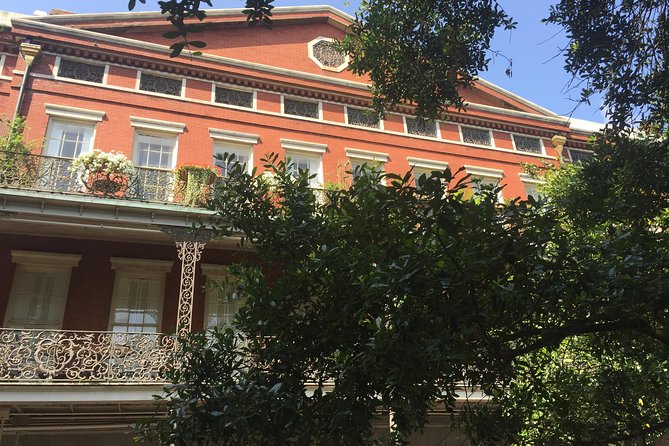
Chartres Street is where the tour shifts from landmark storytelling to a more practical identification exercise. The guide points out historic buildings spanning from the Spanish Era into the American Period, so you start seeing transitions instead of only seeing isolated “old” structures.
This is one of the most useful stops for people who plan to wander afterward. Once you learn what to look for in era-to-era changes, you can keep using the same mental checklist as you drift down side streets and look at facades at eye level.
Timing note: Chartres gets about 20 minutes, which is longer than most stops. That extra time helps you slow down—look for shapes, surface details, and proportions—without feeling rushed.
Royal Street: turn architecture tips into real-world shopping and eating
On Royal Street, the tour becomes a bridge between architecture and what you’ll do next. You’re guided through the street’s shops and restaurants, but the key is learning how to recognize different building types as you walk.
This is especially valuable if you want to do more than take photos. Once you understand the logic behind what you’re seeing, you can shop with more context—especially when you’re comparing facades, window styles, and overall building form.
Royal Street is also a great place to ask for personal recommendations, because the guide can connect architecture knowledge to practical next steps—where to keep walking, where to pause, and what to notice as you go.
Guides make or break it: local storytelling, binders, and “dad jokes”
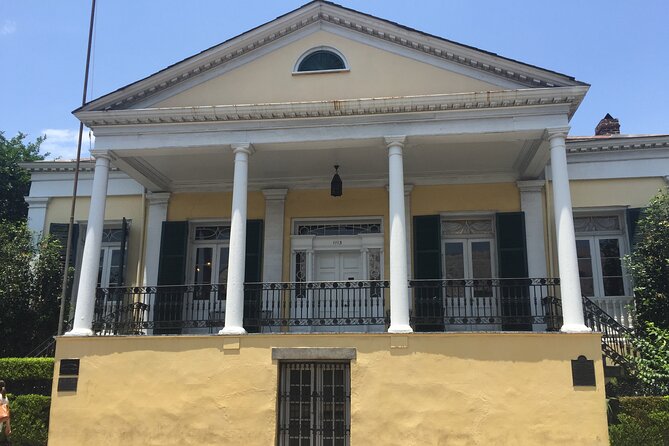
This tour’s biggest strength is the human factor: local guides with a strong grasp of the Quarter and the confidence to explain it clearly. You’ll often hear personal details and storylines from native or long-time New Orleanians, and names like Caroline, Eva, Doug, Guy, Angela, Janet, and Phant show up in the guide lineup.
Some guides use extra tools. One review mentioned a guide showing up with a binder full of photos and historical notes that matched the architecture on the route. If you learn best with visuals, that kind of added material can make the details stick.
There’s also a practical vibe. People have described guides as careful about comfort—positioning the group for sun or shade—and keeping the walk lively without turning it into a lecture marathon. If you appreciate humor, you might even get lighthearted moments like dad-joke style commentary paired with real facts.
Value check: is $40 worth 2 hours of French Quarter architecture?
At $40 per person for about 2 hours, this sits in the sweet spot for short, high-impact learning. You’re paying for a licensed, insured local guide with extensive area know-how, and the stops don’t add surprise admission costs (the listed admission for each stop is free).
So the value isn’t just “you get to walk around.” You’re getting an organized path through the Quarter with an explanation framework: French vs Spanish influence, how civic buildings fit the story, and how later changes show up on streets like Chartres and Royal.
Where you might hesitate is if you want deep technical architecture analysis or interior access. The pace is relaxed and the stops are relatively short, and one experience noted that it felt more like a neighborhood tour than a strict architecture “why and what” breakdown. If you’re that person, you might still enjoy it for context, but it may not feel like the only architecture source you need on your trip.
Should you book this New Orleans French Quarter architecture walking tour?
I think it’s a great pick if you’re visiting the French Quarter soon and want to stop seeing the area as random eye-candy. If you like learning patterns—how periods overlap, how influences shift, and how to notice details while you walk—this format is made for that.
I’d especially book it early in your trip. You’ll likely use what you learn as you continue exploring, because the tour trains you to “read” buildings on your own afterward. It also helps that the group stays small (max 14), which makes it easier to ask questions and get street-level tips.
Book ahead if you can. The tour is often reserved around 23 days in advance on average, and a smaller group limit means availability can move fast during peak times.
If your priority is quiet, uninterrupted study with zero street noise, be aware that you’ll be outdoors and walking. Also know that the tour’s architecture emphasis comes wrapped in history and neighborhood storytelling, not as a solo design seminar.
FAQ
How long is the French Quarter architecture walking tour?
It lasts about 2 hours.
How much does it cost per person?
The price is $40.00 per person.
Where do I meet for the tour?
Meet at 523 St Ann St, New Orleans, LA 70116, USA.
How many people are on the tour?
The tour is limited to a maximum of 14 travelers.
Is the tour offered in English?
Yes, it’s offered in English.
What stops are included?
You’ll cover major French Quarter sites including Jackson Square, St. Louis Cathedral, Cabildo, the Presbytere, plus walking sections on Chartres Street and Royal Street.
Do I need to pay extra admission during the stops?
The listed admission for the stops is free, so you shouldn’t face extra paid entry fees during the tour.
What should I bring and what’s the weather situation?
Bring comfortable walking shoes, and plan for sun or rain with sunscreen and an umbrella. The tour requires good weather, and if it’s canceled for poor weather you’ll be offered a different date or a full refund.