REVIEW · LOS ANGELES
Los Angeles: Downtown History & Architecture Walking Tour
Book on GetYourGuide →Operated by Touch Down in LA · Bookable on GetYourGuide
A one-and-a-half hour walk turns DTLA into a story. You’ll connect Art Deco, Beaux-Arts, and Modernist buildings to the city’s movie-making myths, real politics, and everyday street life.
I love the way this tour stays conversational, not lecture-style. You’ll also get standout photo moments at places like the Bradbury Building and the Last Bookstore, plus lively talk about urban design and how Angelenos actually shape the city.
One thing to consider: it’s a walking-heavy outing and it’s not set up for mobility impairments or wheelchair users, so plan your route comfort first.
In This Review
- Key takeaways before you go
- Why Downtown LA architecture feels like movie history
- Getting oriented at the Los Angeles Central Library
- Angels Flight Railway: a short ride, a big theme
- Grand Central Market: where downtown culture meets everyday life
- The Theatre District: the glamour-and-grit architecture walkthrough
- Bunker Hill: layers of downtown reinvention
- Bradbury Building: the photo stop that’s worth planning for
- Broadway’s commercial legacy: storefronts as an urban time machine
- The Last Bookstore: quirky, cinematic, and quietly useful
- How Mark’s style keeps it from feeling like a history lecture
- Price and time: what $30 buys you in DTLA
- What to bring so the walk stays fun
- Who should book this Downtown LA architecture walk
- Should you book this tour?
- FAQ
- How long is the Downtown History & Architecture walking tour?
- How much does it cost?
- Where does the tour start?
- What stops are included?
- What languages is the guide available in?
- Is the tour private group friendly?
- Is it suitable for children and mobility needs?
- What should I bring?
- Outro: quick decision rule
Key takeaways before you go
- Belgian guide + global lens: you’ll hear how DTLA connects to wider cultural shifts, not just local trivia
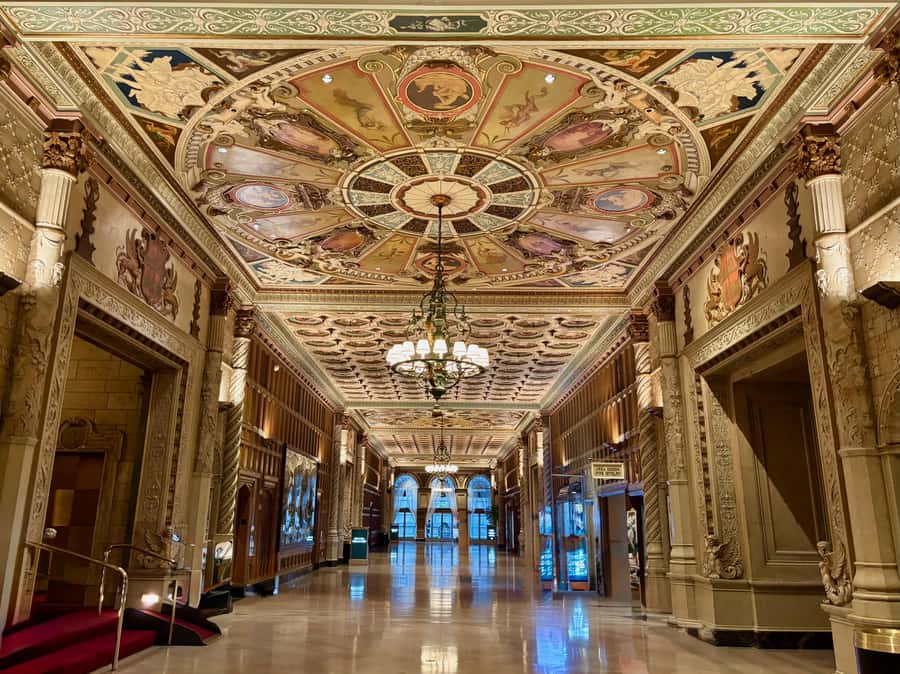
- Architecture as a plot: Art Deco and Beaux-Arts details get explained through why LA built the way it did
- Film history on the sidewalk: iconic names like Chaplin, JFK, Michael Jackson, Taylor Swift, and Jisoo come up as cultural touchstones
- Central Library as a smart starting point: you meet near the 7th Street Metro station for easy arrival
- Bradbury Building and Last Bookstore stops: two very “point-and-shoot” locations for photos
- Conversation-driven format: questions and interests shape the pace more than you might expect
Why Downtown LA architecture feels like movie history
Downtown Los Angeles can be hard to read at street level. This tour gives you a key, then hands you the map: buildings become clues to the people who paid for them, regulated the streets around them, and marketed the city to the world.
I particularly like how the guide’s perspective isn’t locked into LA-only lore. A Belgian storyteller with an international angle helps you compare how cities grow and remake themselves, while still keeping the focus on what makes DTLA specific.
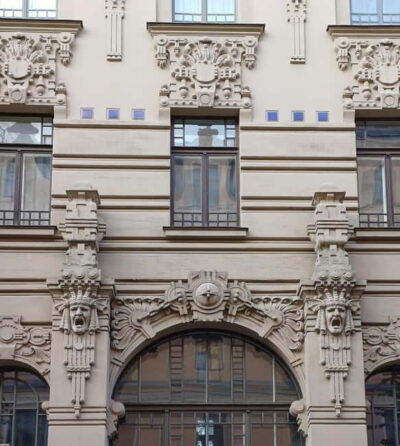
You’ll also notice a pattern: architecture here isn’t just decoration. It’s a way to sell an image, attract crowds, and signal power—long before social media made that job easier.
You can also read our reviews of more tours and experiences in Los Angeles.
Getting oriented at the Los Angeles Central Library
Your tour typically starts at the Los Angeles Central Library, right by the 7th Street Metro station. That matters more than it sounds. You’re not stuck figuring out where to be—you can get there cleanly, then walk into DTLA’s main storyline without wasting time.
The Central Library stop sets the tone: you start with a landmark that’s easy to spot, and you quickly learn how grand public buildings fit into the city’s wider identity. Expect plenty of “look closer” moments, especially for architectural details you’d otherwise sail past.
If you come by car, one starting option is the Grand Central Market parking garage area. Either way, the plan is built to get you moving fast.
Angels Flight Railway: a short ride, a big theme
Angels Flight Railway is one of those LA details that feels like a postcard, but it’s also useful context. It helps the guide explain how elevation, geography, and redevelopment changed how people experience this part of the city.
This stop also works as a pacing tool. You get a break from constant straight-line walking, and you reset your eyes for what comes next—downtown’s theatrical and business-era architecture.
Even if you already know Angels Flight exists, you’ll likely learn how it fits into the broader story of downtown’s evolution and the way LA markets itself.
Grand Central Market: where downtown culture meets everyday life
Grand Central Market gets folded into the tour because it’s a real anchor for how people live now. You’re not just strolling past pretty facades; you’re in a place where downtown habits show up in public.
You’ll get a short guided moment here, focused on how the historic core functions as a neighborhood, not just a sightseeing zone. It’s also a good reminder that architecture and city planning don’t exist in a vacuum—they’re built around crowds, access, and daily routines.
If you’re the type who likes to time a snack, this is a natural moment to grab water or a quick bite before the more concentrated landmark stretch.
The Theatre District: the glamour-and-grit architecture walkthrough
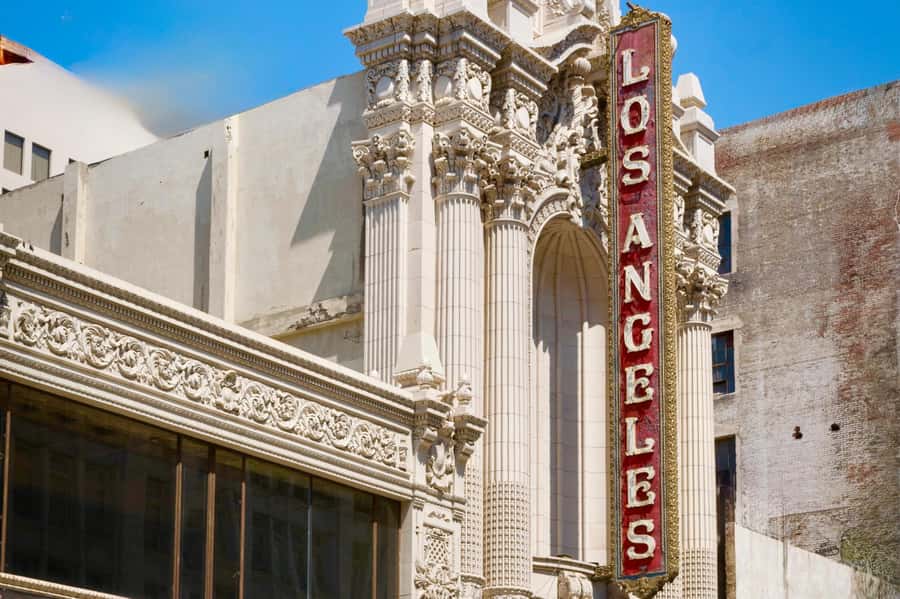
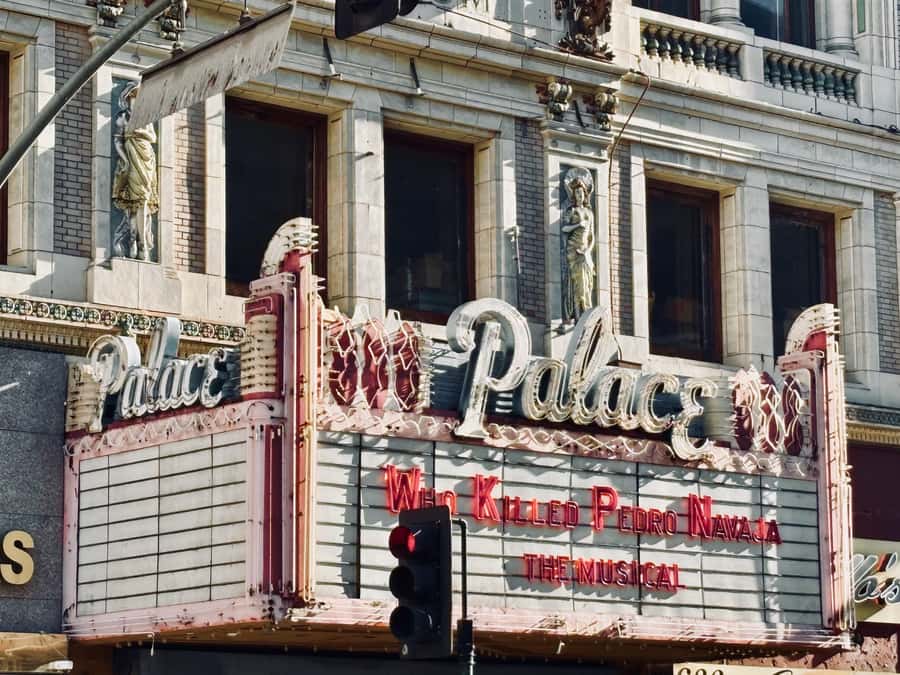
The Theatre District is the heart of the tour’s “Hollywood on purpose” theme. This area is described as the epicenter of LA’s cinematic history, with an extremely high concentration of movie palaces.
Here’s what makes it valuable: you’ll connect the theater buildings to the city’s larger ambitions. The guide doesn’t treat these venues as museum pieces. Instead, you’ll hear how movie palaces shaped street energy, storefront behavior, and what the city wanted visitors to feel.
You’ll likely get a steady stream of architectural observations—cornices, facades, and the kind of showmanship that turns a building into an event. It’s also where the conversation about politics and city life tends to land hardest, because downtown theaters sit at the intersection of business, culture, and public space.
Bunker Hill: layers of downtown reinvention
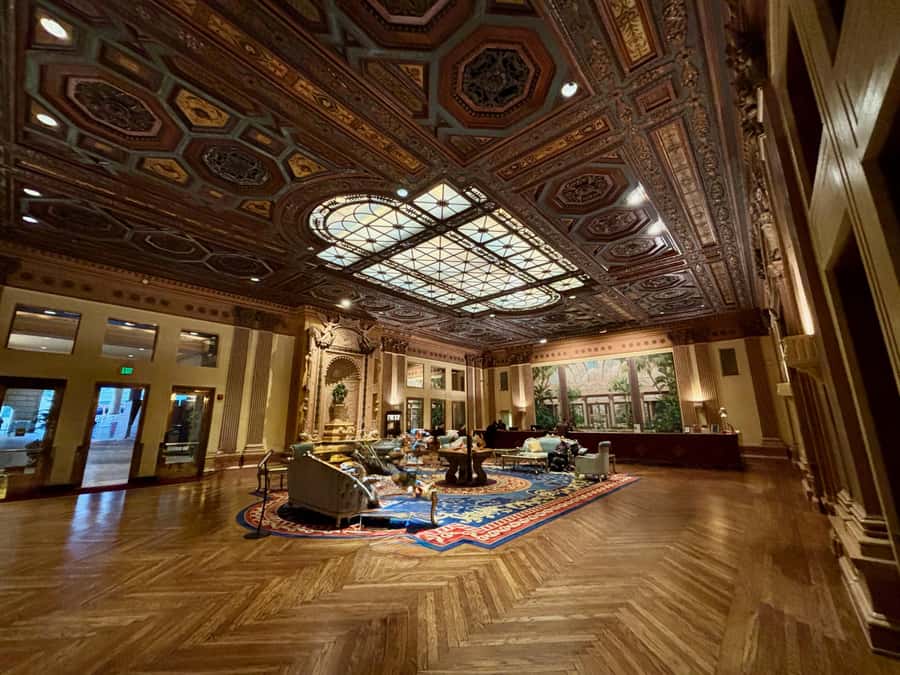
Bunker Hill is a name that makes sense even if you’re new to LA. It used to be more residential and affluent, and now it reflects the city’s constant reshaping.
On this stop, I like that the tour doesn’t just say what changed. It explains the logic behind redevelopment: who benefited, what new plans needed, and why the city keeps shifting its priorities downtown.
This is also a stop that helps you understand LA stereotypes. DTLA isn’t one single story—it’s stacked layers, sometimes beautiful, sometimes messy, always moving.
Bradbury Building: the photo stop that’s worth planning for
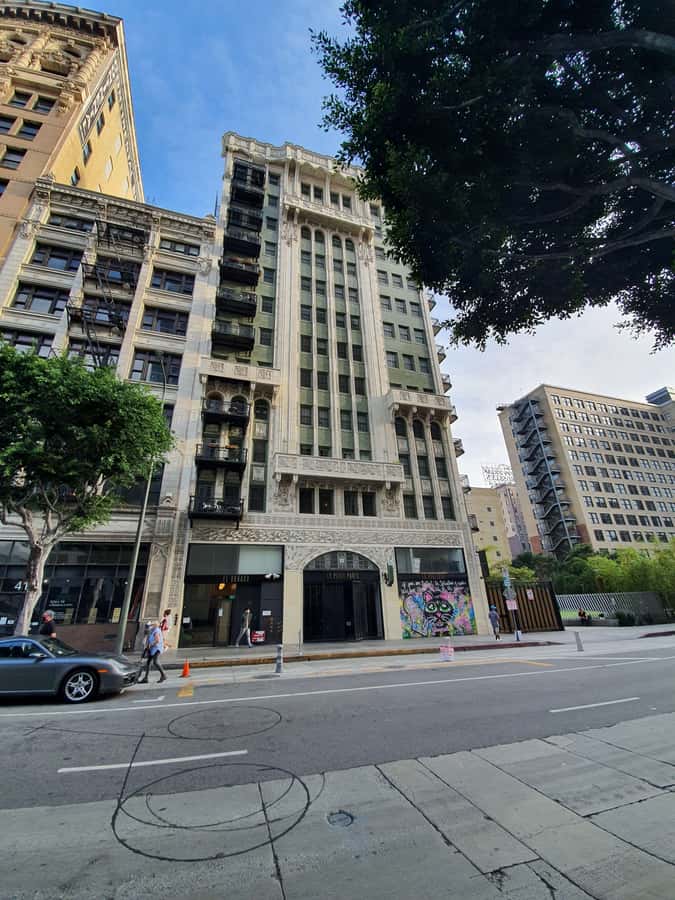
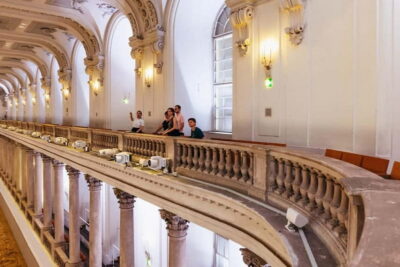
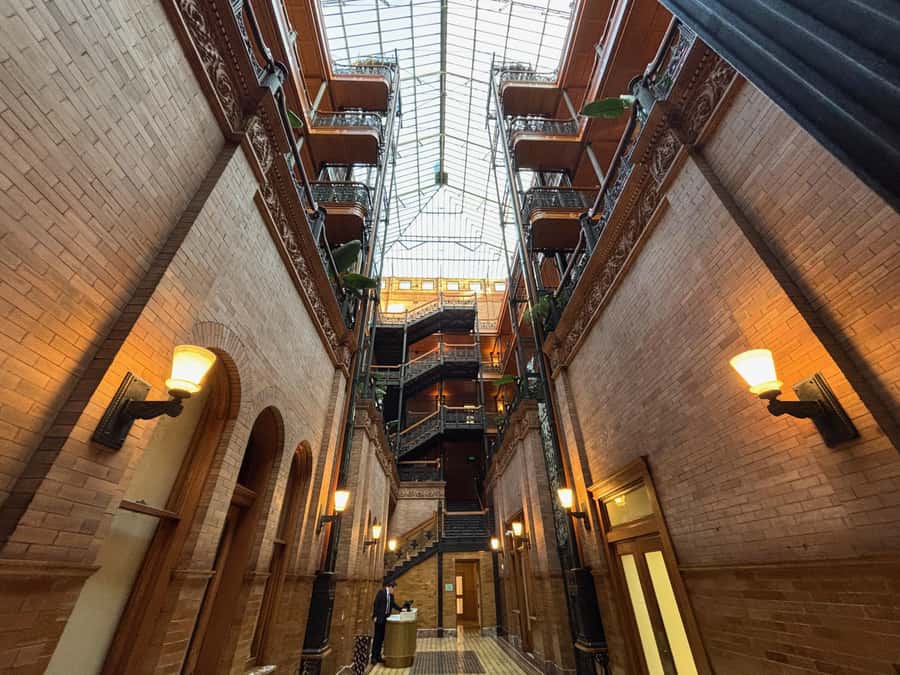
At the Bradbury Building, you get one of downtown’s most recognizable interiors. The tour includes a dedicated visit and guided time, with a strong push toward photos—especially if you like shooting vertical lines, textures, and that old-world steel-and-light look.
I find it useful that the guide points out what to look for while you’re there. Otherwise, it can be easy to photograph it like any other landmark. Here, you’re learning how the design creates drama and how that design reflects the building’s era.
Even if you’ve seen images online, visiting in person gives you scale. The space reads differently when you’re standing inside it, and it helps you appreciate why it keeps showing up in screen stories.
Broadway’s commercial legacy: storefronts as an urban time machine
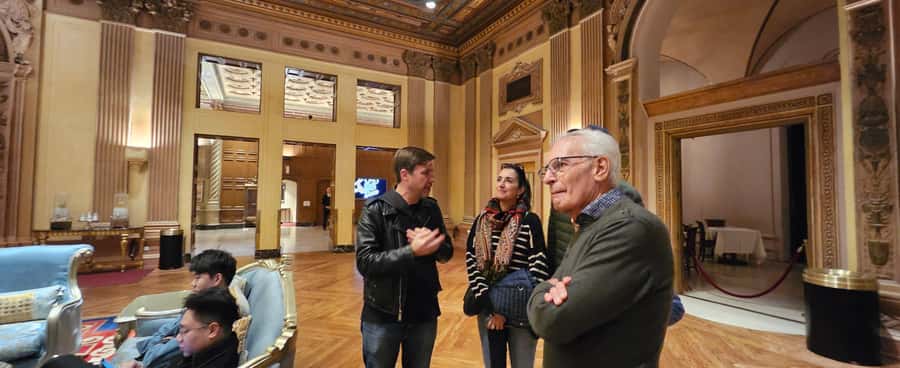
The tour spends time around Broadway’s historic business core, where the 1920s energy still lingers. This is the section where downtown history becomes practical: you learn to read street-level architecture like it’s a timeline.
The guide typically uses building fronts to explain how commerce worked back then—what people wanted visible, what businesses needed customers to notice, and how the street became a stage. You’ll also hear discussion about how downtown’s design shapes behavior now, not just how it looked then.
One practical note: Broadway blocks can feel busy and fast. Wear comfortable shoes and keep your camera ready, but don’t rush. The best details here come from slow looking.
The Last Bookstore: quirky, cinematic, and quietly useful
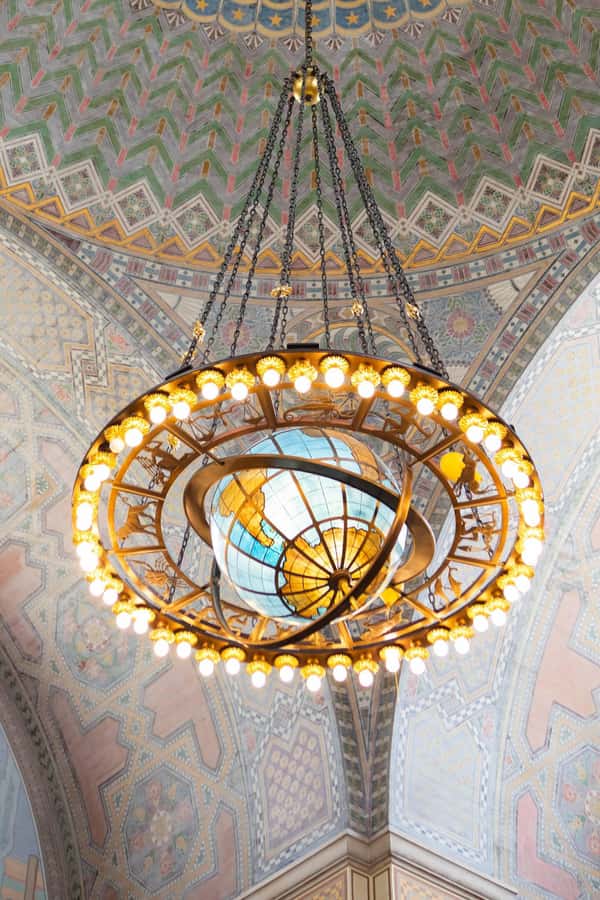
The Last Bookstore is a great final “taste of personality” stop. It’s included as a guided visit with time to explore, and it’s another place where the guide’s storytelling makes the architecture and space feel tied to culture.
This stop is valuable even if you’re not a big bookstore person. It shows how downtown creativity lives inside everyday spaces, not only in big-ticket landmarks. The guide also tends to connect the store to LA’s love of film and narrative—how stories get built into places.
Bring a camera, but also leave room for wandering. The best part of this stop is picking your own corners and textures to photograph, while the guide’s stories give those details meaning.
How Mark’s style keeps it from feeling like a history lecture
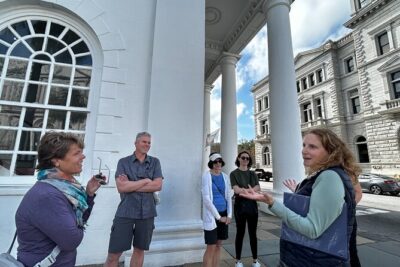
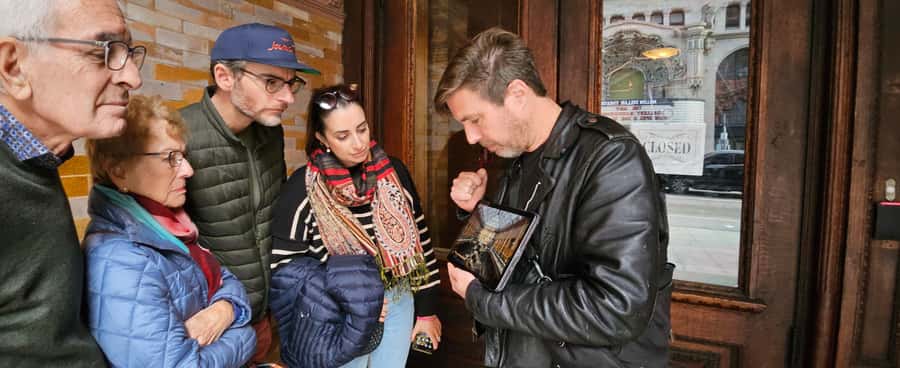
One reason this tour earns strong marks is the guide’s energy and interactivity. The experience is described as conversational, not scripted. You’ll be encouraged to ask questions, and the guide will fold your interests into the route.
A guide named Mark is specifically mentioned as enthusiastic and well informed, with a habit of illustrating movie history through the stops. That’s a strong match for this kind of tour because DTLA and film culture are linked here. Buildings aren’t just objects; they’re props in a much bigger cultural story.
The guide is available in English and French, and there’s also an option for private groups. If you want a smaller, more tailored experience, private booking can be the right move.
Price and time: what $30 buys you in DTLA
At $30 per person with a 150-minute duration, this is priced like a mid-range neighborhood experience rather than a premium museum ticket. For the money, you’re paying for guided interpretation across multiple iconic stops, not just a single landmark “check-in.”
This tour is also good value because the guide connects architecture with wider city themes—urban design, politics, city life, and the way LA brands itself. That turns a walk into something closer to a guided orientation.
One consideration: some people note it can run longer than advertised. If you’re trying to fit this between a tight dinner reservation and an evening show, build in a buffer. DTLA timing often has a way of stretching.
What to bring so the walk stays fun
The essentials are simple, and you’ll be glad you packed them. Bring comfortable shoes (this is walking city blocks), plus water, sunscreen, and a hat for sun exposure.
If you care about photography, bring your camera. The tour explicitly calls out photo opportunities at the Bradbury Building and the Last Bookstore, so you’ll want to be ready rather than borrowing someone else’s phone.
Who should book this Downtown LA architecture walk
This is a strong fit if you like:
- Architecture and city design explained through real-world context
- Film history tied to actual buildings, not just vague references
- A guided walk that keeps room for questions and back-and-forth talk
It may not be ideal if:
- You’re traveling with children under 6
- You use a wheelchair or need mobility accommodations
If you’re an architect or design-minded visitor, this tour tends to land well because it connects buildings to social factors that influence city planning.
Should you book this tour?
I’d book it if you want a focused DTLA overview that feels specific. The combination of iconic stops, strong architecture attention, and a guide who talks about how the city works makes the walk worth your time.
Skip it if you want a slow, low-effort sightseeing stroll. This is built for movement, and the points are chosen to keep the story rolling from the Central Library through the Theatre District and down to the Bradbury Building and the Last Bookstore.
If your LA plan includes time in downtown anyway, this tour helps you understand what you’re seeing—so you don’t just collect photos. You collect meaning.
FAQ
How long is the Downtown History & Architecture walking tour?
It runs for about 150 minutes.
How much does it cost?
The price is $30 per person.
Where does the tour start?
The tour meeting point can vary, with options including the Los Angeles Central Library area near 7th Street Metro, and the Grand Central Market parking garage area.
What stops are included?
You’ll visit major downtown landmarks including the Central Library area, Angels Flight Railway, Grand Central Market, the Bradbury Building, and the Last Bookstore, along with walking through downtown theater and commercial areas.
What languages is the guide available in?
The live guide speaks English and French.
Is the tour private group friendly?
Yes, private group options are available.
Is it suitable for children and mobility needs?
It’s not suitable for children under 6 years old, and it’s not suitable for wheelchair users or people with mobility impairments.
What should I bring?
Bring comfortable shoes, a hat, a camera, sunscreen, and water.
Outro: quick decision rule
If your goal is to see downtown landmarks and understand how LA’s architecture, film culture, and city life connect, this is a smart use of 150 minutes. If you need a very low-mobility experience or have very small kids, it’s better to look for a different format.