REVIEW · ACCRA
Accra Architectural Tour
Book on GetYourGuide →Operated by TourGuideKormi · Bookable on GetYourGuide
Accra’s buildings have better stories than guidebooks. On this Accra architectural tour, I like how you walk past Danish and Dutch-style mansions and older streetscapes, then tie the city’s look to its wider Ghana story. The vibe is part history lesson, part street-level exploration, with your guide helping you notice details you’d otherwise miss.
You’ll also spend time in Ga-Mashie, Jamestown, and cap the day with souvenir shopping at the Accra International Art Centre. One heads-up: this is architecture-first. If you book expecting a food tasting experience, you’ll likely leave wanting something else.
In This Review
- Key Things You’ll Notice on This Route
- Accra’s Architecture, Explained in Plain Street Talk (6 Hours Total)
- The Danish, Dutch, and English Neighborhood Walk (Where You Learn to Look)
- Jamestown’s Ga-Mashie: When the City Feels More Lived-In
- Accra International Art Centre: Souvenirs With a Purpose
- The Price and What You Actually Get for $130
- Who Should Book This Tour (and Who Should Pick Something Else)
- What to Pack So the Day Feels Easy
- Final Take: Should You Book the Accra Architectural Tour?
- FAQ
- How long is the Accra Architectural Tour?
- What neighborhoods and stops does the tour include?
- What languages are available during the tour?
- Is transportation included?
- Are entrance fees included?
- What should I bring?
- Is the tour wheelchair accessible?
- Is there a cancellation policy?
Key Things You’ll Notice on This Route
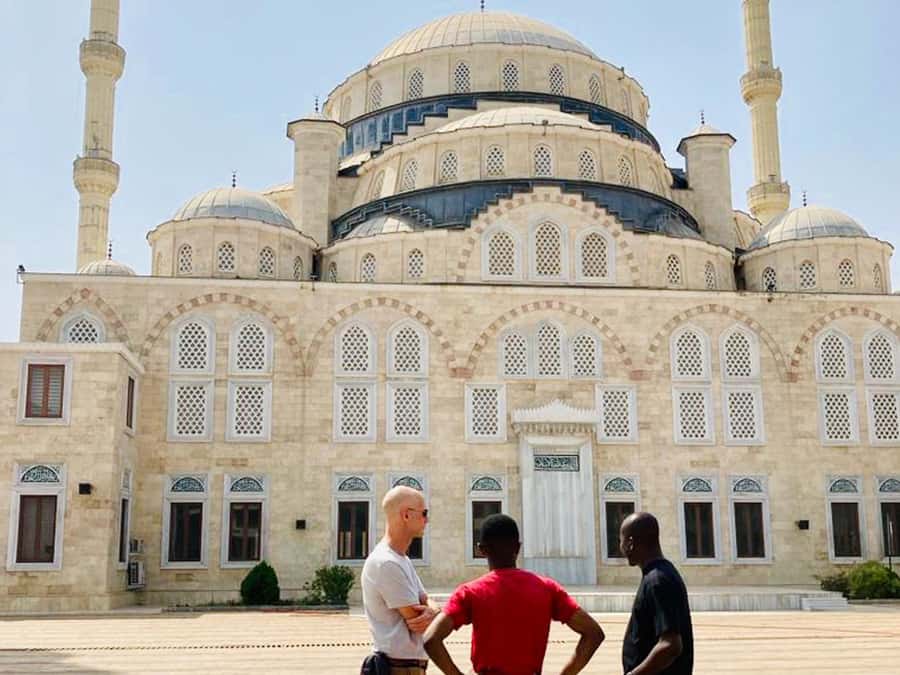
- A 3–4 hour walking stretch through Accra’s Danish, Dutch, and English neighborhoods
- Ga-Mashie in Jamestown as a dedicated neighborhood stop
- Pre- and post-colonial buildings still visible after hundreds of years
- Dutch and Danish colonizer-era architecture stories focused on homes and mansions
- Accra International Art Centre for souvenirs at the end of the tour
- Live English/French guide + audio options (English, French, German)
Accra’s Architecture, Explained in Plain Street Talk (6 Hours Total)
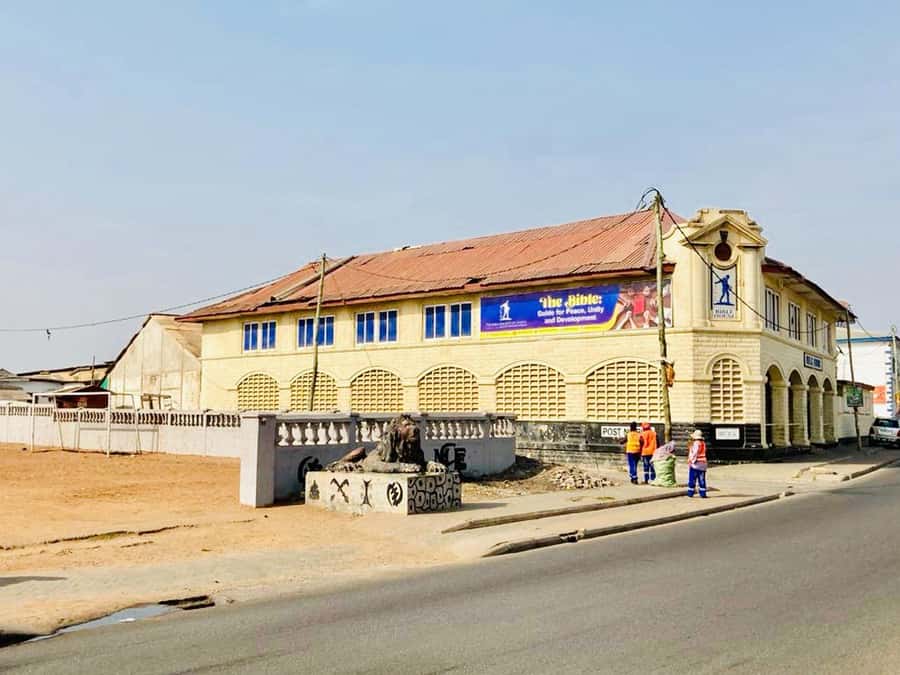
This tour is built for people who want more than a quick photo stop. You’re guided through Accra in a way that helps you connect buildings to the people and periods that shaped them. The route mixes pre-colonial and post-colonial structures, plus the European influences you can still see in the city today. That blend is the whole point.
The timing also matters. With 6 hours total, you get a proper walking segment (about 3–4 hours), then a neighborhood change-up in Jamestown (Ga-Mashie) and a final stop for shopping. It’s long enough to feel like a real experience, but not so long you’re completely melted by the sun before you hit the interesting parts.
I also like that the tour is not only about seeing buildings. You’re hearing stories about local landmarks and what makes the architecture stand out. That turns a street into a lesson you can actually remember, especially when your guide is using everyday language rather than sounding like a textbook.
The Danish, Dutch, and English Neighborhood Walk (Where You Learn to Look)
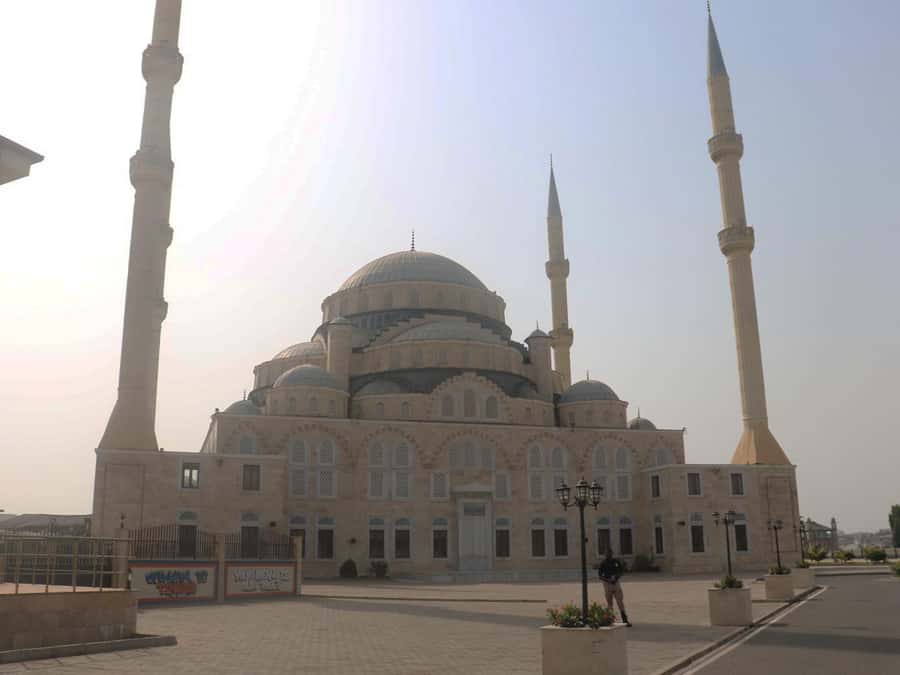
The middle of the day is a guided walk through Accra’s Danish, Dutch, and English neighborhoods. This is where you’ll spend the most time, and it’s usually the part people remember most because your guide slows you down. You start noticing design cues instead of just watching scenery go by.
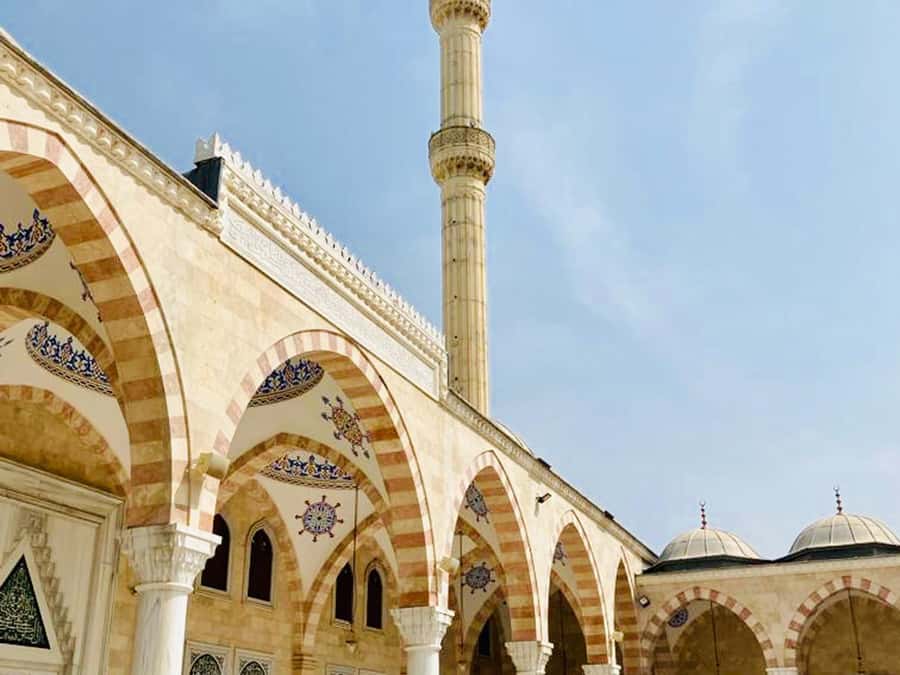
Your guide talks through the architecture you see along the route, including elegant homes and imposing mansions linked to the first Dutch and Danish colonizers. Even if you can’t identify every style name on sight, you’ll still understand what you’re looking at and why it matters. That’s the magic of a good walking tour: you’re not memorizing facts, you’re learning how to read the city.
Practical tip: wear sports shoes and comfortable clothes. Even though you’re guided, you’re still moving between streets and landmarks. Accra’s heat and sun can sneak up on you, so bring water and think in terms of steady walking, not sprinting for views.
Audio support helps too. The tour includes an audio guide in English, French, and German. If you want to switch modes during the walk, you can. It also helps if you’re at the edge of the group and the guide’s voice is harder to catch.
A small drawback to consider: a walking-heavy stretch means you’ll want to pace yourself. If you’re not used to city walking, you’ll probably feel it by the end of that 3–4 hour segment.
Jamestown’s Ga-Mashie: When the City Feels More Lived-In
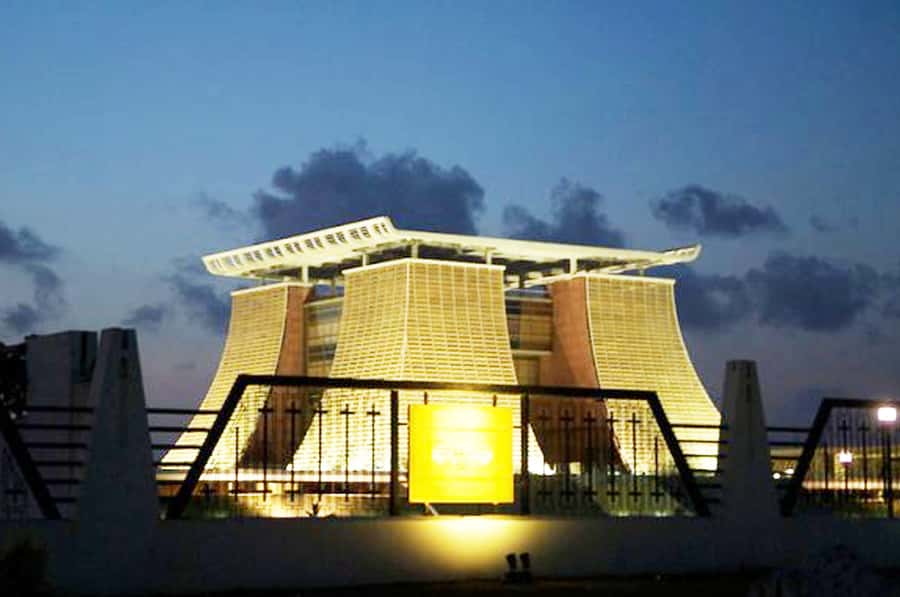
After the Danish/Dutch/English streets, the tour moves to the Ga-Mashie neighborhood of Jamestown. This shift is important. It keeps the tour from becoming only a European-architecture lecture. Instead, you get a different neighborhood rhythm and a clearer sense that Accra’s story isn’t just about colonial-era buildings still standing.
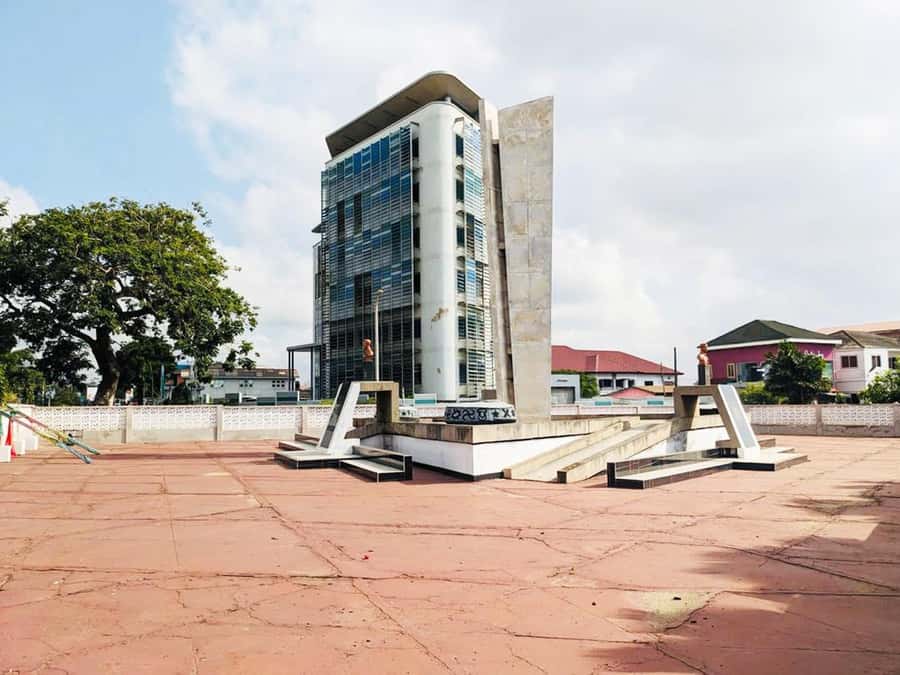
In Ga-Mashie, the focus remains on heritage and local landmarks, but the atmosphere tends to feel more grounded in everyday life. This is one of those stops where you can stand back, look around, and realize the architecture is not separate from the community. It’s part of the way the neighborhood functions now.
If you’re traveling solo, you may also appreciate the structure. Being guided through an active neighborhood with an English-speaking guide helps you feel less like you’re guessing and more like you’re being shown where to look.
From the reviews, I picked up a real pattern: people felt well looked after on the day. One solo female traveler specifically mentioned feeling cared for throughout the tour, which is exactly what you want on a neighborhood walk. I’d still stay smart: keep your essentials secure, and don’t wander off the route even if something catches your eye.
Accra International Art Centre: Souvenirs With a Purpose
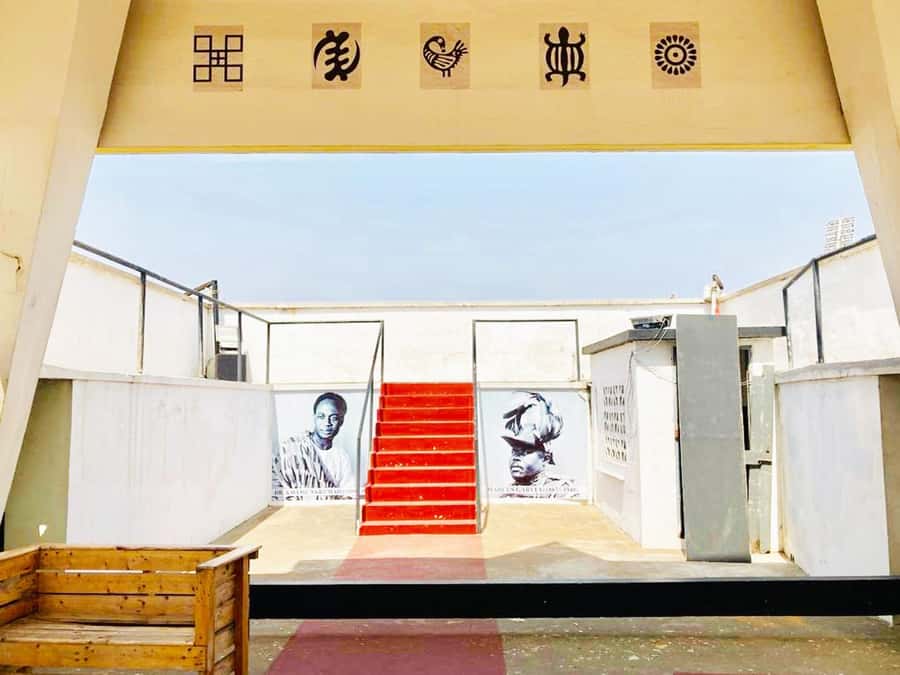
You finish at the Accra International Art Centre, and that’s not just a random gift stop. It’s the moment where the tour’s theme connects to something tangible you can take home.
You’ll have time for souvenir shopping here. If you’re the kind of traveler who likes buying something with context, this is a better ending than a generic market stop because you’re already tuned in to Accra’s identity. You’re leaving the architecture and moving into a space designed for art and buying, so you get a clean wrap-up to the day.
Also note: entrance fees are included, and the tour includes skip-the-ticket-line access. That helps when your day already has a full walking block. You don’t want to lose the end of your tour waiting in lines.
What you might find practical: bring cash and small bills if you use them locally, and don’t plan to buy everything at the end. If you see something you love, it can be easier to purchase with fresh eyes rather than waiting until you’re tired.
The Price and What You Actually Get for $130
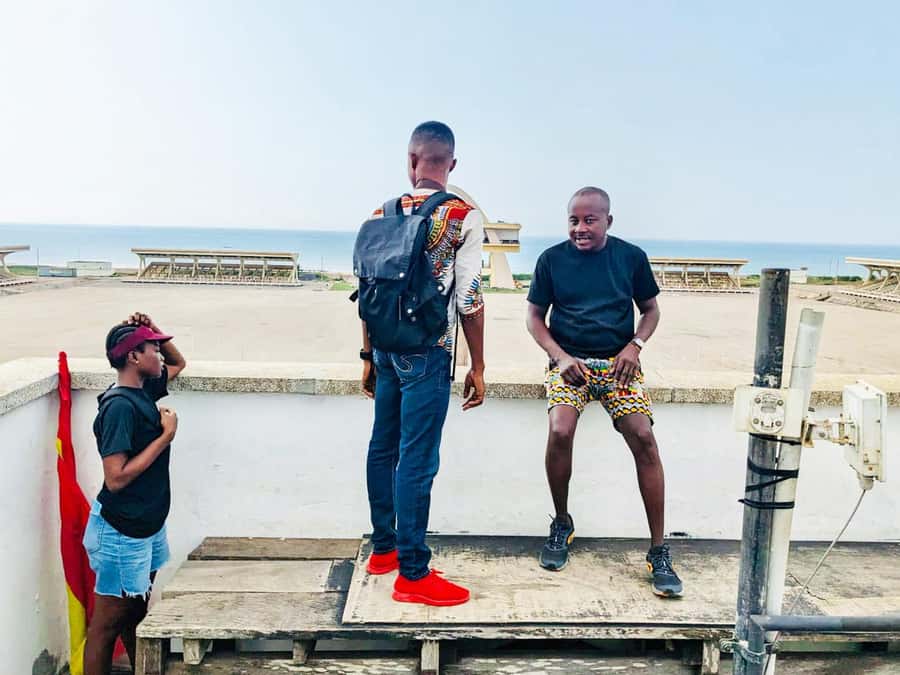
At $130 per person for a 6-hour tour, this isn’t a budget add-on. The value comes from the combination of things you might otherwise pay for separately: private vehicle transportation, an experienced English-speaking guide, entrance fees, and guided walking plus audio support.
Here’s how I’d judge it for your money:
- If you want a guide who explains what you’re seeing and helps you connect buildings to heritage, that’s where the price makes sense.
- If you only want photos and quick stops, you could likely do something cheaper on your own with a map and a bit of reading.
- If you’re hoping for a food-focused day, this is not that. The architecture is the main event.
The best part for value is that the day has a clear flow: walk the neighborhoods, then shift to Ga-Mashie, then finish at the art centre. You’re not wandering aimlessly for hours. That structure helps you feel like you got your money’s worth, because the route has momentum.
Also, the tour includes reserve features that can help you keep plans flexible (including free cancellation up to 24 hours in advance and a reserve-and-pay-later style option). For anyone juggling multiple city days, that kind of flexibility reduces stress.
Who Should Book This Tour (and Who Should Pick Something Else)
This is a strong match if you want:
- A guided architecture-focused day in Accra
- A route that includes both neighborhood streets and a final shopping stop
- A guide who talks about European influences through what you can still see in buildings
- English/French live guiding, plus audio in English, French, and German
It may be less ideal if you:
- Want a food tasting or restaurant-style experience
- Don’t enjoy walking and prefer driving between sights
- Expect stops that are purely modern or purely museum-based (this is a streets-and-buildings tour)
One thing I’d take seriously: the mix of ratings suggests quality depends on expectations and how you like your tours delivered. When the day is what you came for, it’s eye-opening. When your wishlist is something else, it can feel off. So check your own priorities before booking.
For solo travelers, the vibe from the guides and team sounds reassuring. One reviewer even mentioned that a driver, Kwame, was friendly and offered an insightful conversation during transit. That kind of human touch can make a day feel less like logistics and more like time well spent.
What to Pack So the Day Feels Easy
Accra sun and walking aren’t the time to overpack, but you do need a few essentials. Bring:
- Sports shoes
- Comfortable clothes
- Sunglasses
- Hat
- Sunscreen
- Water
- Camera
- Personal medication
- Passport or ID card
A small suggestion: keep your camera ready, but don’t treat every building like a mandatory photo. Part of the value is hearing the stories. If you’re constantly photographing, you’ll miss the details your guide points out.
If you wear sunscreen too late, you’ll learn that lesson fast. Put it on before you head out, and reapply if you’re staying out long.
Final Take: Should You Book the Accra Architectural Tour?

If you’re visiting Accra and you want a guided way to understand the city’s architecture—especially the Danish and Dutch neighborhood streets plus a neighborhood stop in Ga-Mashie, Jamestown—this tour is a solid buy. It’s long enough to feel meaningful, guided enough to make the buildings click, and practical enough to keep the day moving (with transport and entrance fees handled).
I’d skip it if your priority is food, nightlife, or a purely modern-city vibe. This is for people who like streetscapes, building details, and heritage stories you can see with your own eyes.
If that sounds like you, go for it. You’ll finish with a clear sense of how Accra’s past shows up in the present, and you’ll have something real to bring home from the Accra International Art Centre.
FAQ
How long is the Accra Architectural Tour?
The tour runs for 6 hours.
What neighborhoods and stops does the tour include?
It includes the Ga-Mashie neighborhood of Jamestown, a walk through Accra’s Danish, Dutch, and English neighborhoods, and a final stop at the Accra International Art Centre.
What languages are available during the tour?
The live tour guide is available in English and French. An audio guide is included in English, French, and German.
Is transportation included?
Yes. Transportation in a private vehicle is included.
Are entrance fees included?
Yes. Entrance fees are included, and you get skip-the-ticket-line access.
What should I bring?
Bring sports shoes, comfortable clothes, sunglasses, personal medication, a camera, water, passport or ID card, a hat, and sunscreen.
Is the tour wheelchair accessible?
Yes, the tour is wheelchair accessible.
Is there a cancellation policy?
Yes. You can cancel up to 24 hours in advance for a full refund.