REVIEW · ROTTERDAM
Rotterdam: Highlights, Gems, Architecture & History Walk
Book on GetYourGuide →Operated by Rottourdam · Bookable on GetYourGuide
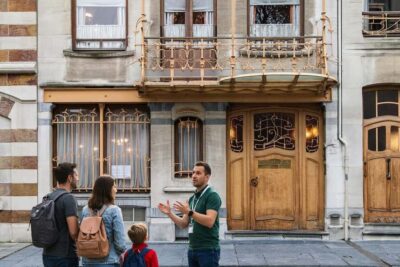
Rotterdam tells its story in buildings. A local architecture-and-history walk with guides like Yoreh or Elmer turns the city into a timeline, from the Rotte River trading roots to WWII rebuilding, with big-picture visuals that make it easier to follow. I especially like the stop-by-stop mix of old, current, and planned architecture, and the way the tour ends at Markthal for real food at the finish. The main thing to plan for is the pace: it’s a steady walking route (often about 11,000 steps), so comfy shoes matter.
If you choose the 2-hour version, you’ll get the essentials and a quick sense of how Rotterdam is put together. If you go 3 hours, you’ll get more context, more photo-guided angles, and extra time to understand what you’re seeing instead of just rushing past it. Either way, the guide keeps the group moving—so come ready to stand, listen, and take photos.
In This Review
- Key points before you lace up
- Rotterdam on foot: what a 2–3 hour walk really feels like
- From Rotte River to WWII rebuilding: the story threaded through the streets
- Architecture you can read: old, current, and future planning in one route
- Erasmusbrug and Veerhaven: skyline views plus a clean photo plan
- Cube Houses at Overblaak: seeing the strange shapes up close
- Shipping Quarter and the maritime story: why Rotterdam rebuilt around the port
- Markthal at the finish: why the food market closes the loop
- Depot Boijmans Van Beuningen and the museum-area connections
- Practical logistics that affect your comfort
- Price and value: is $48 worth it?
- Who this tour suits best
- Tips to get the most from your guide
- Should you book this Rotterdam highlights walk?
- FAQ
- How long is the tour?
- What are the main stops on the walk?
- Is there time to visit inside the Cube Houses?
- What’s included besides the guide?
- What language is the guide?
- Can I cancel?
Key points before you lace up
- A Dutch guide who links past, present, and future with real explanations (plus A3 photo visuals)
- Cube Houses area plus optional inside time—a fast, easy add-on after the walk segment
- WWII-to-rebuilding storytelling that helps the architecture make sense
- Skyline and photo stops with tips for angles (your guide actually points them out)
- Markthal at the end, so you can eat while the experience is still fresh
- Stroopwafels halfway to keep your energy steady on a brisk route
Rotterdam on foot: what a 2–3 hour walk really feels like
This isn’t a slow “meander and admire” stroll. You’re walking about 5 kilometers (roughly 11,000 steps) over 2 to 3 hours, with a brisk rhythm. Your guide stops often—just not enough to turn the whole thing into a sit-down lecture.
You’ll also do a mix of standing and listening, with sitting at selected locations when the guide explains. There’s a restroom break halfway, plus time to take photos, but the tour works on a steady schedule. If you want to linger at every corner, the 2-hour option can feel tighter—go for 3 hours if you like time to absorb.
Group size is kept small, which helps your guide answer questions and adjust the pacing. Reviews also highlight that guides are willing to slow down for photos and interesting moments on the street—like a guide pausing for wildlife sightings you might miss on your own.
You can also read our reviews of more tours and experiences in Rotterdam.

From Rotte River to WWII rebuilding: the story threaded through the streets
Rotterdam has a habit of feeling like it “grew up fast.” That’s not just a vibe. The tour frames the city’s origins back to the 13th century, when Rotterdam was founded along the Rotte River, then tracks how it rose from a modest trading spot into a powerhouse harbor city.
Then comes the hard turn: WWII. Your route is designed so the destruction and rebuilding aren’t abstract facts. Instead, you see how the city’s layout and architecture reflect choices made after the devastation. That’s why this walk is so helpful even if you’re only in town briefly—you start understanding why Rotterdam looks the way it does.
You’ll also hear about Rotterdam as an ongoing experiment in urban planning and design. In plain terms, that means the city keeps asking: what comes next, and what should the next generation build? The guide’s visuals help you see the “now” and the “planned” together, so new-looking buildings don’t feel random.
Architecture you can read: old, current, and future planning in one route
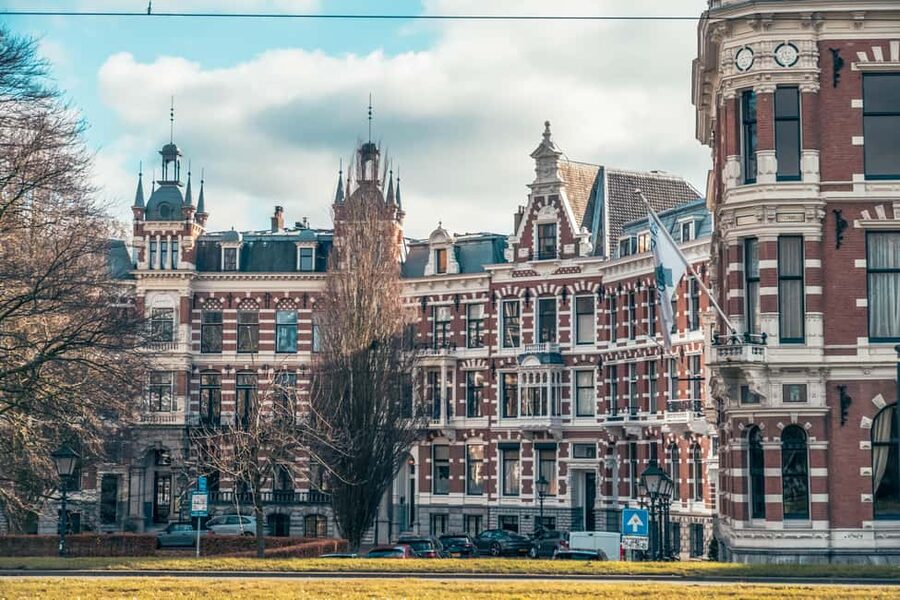
One of my favorite parts of this tour format is the layered approach. Rotterdam can be hard to understand if you only see photos online. Walking it with a guide who ties each stop to what came before makes the styles click.
You’ll look at:
- older city fabric and how older structures relate to today
- current architectural statements—often bold, sometimes controversial
- future development plans, shown with the guide’s A3 visual sheets
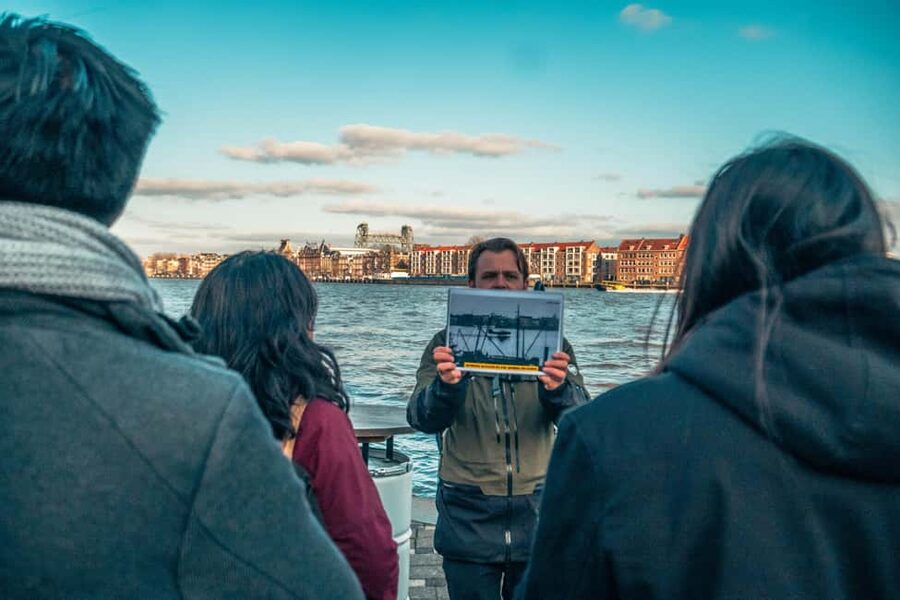
Those visuals matter. A3 pages are big enough to show “then and now,” and they help you interpret the shapes you’re seeing outside. Reviews repeatedly mention that the photo materials make it easier to understand the logic behind the design, and they help you visualize what might be planned next for the same area.
Erasmusbrug and Veerhaven: skyline views plus a clean photo plan
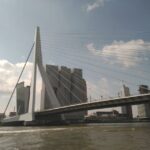
You’ll pass by major waterfront anchors and cross routes that open the views. One key moment is the Erasmusbrug, where the bridge becomes more than a landmark. Your guide uses it to explain how Rotterdam’s identity is tied to water, movement, and the harbor economy.
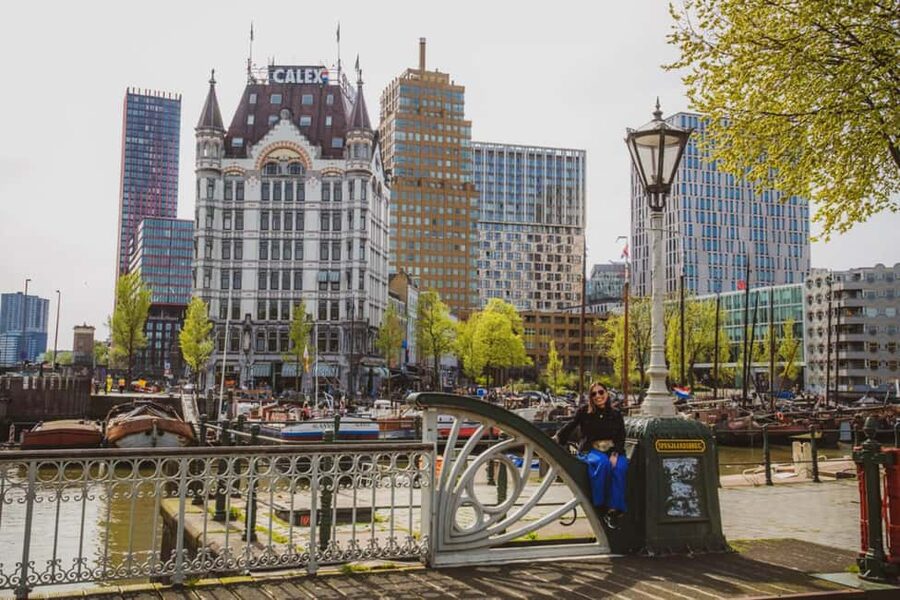
The waterfront area around Veerhaven and the points you pass along Leuvehaven and the maritime zone give you a sense of the scale. It’s also where photo advice pays off. Guides in this experience emphasize good angles and when to frame the skyline, and you’ll likely get those practical tips on where to stand and what to include.
If you’re short on time, this is still worth it. The views give you orientation fast, so the rest of the walk feels easier to track afterward.
Cube Houses at Overblaak: seeing the strange shapes up close
The Cube Houses are one of those Rotterdam stops people recognize instantly—but the tour makes them more understandable than a quick photo session.
You’ll walk through the Overblaak area where the Cube Houses sit. Inside access can be added afterward: the tour notes that visiting inside the cube is possible after the walk, with only about a one-minute walk. That’s convenient because you’re not stuck inside while the main story continues outside.
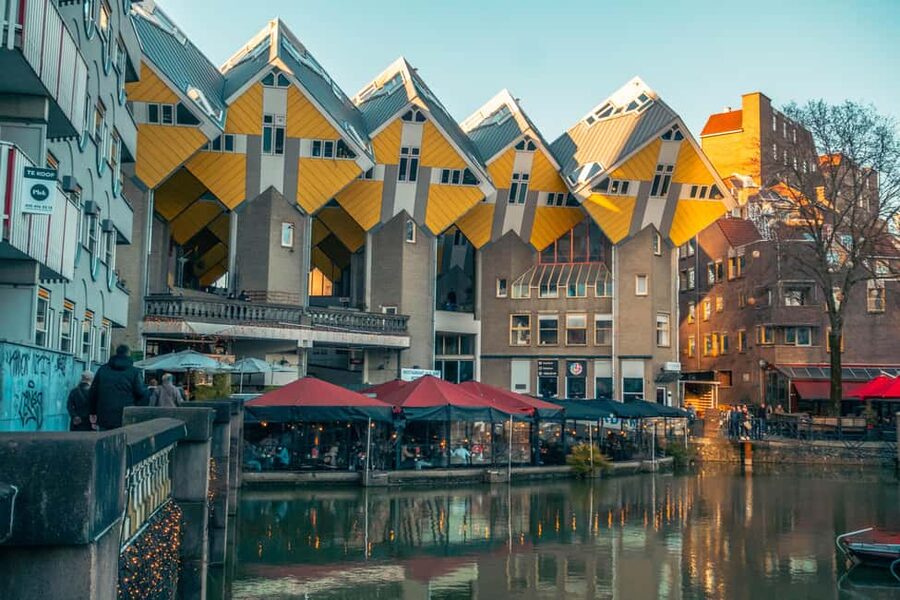
Here’s the practical thing to know: Cube Houses are visually striking, but the surrounding area helps you see why they were built there and how they fit into modern planning thinking. Your guide connects the design idea to the bigger “city as a lab” theme, which turns the cubes from a quirky photo into an actual design concept.





Shipping Quarter and the maritime story: why Rotterdam rebuilt around the port
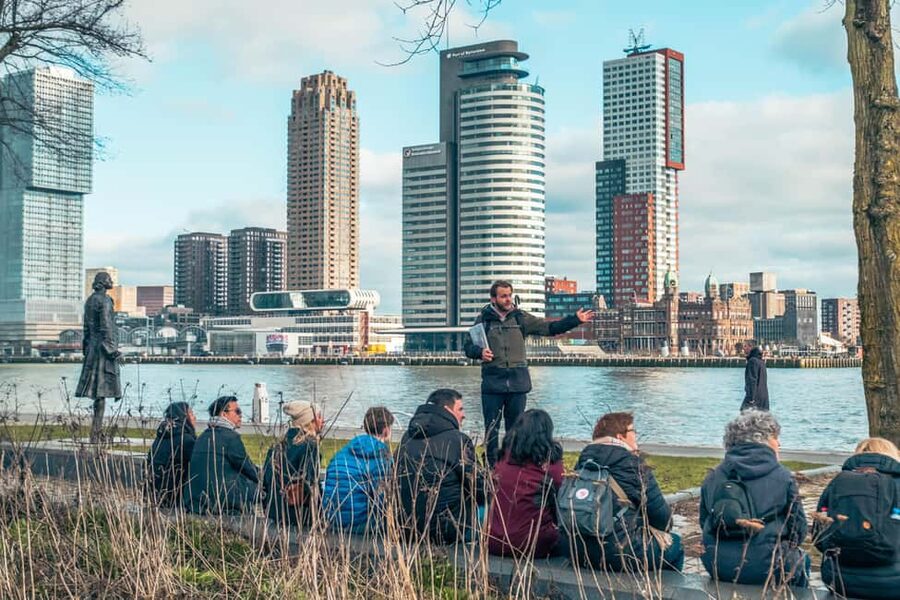
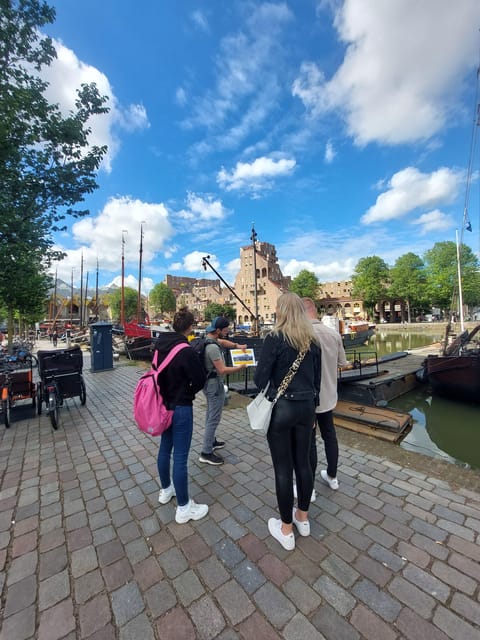
Rotterdam’s harbor identity isn’t a museum exhibit here—it’s part of the streets you walk. Along the way, you pass through the Maritiem District, including areas like Leuvehaven and Oude Haven.
This is where you learn why the rebuilding wasn’t just about replacing buildings. The city’s relationship with shipping, industry, and its waterways shapes what gets built, where people move, and how the city’s energy flows.
If you like history but hate dry timelines, this part tends to land well. It connects the WWII impact to real-world decisions: what gets restored, what gets redesigned, and how Rotterdam tries again, faster and differently.
Markthal at the finish: why the food market closes the loop
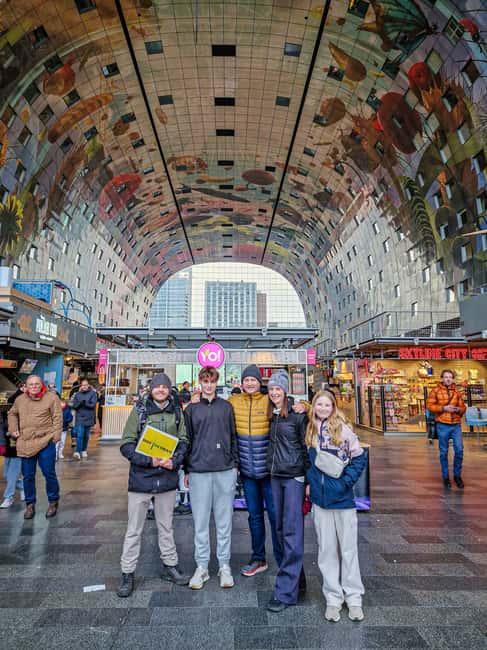
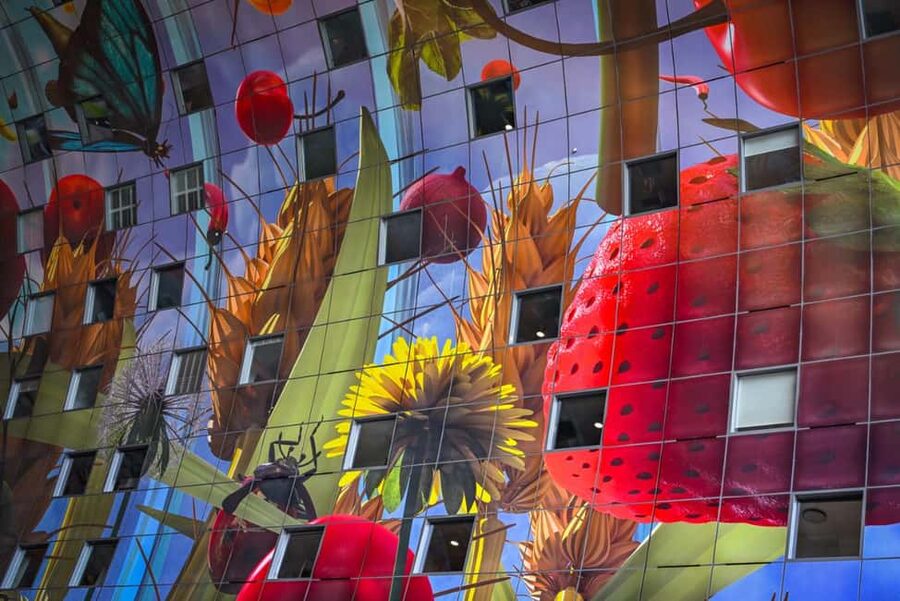
The tour’s ending point is the Market Hall (Markthal), which is a smart choice. You’re finishing with a place designed for crowds, food, and atmosphere, right after you’ve spent hours learning how Rotterdam thinks about design and public space.
You’ll get suggestions for where to eat inside Markthal. Even better, the visit gives you something concrete to do immediately rather than wandering off after the tour with no plan.
People often describe Markthal using grand comparisons, but you don’t need the nickname to understand why it works. It’s a place that matches the tour’s theme: modern planning, public space, and a city that keeps rebuilding itself into something new.
Depot Boijmans Van Beuningen and the museum-area connections
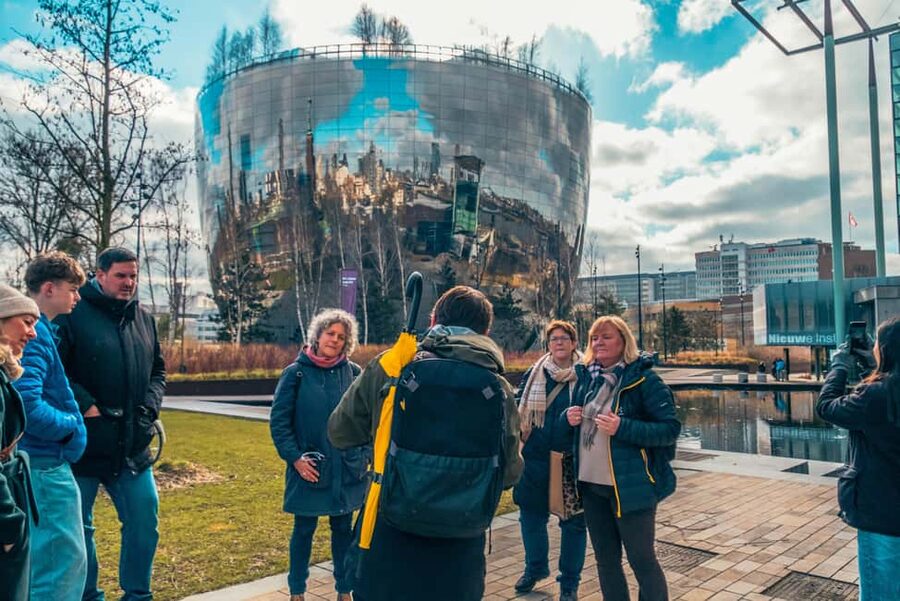
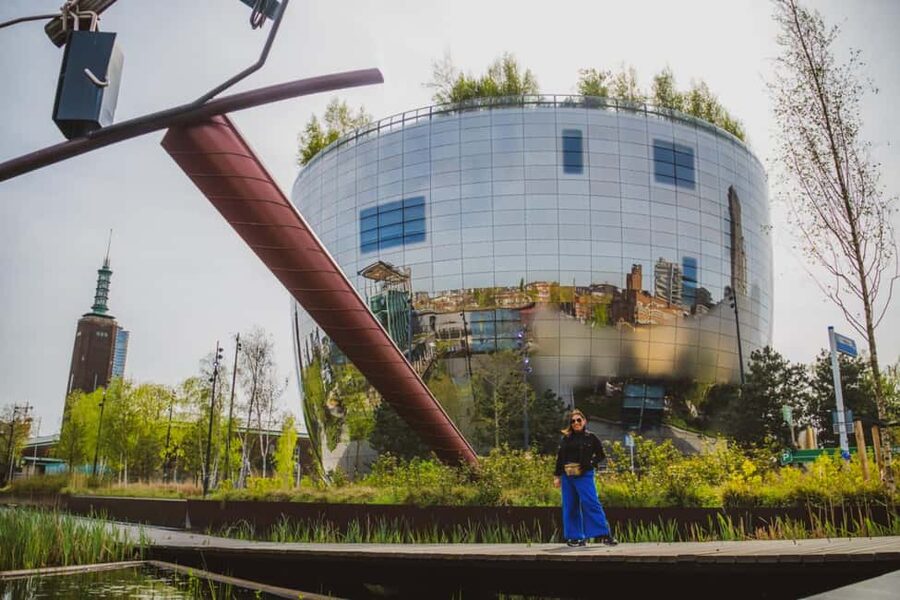
The walk includes a pass-by of Depot Boijmans Van Beuningen and touches the Museum Quarter zone as part of the architecture-and-history route. Even when you’re not fully “touring” an interior museum here, it matters because your guide is linking cultural institutions to the city’s ongoing development.
Think of it like this: architecture isn’t only about buildings you can photograph. It’s also about what a city invests in culturally and how those choices influence the surrounding neighborhood.
If you’re an art fan, this will likely make you want to add a museum visit later. If museums aren’t your thing, don’t worry—the walk still gives you enough street-level story so you don’t feel like you missed a key ticketed stop.
Practical logistics that affect your comfort
A few details can make or break the experience for your body:
- Wear good walking shoes. The route is long enough that bad footwear turns the day into a test.
- Expect standing at explanations. Seating is available at selected stops, but not constantly.
- Restroom breaks happen mid-tour, plus there are restroom stops along the route.
- You may walk stairs, and even though the route is labeled wheelchair accessible with steps avoidable on parts of the route, you should plan for some standing.
This one is specifically not a good fit if you have back, hip, or feet problems, or if you’re highly pregnant. If you’re in that category, consider asking about route adjustments before booking.
Also: no alcohol or drugs are allowed during the tour, which keeps the day focused and comfortable for everyone.
Price and value: is $48 worth it?
At $48 per person for 2 to 3 hours, the value comes less from “seeing landmarks” and more from how the guide explains what you’re seeing.
You’re getting:
- a professional local guide with deep coverage across past, present, and future
- small-group pacing (not packed into a huge crowd)
- A3 visual materials that make complex architecture easier to understand
- stroopwafels halfway, so your energy doesn’t dip mid-walk
- practical end-of-tour help, including where to eat in Markthal
- photo spot tips, which can save you time once you’re out there taking pictures
If you’re the type of traveler who likes museums but finds them too quiet and slow, this is a nice bridge. You get the context you’d normally pay extra for in a more formal architecture tour, but you also get the street orientation and harbor-city logic that makes Rotterdam feel navigable.
Who this tour suits best
This walk is a great match if you want:
- a first-day orientation in Rotterdam
- architecture and history connected in a way that actually makes sense
- a guide who gives photo tips and helps you plan what to do next after the tour ends
- a route that includes the Cube Houses and ends at Markthal without needing to think too hard about logistics
It’s also a strong choice for solo travelers. Reviews include examples of guides going out of their way to keep the experience comfortable even when bookings were small. If you like conversation and question time, small groups make that easier.
Tips to get the most from your guide
You’ll enjoy it more if you treat it like a guided “seeing lesson,” not just sightseeing:
- Bring a camera phone you can hold steady. The guide will point out angles and frames.
- Ask one or two questions about what you’re noticing. The stories connect to what you see, so curiosity pays off.
- Choose 3 hours if you want deeper explanations and more time with the visuals.
- Plan to eat at Markthal right after. The tour sets you up for it.
And if your guide uses the big A3 sheets, don’t rush past them. That’s often where the “how does this building fit into the city’s future?” part becomes crystal clear.
Should you book this Rotterdam highlights walk?
Book it if you want an organized, guided way to understand Rotterdam’s architecture and why the city rebuilt the way it did. The combination of WWII context, design explanations, photo advice, and a Markthal finish is a smart package for your time—especially if you’re only in Rotterdam for a short stay.
Skip it or be cautious if you can’t handle a brisk walking route with standing and some stairs. It’s also not ideal if you’re expecting a relaxed, sit-and-watch tour.
If you’re somewhere in the middle—curious, ready to walk, and interested in how the city works—this is an easy yes.
FAQ
How long is the tour?
It runs for 2 to 3 hours, depending on the option you choose.
What are the main stops on the walk?
You’ll see and pass by key Rotterdam spots like Erasmusbrug, Veerhaven/Leuvehaven, the maritime district and Oude Haven, the Cube Houses (Overblaak) area, and you’ll visit Markthal at the end.
Is there time to visit inside the Cube Houses?
You walk through the Cube Houses (Overblaak) area during the tour. Visiting inside can be done after the tour with only a short walk.
What’s included besides the guide?
The tour includes a professional local guide, a small-group setup, A3 photo material, stroopwafels halfway, restroom breaks, toilet breaks, and food suggestions for Markthal.
What language is the guide?
The live guide speaks Dutch and English.
Can I cancel?
There’s free cancellation up to 24 hours in advance for a full refund.