REVIEW · ROTTERDAM
Rotterdam Architecture: Centre and South Bank with watertaxi
Book on GetYourGuide →Operated by Walk Rotterdam · Bookable on GetYourGuide
Rotterdam reads like a building textbook. This tour pairs an architect guide with a speedboat watertaxi crossing the river, so you get both design talk on land and big-city views from the water.
I like the way the route is planned around major design moments, from Central Station’s newest vibe to the famous landmarks along the river. Just know the tour includes a 4-kilometer walk and you can’t bring luggage or large bags.
In This Review
- Key points worth knowing
- Starting at Rotterdam Central Station: the architect’s game plan
- Lijnbaan to Timmerhuis: modern Rotterdam on foot
- St. Laurens Church to the Markthal: design meets daily routine
- Cube Houses: when curiosity becomes the point
- Board the watertaxi: the Erasmus Bridge view that changes everything
- The South Bank’s former harbor area: new life for old space
- Guide style matters: what you’ll learn (and how you’ll use it)
- Price and pacing: is $82 good value for you?
- Who should book this Rotterdam architecture tour?
- Should you book Rotterdam Architecture: Centre and South Bank with watertaxi?
- FAQ
- How long is the Rotterdam Architecture tour?
- Where do I meet the guide?
- Is there a lot of walking?
- Is the tour wheelchair accessible?
- Is the tour suitable for visually impaired people?
- What’s included in the price?
- Are drinks included?
- Is luggage or large bags allowed?
- Do children pay the same price?
- What about cancellation or paying later?
Key points worth knowing
- Meet under the Central Station clock (outside, next to the main entrance) so you start in the right place fast
- Architect commentary focused on what you’re seeing, including future plans and city culture
- A proper speedboat watertaxi ride across the river with views of the Erasmus Bridge
- Iconic stops for design lovers like Timmerhuis (OMA), the Markthal, and the Cube Houses
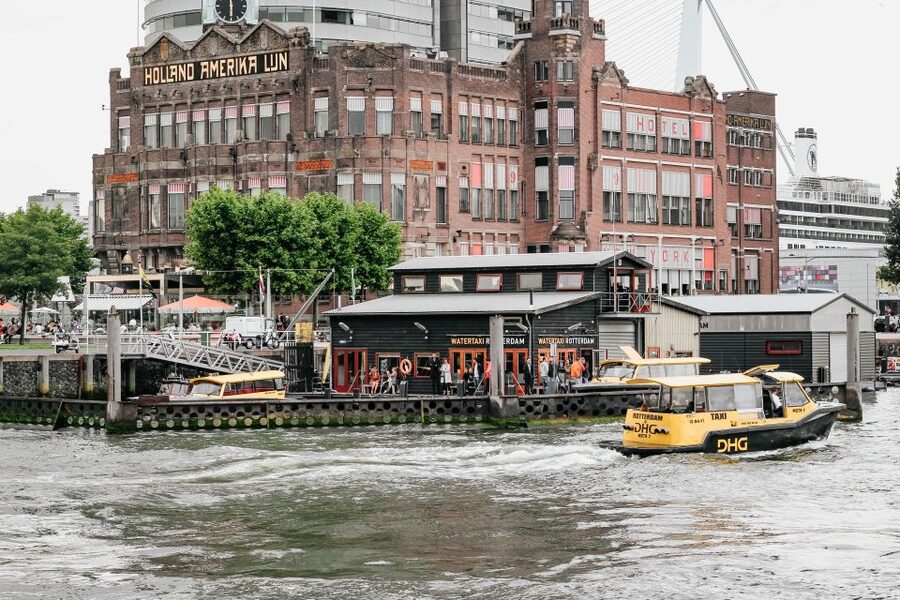
- South Bank highlights around the former harbor area, including Hotel New York, Fenixloods, and Fenix Food Factory
Starting at Rotterdam Central Station: the architect’s game plan
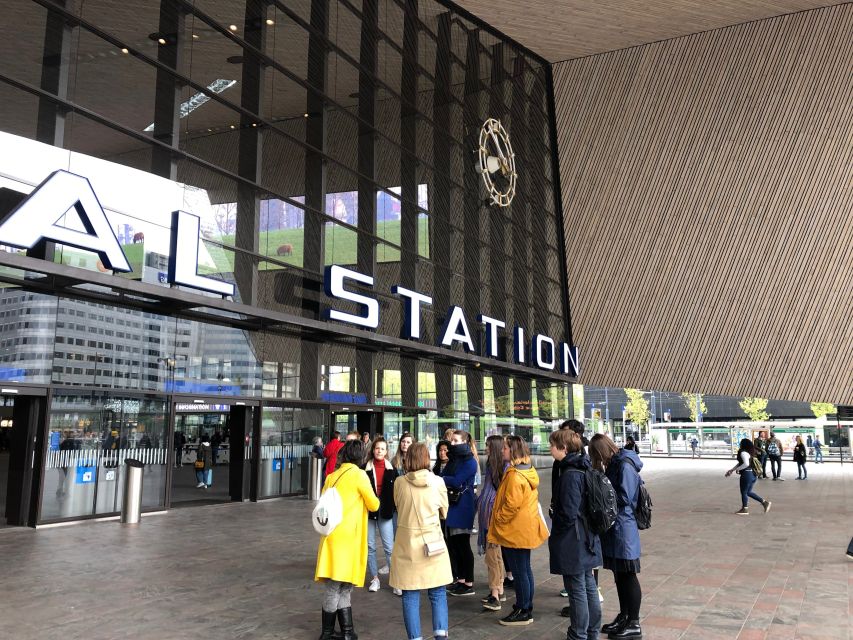
You’ll start at Rotterdam Central Station, meeting your guide under the station clock outside the main entrance. It’s a smart start: Central Station is where modern Rotterdam greets you, and it sets the tone for the whole day—city design, not just pretty buildings.
From there, the pace shifts into walking mode. You’ll follow an architecturally iconic route through the center, with your guide explaining what makes each project matter. If you’re lucky and get Tania as your guide, you can also expect practical sightseeing tips for the rest of your Rotterdam visit, not just facts for the tour.
This tour works best when you show up with comfortable shoes and a willingness to look at streets like they’re part of the architecture. In a city built after heavy destruction, planning and rebuilding is not a footnote—it’s the main story.
You can also read our reviews of more tours and experiences in Rotterdam.


Lijnbaan to Timmerhuis: modern Rotterdam on foot
Early in the walk, you’ll pass the Lijnbaan, a post-war modernist shopping area. Even if you’re not shopping, it’s worth noticing the street logic—straight lines, planned retail fronts, and the sense that Rotterdam intended the center to function like a system.
Next comes Timmerhuis, designed by the world-famous architects of OMA. Timmerhuis is the kind of stop that helps you connect design ideas to real-life outcomes. The value here is that the guide isn’t just naming architects; they’re pointing out how form, function, and the city’s needs shaped what you’re seeing.
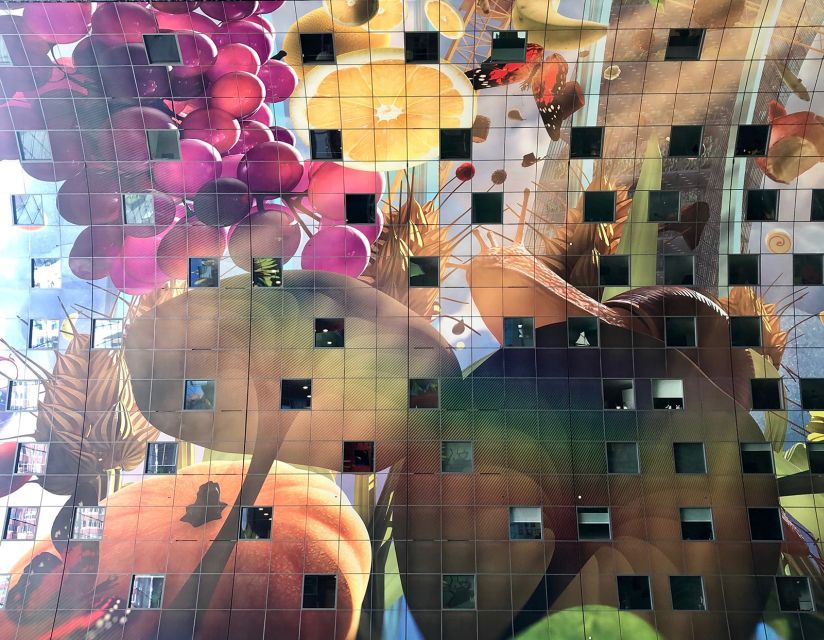
Then you’ll move toward St. Laurens Church, followed by the Markthal—described as the most unique indoor market in Europe. This is a key rhythm in the tour: you bounce between eras and building types so you can feel how Rotterdam layers styles without letting the city become a museum. It’s not only about what’s new; it’s also about how older structures keep their role in daily life.
St. Laurens Church to the Markthal: design meets daily routine
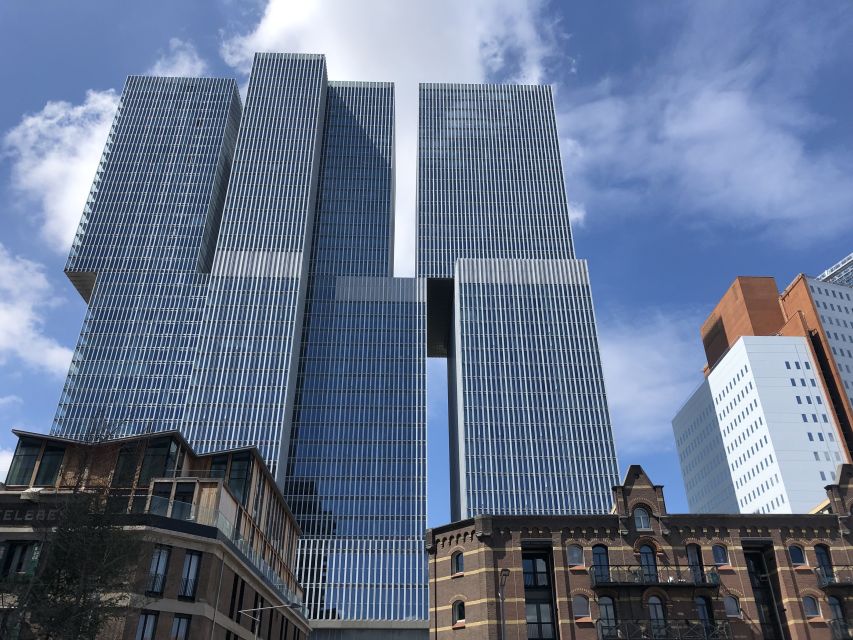
St. Laurens Church is a great mid-walk anchor because churches tend to slow you down. You’ll have a chance to register how it sits in the urban fabric—how it contrasts with the more planned, modernist-feeling spaces around it.
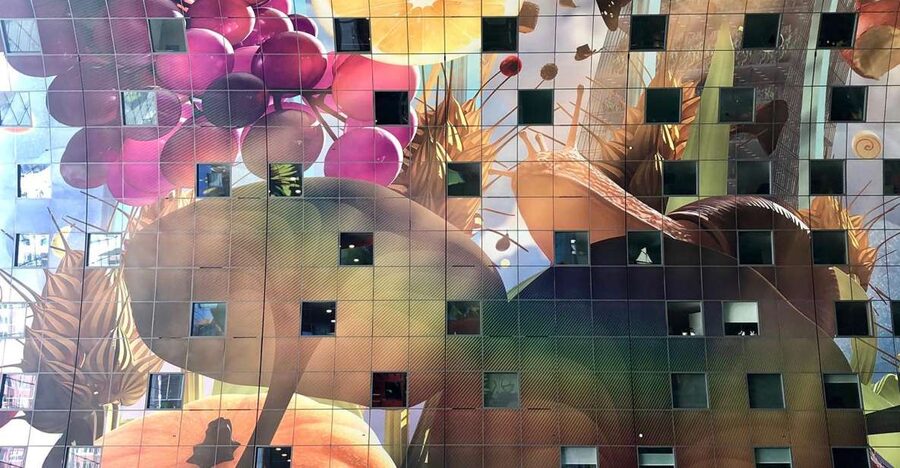
Then the Markthal changes the mood in a useful way. An indoor market isn’t just a place to buy food; it’s an architectural event. You’ll look at it as a designed interior public space, not a random building you pass on the way somewhere else. For food-minded travelers, it’s also the sort of stop that gives you ideas for what to do after the tour—especially when you’ve just heard an architect frame why the space works.
This segment is a good match if you like architecture that impacts everyday routines. It also helps if you get tired of lecture-style tours; here, the stops keep switching function—religious building, market hall, and then residential icon soon after.
Cube Houses: when curiosity becomes the point
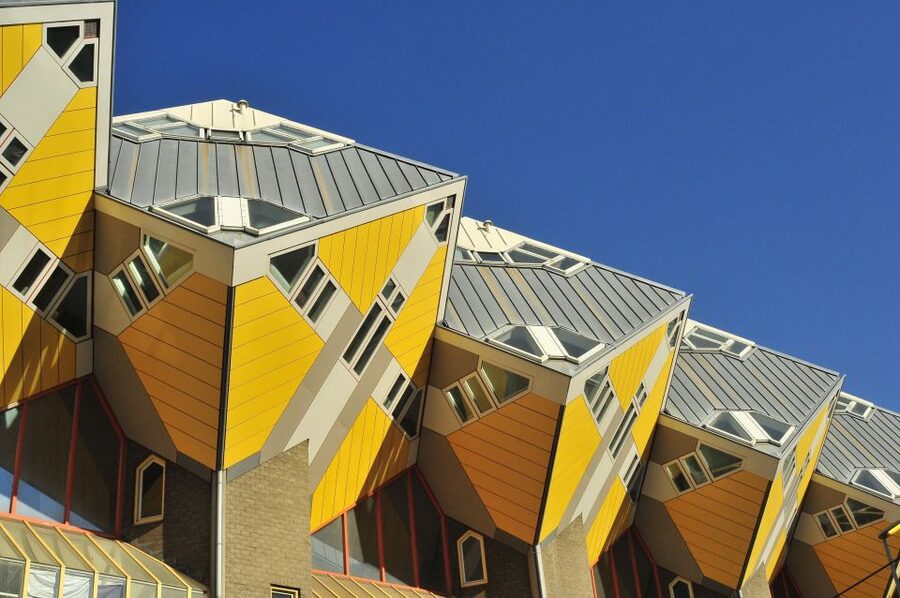
The Cube Houses are one of those Rotterdam sights you think you understand—until you look closer. Here, you’ll see them as more than a photo op. Your architect guide helps you interpret why these unusual shapes are memorable: they’re a bold city experiment, made to be seen and used in the urban layout.
I like this part of the tour because it builds curiosity. You start asking questions like how the geometry affects movement, light, and street presence. Even if you’re not an architecture nerd, these questions make the city feel sharper.
Practical note: you’re walking. This is where comfortable shoes really matter. You’ll want to keep your energy for the later watertaxi ride, when your feet finally get a break.
Board the watertaxi: the Erasmus Bridge view that changes everything
At the riverside, you’ll board the watertaxi speedboat and cross to the South Bank. This is the best contrast in the whole experience. On foot, you’re learning how buildings work close up. From the water, you see how Rotterdam arranges landmarks across the river—distance, height, and alignment all become easier to read.
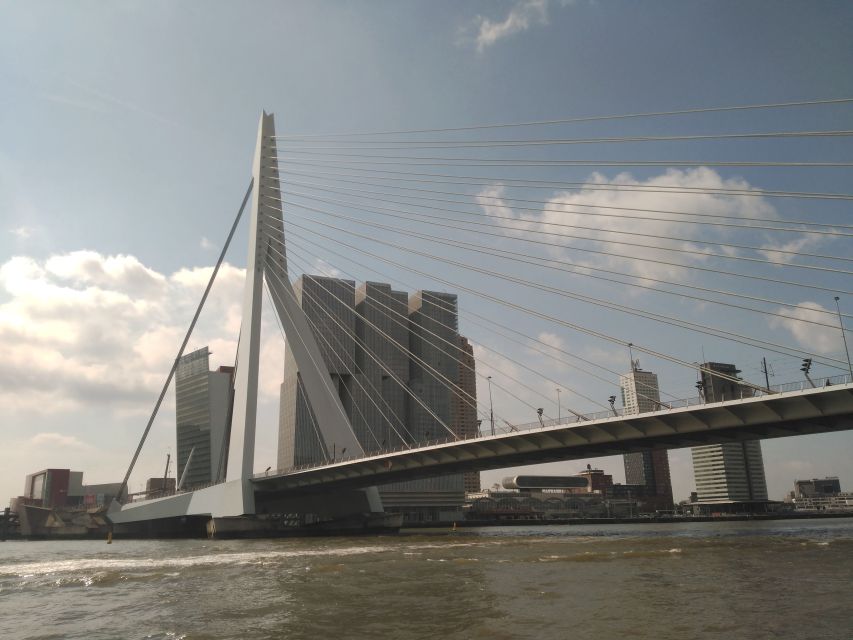
As you ride, you’ll pass under the Erasmus Bridge, one of the city’s most iconic landmarks. Even if you’ve seen it in photos, the water-level angle tends to make it feel more like infrastructure than scenery. The speedboat ride also keeps the tour from dragging—three hours is long enough for meaningful walking and design talk, but short enough that you don’t lose the thread.
If you enjoy skyline views, this is where you’ll feel the value of the crossing. It’s not just transport; it’s part of the architecture lesson.





The South Bank’s former harbor area: new life for old space
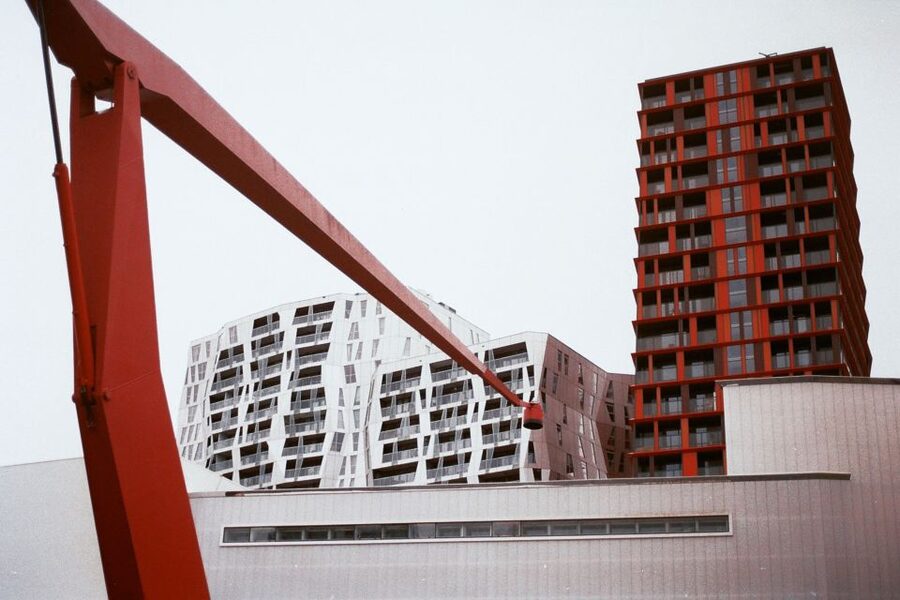
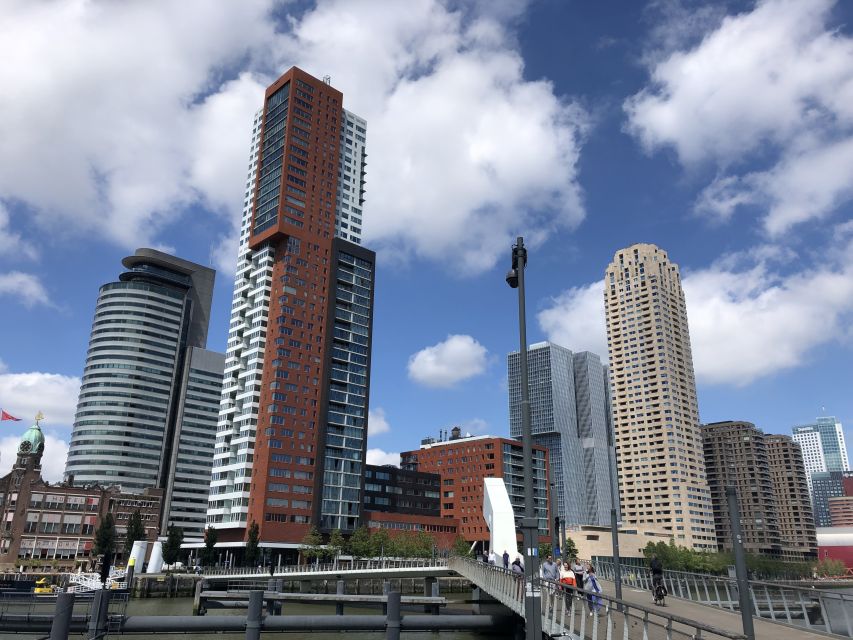
On the South Bank, you’ll explore the former harbor area that’s now described as a semi-island with high-end architecture and some of the best cafes and restaurants in Rotterdam. That “former harbor” clue is important. It explains why the area feels like a controlled redevelopment story rather than accidental growth.
You’ll also see several signature spots:
- the Rotterdam OMA building
- Hotel New York
- Fenixloods
- Fenix Food Factory
This cluster of names matters because it gives you a practical way to remember what you saw. Instead of vague sightseeing, you get a shortlist of landmarks that connect design, adaptive reuse, and food culture. After the tour, you can aim your next meal or wander based on what you learned.
This part of the day is ideal if you like architecture that’s meant to be used, not just admired from a distance. The riverfront works best when you’re willing to slow down and look across rather than only at street corners.
Guide style matters: what you’ll learn (and how you’ll use it)
The tour is led by a live English-speaking guide. The big win is that the architect explanations connect features—like named buildings and planned districts—to the bigger themes: Rotterdam’s culture and traditions, plus outlooks for future development.
In the feedback I’m basing this on, the standout praise is how clearly the guide explains architectural highlights and how useful the recommendations are after the tour. If you tend to get bored on standard “look at that building” tours, this one has a better structure because it’s designed around understanding, not just spotting.
If you’re the type who likes to plan your next steps, the guide’s suggestions can turn the last portion of your day into something intentional. You’ll leave with a sense of where the good design conversation continues—at cafes, in food markets, and around the river.
Price and pacing: is $82 good value for you?
At $82 per person for a 3-hour tour, the price makes the most sense if you care about two things you often don’t get together: (1) an architect guide-led walking route through major highlights and (2) a speedboat watertaxi ride as part of the sightseeing.
If your main goal is quick photos, you might feel the walking time is less efficient. But if you like context—why buildings look the way they do, and what that means for city life—the combination justifies the cost more than a basic sightseeing stroll would.
The pacing is also worth considering:
- You’ll cover a 4-kilometer walk, so don’t plan this as a “light legs only” activity.
- You’ll get a short but memorable high-speed river segment by watertaxi, which refreshes attention and adds views you can’t replicate from land.
Also check the practical rule: luggage or large bags aren’t allowed. If you travel with a big bag, you’ll need a plan to keep it stored elsewhere.
Who should book this Rotterdam architecture tour?
This tour is a strong fit if you:
- want architecture with explanations from an English-speaking architect guide
- like Rotterdam’s post-war and redevelopment story, not just classic landmarks
- enjoy water views and want the Erasmus Bridge from the river
- want a compact overview that still includes multiple major sites in a short time
It may be a poor match if you:
- have trouble with a 4-kilometer walk
- need a tour designed specifically for visually impaired participants (the tour data marks it not suitable for visually impaired people)
- plan to bring luggage or large bags
One more confusing-but-important detail: it’s listed as wheelchair accessible, yet it’s also marked as not suitable for people with mobility impairments. If that affects you, contact the operator directly before booking so you can confirm what “accessible” means for the route and walking portions.
Should you book Rotterdam Architecture: Centre and South Bank with watertaxi?
Book it if you want the best of Rotterdam in one focused outing: architect-led walking through the city’s key design stops, then a speedboat watertaxi that turns the river crossing into a highlight. The combination is the point, and the guide-driven explanations help you leave with more than just photos.
Skip it if you’re shopping for a low-effort stroll, or if the walking and bag restriction will be a hassle. For architecture fans and people who like mixing streets with skyline views, this is a smart, time-efficient way to see why Rotterdam looks the way it does—straight from the ground and from the water.
FAQ
How long is the Rotterdam Architecture tour?
The tour lasts 3 hours.
Where do I meet the guide?
Meet your guide under the station clock at Rotterdam Central Station, located next to the main entrance on the outside.
Is there a lot of walking?
Yes. The tour includes a 4-kilometer walk.
Is the tour wheelchair accessible?
It’s listed as wheelchair accessible, but it’s also marked as not suitable for people with mobility impairments. If you have mobility needs, it’s worth confirming route details before you go.
Is the tour suitable for visually impaired people?
No. It is marked not suitable for visually impaired people.
What’s included in the price?
The price includes the water taxi fee and the tour guide.
Are drinks included?
No. Drinks are not included.
Is luggage or large bags allowed?
No. Luggage or large bags are not allowed.
Do children pay the same price?
Children under 12 can participate free of charge. The listed price covers the speedboat fee.
What about cancellation or paying later?
Free cancellation is available up to 24 hours in advance for a full refund, and you can reserve now & pay later.