REVIEW · MELBOURNE
Architecture Tour of Melbourne
Book on Viator →Operated by MELTours · Bookable on Viator
Melbourne’s buildings explain themselves on foot. This small-group Architecture Tour of Melbourne lets a guide connect the city’s design choices from the 1850s onward, with stops that include Federation Square and Flinders Street Station. I love the design-focused stories and the fact that the walk is short enough to keep your attention, not your inbox. One thing to plan for: it’s about a two-hour walking tour, and it is not wheelchair accessible.
You meet at St Paul’s Cathedral on Flinders Street, which is a great anchor point for getting oriented fast in the CBD. I also like that the group can finish roughly near Bourke Street Mall, so you’re not stuck trekking back the way you came.
The tour is priced at $64.55 per person and runs about 2 hours, with a mobile ticket and a maximum of 10 people. Most travelers can participate, but you should expect uneven pacing since the guide tailors the route to the group’s interests.
In This Review
- Key highlights worth packing for
- Entering The City: why St Paul’s Cathedral sets the tone
- A small-group walking format that actually works
- Federation Square: turning a public space into architecture context
- Flinders Street Station: the landmark you can’t ignore
- ANZ Bank Museum: when the money story gets architectural
- Scots Church: spotting meaning in a calmer moment
- How the guide turns architecture into an easy-to-follow story
- Timing and pace: what 2 hours feels like in real life
- Price check: $64.55 and what you actually get for it
- Who this tour is for (and who might want something else)
- Booking instincts: should you book this Architecture Tour of Melbourne?
- FAQ
- FAQ
- Where is the meeting point for the Architecture Tour of Melbourne?
- How much does the tour cost?
- How long is the Architecture Tour of Melbourne?
- What is the group size limit?
- Is the tour wheelchair accessible?
- What stops are included on the tour?
- What happens if the weather is poor?
- Do I get a mobile ticket?
- Can I get a full refund if I cancel?
Key highlights worth packing for
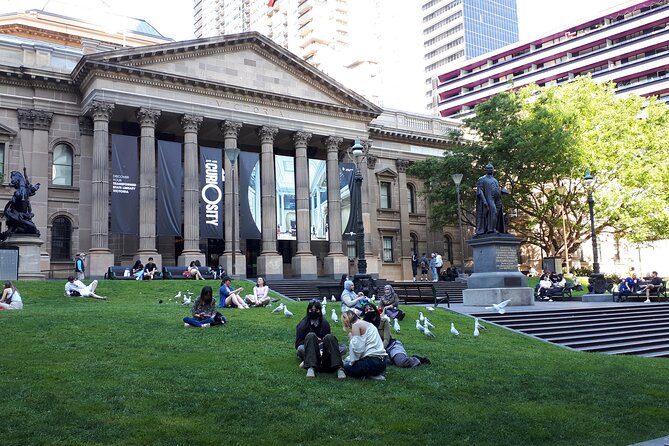
- St Paul’s Cathedral start point makes the CBD easy to navigate from the first minute.
- Max 10 people keeps the vibe personal, so questions don’t get lost.
- Federation Square, Flinders Street Station, ANZ Bank Museum, Scots Church are all on the route.
- Hidden from the street view moments can happen, so you’ll notice details you’d miss solo.
- Good-weather dependent: poor weather means a reschedule or a full refund.
Entering The City: why St Paul’s Cathedral sets the tone
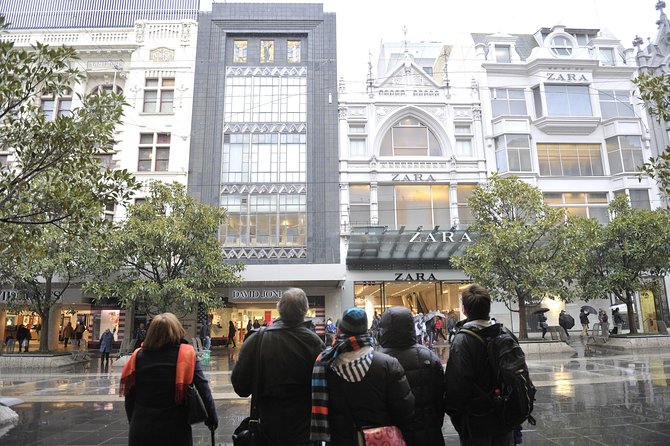
Meeting at St Paul’s Cathedral on Flinders Street is more than just a convenient address. It gives you a clean starting “story” for Melbourne’s architecture—one that’s easy to build on as you move through the CBD.
If you’ve ever wandered around town and felt like the buildings were shouting over each other, this tour helps you listen. Your guide points out what to notice, then explains why those design decisions mattered. You’ll get the big picture without needing to be an architecture expert.
Also, do plan on shoes that can handle real walking. The tour is short in duration, but it’s still a proper CBD stroll.
You can also read our reviews of more tours and experiences in Melbourne.

A small-group walking format that actually works
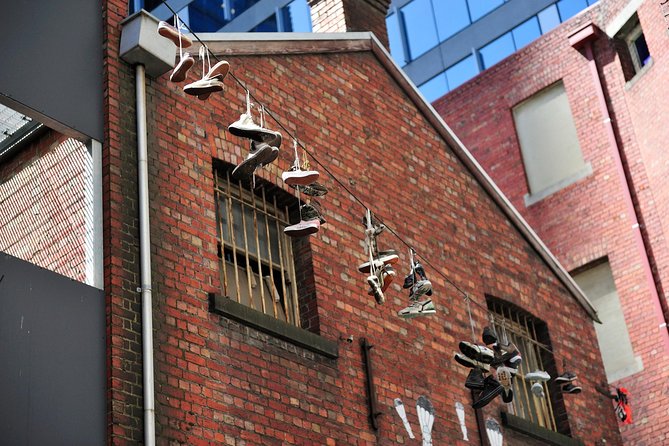
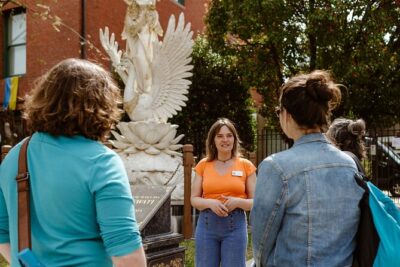
This is capped at 10 travelers. That matters. In a bigger group, guides often rush. Here, you’re more likely to get stops that include time for questions, small detours, and those “wait, what am I looking at?” moments.
From the guide styles described in past experiences, the best part is that the information tends to feel human, not like a script. You can ask different types of questions—history, design intent, or just practical things like why certain buildings feel the way they do—and you’ll usually get a direct answer.
There’s also flexibility built into the experience. You finish roughly near Bourke Street Mall, and the guide can tailor as much as possible to what the group cares about. That’s a small thing, but it makes the tour feel less like a checklist.
Federation Square: turning a public space into architecture context
Federation Square is one of those Melbourne places you probably pass by, even if you’re not trying. On this tour, it’s used as an orientation step and a way to connect how public spaces shape a city’s look and feel.
The practical value here is simple: you stop, you reset your bearings, and you understand what’s coming next. Instead of seeing buildings as separate photos in your head, you start grouping them by themes the guide highlights—how time periods change style, how architecture reflects the city’s priorities, and how prominent locations shape the streetscape.
What I like about this approach is that you’re not only learning facts. You’re learning a method: notice first, then attach meaning.
Flinders Street Station: the landmark you can’t ignore
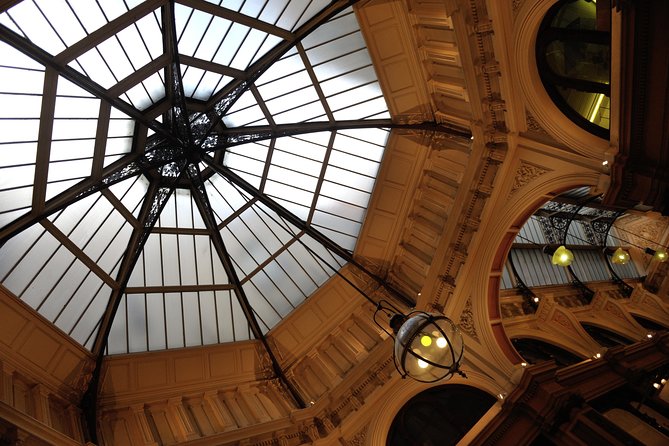
Flinders Street Station is one of Melbourne’s signature buildings, and it gets more interesting when you’re not just walking past it. During your stop, your guide explains significance, which is what turns the station from a backdrop into part of the city’s story.
This is also where you benefit from having a guide manage your attention. Stations are busy, visually complex, and easy to skim. A good guide helps you focus on specific architectural clues—what’s emphasized, what transitions where you expect them, and how the station’s presence affects the surrounding CBD.
One extra perk: some moments along the tour include areas that aren’t obvious from street view. That’s exactly the kind of stop where going solo can feel like you’re seeing only half the building. With a guide, you’re more likely to know where to look and what’s worth a closer glance.
ANZ Bank Museum: when the money story gets architectural
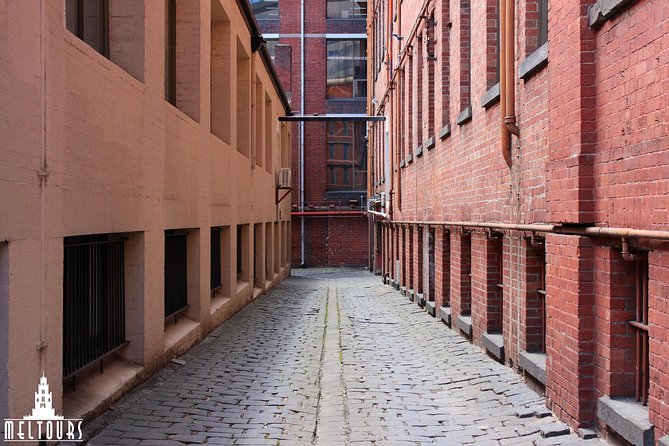
The ANZ Bank Museum stop is a neat contrast in the overall walk. It’s still part of the CBD architecture story, but it adds a different angle—how institutions build identity through design and presence.
Even if museums aren’t your usual passion, this stop is useful because it connects buildings to function. You’ll get explanations about why this kind of setting matters, and the guide’s commentary helps you read the structure instead of just admiring it.
Practical tip: be ready to listen for the “why” behind design choices. This is where guided context really pays off, because you can’t always tell intent by eye alone.
Scots Church: spotting meaning in a calmer moment
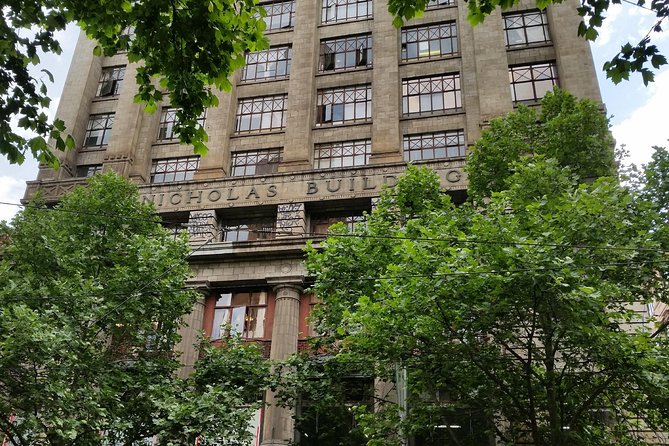
Scots Church gives the tour a pause in tempo. It’s another major Melbourne landmark, but the value here is the contrast—how the city’s architecture shifts as you move through different streets and precinct-feel.
This kind of stop works well because it breaks the rhythm of looking at only large, flashy buildings. Instead, you start noticing how different structures contribute to atmosphere—what they frame, how they interact with the street, and how the city’s architectural layers sit next to each other.
If you like photos, you’ll probably appreciate this part of the walk. You’ll have time to slow down, look up, and compare what you’ve already learned with what you’re seeing now.
How the guide turns architecture into an easy-to-follow story
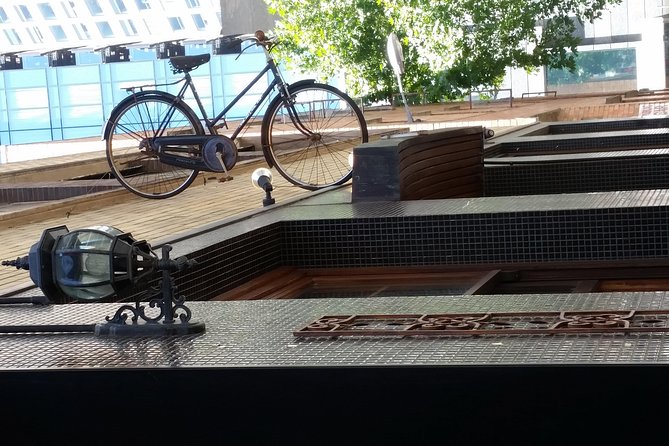
The tour’s strongest asset is the guide quality. Across different dates, guides such as Kathy, Sam, San, and John have been cited as a standout part of the experience. The common thread: the explanations tend to be engaging, and the tone is friendly. You’re more likely to get those fun little architecture and history tidbits than a dry lecture.
What that means for you: you won’t just memorize names of buildings. You’ll understand how Melbourne’s architecture connects over time—especially the arc from the 1850s onward, which the tour explicitly frames.
It also helps that the tour supports real Q&A. If you’re the type who likes to ask follow-ups—about why something was built, how it fits into the city’s development, or what certain details are meant to signal—this format is designed for that.
And if you’re not an architecture person? No problem. The guide’s job is to translate design language into plain talk.
Timing and pace: what 2 hours feels like in real life
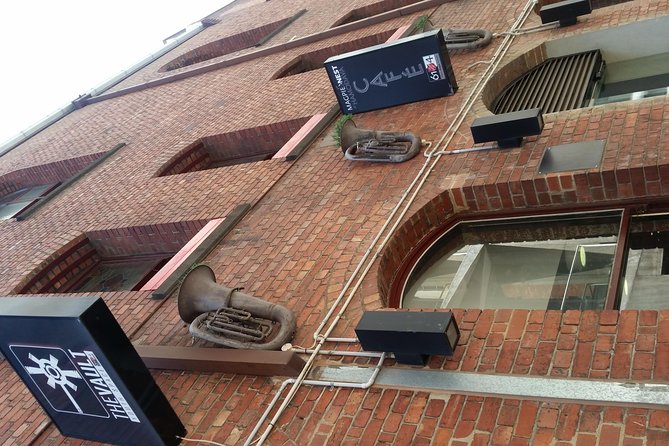
This is about a two-hour walking tour, and comfy shoes are not optional advice. In practice, you’ll be moving through the CBD with short stops for explanation and photo moments.
A useful way to plan: treat it like an easy-to-moderate city stroll. You’ll want to be comfortable standing and walking continuously for stretches, with occasional breaks as you switch between locations.
The end point is flexible. You finish roughly near Bourke Street Mall, and the exact spot depends on group size and speed. If you’re trying to catch a tram or meet someone later, I’d build in a buffer.
Price check: $64.55 and what you actually get for it
At $64.55 per person for roughly 2 hours, the value is in the guided interpretation. You’re not paying mainly for a list of landmarks—you’re paying for explanations of significance, route pacing, and the fact that you’re kept in a small group (max 10).
That small-group limit matters to the cost story. It usually means more time per stop and a better chance to ask questions. If you were to do the same route solo, you could absolutely see the buildings. You’d likely just spend more time guessing what matters and why.
So I think this pricing makes sense if:
- you want context, not just sightseeing
- you like learning with a real person, not an app
- you’re short on time and want your bearings quickly
If you already know a lot about Melbourne architecture and only want landmark photos, you might feel it’s pricey for the length. But for first-timers, it’s often the fastest way to get a smart “map in your head.”
Who this tour is for (and who might want something else)
This works especially well if you’re new to Melbourne or you want a clear introduction to the city’s CBD architecture scene. It’s also a solid choice right after you arrive, since the start at St Paul’s Cathedral and the focus on major landmarks helps you build a foundation for the rest of your trip.
It’s less ideal if:
- you need wheelchair accessibility (it’s not wheelchair accessible)
- you don’t want to walk for about two hours
- you only enjoy tours that focus on one building in extreme depth (this is more of a guided overview across several stops)
Booking instincts: should you book this Architecture Tour of Melbourne?
I’d book it if you want a practical, well-paced introduction to Melbourne’s architecture without getting lost in details. The combination of a small group, a short CBD route, and guide explanations at stops like Federation Square, Flinders Street Station, ANZ Bank Museum, and Scots Church makes this a smart use of limited time.
I’d think twice if mobility is an issue for you, since the tour is described as not wheelchair accessible and it’s designed as a walking experience. Otherwise, this is the kind of tour that helps you see the city with better attention—fast.
FAQ
FAQ
Where is the meeting point for the Architecture Tour of Melbourne?
You meet at 198–206 Flinders St, Melbourne VIC 3004, Australia, near St Paul’s Cathedral on Flinders Street.
How much does the tour cost?
The price is $64.55 per person.
How long is the Architecture Tour of Melbourne?
The tour lasts about 2 hours.
What is the group size limit?
The group is limited to a maximum of 10 travelers.
Is the tour wheelchair accessible?
No. The tour is not wheelchair accessible.
What stops are included on the tour?
You’ll visit stops including Federation Square, Flinders Street Station, ANZ Bank Museum, Scots Church, and additional places in the CBD.
What happens if the weather is poor?
The experience requires good weather. If it’s canceled due to poor weather, you can choose a different date or get a full refund.
Do I get a mobile ticket?
Yes. The tour uses a mobile ticket.
Can I get a full refund if I cancel?
You can cancel for a full refund if you cancel at least 24 hours before the experience starts. If you cancel less than 24 hours before, the amount paid isn’t refunded. The tour may also be canceled if the minimum number of travelers isn’t met, and you’ll be offered a different date or a full refund.