REVIEW · ROTTERDAM
Rotterdam: Architecture Highlights Tour including the Depot
Book on GetYourGuide →Operated by De Rotterdam Tours · Bookable on GetYourGuide
Rotterdam is architecture with an attitude. In just 2.5 hours, this tour stitches together the city’s most important landmarks, from experimental modern design to postwar rebuilds, and adds rare rooftop access you usually don’t get. I love that you’re not just looking at facades from the street; you’re placed where the building “explains itself” through views, angles, and details.
My second favorite part is the focus on how the buildings work, not only how they look. You’ll hear construction and design logic behind places like the Depot’s double-curved reflecting panels and the huge entrance doors, plus the thinking behind Rotterdam’s housing-and-food concept at Markthal. The only real drawback is timing and day-of-week: the rooftop highlight changes depending on whether you’re on a weekday or weekend, so double-check you’ll get the one you’re most excited about.
One more practical consideration: it’s a walking tour with lots of sights packed in, and it’s listed as not suitable for people with mobility impairments even though it’s described as wheelchair accessible. If that applies to you, ask the operator first before you book.
In This Review
- Key things you’ll appreciate
- Rotterdam architecture feels like a city in motion
- Rooftop start at Het Witte Huis or Timmerhuis (depending on the day)
- Markthal, the indoor food hall and housing experiment by MVRDV
- Grotekerkplein and the rooftop terrace for weekday views
- Dudok to Timmerhuis: how Rotterdam reuses and upgrades
- From Forum to Schouwburgplein: postwar monuments and bold facades
- Museumpark contrasts: Sonneveld House and Het Nieuwe Instituut
- Depot Boijmans van Beuningen: curved mirrors and aviation-grade engineering
- Included extras that add real value
- Price, pace, and who this tour fits best
- Should you book this Rotterdam Architecture Highlights Tour?
- FAQ
- How long is the Rotterdam Architecture Highlights Tour including the Depot?
- What is the meeting point?
- What does the tour cost?
- What’s included in the price?
- Do I get rooftop access?
- What main sights are covered?
- Is the tour available in English?
- Is this tour wheelchair accessible?
- Are pets allowed?
- Can I cancel for a refund?
Key things you’ll appreciate
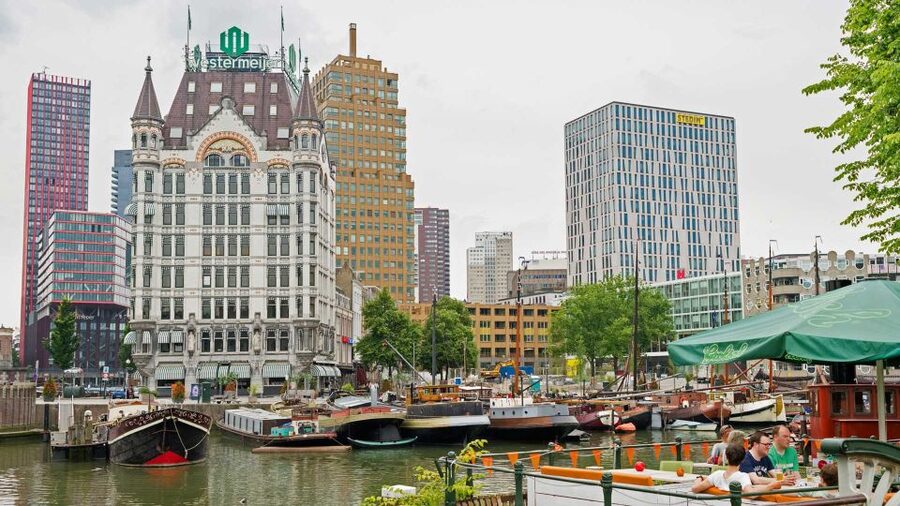
- Rooftop access with skyline views from Het Witte Huis (weekends) or Timmerhuis (weekdays), including Markthal and the Erasmus and Willems bridges
- Markthal inside and through the building, designed by MVRDV so housing and food activity share one space
- Depot Boijmans van Beuningen’s mirror-like curve, plus a clear explanation of its reflecting panels and big operational entrance doors
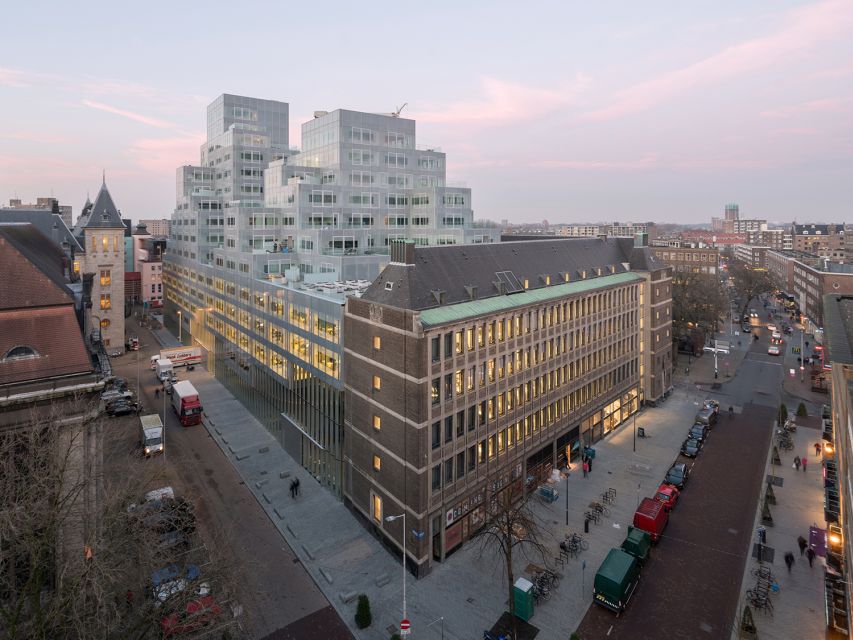
- OMA’s redevelopment story at Timmerhuis, connecting a 1950s municipal office block with a pixellated steel-and-glass addition
- Museumpark classics and modern contrast, including Sonneveld House and Het Nieuwe Instituut
- A high value private group setup, up to 6 people, so the guide can pace the conversation
Rotterdam architecture feels like a city in motion
Rotterdam doesn’t wait for permission to change. Even when you’re looking at older landmarks, the city’s bigger message is “keep building, keep testing.” That theme runs through the route: you’ll move from recognizable icons like Rotterdam Central Station into newer design statements, and you’ll keep hearing why the city rebuilt itself so aggressively after the hardships of the 20th century.
I like this tour’s approach because it keeps the details practical. Instead of saying a building is “modern,” the guide connects form to function: why something is curved, why panels reflect light the way they do, and why certain designs fit Rotterdam’s windy, low-lying reality.
You can also read our reviews of more tours and experiences in Rotterdam.
Rooftop start at Het Witte Huis or Timmerhuis (depending on the day)
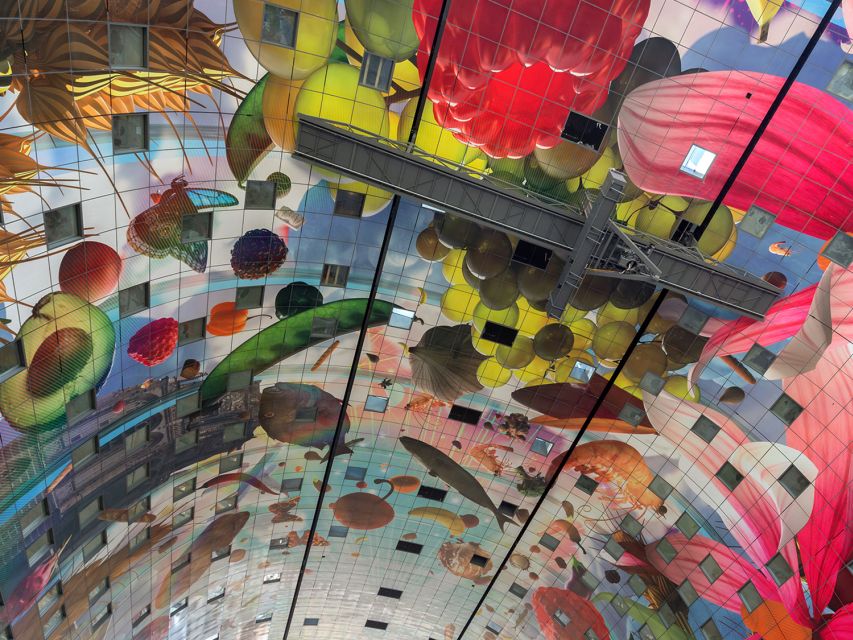
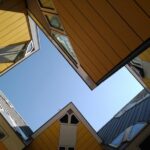
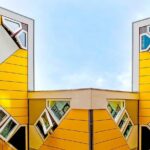
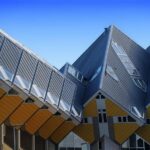
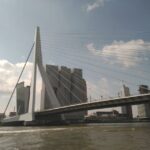
Your meeting point is outside the entrance of the Witte Huis, and the tour starts with a rooftop viewpoint that sets the whole story. On weekends, you go to the roof of Het Witte Huis, where the panorama frames much of what you’ll see later: Markthal, the Cube Houses, the Erasmus Bridge, the Willems Bridge, and De Rotterdam. It’s the kind of view that helps you understand scale fast, especially if Rotterdam is new to you.
On weekdays, the rooftop access shifts to Timmerhuis instead. Either way, the rooftop moment works because you’re not just sightseeing—you’re mapping the city with the guide’s explanations in your ear.
A small but important note: rooftop access is part of the included experience, and it’s not the same on every day. If you care most about the view over Markthal and the Cube Houses, pick your dates accordingly.
Markthal, the indoor food hall and housing experiment by MVRDV
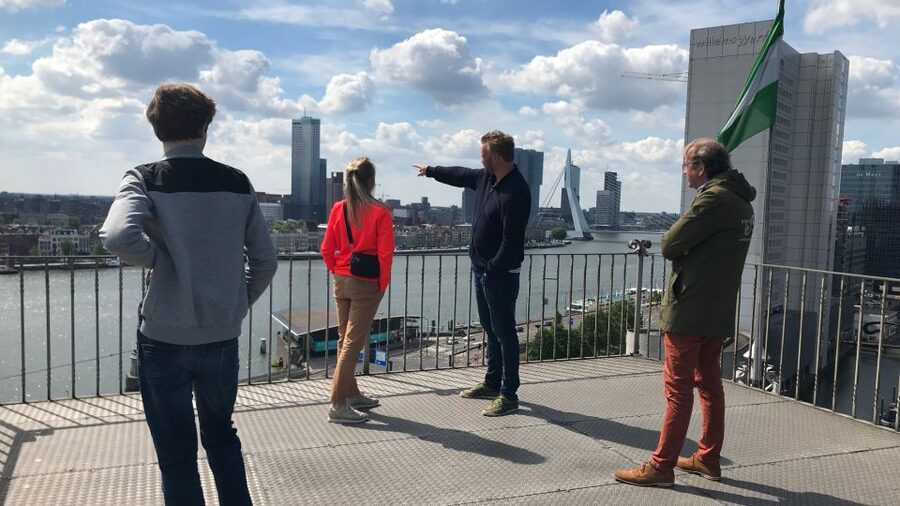
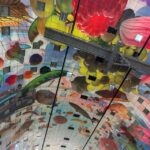
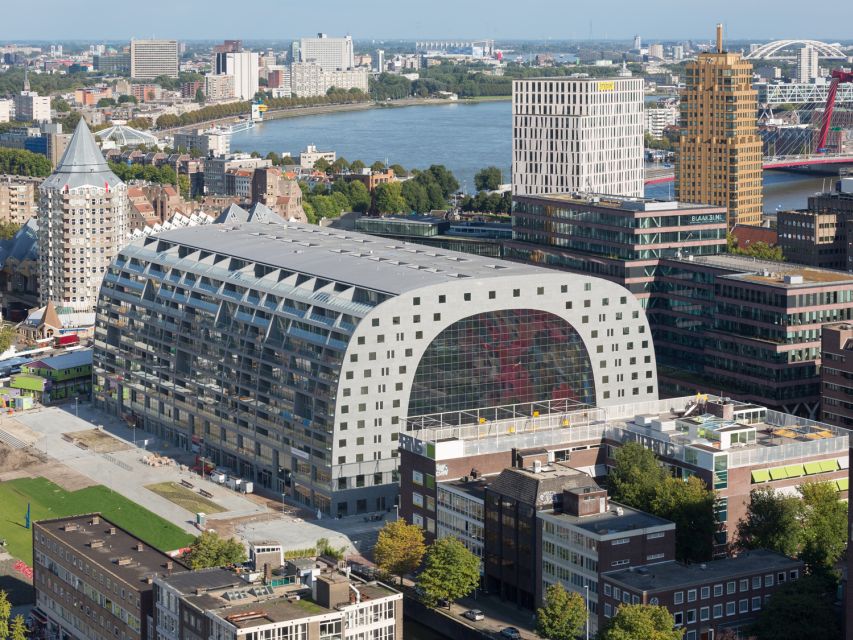
After the rooftop warm-up, you’ll walk into Markthal, one of Rotterdam’s most talked-about buildings for a reason. It’s designed by MVRDV, and the concept is easy to grasp once you’re inside: housing and a lively food scene share one dramatic interior volume, so the building stays active throughout the day.
This stop is more than a photo opportunity. You’ll understand why the space feels like a public room instead of a mall, and why the architecture had to balance everyday practicality with big visual gestures. If you like architecture that you can feel in real life, not just admire from afar, this is one of the tour’s strongest points.
Grotekerkplein and the rooftop terrace for weekday views
The tour then threads into the area around Grotekerkplein, where Rotterdam’s public-space style shows up in a newer way. The square has been recently refurbished and includes a public stage used for music and dance, which helps explain why this neighborhood isn’t just a corridor between buildings.
Depending on your day, you may get an additional rooftop terrace stop near Grotekerkplein, listed for weekday tours. From there, you’re looking out over the city center and the Markthal area, giving you another chance to connect what you saw up above with what you’ll see at street level.
Why this matters: rooftops in Rotterdam aren’t just about views. They’re how you read the geometry of the city—bridges, lines of sight, and the way different eras of architecture stack next to each other.
Dudok to Timmerhuis: how Rotterdam reuses and upgrades
A good architecture tour teaches you how cities evolve, and this one follows that logic. You’ll pass Dudok’s DUDOK building, then arrive at Timmerhuis for its redevelopment story.
Timmerhuis is described as an inner-city redevelopment where the Rotterdam-based architecture firm OMA merged a municipal office block from the 1950s with a modern, pixellated structure made of steel and glass. The “pixellated” detail isn’t just a design choice for looks—it’s a way to handle repetition, light, and the scale shift between old and new.
This stop is valuable because it shows Rotterdam’s pattern: rebuild without pretending the past didn’t happen. You’ll also notice how the building’s design supports daily use, not only landmark moments.

From Forum to Schouwburgplein: postwar monuments and bold facades
Once you leave the Timmerhuis area, the route keeps moving through key squares and architectural clusters: you pass Forum on the way to Schouwburgplein, then continue around Kruiskadeplein.
This section is where you see “Rotterdam at street speed.” The tour places you near several types of structures, so you start recognizing the city’s visual vocabulary—commercial blocks, cultural venues, and institutional buildings side by side.
Stops along this stretch include sightings of Groothandelsgebouw, Rotterdam Central Station, and De Delftse Poort, plus notable religious and public buildings such as Calypso, Pauluskerk, and de Unie. You’ll also encounter more historical and post-war monuments, including the post office and the Bijenkorf-warehouse.
One practical consideration here: this part can feel like a “great hits” parade. The payoff is that the guide helps you connect styles across distance—so you don’t just spot names, you understand the why behind the look.
Museumpark contrasts: Sonneveld House and Het Nieuwe Instituut
Next comes Museumpark, where Rotterdam slows down just enough for contrast. You’ll see Sonneveld House, and you’ll also reach Het Nieuwe Instituut.
This is a strong pairing because it lets you switch gears: the Sonneveld House helps you sense earlier residential design thinking, while Het Nieuwe Instituut represents how Rotterdam frames culture and architecture for modern audiences. Even if you’re not a design specialist, you’ll likely appreciate the way the tour uses Museumpark to reset your eye between big contemporary statements.
Depot Boijmans van Beuningen: curved mirrors and aviation-grade engineering
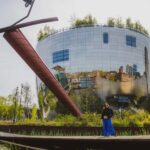
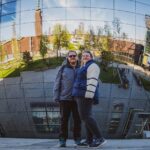
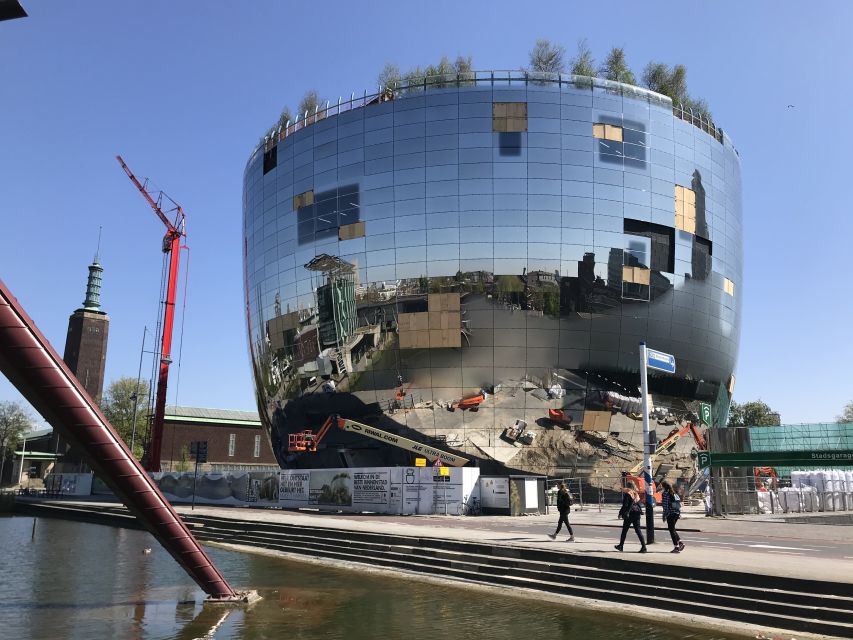
The tour’s final architectural punch is Depot Boijmans van Beuningen, the latest standout linked to the arts and preservation. One of the highlights is the building’s curved mirror facade, which changes how you see the city as you approach.
What makes this stop especially memorable is the level of explanation you’ll get about how the facade works. The guide walks you through the concept behind the reflecting panels that form a double-curved surface. You also learn about the engineering that had to be applied to operate the huge entrance doors—with techniques compared to aviation engineering needs, because the task is all about precision at scale.
Why that matters to you: it turns the wow factor into something you can actually understand. When you see the doors and the reflective skin in person, the explanation makes the architecture feel earned, not just dramatic.
Included extras that add real value
This tour includes small touches that make the day feel complete, not just “walk and look.”
- Expert local guide: you’re not stuck with generic facts. This is the kind of tour where the guide answers the questions that come up when you’re looking at real materials and real shapes.
- Rooftop entrance: Timmerhuis on weekdays or Het Witte Huis on weekends.
- 3 postcards by Rotterdam architectural photographer Ossip van Duivenbode.
- 50% discount entrance ticket to the Cube Houses.
And yes, the Cube Houses discount matters, because it’s one of Rotterdam’s most visit-worthy extras. If you weren’t planning to go, this nudges you into doing it while you’re already in the architecture mindset.
Price, pace, and who this tour fits best
The price is $494 per group up to 6 people for 2.5 hours. If you fill the group, that’s roughly $82 per person, which becomes decent value when you add rooftop access, a live guide, and the extra included items. If you only have 2 people, it’s still a private-group format, but the per-person cost rises. In that case, it’s best if you want a guided focus on architecture and don’t mind paying for convenience.
The pace fits people who like concentrated sightseeing. You’ll see a lot: Central Station area buildings, Museumpark, and the Depot, plus Markthal and Grotekerkplein. If you prefer long sits and slow streets, this tour may feel too packed. If you like an efficient route that explains what you’re seeing, it’s a good match.
Also, it’s a private group, and the tour guide works in Dutch, English, and German.
Should you book this Rotterdam Architecture Highlights Tour?
Book it if you want a fast, well-structured introduction to Rotterdam’s architecture that goes past postcards and into how buildings are designed and built. The rooftop access, the Markthal walkthrough, and the Depot’s engineering explanations give you three distinct kinds of “aha” moments in one afternoon.
Skip it (or ask extra questions first) if you’re mainly after relaxed sightseeing, because this is still a walking tour with many stops in a short time. And if mobility is a factor, take the listing seriously: it’s described as wheelchair accessible, yet also marked not suitable for people with mobility impairments—so confirm what that means for your situation before you commit.
If your goal is to leave Rotterdam feeling like you understand the city’s architecture logic—why it looks the way it does, and how it got built—this tour is a strong bet.
FAQ
How long is the Rotterdam Architecture Highlights Tour including the Depot?
The tour lasts 2.5 hours.
What is the meeting point?
Meet your guide outside the entrance of the Witte Huis.
What does the tour cost?
It costs $494 per group, up to 6 people.
What’s included in the price?
You get an expert local guide, rooftop entrance (Timmerhuis on weekdays or Het Witte Huis on weekends), 3 postcards by Ossip van Duivenbode, and a 50% discount entrance ticket to the Cube Houses.
Do I get rooftop access?
Yes. Rooftop entrance is included, with the location depending on the day: Timmerhuis on weekdays or Het Witte Huis on weekends.
What main sights are covered?
The highlights include Depot Boijmans van Beuningen, Rotterdam Central Station, Markthal (including walking through), and roof access near Grotekerkplein or at Het Witte Huis, plus stops around Museumpark such as Sonneveld House and Het Nieuwe Instituut.
Is the tour available in English?
Yes. The live guide language options include Dutch, English, and German.
Is this tour wheelchair accessible?
Wheelchair accessible is listed, but it is also marked not suitable for people with mobility impairments. If mobility affects you, check directly with the provider before booking.
Are pets allowed?
Pets are not allowed. Assistance dogs are allowed.
Can I cancel for a refund?
Free cancellation is offered up to 24 hours in advance for a full refund.