
REVIEW · CHARLESTON
Charleston History and Architecture Walking Tour
Book on Viator →Operated by Charleston Tours · Bookable on Viator
Charleston clicks into place fast on foot. This Charleston History and Architecture walk turns famous sights into a clear mental map, with an architectural historian as your guide as you spot big landmarks like Rainbow Row and the Pineapple Fountain. It’s a practical way to learn what you’re looking at while you’re looking at it.
I love that the tour doesn’t stop at street-level views. The Unitarian Church is a standout, and the best moments can include time to see the interior details and Tiffany windows.
The only real consideration is the walking itself. You’re on Charleston’s uneven streets for about two hours, so comfy shoes matter.
In This Review
- Key takeaways
- Starting at 195 E Bay St: the quick orientation you’ll want
- Pineapple Fountain: the quick, goofy photo stop
- Rainbow Row’s pastel houses and the idea behind them
- Unitarian Church time: architecture you can actually see up close
- Twenty-One Magazine: scary stories, but with substance
- Old Exchange & Provost Dungeon: the colonial corner that hits
- Philadelphia Alley, aka Duelers Alley: where photos love the angles
- Price and what you really get for $27
- Who should book this walk—and who might skip it
- Should you book this Charleston History and Architecture Walk?
- FAQ
- How long is the Charleston History and Architecture walking tour?
- How much does the tour cost?
- Do I need a printed ticket?
- What’s the group size limit?
- Are there extra admission fees for the stops?
- Is the tour dependent on weather?
- Where does the tour start and end?
Key takeaways
- A guide who connects buildings to people so the architecture feels understandable, not like homework.
- Rainbow Row + multiple major landmarks keeps you from wasting your first day guessing what’s worth it.
- Photo-friendly stops at the Pineapple Fountain, Unitarian Church, and Philadelphia Alley.
- A tight time window (about 2 hours) with a small group size capped at 20.
- Free entry at the listed stops, so you’re mainly paying for guiding and time, not ticket hassles.
Starting at 195 E Bay St: the quick orientation you’ll want
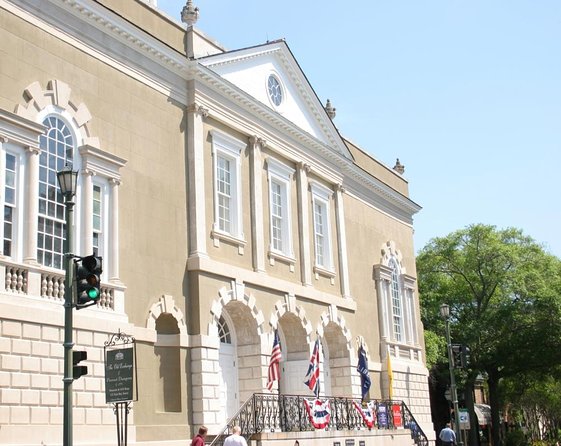
If you’re in Charleston for the first time, you’ll quickly notice two things: the streets feel charming… and they can also feel confusing. This tour is built to fix both. You start at 195 E Bay St and finish near Waterfront Park by the Vendue Range / Concord St area, which is a smart end point because you’re already near the water and easy onward options.
The pace is designed for sightseeing without turning the day into a sprint. It’s about 2 hours, and the group is capped at 20 people, so you’re not lost inside a giant mob. You also get a mobile ticket, so you’re not hunting for paper. And yes, it runs with service animals allowed and is near public transportation, which matters in a city where “parking near everything” is rarely the plan.
One thing I’d keep in mind: this experience depends on good weather. That said, Charleston is tricky—one rainy afternoon still can work out, especially with a guide who knows how to keep momentum.
You can also read our reviews of more tours and experiences in Charleston.


Pineapple Fountain: the quick, goofy photo stop
The tour kicks off with the Pineapple Fountain, and it’s exactly the kind of first stop that helps your brain switch into vacation mode. Pineapples in the Lowcountry aren’t just decoration—they’re a symbol that pops up in Charleston’s visual language—so it’s a gentle intro to the city’s habit of mixing charm with meaning.
At this stop, the value is less about history trivia and more about momentum. You get a fast win: an easy landmark, great photo opportunities, and a chance to settle into the route before the more detailed architecture stories begin. The stop is short, about 10 minutes, so you’re not left waiting around while everyone pretends to admire a fountain.
If you’re the kind of traveler who likes to take photos immediately—before lighting changes—this is a good moment to do it.
Rainbow Row’s pastel houses and the idea behind them
Then you move into Rainbow Row, the postcard-famous stretch that’s easy to recognize and easier to appreciate with context. This iconic street has 13 privately-owned Antebellum homes, and they’re painted in pastel colors. On your own, you might just think: pretty street. With a guide, you start noticing the patterns: how the rhythm of the street and the repeated architectural elements make the whole area feel planned, not accidental.
This stop is about 20 minutes, which is just enough time to do two things well: get your photos and listen. You’ll want to look at more than the color. Focus on details like how the buildings sit along the street line and the way the homes form a continuous view corridor. That’s where the “architecture and story” part becomes real.
Also, Rainbow Row is such a central landmark that it helps you orient the rest of your day. After this, many other sights make more sense because you know how the city’s most famous “streetscape” connects to the surrounding neighborhoods.
Unitarian Church time: architecture you can actually see up close
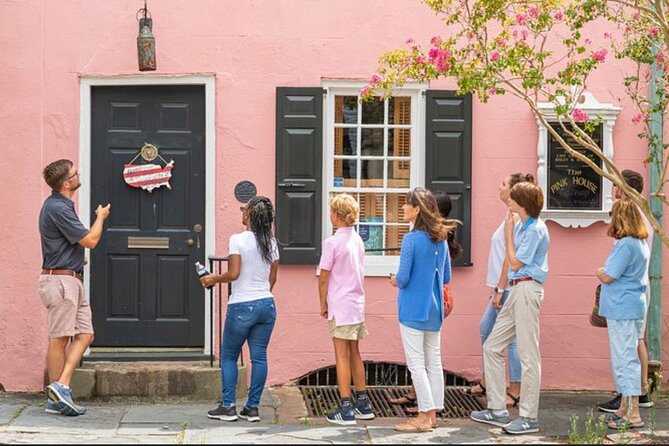
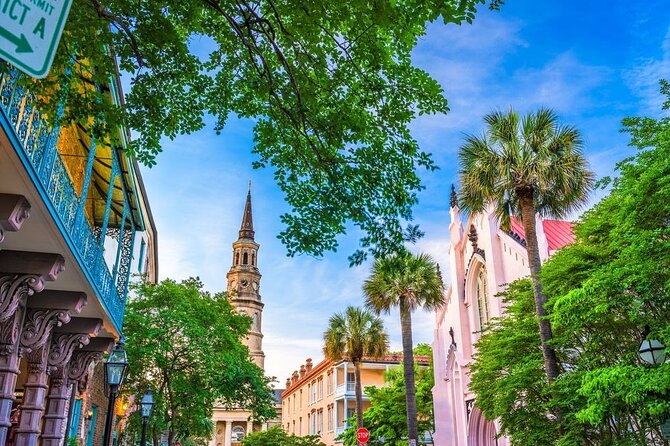
The Unitarian Church in Charleston is another major win. From outside, it’s impressive. Inside is where your eyes start doing the work of learning. The tour gives you time to admire its architecture and history, plus you get more photo-friendly viewing moments.
One of the reasons this tour earns so much praise is that it can include stepping inside and noticing the details that most people miss when they’re just rushing past. A standout mentioned in guides’ experiences: the Tiffany windows. Even if you’re not a stained-glass person, those windows are the kind of detail that changes the whole building from “old” to “alive.”
The stop is about 20 minutes, which feels right. It’s long enough to take photos and absorb stories, but not so long that the group gets restless. If you’re traveling with someone who needs a break from walking, this is also a natural pause point: you can stand, look, and let the architecture do the entertaining.
Twenty-One Magazine: scary stories, but with substance
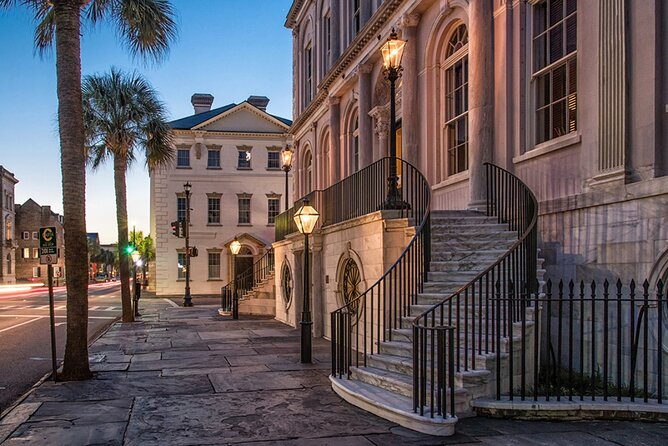
Next comes Twenty-one Magazine, and this is where Charleston’s “history with edge” personality shows up. This stop is tied to scary stories, but it’s not just spooky for its own sake. You also get history and architecture, so the location isn’t treated like a Halloween prop.
The key value here is perspective. Charleston has a habit of stacking eras on top of each other—colonial structures aren’t isolated artifacts; they’re part of a living city. A guide helps you see how buildings served practical purposes and how legends grew around those uses.
The stop is about 20 minutes. That’s enough time for the guide to set up the stories and for you to look at the structure without feeling like you’re trapped in a lecture. If you enjoy architecture that has a job (even a grim one), this stop will likely land for you.

Old Exchange & Provost Dungeon: the colonial corner that hits
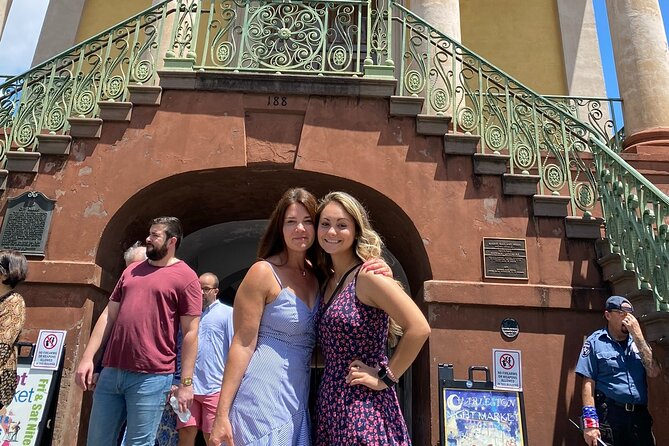
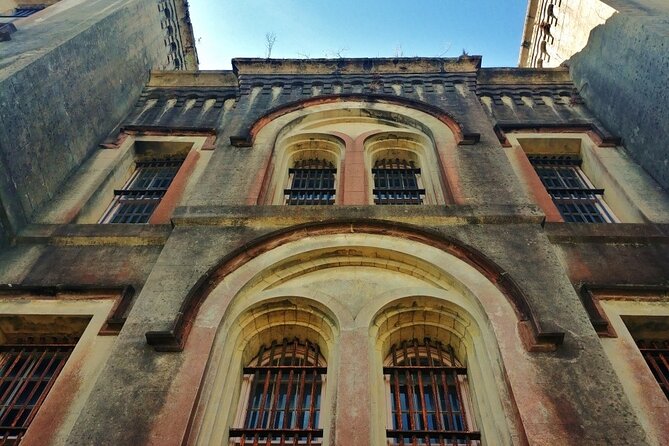
If you want a stop that feels like Charleston’s past with weight, this is it: Old Exchange & Provost Dungeon. The tour frames it around colonial history and architecture, and it’s the kind of site that makes you understand why people talk about Charleston as more than a pretty destination.
This is about 20 minutes, and it’s a perfect “mid-tour meaning shift.” Up to this point, you’ve been enjoying streets and facades, colorful landmarks and church beauty. Here, the story turns darker, and you can feel how the city’s architecture was built to enforce, control, or manage real life.
The practical upside is that you’re not stuck reading plaques alone. You’re getting guided context, which usually means you remember more. Also, because it’s part of a walking route, the dungeon doesn’t feel like a separate theme-park stop. It feels like part of the city’s same long story.
Philadelphia Alley, aka Duelers Alley: where photos love the angles
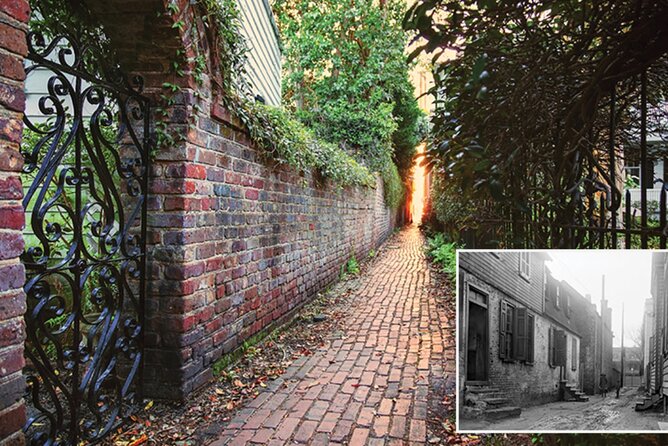
Finally, you hit Philadelphia Alley, also known as Duelers Alley. This is the stop built for people who like both architecture and photography. The alley format is narrow, and that changes everything: perspective becomes dramatic, details become more visible, and you naturally take photos from specific spots.
The tour gives you about 20 minutes, which is the sweet spot for this kind of place. Short enough to keep moving, long enough for the guide to point out what to watch for—especially how the surrounding architecture creates strong lines and visual rhythm down the corridor.
If you’ve ever walked an alley in a new city and thought, “Nice… now what?” this stop answers that. The guide’s stories and architectural cues give you a reason to look longer than you planned.
Price and what you really get for $27

At $27 for an experience that lasts about two hours, the value comes from what’s included: guided interpretation plus a concentrated hit of major landmarks. You’re not paying for a pile of separate admissions. The listed stops are free to enter during the tour route, which means your cost is basically for the guide and the time.
You’re also paying for efficiency. In Charleston, it’s easy to spend your first day hopping from place to place with no sense of why they matter. This tour helps you build that framework fast. In a city where every street seems to have a story, having an architectural historian connect the dots saves you mental energy—and usually saves time too.
Small group size (up to 20 travelers) helps here. You’re less likely to feel like a number, and more likely to catch the guide’s key points as you walk.
If you’re asking yourself whether you’re getting your money’s worth, the best test is simple: do you want guidance to make famous sights more understandable? If yes, this price is fair.
Who should book this walk—and who might skip it
You’ll get the most from this tour if you:
- Are new to Charleston and want a fast orientation that doesn’t feel superficial
- Like architecture stories tied to real places, not just dates
- Enjoy photo stops but also want to know what you’re photographing
You might skip it if:
- You want total freedom to wander without any guided structure
- You strongly prefer reading on your own rather than hearing a guide connect the dots
Also, this tour is a good fit for rainy-day planning—because even when weather changes, a strong guide can keep the experience moving. Just remember the overall experience is weather-dependent.
Should you book this Charleston History and Architecture Walk?
Yes—if you want a smart first step in Charleston. For $27, you get a guided walk that links famous architecture to story, covers multiple major stops in about two hours, and includes memorable moments like the Unitarian Church interior and its Tiffany windows. It’s not just pretty buildings. It’s the reason those buildings matter, explained while you’re still standing in front of them.
If you’re on the fence, here’s the quick decision rule: if you’d rather spend your time learning how Charleston “works” than just checking boxes, book it.
FAQ
How long is the Charleston History and Architecture walking tour?
It runs for about 2 hours.
How much does the tour cost?
The price is $27.
Do I need a printed ticket?
No. You get a mobile ticket.
What’s the group size limit?
The tour has a maximum of 20 travelers.
Are there extra admission fees for the stops?
The listed stops on the route show admission as free, so you typically won’t need separate paid tickets at each stop.
Is the tour dependent on weather?
Yes. The experience requires good weather. If it’s canceled due to poor weather, you’ll be offered a different date or a full refund.
Where does the tour start and end?
It starts at 195 E Bay St, Charleston, SC 29401 and ends near Waterfront Park / Vendue Range / Concord St in the same general area.