REVIEW · RIGA
Riga: Old Town Walking Tour with Art Nouveau Highlights
Book on GetYourGuide →Operated by Guide agency Smile Line · Bookable on GetYourGuide
Art Nouveau hides in plain Riga street corners. This 2-hour walking tour in Old Town is built for slow looking: you get a guided route of major landmarks, plus focused commentary on the city’s decorative Art Nouveau buildings and the people who lived behind them.
I especially like the Art Nouveau walkthrough. The guide points out the design clues you’d normally miss, turning facades into real stories, not just pretty stone. I also like the tight Old Town route. Town Hall Square, key churches, Convent Yard, and Liv Square all come up on foot so you build a mental map fast.
One consideration: expect cobbled streets and a fair amount of walking. Come with comfortable shoes, and if it’s wet, go extra grippy on your soles.
In This Review
- Key things I’d notice right away
- Starting at the House of the Black Heads: your Old Town “anchor”
- The 2-hour loop: how it stays focused without feeling rushed
- Art Nouveau in Riga: what to watch for on the facades
- Town Hall Square to St. Peter’s Church: the story-setting start
- Convent Yard and St. John’s Church: the quieter side of Old Town
- St. John’s Yard: small space, big clues
- Liv Square and The Three Brothers: your best photo stop
- Riga Cathedral and St. Jacob’s Church: finishing with big landmarks
- Group size, timing, and the footwear reality on Old Riga cobblestones
- What’s included at $35 and why it’s good value for a first-time Riga day
- Best time to do this tour: get bearings, then choose your next moves
- Tips that make the tour smoother (and less annoying)
- Who this tour is for
- Should you book this Riga Old Town Art Nouveau tour?
- FAQ
- How long is the Riga Old Town Walking Tour with Art Nouveau highlights?
- How much does the tour cost?
- Where do I meet the guide?
- What languages are available for the live guide?
- Is any entry ticket included?
- What if I need to cancel?
Key things I’d notice right away
- Small group pace (3 to 20 people) that keeps questions in the conversation
- Art Nouveau storytelling, not just photos of buildings
- Smile Line start point at the House of the Black Heads so you’re in the action from the first minute
- The Three Brothers photo moment at Liv Square, timed for easy sightseeing
- Major Old Riga landmarks on one loop, from St. Peter’s to St. John’s Yard and beyond
Starting at the House of the Black Heads: your Old Town “anchor”
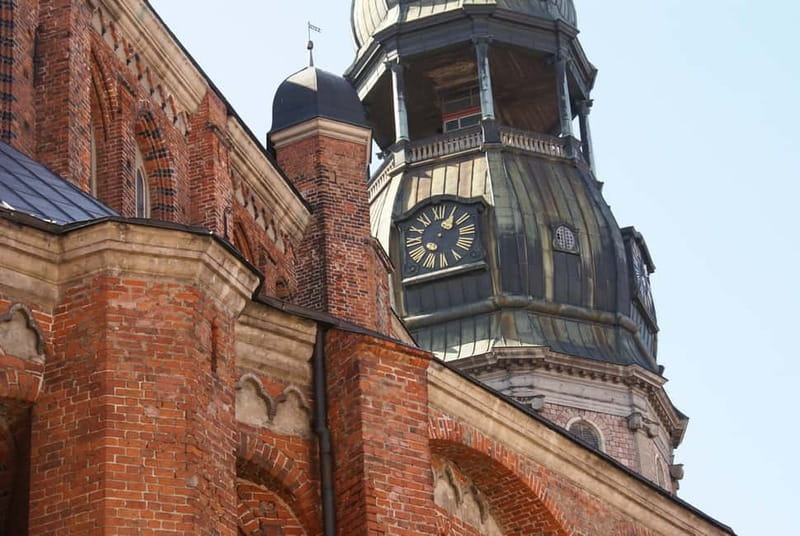
This tour starts at the Smile Line office in the House of the Black Heads on Townhall Square 7. That location matters because you begin where most visitors naturally want to end up, right in the Old Town core. It also sets the tone: Riga’s history is not tucked away in museums here. It’s written on the street.
The first minutes feel practical. You get oriented, and the guide frames what you’ll be looking for on the rest of the walk. If you’ve only got a day or two in Riga, that orientation is gold because it helps you choose what to revisit later.
You can also read our reviews of more tours and experiences in Riga.


The 2-hour loop: how it stays focused without feeling rushed
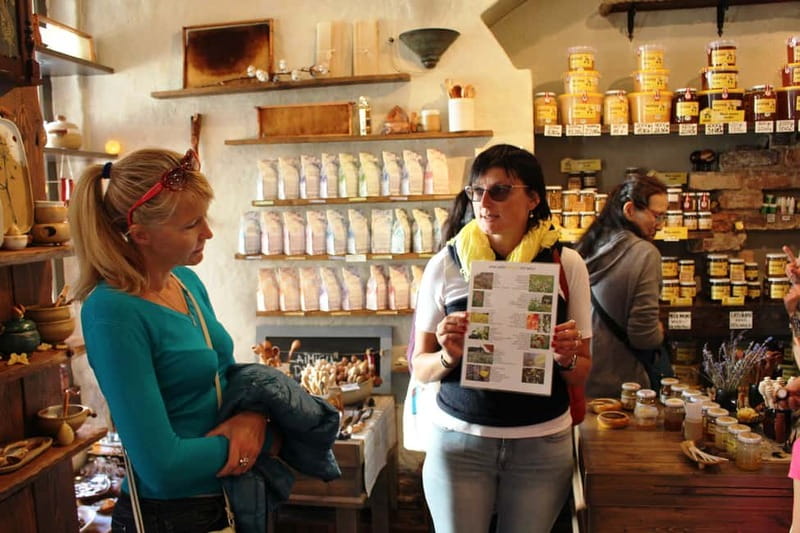
You’re walking for about 2 hours with a professional guide. With a small group (minimum 3, maximum 20), the pace usually feels flexible, and it’s easy to ask questions without feeling like you’re talking over a crowd.
If your group grows past 12 people, you’ll have an audio guide system, which helps the guide keep things clear. For you, that means you don’t have to strain to hear every detail while you’re standing in front of a facade.
You’ll also do your sightseeing in short bursts. That’s the smart part: you stop, look closely, hear the story behind the building, and then move on. You don’t get stuck in one spot for ages, which keeps the tour from turning into a slow stroll that never quite connects.
Art Nouveau in Riga: what to watch for on the facades
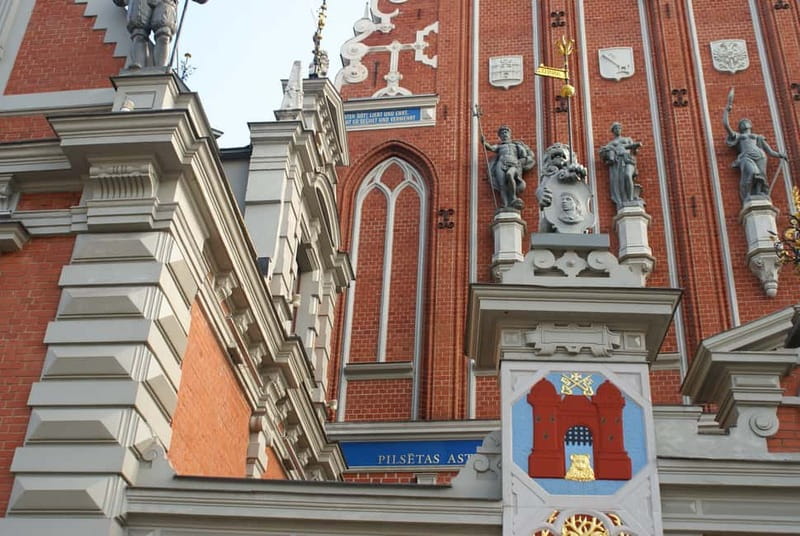
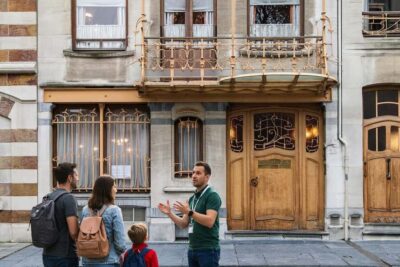
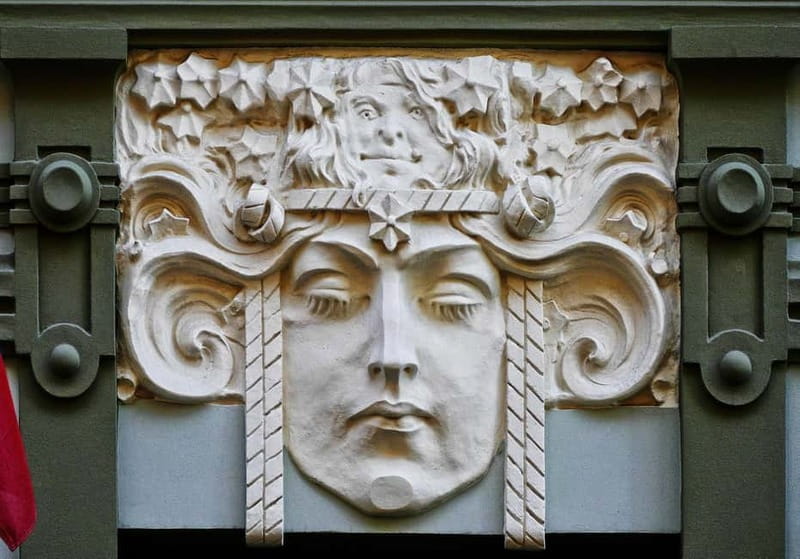
The big theme is Art Nouveau. Riga’s Old Town has plenty of ornate architecture, but the tour helps you “read” it. The guide highlights decorative features on buildings and explains what they meant to the people who commissioned them.
In plain terms, you learn to notice patterns. Some details are about style—curves, reliefs, and ornament that looks almost playful when you see it up close. Other details are about status. Art Nouveau wasn’t just decorative; it was a way for Riga’s wealthier residents to signal taste and influence.
Guides like Tatiana, Gunta, Inara, Nelly, and Alja Lubeja-Sube have been mentioned for exactly this kind of explaining: they tie design elements to the people and ambitions behind them. That makes the architecture feel personal. It also helps you walk away with a list of features to look for on your own, once the tour ends.
Town Hall Square to St. Peter’s Church: the story-setting start
You’ll pass the Town Hall Square area early. Even if you’ve seen it before, the guide’s framing makes it feel less like a postcard and more like a working civic space in another era. Squares like this are where a city’s identity forms—trade, politics, and public life all mixing in the same open space.
From there, the walk moves you toward St. Peter’s Church. Church stops on a city tour do two things. First, they give you a landmark that anchors your bearings. Second, they show how Riga’s religious and cultural life developed alongside its commercial growth.
If you’re into architecture, this is a good moment to slow down. Don’t just look at the building’s size. Look at how it sits in the surrounding street network. That contrast—grand places of worship next to everyday streets—is one of the reasons Old Riga feels so layered.
Convent Yard and St. John’s Church: the quieter side of Old Town
You’ll also go through Convent Yard and stop around St. John’s Church. These kinds of spots matter because they break the big-veneer “Old Town equals main square” idea. Yards, courtyards, and side spaces often show a different rhythm of the city—more enclosed, more intimate, and often packed with details you’d never hunt down alone.
This section is also where hidden-feeling sightseeing starts to kick in. Even if you’re not sure what you’re looking for, a guide can point out small design choices or building quirks. That’s the part that turns a standard walking route into a real learning experience.





St. John’s Yard: small space, big clues
St. John’s Yard continues that theme. Yards and side spaces are where you can spot how buildings connect to one another over time. It’s also where you get a better sense of how ordinary people navigated the city, not just the grand public areas.
The guide’s Art Nouveau focus should still be present here, too. Even when you’re not staring at the most famous facade, you’re learning how styles and eras overlap. That’s a key takeaway: Riga’s Old Town isn’t frozen. It’s layered.
Liv Square and The Three Brothers: your best photo stop
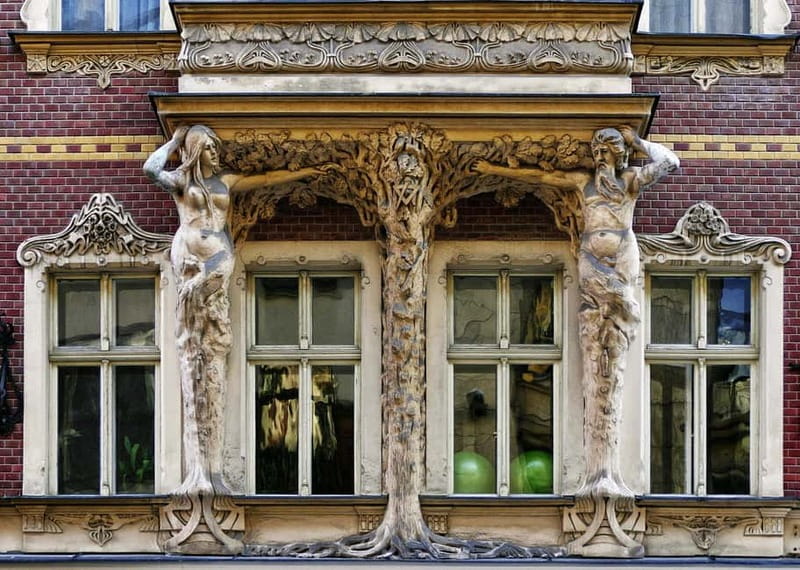
Liv Square is one of the highlights, and the photo stop for The Three Brothers is the star moment. It’s a recognizable residential complex, and you’ll get time to photograph it. More importantly, you’re there with context, so you don’t just take a picture—you understand why the building is famous and what it represents in the neighborhood story.
The way this works for you: you’ll see the complex from a few angles as you move through the area. That makes the details pop, especially if you take a few minutes to step back and check the overall composition before shooting close-ups.
This stop is also useful for planning after the tour. Once you’ve seen The Three Brothers and heard the story, it’s easier to decide whether you want to return on your own for more photos later.
Riga Cathedral and St. Jacob’s Church: finishing with big landmarks
As the tour continues, you’ll reach Riga Cathedral and St. Jacob’s Church. These stops give you scale. Art Nouveau style is one focus, but churches and cathedrals show the older backbone of the city.
This part of the walk also brings you back to the theme of influence. The guide explains how the richest and most influential residents once called Riga’s Art Nouveau buildings home. Then you’re surrounded by major religious landmarks, which helps you connect social power, architecture, and the city’s changing priorities across centuries.
For many people, this is where the tour feels complete. You’ve seen the ornamental style and the famous residential complex, and now you’ve got the major institutions that helped shape Riga’s identity.
Group size, timing, and the footwear reality on Old Riga cobblestones
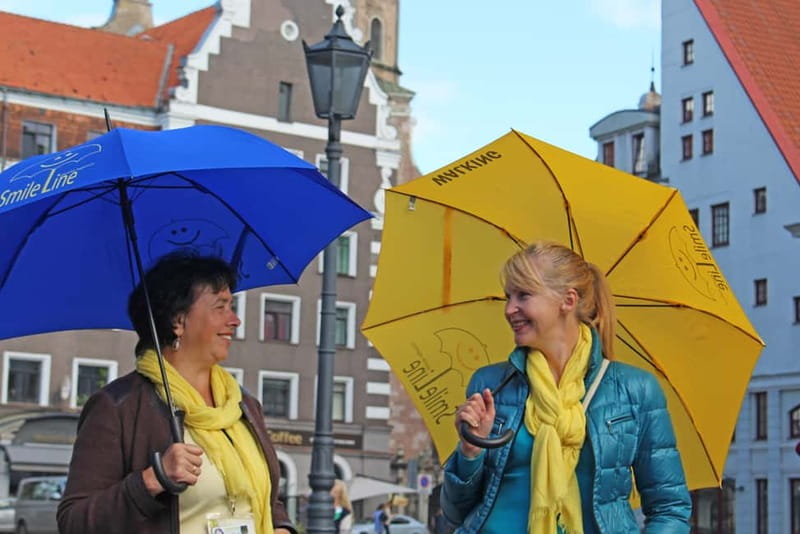
Let’s talk practicality. This is a walking tour, and Old Town streets can be tough underfoot. Bring comfortable shoes. If it’s damp or wet, cobblestones can get slippery, so traction matters.
The good news: the tour is only 2 hours, and it’s structured around stops rather than long unbroken stretches. That helps your feet cope and keeps you engaged.
Also, the small group format matters more than you might think. When the group is right-sized, the guide can answer questions without turning everything into a lecture. Several guides have been praised for answering questions with ease, and that’s the kind of interaction that improves your experience even if you’re not a super “architecture person.”
What’s included at $35 and why it’s good value for a first-time Riga day
At $35 per person for a 2-hour guided walking tour, the value is mostly in the interpretation. You’re not just buying access. You’re buying the person who can explain why a facade looks the way it does and what it meant in Riga’s past.
You also get real guidance time. The tour includes a professional guide and the walking tour itself. Entry tickets are not included, so if you want to go inside churches or pay for museum-level access, you’d need to plan that separately.
That said, for many visitors, this is exactly the sweet spot: you get enough context outdoors to appreciate what you see later. It’s an efficient way to turn your first afternoon walk into a roadmap for the rest of your Riga stay.
Best time to do this tour: get bearings, then choose your next moves
If you want maximum payoff, do it early in your visit. That’s not just a generic suggestion. Once you know the Old Town structure and which architecture styles you care about, you can target your free time with less aimless wandering.
The tour also gives you names of places to anchor memory. Town Hall Square, St. Peter’s Church, Convent Yard, St. John’s Church, St. John’s Yard, Liv Square, Riga Cathedral, and St. Jacob’s Church. When you’re walking independently afterward, those names help you find what you wanted to see again.
And yes, bring a camera. The Three Brothers stop is the obvious photo, but you’ll likely end up taking pictures around the decorative facades too. The guide’s pointers make your photos better, because you’ll know what detail is worth zooming in on.
Tips that make the tour smoother (and less annoying)
A few small things make a big difference:
- Wear shoes you can walk in for 2 hours on cobblestones. If you’ve ever regretted thin soles in a historic center, you’ll understand why.
- Bring a camera. The route includes major landmarks you’ll want to capture, especially The Three Brothers area.
- If you like to tip your guide, consider carrying some cash. Some guides have been noted as not having a card reader or QR option.
Also note that routes can change. That’s normal in real cities. If you show up ready to adapt, you’ll still get the core Old Town highlights and the Art Nouveau focus.
Who this tour is for
This fits best if you want Riga to feel real, not just scenic. You’ll enjoy it if you like architecture, streetscape details, and stories that connect buildings to people.
It’s also a strong pick for first-time visitors who want a guided map of Old Riga in a short window. And it works for families, since children under 6 can join excursions for free (with the important note that it isn’t suitable for children under 2).
If you need very limited walking, this might be harder. It’s built for an active stroll with stops that require standing still and looking closely.
Should you book this Riga Old Town Art Nouveau tour?
I think you should book it if you want the easiest path to understanding Riga’s Old Town and its Art Nouveau flair. The tour’s value is the combination of a solid landmark route plus focused commentary on the architecture’s decorative details and the residents behind it.
Skip it only if you’re chasing pure inside-access tickets or long museum-style time. This is a walking and looking experience, mostly outdoors, with entry tickets not included.
If you want a good first afternoon in Riga—one that turns streets into stories—this one is an easy yes.
FAQ
How long is the Riga Old Town Walking Tour with Art Nouveau highlights?
The tour lasts 2 hours.
How much does the tour cost?
The price is $35 per person.
Where do I meet the guide?
Meet at the Smile Line office in the House of the Black Heads, Townhall Square 7.
What languages are available for the live guide?
The live guide language options are German and English.
Is any entry ticket included?
Entry tickets are not included.
What if I need to cancel?
You can cancel up to 24 hours in advance for a full refund.