REVIEW · WASHINGTON DC
Embassy Row: Architecture, Mansions & International Intrigue
Book on Viator →Operated by DC by Foot · Bookable on Viator
Embassy Row looks elegant, then gets weird fast. This 2-hour, small-group walk threads together DuPont Circle, Embassy Row mansions, and cultural landmarks, with a licensed guide who turns architecture into stories. You start at the Dupont Circle fountain and finish back in the same neighborhood area you began.
I like the way the guide connects the big themes—money, power, and diplomacy—directly to what you’re seeing on the street. I also love the focus on standout stops like the Saraswati statue near the Indian Embassy area, plus quick hits such as the Society of the Cincinnati and the Spanish Steps.
One thing to consider: this is a walking, street-level experience. If you’re expecting long museum-style time or deep access behind doors, manage your expectations and plan to enjoy the on-foot details instead.
In This Review
- Key reasons this Embassy Row walk is worth your time
- Embassy Row, in two hours: how mansions became diplomatic power
- Dupont Circle fountain: the meeting point that sets the tone
- Embassy Row mansions: the architecture lesson with real-world consequences
- Dewi Saraswati statue: why the arts belong on Embassy Row
- The Society of the Cincinnati: money, inheritance, and identity
- Embassy of India area and Gandhi nearby: soft power you can point to
- Embassy of Ireland: elegance as a diplomatic style
- Sheridan Circle to Woodrow Wilson House: the DC history shortcut
- Spanish Steps near Dupont Circle: the gentle finish
- Price and value: what $49 buys you (and what it doesn’t)
- When this walk fits best (and when it doesn’t)
- Practical tips so you get more from the 2-hour route
- Should you book Embassy Row: Architecture, Mansions & International Intrigue?
- FAQ
- How long is the Embassy Row tour?
- Where does the tour start?
- What time does the tour begin?
- How much does the tour cost?
- Is the tour offered in English?
- Are there admission fees at the stops?
- How large is the group?
Key reasons this Embassy Row walk is worth your time
- Small group pace (max 15): easier questions, less crowd noise, and more time for each stop.
- Gilded Age homes → embassies: you learn why these “millionaire mansions” now serve diplomats.
- Religion and art in a diplomatic setting: Saraswati’s knowledge-and-music symbolism makes the route feel bigger than DC landmarks.
- Concrete local anchors: DuPont Circle history, Sheridan Circle, and the Woodrow Wilson House all add context, not just photo ops.
- Finish near where you start: great for continuing the day on foot in the neighborhood.
Embassy Row, in two hours: how mansions became diplomatic power
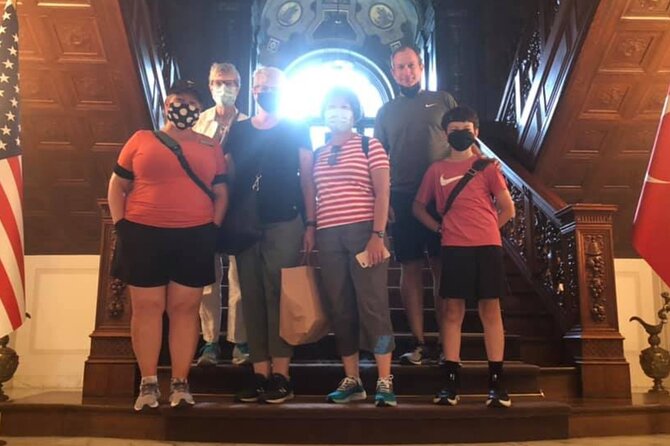
Washington loves symbolism, and Embassy Row is symbolism with good bones. On this walk, you trade generic sightseeing for a tighter theme: older grand homes from an earlier era that later became offices for other countries. It’s the same street, different purpose—and the guide helps you see that shift as more than trivia.
For me, the value is how many distinct threads get tied together without turning into a lecture. You’ll cover neighborhood history first, then move into diplomacy and architecture, then pop back out toward smaller landmarks like the Spanish Steps. The timing is also honest: you’re out for about two hours, not half a day, so you can still keep your afternoon open for museums, food, or a second walking loop.
And yes, there’s story energy. One guide’s approach I’ve heard praised is the ability to share fun and sometimes scandal-adjacent anecdotes around the Gilded Age world that created these mansions. That makes the buildings feel human, not just pretty.
You can also read our reviews of more tours and experiences in Washington DC.



Dupont Circle fountain: the meeting point that sets the tone
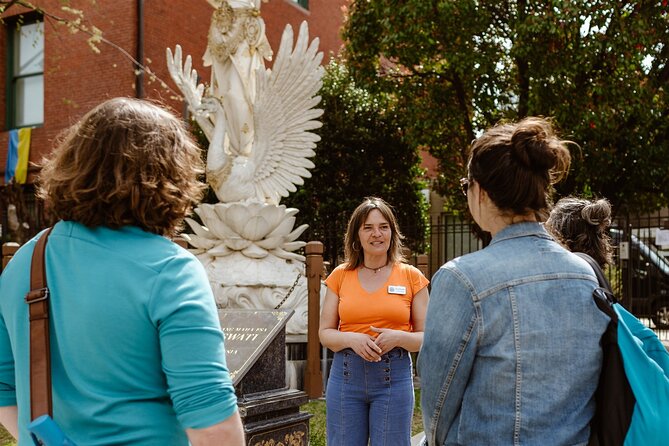
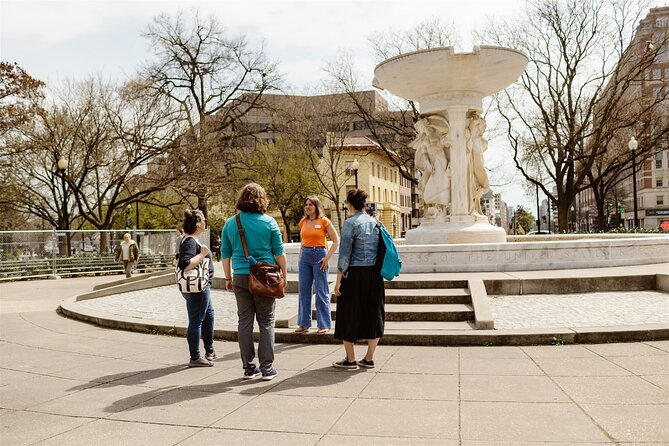
You meet at the Dupont Circle fountain, and that matters more than it sounds. The guide uses that spot to give you the neighborhood baseline—what DuPont Circle is, why it developed the way it did, and what to watch for as you start walking.
This is a smart move for first-timers. When you know the basic geography and why the neighborhood looks the way it does, the embassy mansions stop feeling random. The street details start making sense.
It also helps that the tour usually runs with practical next-step suggestions. At the start, your guide gives recommendations on where to eat or shop after the walk. That’s a small thing, but it saves time once you’re done and deciding where to go next.
Tip: arrive a little early so you’re not figuring out where to stand while the group is gathering. The fountain is your reference point—use it.
Embassy Row mansions: the architecture lesson with real-world consequences
This is the heart of the experience. You spend about 30 minutes exploring Embassies along Embassy Row and learning how those grand homes—once owned by millionaires—became international offices.
The big idea the guide brings is that architecture is a clue. In an older Washington, money and social standing got built into facades, entries, and street presence. Later, those same structures were repurposed for diplomacy. That switch—from private power to public international work—creates a built-in contrast you can feel as you walk.
You’ll also get more than “name-this-building” narration. A common praise I’ve seen is that guides bring stories that help you connect the era of wealthy homebuilding with the later diplomatic use. One review highlighted scandalous stories alongside the architecture, and that’s the kind of framing that makes this route memorable.
Possible drawback to keep in mind: you’re on the outside of the buildings and the story is interpretive. If you want strict, every-fact-perfect mode, go in with the mindset that this is guided storytelling tied to what you can observe from the sidewalk.
Dewi Saraswati statue: why the arts belong on Embassy Row
Right along Embassy Row, you stop at the Statue of Goddess Dewi Saraswati, a tribute to a Hindu goddess tied to knowledge, music, and the arts. The statue sits near the Indian Embassy area, and the guide explains how it functions as a reminder of cultural exchange—art in a place that otherwise screams politics.
This is a quick stop (about 5 minutes), but it’s a good reset. It breaks the pattern of “just mansions, just diplomacy” and adds a different kind of meaning: learning, creativity, and cultural continuity.
If you’re into symbolism, you’ll like how the guide connects the statue’s themes to the broader idea of embassies. Diplomacy isn’t only treaties—it’s also culture, education, and how countries represent themselves.
The Society of the Cincinnati: money, inheritance, and identity
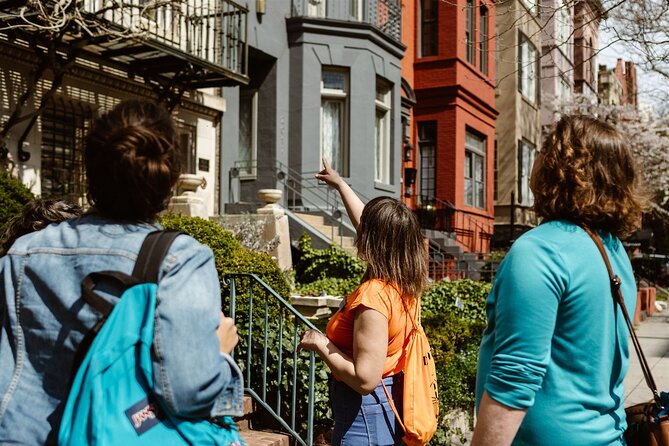
Next is the Society of the Cincinnati. You spend about 10 minutes learning about the millionaires who built a home linked to it—and the society that inherited it.
This stop tends to click for people who like the “how did this become that?” question. It’s not only about a building changing hands; it’s about institutions forming around identity. And when you’re walking Embassy Row, it’s useful to see how older prestige groups still shape what’s visible today.
What to watch for: even on a short stop, the guide’s explanation helps you read the building as an artifact. In a neighborhood full of formal entrances and strong lines, that kind of framing makes the details matter.




Embassy of India area and Gandhi nearby: soft power you can point to
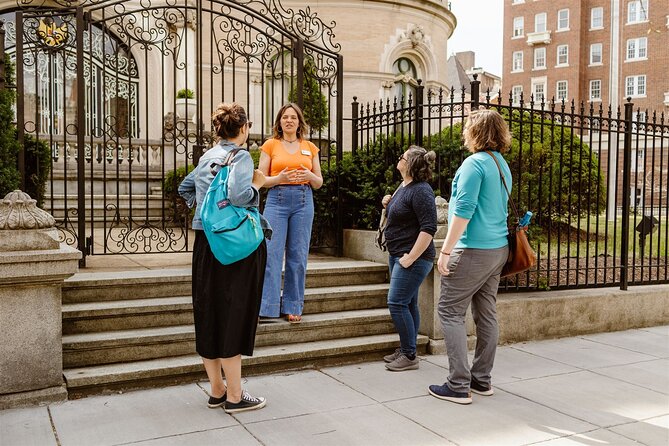
You’ll spend around 5 minutes at the Embassy of India area. The guide focuses on how the building reflects Indian heritage and plays a role in cultural diplomacy—strengthening Indo-US relations through presence and representation.
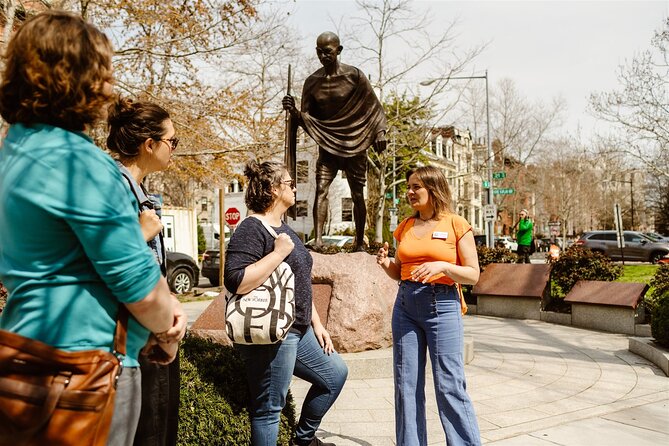
Right near this stop is the Gandhi statue on Massachusetts Avenue NW. That detail is powerful because it’s easy to miss if you’re only chasing big-name monuments. The guide brings attention to Gandhi as a symbol of peace and nonviolence, and how his legacy still shows up in global harmony efforts.
This combo works well because it ties together two kinds of messaging:
- the embassy’s long-term institutional presence, and
- a public symbol that points to a moral philosophy.
If you like stopping for meaning, this is one of the more grounded moments on the route.
Embassy of Ireland: elegance as a diplomatic style
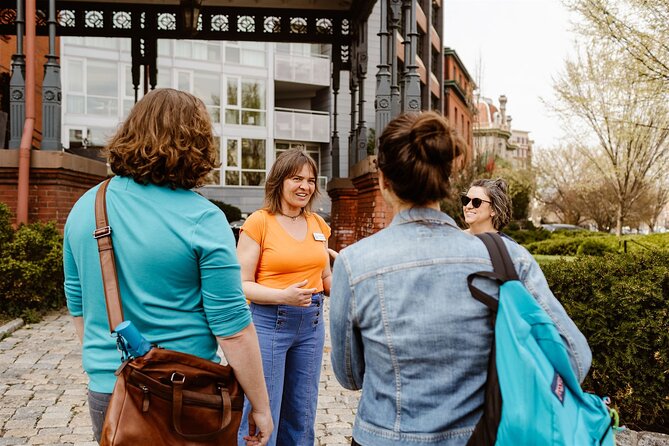
Another quick stop, around 5 minutes, is the Embassy of Ireland. Here, the guide talks about the Irish Embassy building as an elegant expression of Ireland’s history and culture, plus its role in fostering diplomatic ties with the United States.
This part of the walk is a good reminder that embassies aren’t just office blocks. They’re public-facing expressions. Even without stepping inside, you can read intentions in style, symmetry, and placement.
If you’re the kind of traveler who pays attention to architectural mood—how a building feels formal, warm, austere, or proud—you’ll likely enjoy this stop more than you expect.
Sheridan Circle to Woodrow Wilson House: the DC history shortcut

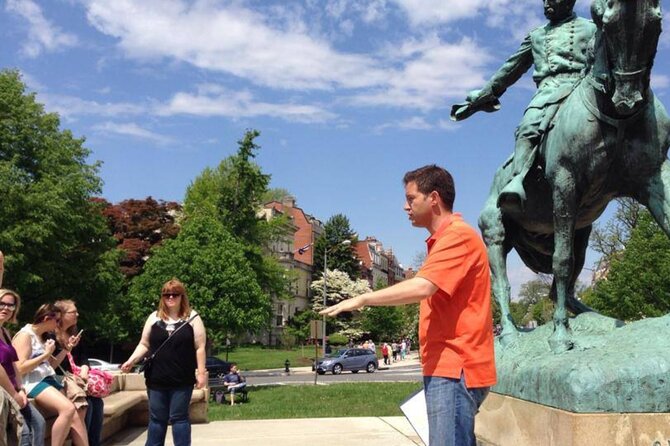
The walk then moves toward Sheridan Circle Northwest. You’ll stop for about 5 minutes to connect the equestrian statue of Phillip Sheridan with Mount Rushmore. The way your guide links the reference is part of the payoff here: it turns a random local sculpture into a remembered national connection.
From there, the group spends about 10 minutes outside the President Woodrow Wilson House. The guide’s focus is on a specific, memorable fact: Woodrow Wilson is described as the only president who lived in DC after his term—besides Obama now (as the tour frame puts it).
This stop helps you widen the lens again. Earlier you were learning about embassies and Gilded Age wealth. Now you’re shifting back to the idea that DC isn’t just a place where history happens—it’s a place where some leaders kept living after the headlines moved on.
If you’re a “small historical fact, big brain moment” type of person, you’ll appreciate these short, high-clarity stops.
Spanish Steps near Dupont Circle: the gentle finish
Near the end, you visit the Spanish Steps, about 5 minutes. This is a picturesque urban landmark inspired by the iconic steps in Rome. It offers a calmer pause in the middle of the city, surrounded by greenery and historic architecture.
It’s a smart finish. After the density of Embassy Row and international symbolism, you get a different kind of DC experience: a small, scenic landmark where you can take a breather and look around.
Also, because the tour ends back near the meeting area, you can transition easily into your own evening plans—whether that’s a quick bite, dessert, or a second walk.
Price and value: what $49 buys you (and what it doesn’t)
The price is $49 per person for about 2 hours, with a licensed professional tour guide and a small-group walk along Embassy Row.
Here’s the honest value math:
- You’re not paying for timed entry into museums or paid attractions (the stops are free at the points you visit).
- You are paying for route intelligence and storytelling—how to make sense of mansions turned embassies, and why landmarks like Saraswati, Gandhi, and the Spanish Steps belong in the same walk.
And small-group size matters. With a maximum of 15 people, you’re more likely to get your questions answered and to keep a comfortable pace. That’s not just nice; it keeps the tour from turning into a traffic jam where you can’t hear anything.
Who should consider this price worth it: first-time DC walkers, architecture fans, and people who want to understand how diplomacy shapes streetscapes. If you’re already a DC history pro and only want “inside access” or long-site depth, you may feel the time is short.
When this walk fits best (and when it doesn’t)
This tour is a good match if you:
- enjoy architecture and want to connect style to social power,
- like international themes without needing to be a political expert,
- want a manageable afternoon plan that still feels meaningful,
- prefer a guided pace with time for questions.
It’s also a solid pick for families who want a walk that doesn’t feel like a chore. Reviews I’ve seen praise guides for clear explanation and for keeping the group engaged, even for people who have hearing needs.
Where it may not fit as well:
- If you hate walking or need a lot of long breaks,
- If you want to spend most of your time inside major buildings or museums (this is built around what you can see and discuss along the route),
- If you only enjoy very strict, data-heavy history and dislike interpretive storytelling.
Practical tips so you get more from the 2-hour route
A few things that make the experience better on arrival:
- Wear comfortable shoes. City sidewalks add up over two hours.
- Bring a water bottle if it’s warm. The walk includes sunny stretches even if parts have shade.
- Use the guide’s local tips. One of the best parts is usually the food/shopping guidance given around the start.
- If you have questions, ask early. With a group capped at 15, your chance to be heard is better at the beginning.
Also, check timing expectations. The stops are short and purposeful—think “quick landmark story moments,” not long museum wandering.
Should you book Embassy Row: Architecture, Mansions & International Intrigue?
Book it if you want a focused Washington walk that turns architecture into a story about wealth, diplomacy, and cultural symbolism. The route hits several memorable stops in a tight timeframe: Dupont Circle context, Embassy Row mansions, Saraswati, India and Gandhi nearby, Ireland, Sheridan Circle, the Woodrow Wilson House outside, and the Spanish Steps to end.
Skip it only if you’re hunting for long-form museum time or strict, footnote-level history without any narrative flair. If that’s not your style, this is a smart way to spend a morning—especially because it’s built for an easy pace and small group attention.
If you do book, aim to arrive a few minutes early at the Dupont Circle fountain and come ready to ask questions. You’ll leave with a clearer sense of why this part of DC looks the way it does—and how international life quietly shapes the street.
FAQ
How long is the Embassy Row tour?
The tour lasts about 2 hours.
Where does the tour start?
The meeting point is at the Dupont Circle fountain in Washington, DC 20036.
What time does the tour begin?
The start time is 10:00 am.
How much does the tour cost?
The price is $49.00 per person.
Is the tour offered in English?
Yes, it’s offered in English.
Are there admission fees at the stops?
The tour notes free admission at each stop listed.
How large is the group?
The maximum group size is 15 travelers.