REVIEW · WASHINGTON DC
Embassy Row: Architecture, Mansions & International Intrigue
Book on GetYourGuide →Operated by Visit DC Tours · Bookable on GetYourGuide
Diplomacy hides behind pretty doors. This 2-hour small-group walk turns Embassy Row architecture into a living story, and I love how the guide makes the past feel close with Gilded Age mansion tales. One catch: you won’t enter embassies, so if you’re hoping for inside access, plan for a lot of impressive exterior viewing.
You start at the iconic Dupont Circle Fountain, then head along Massachusetts Avenue and beyond, with stops that mix grand buildings and quieter residential corners. Guides from Visit DC Tours have delivered a standout experience for me through both style and substance—Dan has a knack for getting people to lean in, and Eli brings an upbeat, relatable approach with plenty of facts to hang onto. Bring comfy shoes. It’s a walking tour, and you’ll feel it after two hours.
In This Review
- Embassy Row in 2 Hours: What You Really Get at Dupont Circle
- Millionaires’ Row Mansions: Beaux-Arts to Italian Renaissance Revival Details
- Massachusetts Avenue Embassies: Diplomacy Meets Street-Level Photography
- The Storytelling: Scandals, Power, and Millionaire Whims
- Sheridan Circle to Kalorama: A Shift From Showy to Serene
- Woodrow Wilson House: Period Rooms and Presidential Artifacts
- The Spanish Steps: A Quiet Stairway Break With Rome-Style Flair
- Price and Value for a 2-Hour Embassy Row Walk
- Group Size and Comfort: Why This Works Best on Foot
- Who Should Book This Tour (and Who Might Skip It)
- Should You Book Embassy Row: Architecture, Mansions & International Intrigue?
- FAQ
- Where do I meet for the Embassy Row walking tour?
- How long is the tour?
- Is this a small-group walking tour?
- Do we enter embassies during the tour?
- What sights are included along the route?
- Are there good photo opportunities?
- What’s the tour guide language?
- Is gratuity included in the price?
- Is cancellation available?
- Is reserve-and-pay-later available?
Embassy Row in 2 Hours: What You Really Get at Dupont Circle
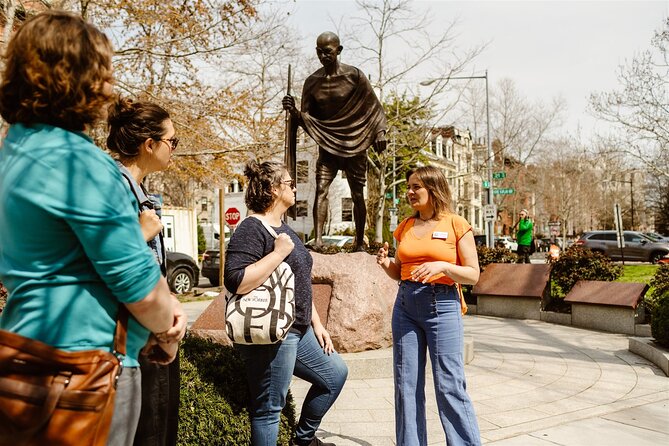
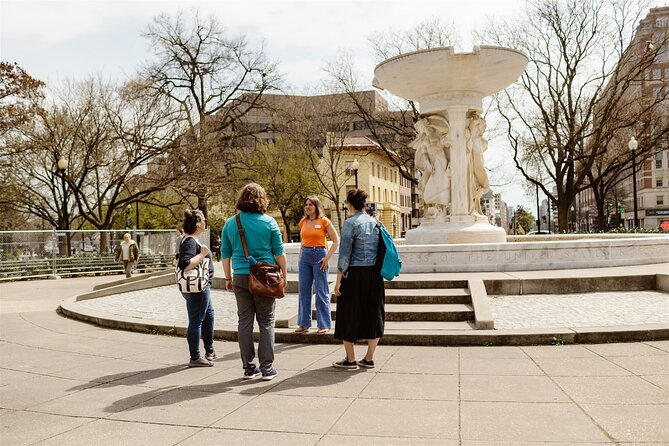
This tour is built around a simple idea: Washington, DC’s power is easiest to spot when you look at who built the buildings. You begin at the Dupont Circle Fountain (meet at the center of the circle and look for a guide in orange), then you work your way through the “millionaires’ row” look of early 20th-century wealth and the later layer of international diplomacy along Massachusetts Avenue.
Expect a smooth rhythm of sight, story, and photo stop. The guide points out details you’d miss on your own—rooflines, façade styles, and how the streetscape shifted from private wealth to global representation. Over the route, you’ll see 20+ embassies and ambassador residences from the sidewalk, and on occasion you may be invited into an embassy or residence—but that part is not something you should plan your day around.
Millionaires’ Row Mansions: Beaux-Arts to Italian Renaissance Revival Details
Massachusetts Avenue is where you get the “wow” factor fast. This area earned its nickname because the wealthy who shaped Washington wanted homes that felt like they belonged in old Europe—big, formal, and built to impress.
What I like most is that the tour doesn’t treat those mansions like wallpaper. The guide breaks down architectural styles you can actually recognize on the outside. You’ll hear about shifts across design language, including Beaux-Arts and Italian Renaissance Revival influences, then connect those choices to the people who paid for them and the image they wanted to project.
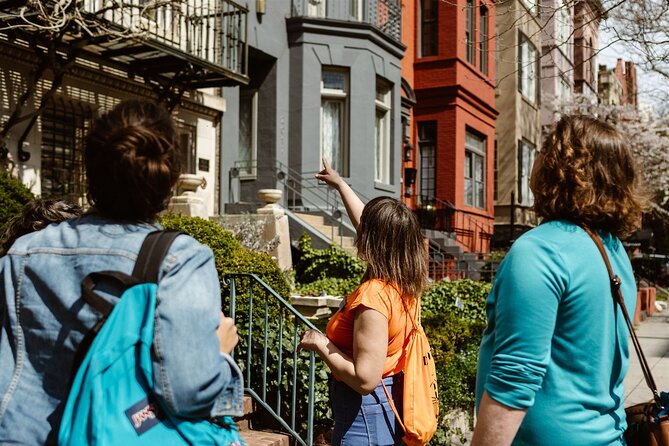
As you walk, watch for the small visual cues: the symmetry (when the façade looks like it was measured and re-measured), the decorative stonework, and the way entrances are framed to look important from the street. That “street-facing drama” is what makes these mansions such good photo subjects, even in daylight with no special access.
You can also read our reviews of more tours and experiences in Washington Dc.



Massachusetts Avenue Embassies: Diplomacy Meets Street-Level Photography
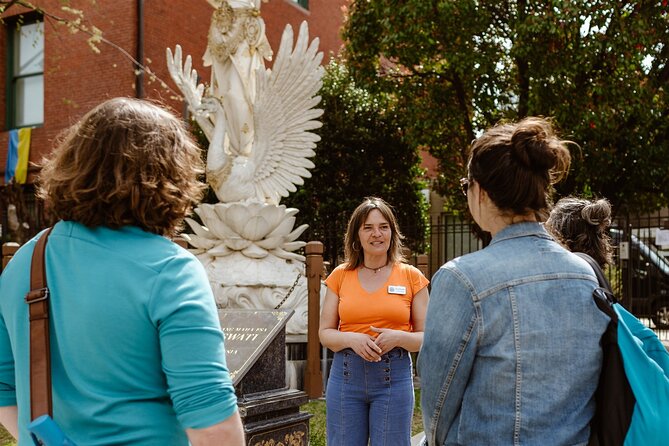
When you move along the embassy stretch, the tone changes while the grandeur stays. Embassies on Massachusetts Avenue aren’t just offices; many also act as public-facing symbols of their nations. Even from outside, you get a clear sense of how different countries present themselves in architecture and setting.
This tour is designed for photo ops of 20th-century historic mansions and embassy exteriors, so you aren’t left guessing what matters. You’ll see a dense lineup of missions and ambassador residences and learn how the same streets that once hosted private millionaires later became the stage for formal diplomacy.
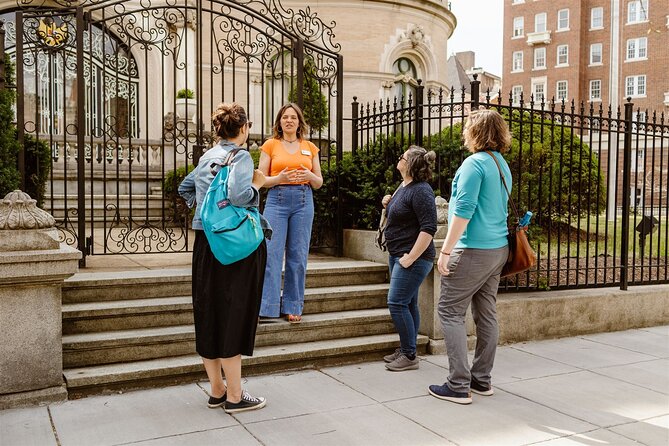
One practical note: because you don’t enter embassies, plan to rely on composition and timing. The buildings are often set back behind gates and landscaping. A quick pause at the right sidewalk corner can make the difference between a “generic façade shot” and a photo that shows the building’s character.
The Storytelling: Scandals, Power, and Millionaire Whims
The heart of this experience is the narrative. The guide weaves together power and personality—how diplomatic roles overlap with public image, how rumors and scandals move through elite circles, and how wealth shaped Washington’s social rules in the first place.
That’s where guides like Dan and Eli tend to shine. One delivered a fun, easy-to-follow style; the other stood out for being relatable while still staying on top of the facts. Either way, the goal is that by the time you reach Sheridan Circle, you’re not just looking at pretty buildings. You’re understanding why people cared so much about where they lived and who they represented.
If you love human stories—ambition, ego, and the occasional mess—this tour will land well. If you only want architecture with zero political talk, you might feel the balance leans story-heavy. The tour is built that way on purpose.
Sheridan Circle to Kalorama: A Shift From Showy to Serene
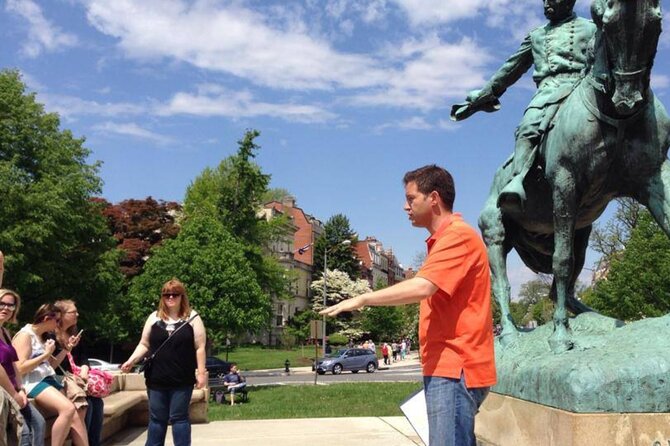
After the main embassy-and-mansion stretch, the route turns toward a more residential feel. You’ll continue to Sheridan Circle, then work through streets in Kalorama, which acts like a slower breather after the intensity of Massachusetts Avenue.
This change matters because it shows how the neighborhood doesn’t behave like one giant museum block. The area still reads like a living district—homes, streets, and a calmer mood—while the bigger architectural statements remain nearby. It also makes the pacing nicer. Your brain gets a break before the tour finishes with stops tied to Washington’s political legacy.
Woodrow Wilson House: Period Rooms and Presidential Artifacts
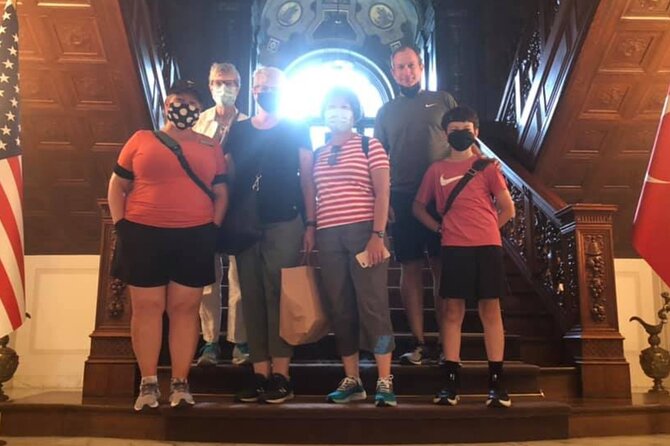
The last big historical stop is the Woodrow Wilson House in Kalorama. Here, the tour shifts from “who lived where” to “how a presidency lived in a home.”
You’ll see it framed as a preserved time capsule: period furnishings, personal artifacts, and educational displays connected to Wilson’s presidency and legacy. Even if you’ve visited other presidential sites, this one has a different flavor because it treats political life as something grounded in daily spaces.
It’s a good place to slow down and reset. If your feet feel a little sore (and you’ll likely feel that on a two-hour walk), this stop is where you can pause, look around, and let the tour story come into sharper focus.





The Spanish Steps: A Quiet Stairway Break With Rome-Style Flair
Between the main historical stops, you’ll also get time near the Spanish Steps, a small scenic staircase modeled after famous steps in Rome. This is the kind of place that works as both a photo pause and a mental reset.
It’s surrounded by lush greenery and historic homes, so it feels calmer than the main avenues. That contrast is why the Spanish Steps fit this tour so well: after a concentration of embassies and mansions, you get a softer setting to breathe, look, and take a few photos that don’t feel like the same “front gate” viewpoint.
Price and Value for a 2-Hour Embassy Row Walk
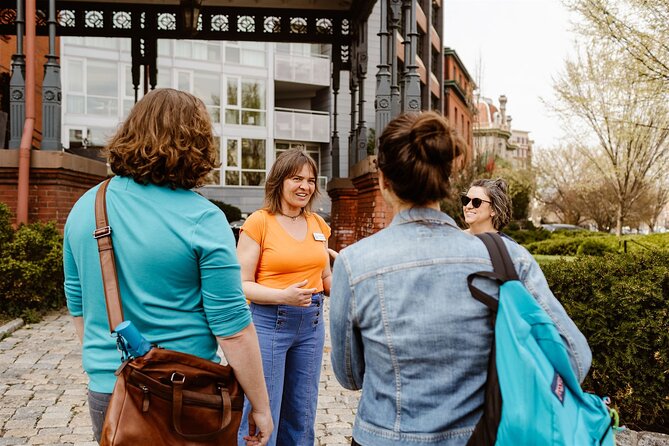
The listed price is $49 per person for a 2-hour guided walking tour. Here’s how I’d judge value:
- You’re paying for a licensed guide who can connect architecture to diplomacy and scandal, not just point at buildings.
- You get over 20 embassies viewed up close along the route, plus structured photo stopping.
- You do not get guaranteed interior access to embassies or residences, so the experience is “street-level and story-rich,” not “inside tour.”
One review note was that the tour felt overpriced for that person, calling out that there weren’t as many stories as expected for the cost. That’s a useful warning sign for you: if you’re buying this mainly for quantity of dramatic storytelling, think about whether two hours is enough to satisfy that craving.
On the other hand, multiple guides have scored high marks for fun, relatability, and solid knowledge delivered in a way that doesn’t feel dry. If you enjoy walking, photography, and history told through people, $49 can feel fair for what you get.
Group Size and Comfort: Why This Works Best on Foot
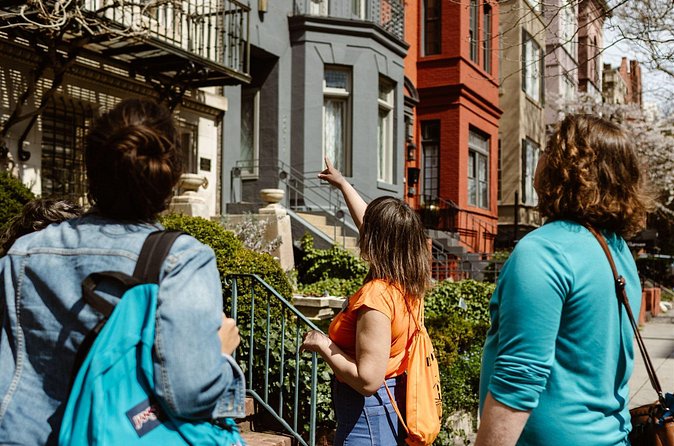
This is a small-group walking tour, and that detail isn’t fluff. Smaller groups usually mean you spend less time waiting and more time listening at each stop. The guide’s job gets easier too, because they can keep the pacing tight and the story clear.
Still, don’t underestimate the walking. Two hours in DC can be smooth or tiring depending on the pace and weather. Wear shoes you’d happily use for a long downtown stroll, and bring sunglasses or a hat if you’re out during bright morning light.
Who Should Book This Tour (and Who Might Skip It)
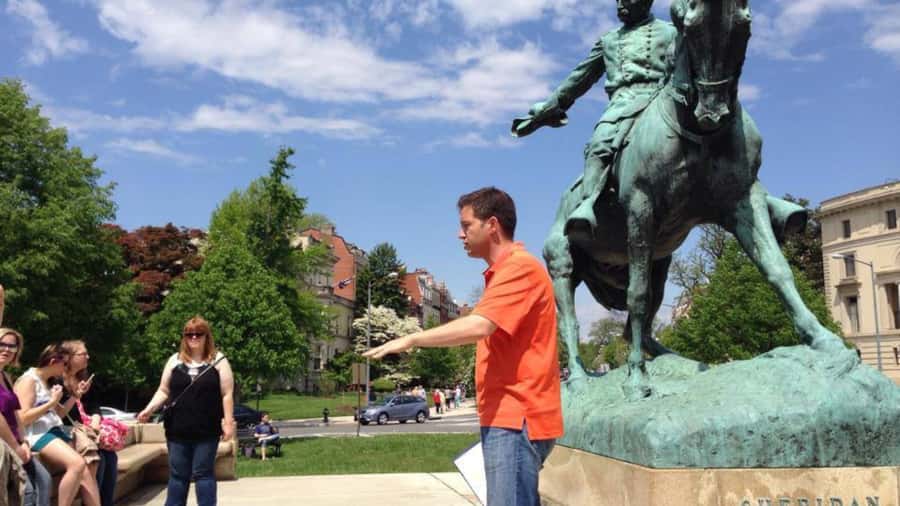
This tour is a strong fit if you:
- Want Embassy Row architecture explained in a human way, not in bullet points.
- Enjoy stories about power, image, and international intrigue tied to real buildings.
- Like the idea of seeing 20+ embassies without dealing with ticket lines or complicated entry rules.
You might want to choose a different option if you:
- Only care about interior access. Embassy entry is occasional, not guaranteed.
- Want a very long tour. Two hours is focused, and you’ll cover a lot of ground—but you won’t linger for long at each building.
Should You Book Embassy Row: Architecture, Mansions & International Intrigue?
Yes—if you want an efficient, story-forward way to understand what makes Dupont Circle and Embassy Row feel like Washington’s private and diplomatic front porch. This is especially worthwhile when you appreciate architecture as evidence: who built it, why it looks the way it does, and how that prestige translated into diplomacy.
Book it if you like guided context you can carry with you after the walk, plus great exterior photo opportunities. Skip it if you’re hunting for guaranteed inside access or you expect the trip to feel like a deep, dramatic saga with nonstop plot.
If you go in with the right mindset—street views, guided storytelling, and a couple of special history stops—you’ll likely come away thinking, DC isn’t just monuments. It’s also the grand real estate behind the scenes.
FAQ
Where do I meet for the Embassy Row walking tour?
Meet at the fountain at the center of Dupont Circle. Look for your guide in orange.
How long is the tour?
The tour lasts 2 hours.
Is this a small-group walking tour?
Yes. It is described as a guided small-group walking tour.
Do we enter embassies during the tour?
No. You do not enter any embassies, but you are sometimes invited into an embassy or residence. That invitation is not guaranteed.
What sights are included along the route?
You’ll see Embassies and ambassador residences along Massachusetts Avenue, pass by Sheridan Circle, walk through parts of Kalorama, and visit the Woodrow Wilson House. You also stop near the Spanish Steps.
Are there good photo opportunities?
Yes. The tour includes best photo ops of 20th-century historic mansions.
What’s the tour guide language?
The tour is guided in English.
Is gratuity included in the price?
No. Gratuity is not included.
Is cancellation available?
Yes. You can cancel up to 24 hours in advance for a full refund.
Is reserve-and-pay-later available?
Yes. You can reserve now and pay later to keep your plans flexible.