REVIEW · CHICAGO
Chicago: Prohibition-Era Culture & Architectural Treasures
Book on GetYourGuide →Operated by Intrepid Urban Adventures · Bookable on GetYourGuide
Prohibition clues hide in Chicago streets. This walk ties Prohibition-era culture to landmarks you can see up close, with guides like Bash, Dash, Rich, and Lara earning standout praise. I love how it mixes big-city architecture with quick, practical stop-by-stop stories, and I really like the popcorn tasting that keeps the energy up. One possible drawback: you’ll cover about 4.8 km (3 miles), so comfy shoes aren’t optional.
You start at the Chicago Theatre and end at Millennium Park’s Cloud Gate, which makes this a great “first Chicago” loop. The tour runs with personalized small-group attention (up to 16, and sometimes even fewer), and it’s designed to work rain, shine, or snow. If you’re looking for an all-sitting, no-walking history lesson, this isn’t that kind of day.
In This Review
- Key things I’d circle on your map
- Starting at the Chicago Theatre Marquee: quick context before the stroll
- Chicago Pedway and City Hall: the Loop’s inside-out way to see the city
- From Picasso to the Chicago River: art, symbolism, and why the waterline matters
- Riverwalk architecture tour: Willis Tower, Marina Towers, and the Jewelers Building
- Art Deco sidetracks: London House and Du Sable Bridge details
- Chicago Cultural Center and a Chicago-style popcorn treat break
- Wrigley Building to the journalism thread near Tribune Tower
- The Magnificent Mile transition: gearing up for Millennium Park
- Millennium Park and Cloud Gate: the finish that rewards the walk
- Price and value for $34: why this is a solid first-visit option
- Who this walk fits best (and who should skip it)
- Should you book this Prohibition-era architecture walk?
- FAQ
- FAQ
- Where does the tour start?
- How long is the walking tour?
- What’s the cost per person?
- How much walking is involved?
- Is the tour guided in English?
- What food is included during the tour?
- Are vegetarian options available?
- Does the tour run in bad weather?
- Is the tour suitable for children?
- How big is the group?
Key things I’d circle on your map
- Small-group feel (max 16): more questions, less wandering off-track
- Prohibition-era through architecture: you learn the why as you pass the what
- Riverwalk showpiece time: landmarks like Willis Tower and the Jewelers Building get real context
- Chicago Cultural Center stop: a major interior highlight with a local treat break
- Millennium Park finish at Cloud Gate: easy to extend into lunch and photos
- Price that’s built for value: $34 for 2.5 hours, a guide, and a tasting
Starting at the Chicago Theatre Marquee: quick context before the stroll
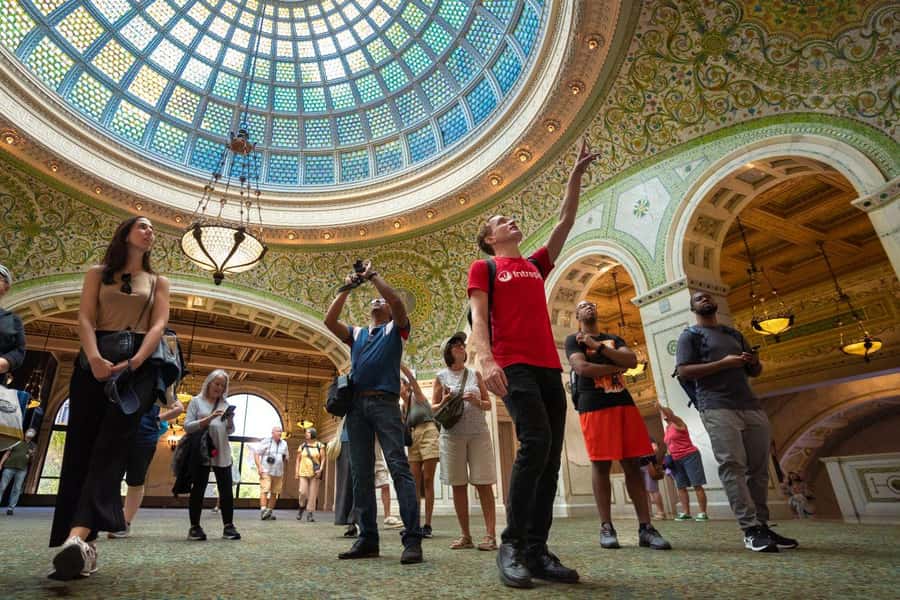
The tour begins under the Chicago Theatre marquee at 175 N. State Street, and that matters. Right away, you’re positioned at the edge of the Loop, where Chicago’s showmanship, finance, and politics all sit close together. This is the kind of start that helps you get your bearings fast, so the rest of the walk feels less like random sights and more like a guided path.
Expect your guide to frame the day around Chicago’s Prohibition-era legacy and how it shaped the city’s growth and architecture. The magic here is that you’re not just memorizing facts. You’re learning how the city evolved, then reading the buildings you pass as physical proof.
Guides are a big part of why this tour scores well. People specifically mention how the guides bring energy, patience, and flexibility, including named favorites like Rich, Dave, Kelly, Kevin, Wallach, and Lara. In plain terms: if you ask something, you’re likely to get a thoughtful answer, not a scripted shrug.
You can also read our reviews of more tours and experiences in Chicago.
Chicago Pedway and City Hall: the Loop’s inside-out way to see the city
Stop two is the Chicago Pedway, a 20-minute guided walk that’s perfect for an early “wow” moment. You’ll get a taste of the city’s in-between spaces, and you’ll notice how Chicago’s buildings connect in practical ways. This is useful even for first-timers because it shows how Chicago keeps pedestrians moving without always exposing them to every weather moment.
From there, you move toward Chicago City Hall. This is where the tour starts building a sense of scale: you’re not only looking at towers and landmark facades, you’re also seeing civic buildings tied to how the city functioned. If your goal is understanding why Chicago looks the way it does, this civic stop is a smart middle point between showy theater energy and the river’s architecture.
A small but real tip: since this is an efficient walking route, pacing matters. Some guides have been praised for keeping the group at an easy pace, which is helpful if you’re traveling with mixed ages and want everyone to stay together.
From Picasso to the Chicago River: art, symbolism, and why the waterline matters
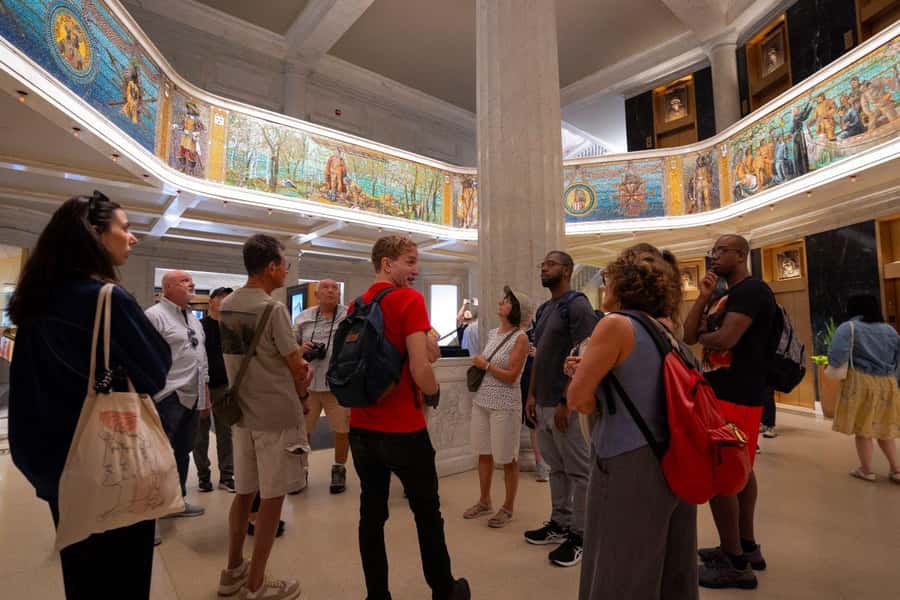
Next up is a stop for the Chicago Picasso statue, with about 10 minutes of guided time. Public art can feel random if you don’t know what to look for. On this tour, it’s used as a stepping stone, tying street-level landmarks into the broader story of Chicago identity and the city’s design mindset.
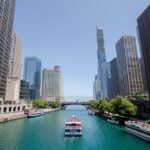
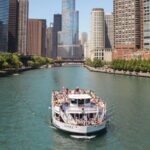
Then you head toward the Chicago River for a guided 20-minute segment. This part is where the Prohibition-era theme becomes easier to understand without getting lost in theory. The river isn’t just a scenic divider; it’s part of the city’s growth story, and you’ll be positioned to connect the history with the built environment around it.
You’ll leave this portion with a more accurate mental map of downtown. That means when you wander later for lunch, you won’t just feel like you’re walking around the same few blocks.
Riverwalk architecture tour: Willis Tower, Marina Towers, and the Jewelers Building
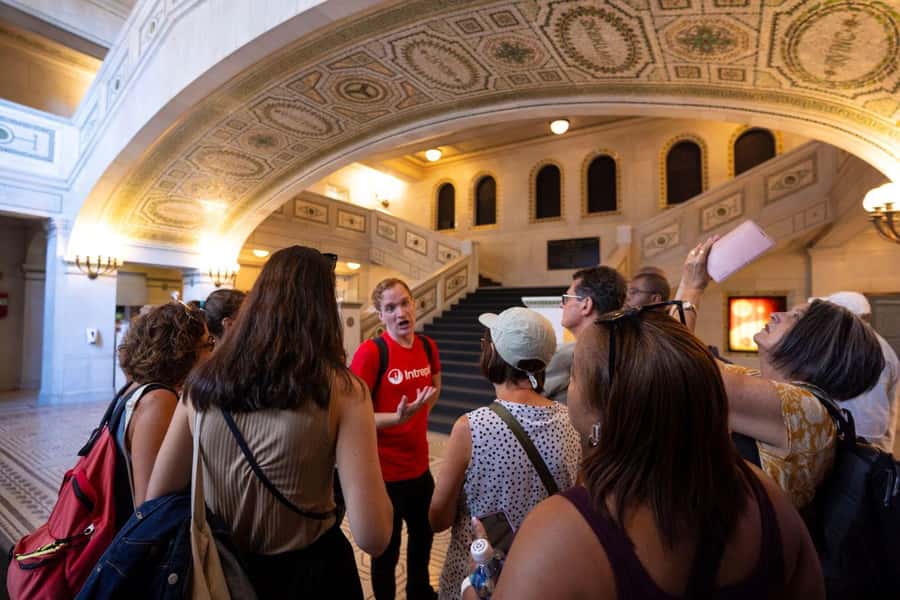
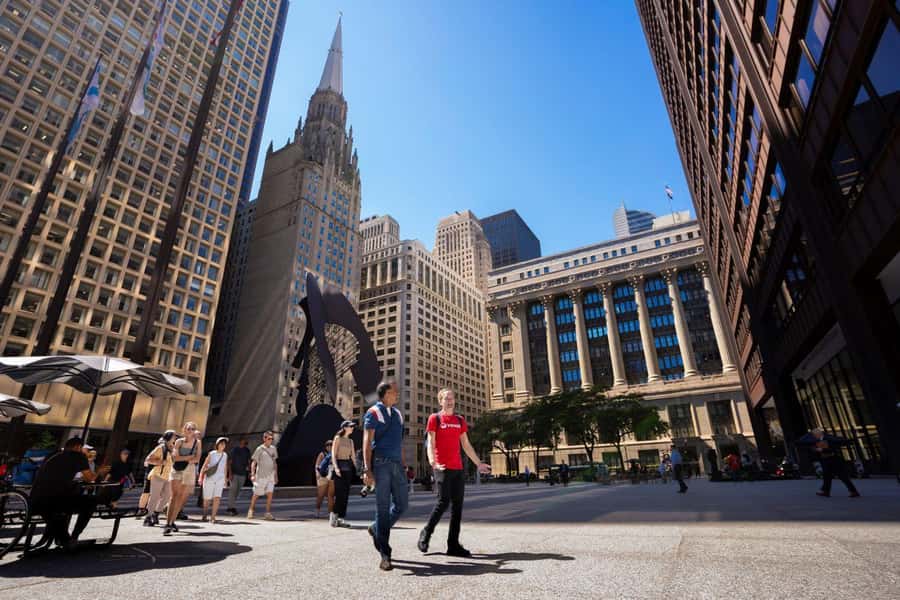
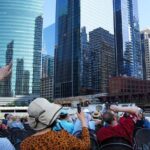
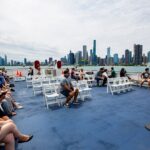
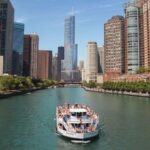
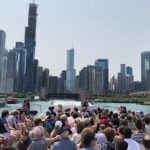
Stop six is the Chicago Riverwalk, another guided 20 minutes, and it’s the heart of the architectural payoff. Here’s what you can look forward to in the guided storytelling: you’ll cover major landmarks such as Willis Tower, Marina Towers, and the Jewelers Building. You’ll also hear how design choices and eras shaped the skyline’s character.
This is also where you get a sense of Chicago’s mix of old and new. The skyline makes the point instantly, but the guide helps you “read” the details—so you’re not just staring upward. You’re learning what you’re looking at and why it matters for how the city developed over time.
One of the best practical aspects: the Riverwalk stretch gives you natural pause points. If you’re tired, you’re not stuck waiting in a line somewhere indoor. You’ve got structure and open space.
Art Deco sidetracks: London House and Du Sable Bridge details
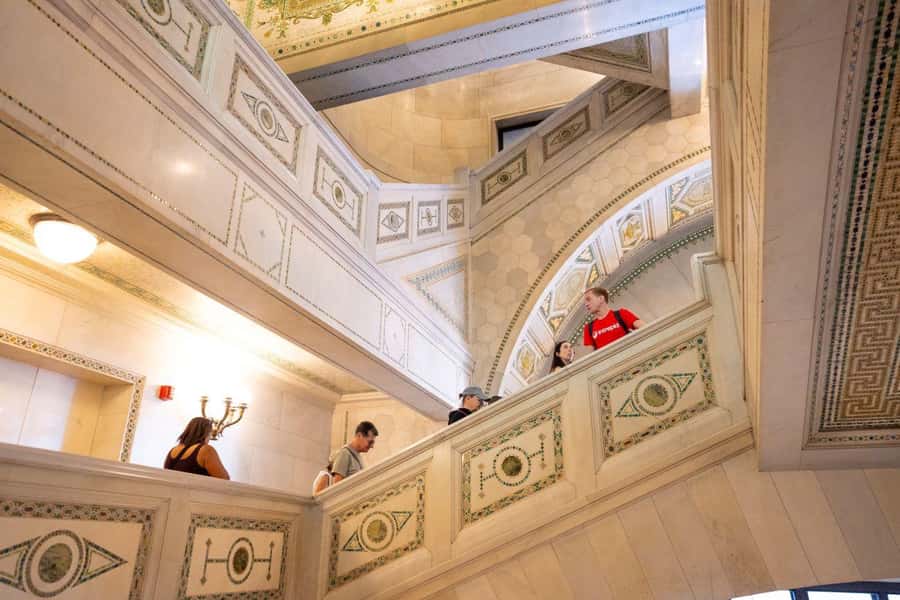
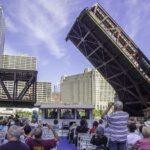
As you continue along the river area, the tour includes Art Deco design you can actually spot, including London House and Du Sable Bridge. Art Deco can be hard to appreciate if you’ve never been taught how to spot it. On this walk, it’s treated like an outdoor lesson: look for the styling language and you’ll start noticing it across Chicago.
This is one reason I like this tour format. It’s not just “see this building.” It’s “see what a style looks like on the street,” which helps you carry the skill into other neighborhoods later.
If you’re the type who loves photo moments, this section is also good for quick snapshots. You’ll have enough guidance to know where to stand, but you won’t feel rushed off an angle.

Chicago Cultural Center and a Chicago-style popcorn treat break
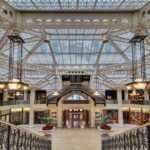
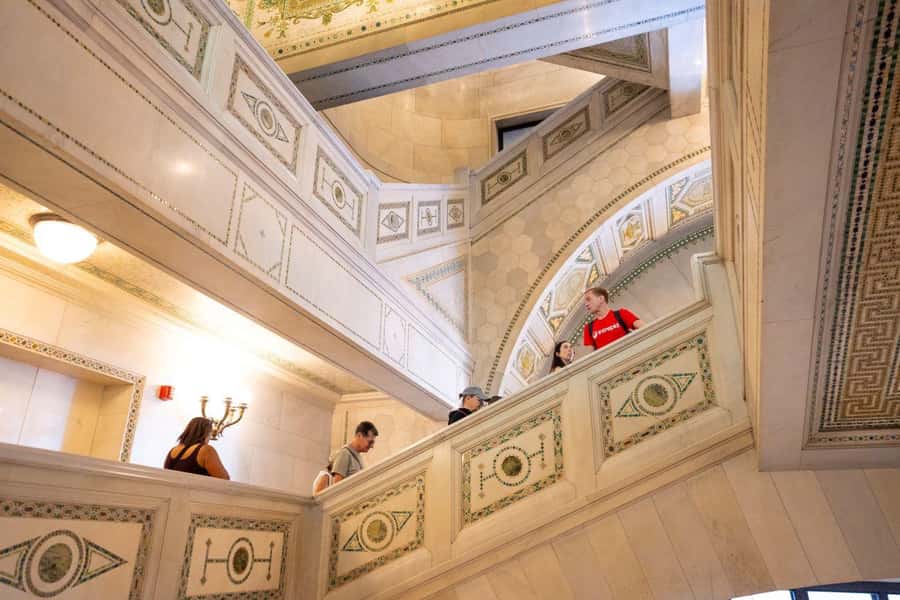
Midway through the walk, you’ll visit the Chicago Cultural Center. This stop is a big deal because it’s an architectural interior highlight in the middle of an otherwise outdoor route. It gives you a break from walking while still keeping the theme focused on design and how Chicago shows off art and culture.
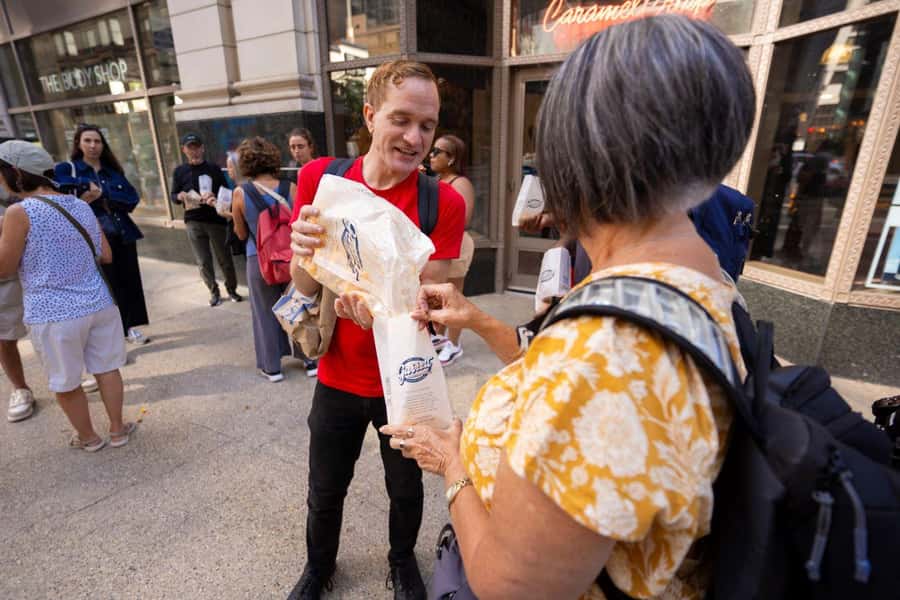
Right here, you’ll also enjoy a local sweet treat: Chicago-style popcorn. Reviews mention that some groups received brands like Garrett’s Popcorn and Fannie May Chocolate, and people consistently describe the treats as a nice bonus that adds energy without turning the tour into a food event.
Practical tip from the same vibe: plan to bring water if you tend to get thirsty on walks. A few guides have been praised for keeping the pace gentle, but Chicago weather plus 3 miles still adds up.
Wrigley Building to the journalism thread near Tribune Tower
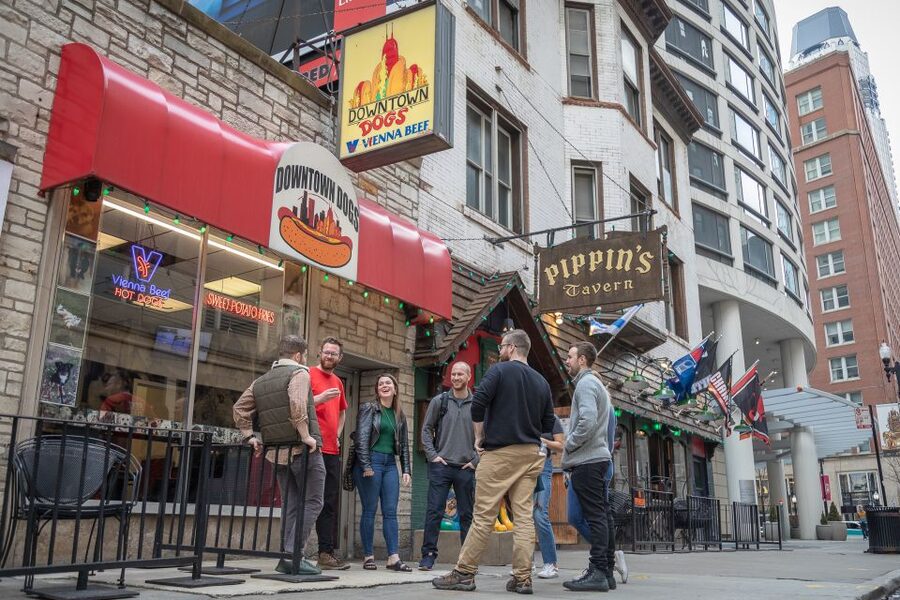
Later in the walk, you head to the Wrigley Building, followed by time that also brings in Chicago’s journalism roots and the Tribune Tower area. This is a smart shift because it connects architecture to influence: big institutions and media mattered, and those impacts show up in the way the city built itself.
The Wrigley Building is a standout visual, but the value here is the guide’s framing. You’ll learn why these kinds of landmarks mattered to Chicago’s identity beyond being attractive backdrops.
I also like that this portion helps you understand Chicago’s “power geography.” Once you see the media-and-commerce cluster, the city makes more sense when you’re later deciding where to shop, where to eat, and where to linger.
The Magnificent Mile transition: gearing up for Millennium Park
You’ll include a guided stroll through the Magnificent Mile area, with a shorter walking time. This is less about big-ticket shopping (unless you want it) and more about moving into the final leg with context. It’s where you can feel the city pivot from historic civic-and-media anchors toward modern visitor energy.
If you’re travel-worn, the short length helps. You’re not losing momentum; you’re just steering toward the finish in a way that keeps the overall timing reasonable for a 2.5-hour experience.
Millennium Park and Cloud Gate: the finish that rewards the walk
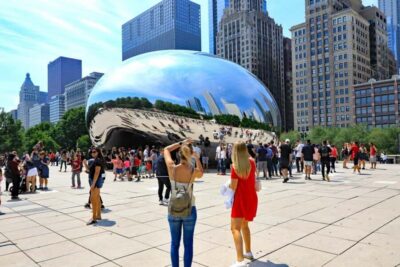
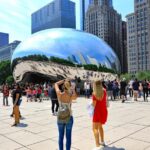
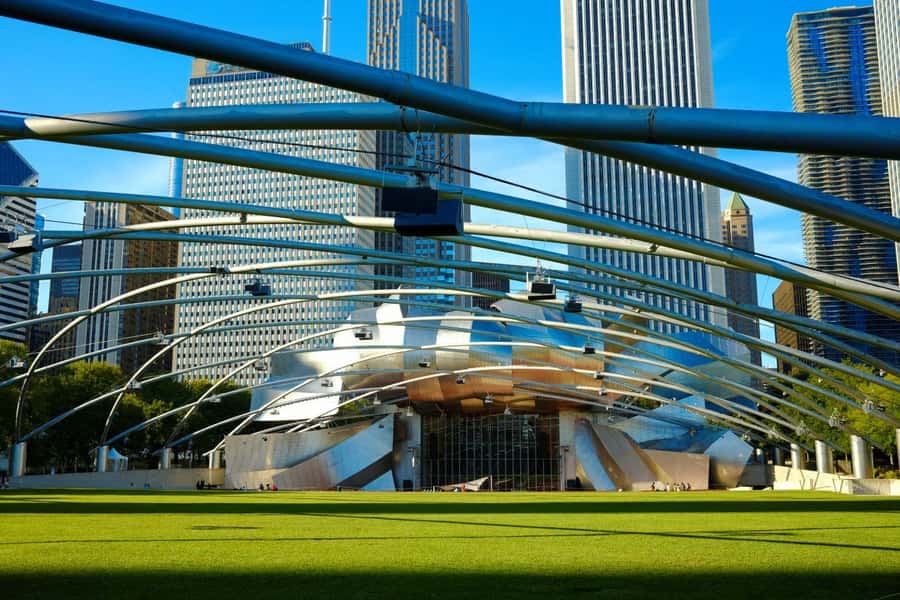
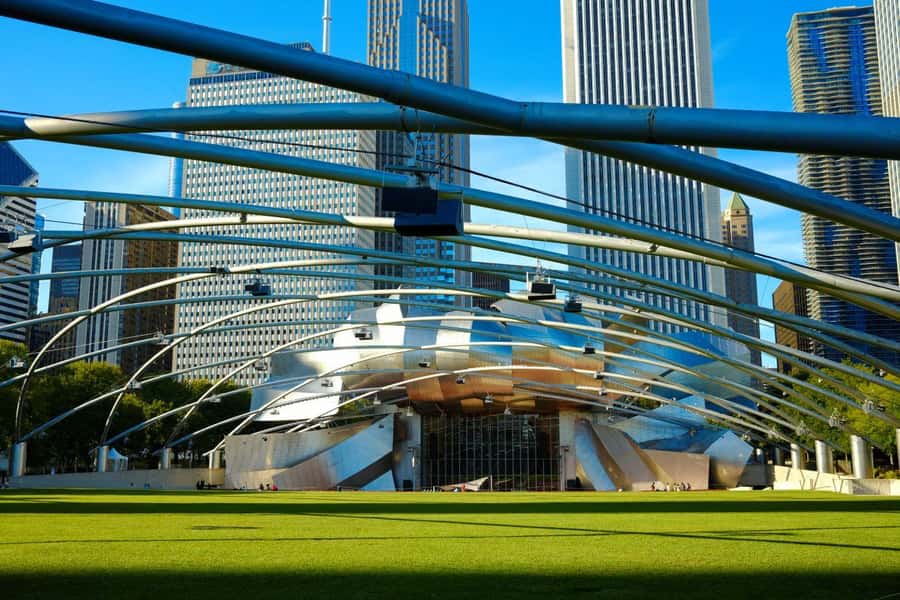
The final portion brings you to Millennium Park for a guided 20-minute segment, and then specifically to Cloud Gate. This is the part you’ll recognize instantly, even if you’ve never been to Chicago. The Bean (Cloud Gate) is a crowd magnet, but the tour doesn’t treat it like a checklist item. It gives you time to understand why it works as public art and why the location is such a perfect downtown gathering point.
When the tour ends back at Millennium Park, you’re set up for easy next steps. You’re in a place where lunch options and sightseeing add-ons are simple to arrange on foot.
Also, if you’re picky about photos, this ending helps. You’re not arriving at sunset with tired legs and zero guidance. You’ve been building a Chicago mental map all along, and now you get a landmark that ties it together.
Price and value for $34: why this is a solid first-visit option
At $34 per person for about 2.5 hours, this is priced like a practical orientation tour rather than a long-day deep dive. You get a local English-speaking guide, popcorn tasting, and a route that packs multiple architectural eras into one walk.
The value gets even better if you’re the kind of traveler who likes asking questions and learning how to look at buildings. The small-group format (max 16) matters because it turns the walk into a conversation. Reviews highlight how guides were patient and personable, and how some groups were even smaller than the maximum.
It’s also worth noting this tour is carbon neutral and operated by a B Corp certified company committed to using travel as a force for good. That doesn’t change what you’ll see, but it does tell you the operator is thinking about responsibility, not just scheduling.
Who this walk fits best (and who should skip it)
This is a great match if you’re visiting Chicago for the first time and want architecture plus a clear story thread through Prohibition-era legacy. It’s also a good choice if you like structured walking routes and you’d rather spend your energy learning what you’re seeing than hunting for clues on your own.
It’s child-friendly, and children under 6 can join free of charge. It’s also suitable for all ages and fitness levels, though the 3-mile total means you should still plan for walking time and bring weather-appropriate clothing.
If you want a bus-only tour, minimal walking, or a strict food crawl, you’ll probably feel like this tour is only partially meeting your priorities. It’s architecture and city story first, treats second.
Should you book this Prohibition-era architecture walk?
Yes, if you want a compact, guided way to understand downtown Chicago through visible landmarks. This one is especially worth it when you like architecture but you don’t want to research all day before you arrive.
Before you book, do two simple checks: confirm your comfort with about 4.8 km of walking, and decide whether a small-group guide-led route fits your travel style. If it does, you’ll leave with a clearer Chicago map, a better eye for styles like Art Deco, and a memorable finish at Cloud Gate that’s easy to build into lunch and more exploring.
And if you can choose your guide, names that earned strong praise include Bash, Dash, Rich, Dave, Lara, Kelly, Kevin, and Wallach.
FAQ
FAQ
Where does the tour start?
The tour starts at The Chicago Theatre, underneath the marquee, at 175 N. State Street, Chicago, IL 60601.
How long is the walking tour?
The tour lasts about 2.5 hours. Starting times vary, so you’ll want to check the schedule when you book.
What’s the cost per person?
The price is $34 per person.
How much walking is involved?
The tour covers about 4.8 km (3 miles) total.
Is the tour guided in English?
Yes. The tour includes a live English-speaking guide.
What food is included during the tour?
You’ll get a popcorn tasting during the walk, and the tour also includes a Chicago-style popcorn treat.
Are vegetarian options available?
Vegetarian options can be accommodated, but other food allergies or dietary preferences can’t be accommodated. Let the operator know in advance if you have dietary requests.
Does the tour run in bad weather?
Yes. Experiences happen rain, shine, or snow, so dress for the conditions.
Is the tour suitable for children?
Yes. It’s child-friendly, and children under age 6 can join free of charge.
How big is the group?
It’s a small-group walking tour with a maximum of 16 passengers.