REVIEW · CHICAGO
Chicago: Icons Guided Architecture Walking Tour
Book on GetYourGuide →Operated by Chicago Architecture Center · Bookable on GetYourGuide
Chicago teaches you to read it. This 90-minute guided walk through downtown is one of the easiest ways to see how Chicago’s architectural ideas connect past to present—and why newer designers keep pulling from older building logic. I especially like that the tour doesn’t just point at buildings; it explains what you’re looking at and how different styles relate, stop by stop. You’ll also get a strong sense of what inspires design today, including the work of Frank Gehry, Renzo Piano, and Adrian Smith.
The big upside is the guide-led storytelling: you hear meaningful facts and you can ask questions along the way. I’ve seen guides like Teresa and Ron bring strong pacing and context, and that makes the walk feel like a guided lesson instead of a speed march. One possible drawback: it’s a rain-or-shine walking tour with no luggage or stroller storage, so plan to travel light.
In This Review
- Key things to know before you go
- Starting at the Chicago Architecture Center (CAC) sets the tone
- What you’ll learn on the 90-minute architecture walk
- The styles you’ll spot as you walk
- Seven stops that turn buildings into a story
- The best part: guided Q&A and real explanations
- How the walk connects older facades to today’s design icons
- Millennium Park finish: art, architecture, and an easy landing spot
- Who should book this walking tour?
- Price and value: what $35 gets you in practical terms
- A few details that can affect your comfort
- Should you book this guided architecture walking tour?
- FAQ
- Where is the meeting point for the tour?
- How long is the walking tour?
- Is the tour wheelchair accessible?
- Does the tour run in bad weather?
- What is included in the ticket price?
- Are food and drinks included?
- Is there storage for luggage or strollers?
- Are pets allowed?
- Are there any limits on group size?
- Can I cancel, and how far in advance?
Key things to know before you go
- Seven downtown stops that cover major styles from the 1890s to today
- Architecture as a timeline, so older commercial buildings make sense beside newer skyline additions
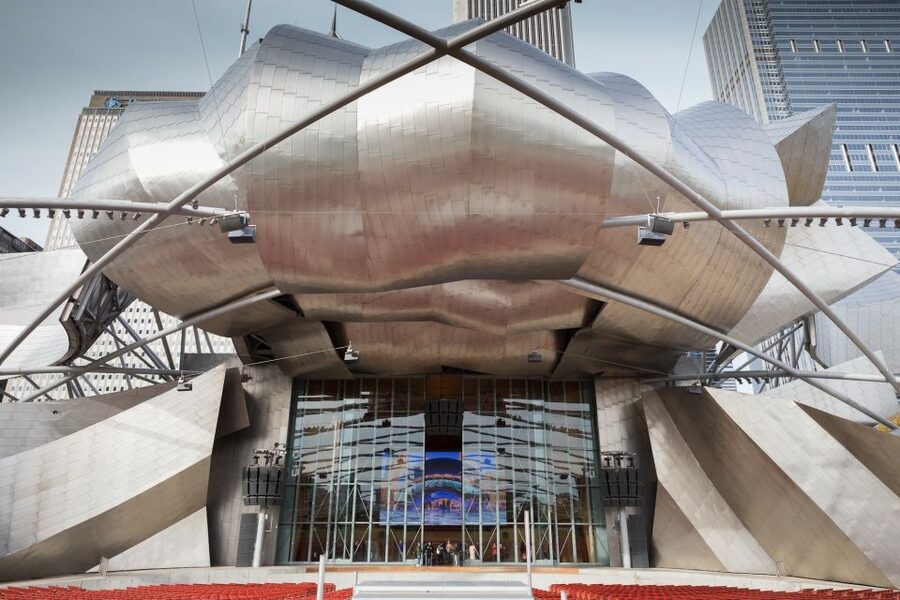
- Design today connections, including inspirations linked to Gehry, Piano, and Smith
- Millennium Park finish, where art and architecture work together in an easy-to-linger finale
- CAC galleries admission included, so you start with context at the Chicago Architecture Center
Starting at the Chicago Architecture Center (CAC) sets the tone
The tour meets at the Chicago Architecture Center at 111 E Wacker Drive, and having that start point matters. Right away, you’re anchored in the organization that takes Chicago architecture seriously, not just as sightseeing. Before you head out, you also have admission to the CAC galleries, which gives you a quick background buffer for what you’ll see outside.
Even if you’re not an architecture nerd, you’ll get more out of the walk once you know the basic language: Chicago is full of repeated design choices—window patterns, facade rhythms, and how buildings “finish” at the street level. That kind of detail is easier to notice when you’re not trying to learn everything on the fly.
Practical tip: bring your phone or a printed ticket. The meeting point is straightforward, but you’ll save time if you’re ready to show your ticket immediately.
You can also read our reviews of more tours and experiences in Chicago.



What you’ll learn on the 90-minute architecture walk
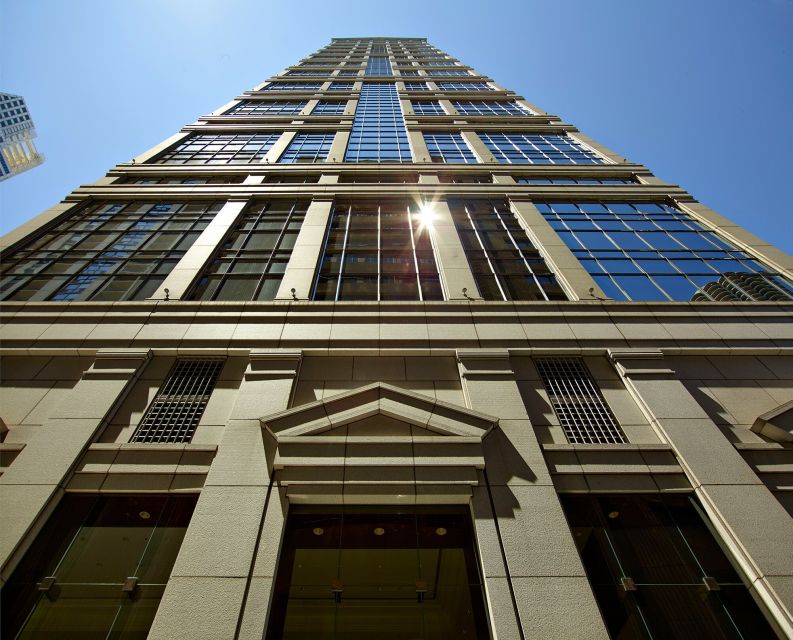
The core of the experience is a 90-minute walking route with seven stops in downtown Chicago. You move through architectural eras roughly from the 1890s onward, which is a smart way to understand a city where old and new sit in the same blocks.
Here’s what the format does well. Each stop is designed to help you compare styles instead of treating buildings as isolated objects. You don’t just see a facade—you see how and why it differs from what’s next to it. And because the tour includes both older and newer design ideas, you start recognizing patterns that connect decades of building thinking.
The styles you’ll spot as you walk
The tour focuses on several big style groupings, including:
- Famous 19th-Century Commercial style
- Beaux-Arts
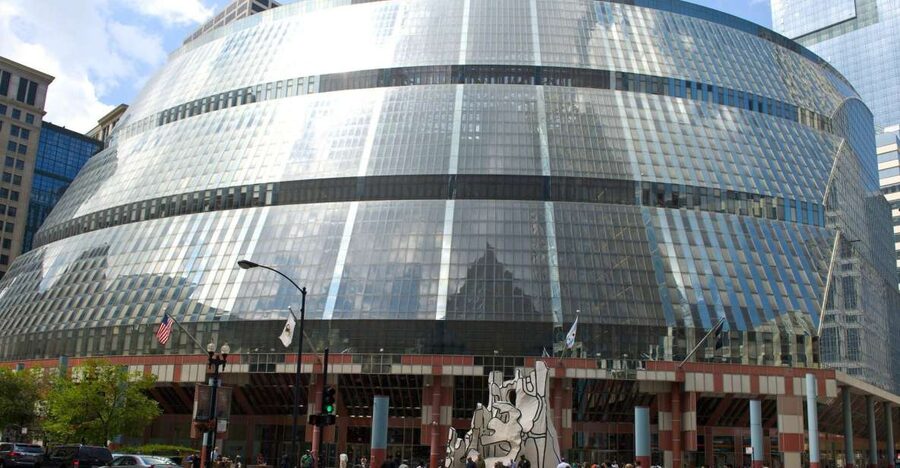
- Mid-Century Modern
- Postmodern
- Plus more current work tied to architects like Frank Gehry, Renzo Piano, and Adrian Smith
You’ll get help reading each one. For example, Beaux-Arts buildings often use classical details and symmetrical composition to make the architecture feel ceremonial. Mid-century modern tends to favor cleaner lines and simpler forms, often letting structure and proportion do the talking more than ornament. Postmodern often reintroduces visual play—sometimes quoting earlier design language, sometimes twisting it. The important part is how your guide explains what those choices meant for the city at the time.
Seven stops that turn buildings into a story

Chicago can feel like a collection of impressive landmarks. This tour changes that by making the skyline feel like a conversation.
Even though the tour does seven stops, what you should notice is the comparisons the guide sets up. You’ll see how older structures still influence how later architects design, especially around:
- How a building meets the street
- How the facade is organized into readable sections
- Whether the building feels formal, sleek, or dramatic
- How “mass” changes as the skyline adds new towers
At the early end of the walk, the emphasis is on the commercial era—buildings that helped shape Chicago’s reputation for business and density. Then you move into more formal, grander expressions such as Beaux-Arts. After that, the tour shifts toward later twentieth-century approaches: the cleaner geometry associated with Mid-Century Modern and the attitude changes you can associate with Postmodern.
A guide’s job here isn’t to overwhelm you with terms. It’s to help you see why the style choice mattered—and how those style signals were shaped by technology, economics, and what the city wanted to communicate.
The best part: guided Q&A and real explanations
The guides are a major strength. In particular, Teresa’s approach (from shared experiences) is remembered for pacing and for giving useful context even to people who have lived in Chicago for decades. Ron’s style also stands out because he adds historical knowledge and uses a helpful set of facts—basically a notebook of quick architectural nuggets—to keep you engaged.
You shouldn’t expect to memorize everything. Instead, expect to leave with a mental map: you’ll know what to look for next time you’re walking by a building and you’ll recognize which era it’s signaling.





How the walk connects older facades to today’s design icons
One of the most useful things about this tour is that it treats Chicago’s evolution as connected, not random. The route is built so you can compare older 1890s-era and classical-influenced buildings with newer skyline additions.
That comparison is where the tour becomes more than sightseeing. When your guide points out the logic behind older design choices, the modern buildings stop feeling like a different planet. You start seeing continuity:
- Style isn’t just decoration—it’s a message about a city’s identity.
- New architecture often borrows from older ideas, then changes the meaning with new materials and new scale.
- Chicago’s skyline is basically a long conversation between ambition, engineering, and aesthetics.
You’ll also hear about the inspiration tied to major contemporary names—specifically Frank Gehry, Renzo Piano, and Adrian Smith. Even if you only know them from famous headlines, it’s helpful to hear where their influences fit into the wider Chicago story. The point isn’t to turn this into a biography lesson. It’s to show how major design thinking still has roots in older decisions.
Millennium Park finish: art, architecture, and an easy landing spot
After the downtown sequence, the tour finishes at Millennium Park. This is a practical and smart end point. You’ve walked through hard-edged streets and skyline views, and then you end at a space designed for people to linger.
The description highlights how world-class art and architecture combine here, creating a distinct kind of urban fabric. Translation: the park isn’t just a rest stop. It’s a place where you can see architecture and public art working together in a way that feels more human-scale than the surrounding downtown mass.
If you like to keep momentum, you can take a quick pause and then head out. If you like to look longer, Millennium Park is the kind of spot where you’ll naturally spend extra time after a guided tour ends—because it’s visually rewarding in multiple directions.
Who should book this walking tour?
This is a strong fit for:
- You if you want a guided way to learn what you’re looking at in Chicago’s skyline
- You if you like comparison—old versus new, style versus style
- You if you appreciate context and stories that explain building decisions
- You if you want a focused outing that still ends with a great public space at Millennium Park
It’s also a good choice if you’ve been in Chicago before but didn’t have a structured way to connect eras. A good guide can turn familiar streets into fresh mental cues.
Less ideal for:
- You if you hate walking in the rain (it runs rain or shine)
- You if you need frequent breaks to sit (the format is still a walking tour)
- You if you’ll need storage for a stroller or luggage (there is no storage available)
Price and value: what $35 gets you in practical terms
The price is $35 per group up to 1, and for a 90-minute guided tour, that’s fairly simple to justify if you care about getting meaning out of what you see. The value isn’t only the walk—it includes:
- A certified, professional guide
- Admission to the CAC galleries
So you’re paying for both the storytelling outside and a bit of background context at the start. If you’re the kind of traveler who likes to learn something transferable—like how to spot stylistic signals on your own—this kind of short guided format can be a good trade.
There’s also a social value angle that matters if you like spending money where it supports local education. Ticket purchases for experiences run by the Chicago Architecture Center directly support community initiatives and education programs, including Girls Build!, Teen Fellows, and the Newhouse Architecture + Design Competition. It may also help keep programs like Open House Chicago free for participants. You’re not just buying a tour; you’re contributing to ongoing public learning.
A few details that can affect your comfort
This is where you’ll want to plan smart so the tour feels easy, not annoying.
- Rain or shine: dress for weather, not for optimism.
- No luggage or stroller storage: if you’re juggling bags, consider what you can carry comfortably.
- Food and drinks aren’t included: bring water if it’s hot, or plan a stop after you finish.
- Pets aren’t allowed: assistance dogs are allowed.
- Wheelchair accessible: the tour is listed as wheelchair accessible, which is a big plus if you’re planning mobility needs.
The walking portion is the main event, so your day plan should assume you’ll be on foot.
Should you book this guided architecture walking tour?
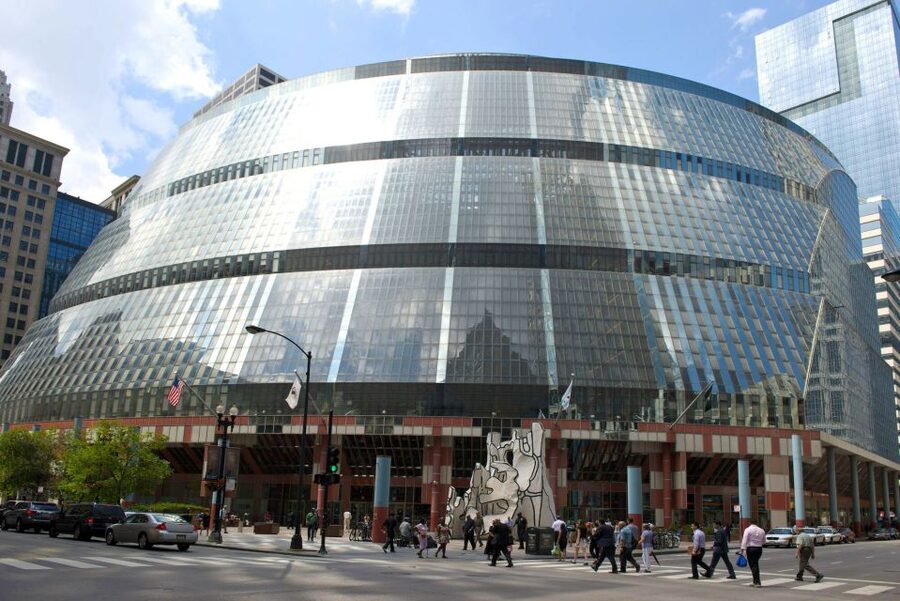
If you want a clear, guided way to understand Chicago’s architecture—without having to research each building first—this is a smart booking. The strongest reason to go is the how: a guide-led route through major styles that helps you connect earlier buildings to newer skyline designs. Add the CAC galleries admission and a finish at Millennium Park, and you get an outing that’s both instructive and pleasant.
I’d especially recommend it if you like asking questions or if you want your first architecture learning session in Chicago to be structured and friendly. If you dislike walking in bad weather or need storage for gear, then pick your timing carefully.
FAQ
Where is the meeting point for the tour?
The tour meets at the Chicago Architecture Center, 111 E Wacker Drive, Chicago, IL 60601.
How long is the walking tour?
The tour runs for 90 minutes.
Is the tour wheelchair accessible?
Yes, the tour is listed as wheelchair accessible.
Does the tour run in bad weather?
Yes, the tour takes place rain or shine.
What is included in the ticket price?
Your ticket includes a certified and professional guide, plus admission to the galleries of the Chicago Architecture Center.
Are food and drinks included?
No, food and drinks are not included.
Is there storage for luggage or strollers?
No, storage for luggage or strollers is not available.
Are pets allowed?
Pets are not allowed, but assistance dogs are allowed.
Are there any limits on group size?
The price is listed per group up to 1, but specific group-size details aren’t provided beyond that.
Can I cancel, and how far in advance?
Free cancellation is available up to 24 hours in advance for a full refund.