REVIEW · CHICAGO
Chicago Architecture Center River Cruise aboard First Lady
Book on Viator →Operated by Chicago Architecture Foundation & Chicago's First Lady Cruises · Bookable on Viator
Chicago by water is fast and fun. This 90-minute architecture cruise on Chicago’s First Lady gives you a front-row look at the Chicago River’s biggest icons, with a docent-led narration that puts each building in context. You also get multiple departure times and you board right at the Chicago Riverwalk, so it fits neatly into a tight schedule.
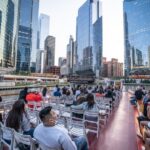
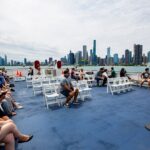
I especially like two things about this cruise: the live onboard commentary from Chicago Architecture Center docents, and the simple comfort setup. The boat has an open-air top deck for photos and an enclosed, climate-controlled lower level for when the wind decides to be rude.
One thing to consider: seating is first-come, first-served, and the dock has no elevator access. If you have mobility needs or you hate arriving early, this part can feel less flexible than you’d hope.
In This Review
- Key things to know before you go
- Why this 90-minute architecture cruise is a smart Chicago move
- Getting to the First Lady dock: where you meet and what to expect
- The cruise experience itself: how the narration keeps the river interesting
- Stop 1 on the Chicago River: the story behind the waterway
- Navy Pier: adaptive reuse you can see from the water
- Marina City: Bertrand Goldberg’s urban experiment
- Trump International Hotel & Tower: architecture in conversation with its surroundings
- Modernist landmark: a Ludwig Mies van der Rohe structure on the river
- 150 North Riverside: engineering that looks like it’s doing magic
- Boeing International Headquarters at 100 N Riverside Plaza
- Willis Tower (Sears Tower): height, power, and the meaning of scale
- Trading floors at 20 S Wacker Drive: Chicago Mercantile Exchange Building
- Chicago Tribune Freedom Center: the river meets media and civic memory
- Onboard comfort and photos: how to make the most of your seat
- Price and value: is $57 a good deal for what you get?
- When to go and who this cruise fits best
- Should you book the Chicago Architecture Center River Cruise aboard First Lady?
- FAQ
- Where does the cruise depart for Chicago’s First Lady?
- How long is the Chicago Architecture Center river cruise?
- Is the tour offered in English?
- Is there a bar onboard, and can I buy drinks and snacks?
- Are restrooms available during the cruise?
- Is seating assigned?
- Can I bring luggage or store it at the dock?
- Does the cruise run in all weather?
- Is WiFi available onboard?
- Are tickets refundable or transferable?
Key things to know before you go
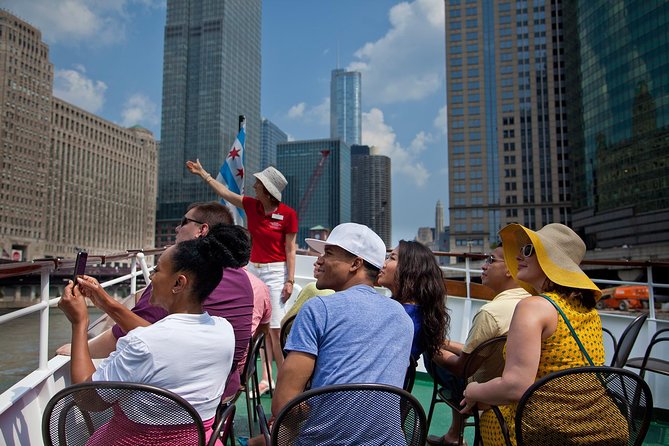
- Docents from the Chicago Architecture Center explain what you’re seeing as you pass it
- Climate-controlled lower level plus an open-air upper deck means you can stay comfortable year-round
- General admission seating makes arriving early worth it
- A 90-minute route hits a big slice of downtown architecture along the river
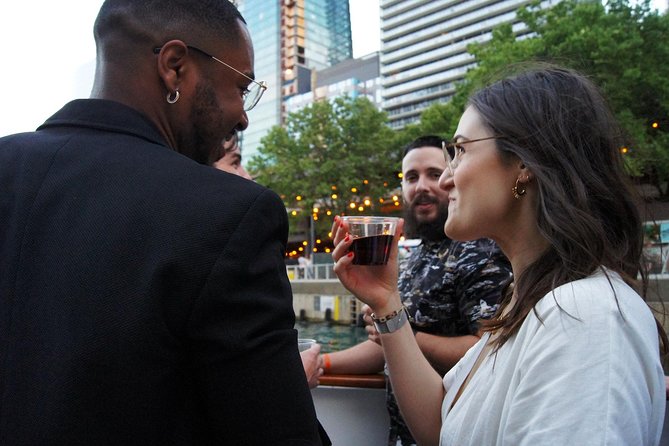
- Onboard bar and warm drinks make the ride feel like a small Chicago treat
- Great orientation for first-timers, especially if you plan to explore the city afterward
Why this 90-minute architecture cruise is a smart Chicago move
Chicago is one of those cities where the skyline feels personal. Up close, you can actually see why the buildings look the way they do and how they relate to the river, the bridges, and the neighborhoods. This cruise is a fast way to get that mental map, without running from stop to stop on foot.
The timing also helps. With a duration of about 1 hour 30 minutes, you can do this early in your trip and spend the rest of your days walking with better context. I like that the narration is designed to be understood in real time, not just a list of names. The story of the river is continuous: industry and transportation shifted over time, then the river edge turned into a place for recreation, views, and city life.
One other practical plus: the cruise uses live commentary and runs in all weather conditions, so you’re not gambling your whole schedule on sunshine. And since the tour caps at 250 people, it stays manageable rather than turning into a cattle-car experience.
You can also read our reviews of more tours and experiences in Chicago.
Getting to the First Lady dock: where you meet and what to expect
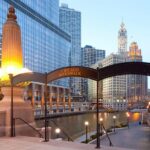
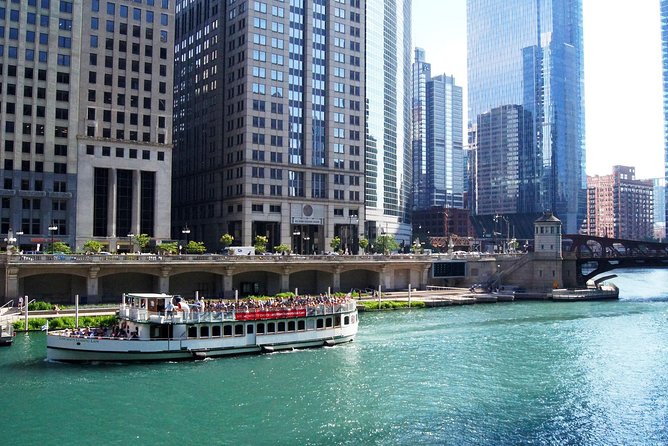
You’ll meet at 112 E Wacker Dr, at the Chicago Riverwalk dock for Chicago’s First Lady. This is a very downtown location, near public transportation, and it’s convenient if you’re already planning to spend time around Millennium Park and the Magnificent Mile area.
Plan your arrival carefully. The guidance is to get there about 30 minutes before departure. In summer, add extra buffer. The reason is simple: boarding is first come, first served, and the dock has no elevator access. That means you’ll want enough time to find your spot comfortably and settle in before the boat starts moving.
A few practical notes that matter more than they sound:
- General admission seating: there are printed seat numbers on tickets, but they’re not valid. Pick your comfort spot once you’re onboard.
- No luggage on board: due to security, you can’t bring luggage, and there’s no dockside storage. Leave big bags at your hotel.
- Restrooms are onboard, but they close about 15 minutes before the end for safety, so don’t wait until the final stretch.
- No WiFi on board, so this is a good place to put your phone away and actually look out at the buildings.
If you’re wondering what to wear, go with layers. The boat has wind exposure on the top deck, and shade can make it feel colder than the forecast suggests. Bring sunglasses and something for sun glare like a cap or visor, especially if you’re riding during brighter hours.
The cruise experience itself: how the narration keeps the river interesting
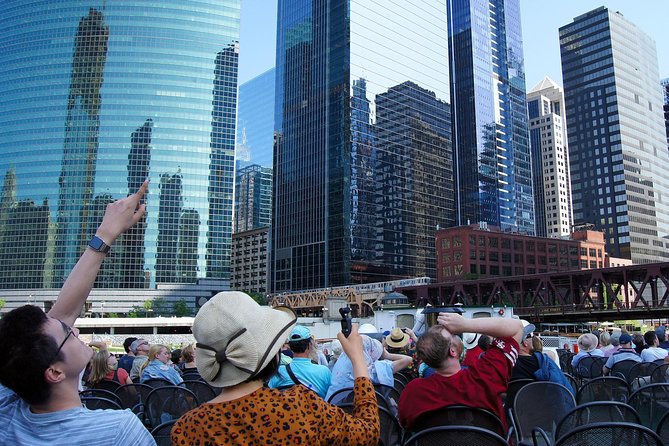
The best part of this outing is that it doesn’t treat the skyline like a postcard. The docents connect architecture to the city’s choices: transportation, industry, reinvention, and money. You’ll hear how the river changed from a working waterway into a place people enjoy spending time near.
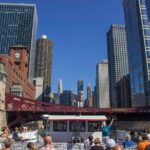
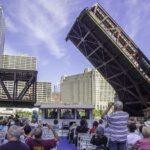
You can also expect the narration to be built around landmark visibility. You’re not forced to guess what you’re looking at. As the boat passes each stretch, the guide helps you read it: what the building is, who designed it (when that detail applies), and why it matters in Chicago’s story.
The human factor is a big part of why people rave about this tour. Names that have been mentioned in feedback include Cynthia, Laura, Amy, Nick, Mark, and Russel—and the consistent theme is delivery that stays lively and easy to follow. Even if you’re not an architecture nerd, the explanations are structured so the river doesn’t feel like a blur.
And yes, the mood matters. One of the standout details is the onboard bar, which can make a cold or windy ride feel like a cozy break. People also mention warm drinks like hot chocolate, which is a nice touch when the breeze gets sharp.
Stop 1 on the Chicago River: the story behind the waterway
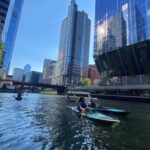
The cruise begins with the Chicago River itself, and that’s not just filler. The river is the spine of the city’s growth. As the boat gets moving, you’ll hear how the river kept evolving through eras of industry, transportation, revitalization, and recreation.
This matters because it changes how you view everything else. Once you understand the river’s role, you’ll start seeing the skyline as responses to real needs—shipping access, commercial power, and later, urban lifestyle. You’re not just looking at tall buildings; you’re looking at decisions made by architects and city planners.
Navy Pier: adaptive reuse you can see from the water
As the route continues, you’ll get a close look at Navy Pier, described as a signature Chicago destination built through adaptive reuse. The practical meaning of that phrase is: older functions and structures have been turned into something the city uses for today’s audiences.
From the river, it’s also easier to understand Navy Pier’s relationship to the rest of downtown. It’s not just a standalone attraction. It sits in the wider urban pattern and works because of proximity—views, access, and foot traffic.
If you’re bringing kids or you want something less abstract than skyscraper architecture, this is one of the points where the scene starts feeling more like a destination than a textbook.
Marina City: Bertrand Goldberg’s urban experiment
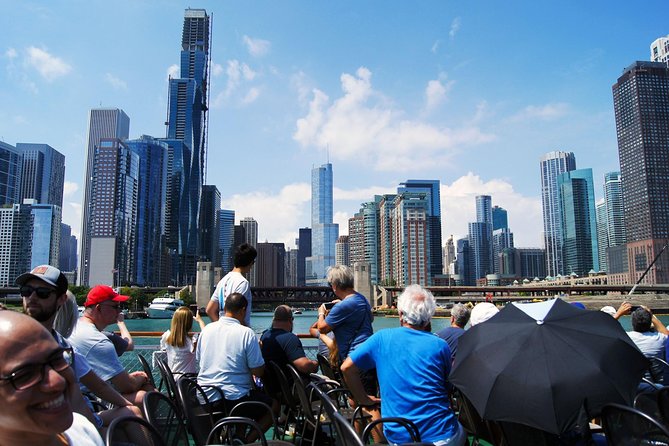
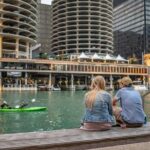
Next up is Marina City, connected to architect Bertrand Goldberg and described as an urban experiment designed to bring middle-class Chicagoans back after years of suburban migration. That’s a big idea, and the towers make it tangible.
What I like here is the way the narration connects design to social intention. These buildings weren’t just built to be tall; they were part of a broader attempt to shape where people lived and spent time. From the water, you can also see the scale and the way the complex hugs the shoreline—so the concept becomes visible, not theoretical.
Trump International Hotel & Tower: architecture in conversation with its surroundings
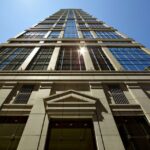
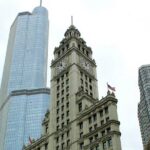
You’ll also pass the Trump International Hotel & Tower. The explanation isn’t only about its shiny glass-and-steel look. The docent framing is that it reflects its surroundings, meaning the building participates in its environment rather than acting like a totally separate object.
Even if you’re not into celebrity buildings, this is an interesting architectural angle. It’s a reminder that reflective surfaces can change perception throughout the day. As you move along the river, the way the building looks can shift with light, neighboring structures, and what’s happening around it.
Modernist landmark: a Ludwig Mies van der Rohe structure on the river
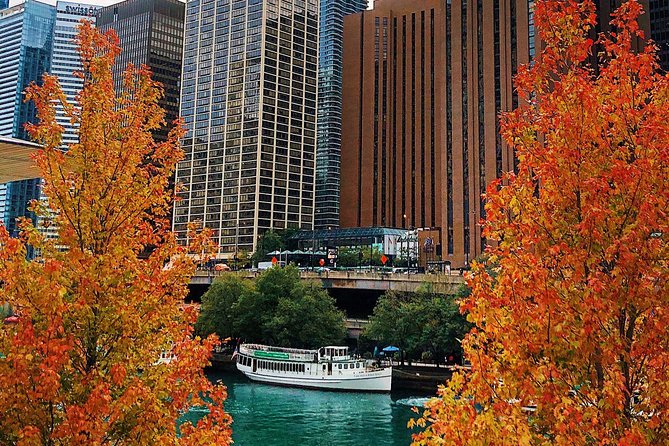
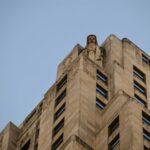
One of the stops highlights a powerful Modernist structure designed by Ludwig Mies van der Rohe and notes it as one of the last American projects by the architect. Modernism can feel abstract when you first hear the term, but the river setting helps it click.
From the water, Modernist buildings tend to read as design systems—clean lines, deliberate proportions, and a sense of order. The narration here helps you see the structure’s position in Chicago’s architectural timeline and why Mies’s influence shows up so often in major building conversations.
150 North Riverside: engineering that looks like it’s doing magic
Then comes 150 North Riverside, described as a gravity-defying structure. That phrase is exactly what makes this stop fun. It’s a building you can understand by visual impact first, and then by engineering logic after the guide explains what you’re seeing.
This is a great moment to slow your thinking down and just look. The river perspective is ideal for noticing how shapes behave at street level versus how they appear when framed by water and bridges.
Boeing International Headquarters at 100 N Riverside Plaza
As you continue, you’ll spot Boeing International Headquarters at 100 N Riverside Plaza. This is a good reminder that the Chicago River isn’t only about hotels and skyline icons. It also holds corporate power and international-business presence right along the urban spine.
If your day includes some walking later, this type of stop helps you understand why the area feels both commercial and visually dramatic. The river is doing more than scenery work; it supports major daily functions.
Willis Tower (Sears Tower): height, power, and the meaning of scale
One of the biggest landmarks is Willis Tower, formerly known as the Sears Tower. The narration covers more than the name change. It also notes that for nearly 25 years after completion, it held the title of tallest building in the world.
Then the tour connects size to Chicago’s Midwest mindset. When the building was completed in 1930, it was described as the largest building in the world and served as Marshall Field’s wholesale warehouse, where retailers could buy stock. That’s a striking shift—from shipping and buying to skyline dominance—and it explains why Chicago building scale has always been tied to real economic muscle.
From the river, Willis Tower tends to feel even more dominant because you’re not looking at it from a typical sidewalk vantage point. Water framing and river height differences make the building read as a centerpiece, not just part of a skyline.
Trading floors at 20 S Wacker Drive: Chicago Mercantile Exchange Building
As you pass Chicago Mercantile Exchange Building at 20 S Wacker Drive, you get a look at a different kind of power. This isn’t architecture for tourism; it’s architecture for markets and movement of money and goods.
This stop is useful if you like your city stories to include economics. You’ll see how the river corridor connects business hubs to the broader downtown grid.
Chicago Tribune Freedom Center: the river meets media and civic memory
Near the end of the route, you’ll pass the Chicago Tribune Freedom Center. The way it’s framed emphasizes civic and public-facing purpose, not just a set of offices behind windows.
It’s also a good closing note because by now you’ve seen tall towers, Modernist statements, and adaptive reuse. The Tribune Freedom Center ties the river to everyday Chicago values: communication, community identity, and how institutions shape what a city remembers.
Onboard comfort and photos: how to make the most of your seat
This cruise is designed so you can enjoy both the view and the ride, even when weather turns. The boat has two levels:
- Top deck: open-air views
- Lower deck: enclosed and climate controlled, with large windows so you still get sightlines
If you’re sensitive to cold or heat, I’d use a simple strategy: pick one level for comfort, but be ready to move if the best light or views happen where you’re not sitting. With general admission, you can also adjust your position after boarding, depending on crowd flow.
For photos, remember you’ll be moving. Look for moments when the boat’s speed and river curve align so you can get clean building lines. And do yourself a favor: wipe your camera lens or phone screen before you start, since river air can put a faint film on gear.
Also note the bar. Even when you’re not drinking, it adds atmosphere. In feedback, people mention a warm, cozy feel and things like hot chocolate, which makes this outing feel more like a Chicago hang than a strict lecture.
Price and value: is $57 a good deal for what you get?
At about $57 per person, the price lands in the category of paid orientation that actually earns its keep. You’re paying for two things you can’t easily replicate on your own in a short window:
1) Live docent commentary that helps you interpret buildings as you pass them
2) The convenience of seeing a wide range of landmarks in roughly 90 minutes without dealing with traffic or repeated transit
This isn’t a museum ticket where you’re going to spend hours inside one place. It’s a time-efficient way to scan the city’s most famous architectural stretch, plus you get onboard comfort like restrooms and climate control.
If you want to make the value stretch further, there’s a useful extra: the Chicago Architecture Center is directly across Wacker Drive from the First Lady docks, and there’s a noted $5 discounted admission available if you show your river cruise ticket. That’s a smart follow-up if you want deeper context after you’ve seen the skyline from the water.
One more value detail: schedules and routes can change without notice, and the specific vessel may shift. That doesn’t usually ruin the experience, but it’s another reason to arrive with time buffer and be flexible.
When to go and who this cruise fits best
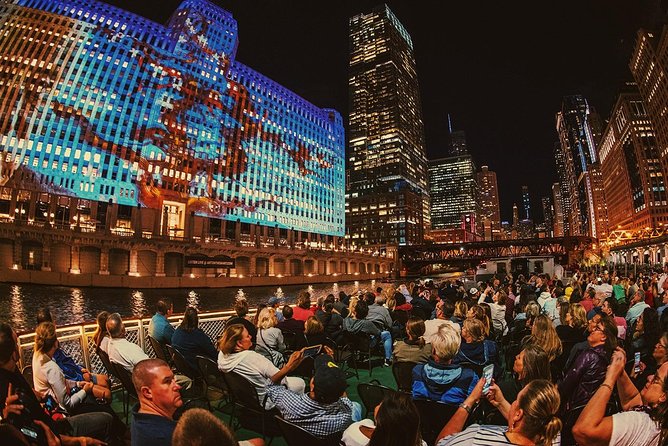
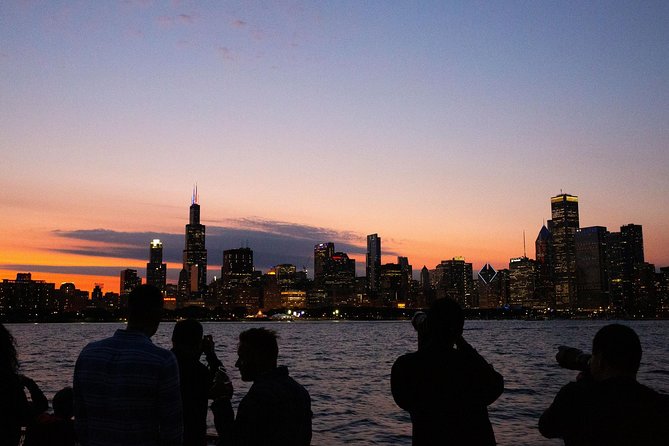
Pick your departure time based on your mood. If you want the skyline with a more dramatic feeling, evening rides tend to hit the right note for people. If you prefer maximum visibility and fewer lighting challenges, daytime helps. Either way, dress for the wind.
This is a strong choice for:
- First-time Chicago visits where you want an architecture backbone fast
- Couples and solo travelers who want a guided overview without a long day of walking
- Families with older kids who can sit through a 90-minute narrative
It’s not ideal for kids under 12, and the boat dock’s no-elevator setup is something to consider if you need step-free access. If you’re traveling with mobility needs, plan for the realities of the dock and general boarding flow.
Should you book the Chicago Architecture Center River Cruise aboard First Lady?
I’d book this if you want a high-signal way to understand Chicago’s architecture in a short time. For the money, you get a lot: a river route packed with major landmarks, docents guiding what you see, and onboard comfort options that keep the ride enjoyable in changing weather.
Skip it only if you strongly dislike first-come seating, you need elevator access at the dock, or you want a quiet activity where you can avoid crowd energy entirely. Otherwise, this is one of those Chicago experiences that helps your whole trip make sense.
FAQ
Where does the cruise depart for Chicago’s First Lady?
The cruise starts from 112 E Wacker Dr at the scenic dockside along the Chicago Riverwalk.
How long is the Chicago Architecture Center river cruise?
The duration is about 1 hour 30 minutes.
Is the tour offered in English?
Yes, it’s offered in English.
Is there a bar onboard, and can I buy drinks and snacks?
A full bar is available onboard, but drinks and light snacks are not included in the ticket price.
Are restrooms available during the cruise?
Yes. There are restrooms onboard, and they close about 15 minutes before the end for safety reasons.
Is seating assigned?
No. Seating is general admission, and boarding is first come, first serve.
Can I bring luggage or store it at the dock?
No. Luggage cannot be brought on board, and there’s no luggage storage dockside.
Does the cruise run in all weather?
Yes. The cruise operates in all weather conditions, and the boat has both an open-air top deck and a climate-controlled lower level.
Is WiFi available onboard?
No. WiFi is not available on board.
Are tickets refundable or transferable?
No. Tickets are not refundable and not transferable to other departures.
If you want, tell me your travel month and whether you’re more into skyline views or architecture details, and I’ll suggest the best departure time style for your day.