REVIEW · CHICAGO
Chicago: Elevated Architecture Walking Tour
Book on GetYourGuide →Operated by Chicago Architecture Center · Bookable on GetYourGuide
Chicago’s skyline makes more sense when you’re above it. From station platforms and on the Chicago L, you get an architecture view most people never see. I love the way this tour mixes transit history with real building details, and how the group stays small enough to ask questions and get straight answers from the guide (mine was Chris). One thing to plan for: it’s outdoors, with standing and stairs on station platforms, so it’s not a smooth fit if you have mobility limits.
You’ll spend about two hours moving through the Loop, catching architecture from more than 20 feet off the ground, then riding the train like a local. The narration ties the train system to how the downtown core grew around it, including the fact that the first elevated train started running trips in 1892. The only real drawback is timing and pace: it’s fast, and there’s no time built in for snacks, so come ready to be on your feet for the full session.
In This Review
- Key Things You’ll Notice on This Chicago Architecture + “L” Tour
- Why See the Loop From the Chicago L Instead of Sidewalks?
- Starting at the Chicago Architecture Center (and Getting Your Ventra Card)
- The Walking Portion: Hundreds of Architecture Moments in Real Time
- Riding the Chicago “L” for Architecture Views You Can’t Recreate
- How the “L” Shaped Downtown: More Than Just Getting Around
- The Chicago Architecture Center Galleries: Why the Included Entry Helps
- Group Size and Tour Rhythm: Easy to Ask Questions
- Price and Value: What You’re Really Paying For
- Tips to Get the Most Out of Your 2 Hours
- Who This Tour Is For (and Who Should Skip It)
- Should You Book This Chicago L Architecture Tour?
- FAQ
- Where is the tour meeting point?
- What do I receive at check-in?
- How long is the tour?
- What’s included in the price?
- Do I need to pay extra for the train ride?
- Can I bring luggage, strollers, or large bags?
- Is food or drinks allowed during the tour?
- What should I wear or bring?
- Is the tour accessible for wheelchair users?
Key Things You’ll Notice on This Chicago Architecture + “L” Tour

- Above-street views that make architectural details easier to spot (ornament, cornices, façades)
- A real Chicago L ride with the fare included, using a Ventra card you’ll receive at the start
- Context on how the “L” helped shape downtown development in the Loop
- A guide-led walk that pairs hundreds of sights with clear narration, not random facts
- Included time at the Chicago Architecture Center galleries to connect what you saw outside
Why See the Loop From the Chicago L Instead of Sidewalks?
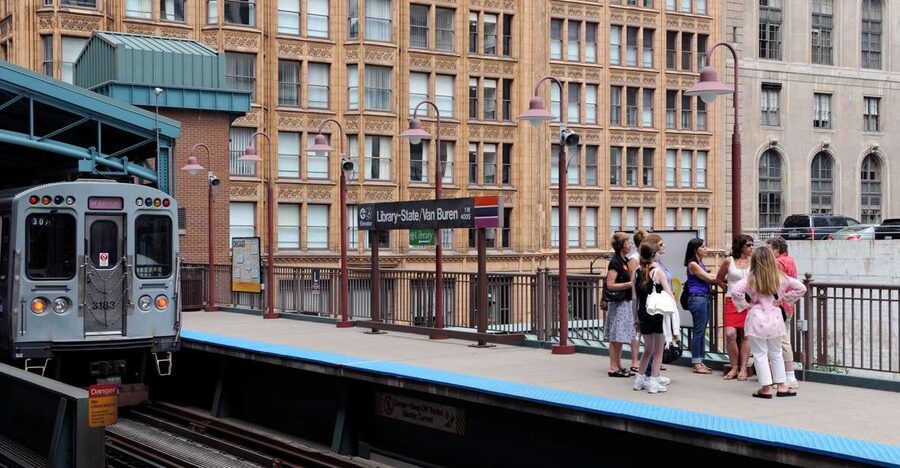
Street-level sightseeing is good for basics: street grids, scale, and street life. But it misses the “top half” of a city. On this tour, you get the best of both worlds: you walk at street level, then shift upward to see how Chicago’s buildings look when you’re actually aligned with their upper sections.
That’s the magic of riding the “L” on purpose. The trains don’t just move you around; they give you a moving gallery. With the line running more than 20 feet above the ground, you start noticing design choices that usually hide behind poles, trees, and street clutter. You’ll also spot how closely architecture sits next to transit infrastructure—because in Chicago, these systems didn’t grow in isolation.
I also like the way the tour keeps the story practical. Instead of treating transit like trivia, you learn how the system influenced where and how downtown evolved. The Loop is one of those places where infrastructure is part of the architecture, not separate from it.
You can also read our reviews of more tours and experiences in Chicago.



Starting at the Chicago Architecture Center (and Getting Your Ventra Card)
Plan to arrive a bit early at the Chicago Architecture Center so you can check in at the box office. The big practical step here is the Ventra card—you’ll need it to access the Chicago L for the ride portion of the tour.
If you’ve never used Ventra before, don’t worry. The tour’s setup is meant to keep you from figuring it out mid-trip. Having the card ready before you reach the platform makes the whole experience feel smoother, especially because the tour is only about two hours long.
Also note what I’d call the “temperature reality” of this kind of outing. You’re outdoors and you’ll be standing on station platforms. If the weather is rough, you’ll feel it. Bring weather-appropriate clothing, and if you use a face covering, bring one along since it’s listed as what to bring.
The Walking Portion: Hundreds of Architecture Moments in Real Time

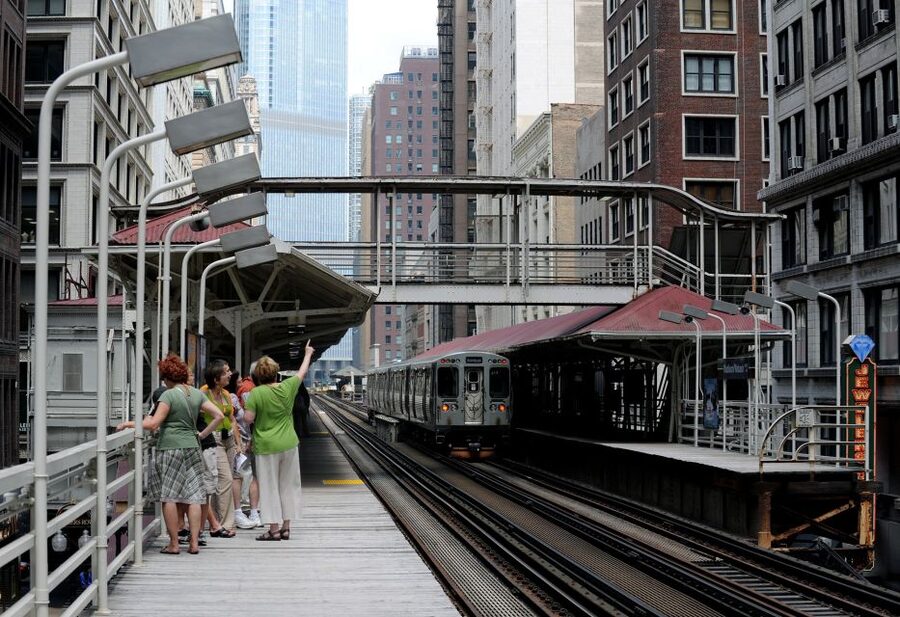
The walking part is where the Loop story starts to click. You’re not just passing buildings; you’re walking through the same downtown fabric that grew up around the train lines. As you move, the guide’s narration connects what you’re seeing—building forms, locations, and style changes—with the role the “L” played in making the Loop a destination.
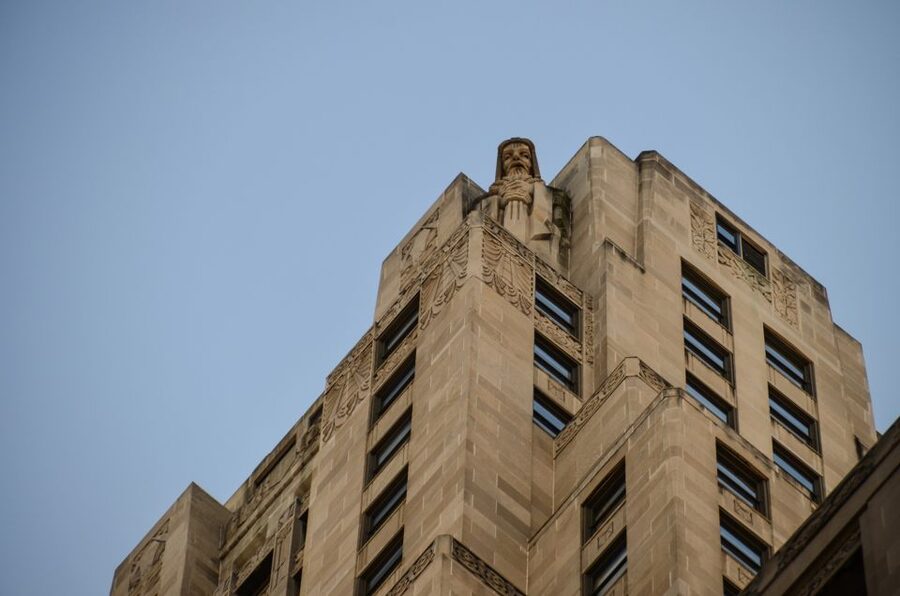
This is also where you’ll get your best “wait, look at that” moments. Chicago architecture often rewards slow attention: details along the top floors, the way façades break up vertically, and how certain buildings respond to nearby mass transit. From the sidewalk, you can see the overall shape. During this tour, you’ll learn how to look for the shapes and details that become obvious from above.
One practical note: since you’re moving around for the full session, comfortable shoes matter. There’s no on-tour storage for luggage or strollers, and the tour doesn’t include food or drinks, so it’s a session you’ll want to approach like an active morning or afternoon, not a casual stroll.
Riding the Chicago “L” for Architecture Views You Can’t Recreate
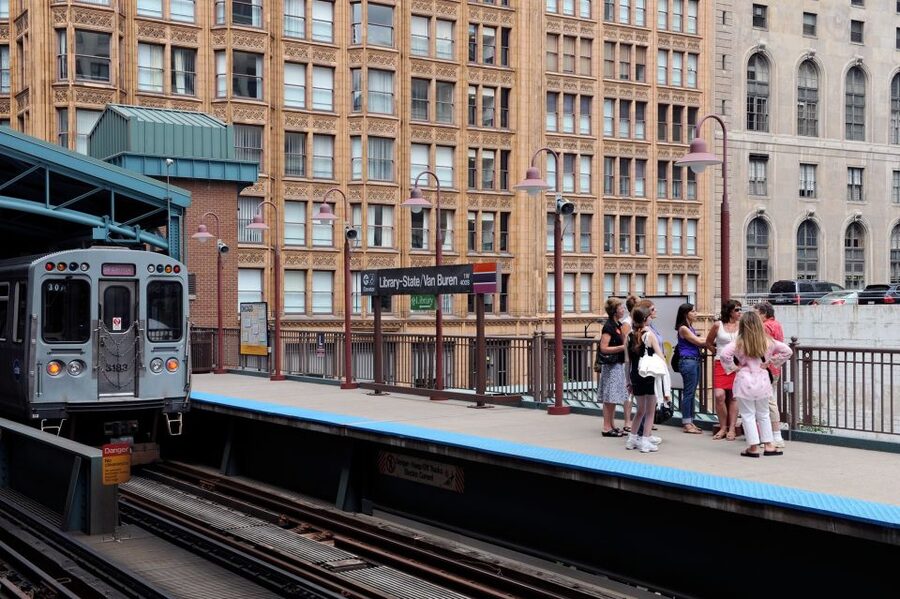
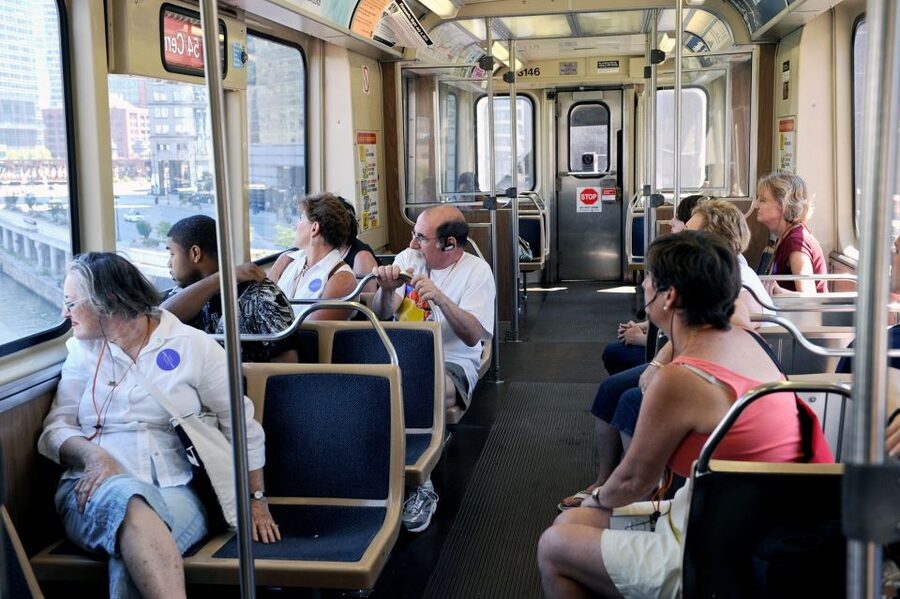
This is the core experience: you’ll take a seat on the “L” and experience Chicago’s rapid transit system firsthand. The fare is included, so once you’re checked in and have your Ventra card, you’re ready to go.
What you gain from the ride is the angle. You’re looking outward from elevated platforms into a city that was built with tall buildings close together. That height does two things for you:
- It improves line-of-sight to architectural elements most pedestrians miss.
- It helps you understand the Loop as a skyline shaped by proximity—proximity to transit, proximity to the center, and proximity to the major urban arteries.
The tour also includes the history you want without turning it into a museum lecture. You’ll hear how the “L” started (the first elevated train began running in 1892) and how it became one of Chicago’s defining features. In a city where the downtown core grew fast, transit wasn’t an accessory. It was a driver.
One caution: this is not a relaxed ride where everyone just sits and looks out forever. You’ll be switching between walking and platform time, and the platforms involve stairs. If you’re sensitive to stairs, consider that carefully before booking.
How the “L” Shaped Downtown: More Than Just Getting Around
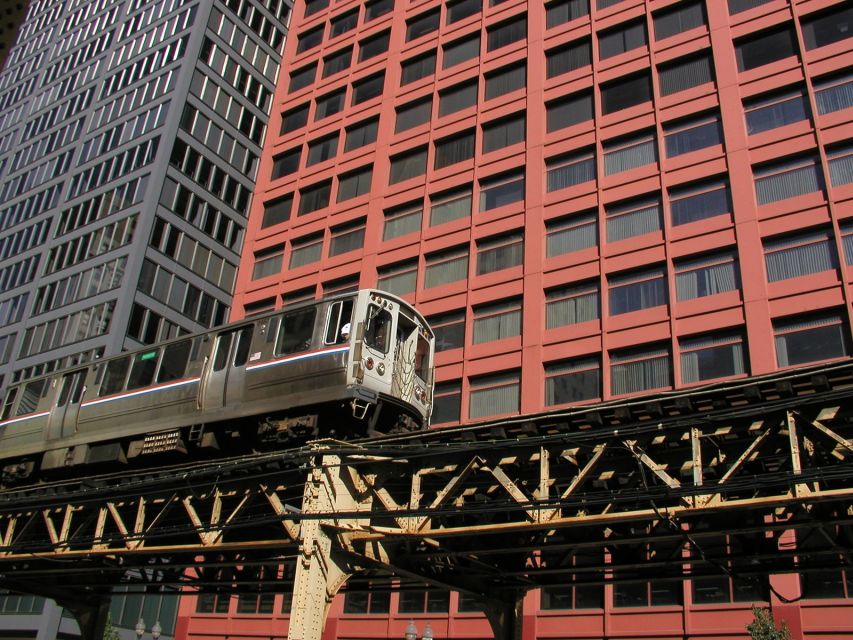
Here’s the value I didn’t expect to feel so strongly: the tour treats architecture as something that reacts to systems. When transit runs overhead, it changes how people move through an area, which affects foot traffic patterns, nearby development, and even what types of buildings thrive in the Loop.
So the tour narration helps you read downtown like a map with a backstory. Instead of thinking of the Loop as a static cluster of tall buildings, you start seeing it as a district shaped by a transit timeline—where the “L” is part of the reason certain building patterns took hold.
This connection matters because it teaches you how to look after the tour. Even if you never ride the “L” again, you’ll have a framework for what to notice in Chicago: the relationship between transit routes and the density of surrounding structures.





The Chicago Architecture Center Galleries: Why the Included Entry Helps
The walk and train ride are your on-the-street learning. The Chicago Architecture Center galleries are where the tour’s themes get anchored.
Having that included admission is smart value because it gives you an indoor place to connect dots after you’ve seen the Loop from above-ground. You can revisit concepts the guide mentioned—like how transit and building development intertwine—without having to rely only on memory from the platforms.
If you like architecture even a little, this stop is worth slowing down for. It’s the part of the experience that turns a good tour into a deeper understanding of Chicago’s design identity.
Group Size and Tour Rhythm: Easy to Ask Questions
This is a small group limited to 10 participants, and it makes a noticeable difference. In a crowded tour, guides often move fast and answers get cut short. Here, the format is built for interaction—especially when you’re learning how to “read” what you’re seeing from unusual angles.
My guide, Chris, handled questions well, including details about architecture and the architects behind what you’re looking at. That kind of Q&A is practical: it helps you understand what you’re seeing rather than just collecting facts.
The rhythm is still active. Expect standing on platforms, navigating stairs, and walking as you go between key points. This tour is ideal if you like momentum and clear guidance, not if you want long pauses.
Price and Value: What You’re Really Paying For
At $35, this tour competes well with other Chicago architecture experiences because it bundles key costs into one ticket.
You’re getting:
- a guided walking experience
- fare for the Chicago L ride
- admission to the Chicago Architecture Center galleries
- a guide-led explanation that ties the whole thing together (not just a sightseeing pass)
So the price makes sense if you’d want at least two of those pieces anyway: a transit ride plus a visit to CAC. And because the group stays small, you’re not paying for the kind of crowded chaos that turns architecture into background noise.
If you’re on a tight schedule, the two-hour duration also helps. You’re out long enough to get a real Loop education, but short enough to fit into a day that also includes other Chicago must-dos.
Tips to Get the Most Out of Your 2 Hours
A few things will make this tour feel smoother and more enjoyable:
- Wear shoes for stairs. Platforms include steps, and you’ll be standing at times.
- Dress for rain or shine. The tour runs in all weather, so bring what you need to stay comfortable.
- Don’t plan on food or drink during the tour. If you need a snack, sort it out before you start.
- Bring a face mask or protective covering if that’s part of your routine.
- Keep bags minimal. Luggage and large bags aren’t part of the plan.
And a small mindset tip: when you step onto the platform, slow down your eyes. Start with the vertical lines—then scan for ornament and the way buildings meet the street. The height will do the rest.
Who This Tour Is For (and Who Should Skip It)
This is a great choice for:
- architecture lovers who want more than sidewalk angles
- first-time visitors who want the Loop story explained clearly
- people who like transit and want to experience the system directly, not just read about it
It’s not suitable for:
- wheelchair users
- people with mobility impairments
- anyone who struggles with standing on platforms and walking stairs
If you fall into that category, you may be better off with a different Chicago Architecture Center option that’s designed for easier access. For everyone else, this tour offers a rare mix of architecture and real city movement.
Should You Book This Chicago L Architecture Tour?
If your goal is to understand the Loop the way Chicagoans experience it—through transit, density, and building form—this is an easy yes. The included L ride and CAC gallery admission make it good value, and the small group size helps you get answers as you go.
I’d particularly book it if you like seeing cities from unusual angles. The “above-ground” viewpoint is the whole point, and it gives you a fresh way to look at Chicago that you won’t get from a typical architecture walking route alone.
If stairs and standing are a challenge for you, skip this one. But if you can handle platforms and weather, it’s one of the more memorable ways to connect Chicago architecture to how the city actually works.
FAQ
Where is the tour meeting point?
Meet at the Chicago Architecture Center. Arrive prior to departure and present your ticket at the box office.
What do I receive at check-in?
You’ll receive a Ventra card, which you need to access the Chicago L during the tour.
How long is the tour?
The tour lasts about 2 hours.
What’s included in the price?
The walking tour, a certified guide, the fare to ride the Chicago L system, and admission to the galleries of the Chicago Architecture Center are included.
Do I need to pay extra for the train ride?
No. The Chicago L fare is included as part of the tour.
Can I bring luggage, strollers, or large bags?
No. Storage isn’t provided, and luggage or large bags are not allowed.
Is food or drinks allowed during the tour?
Food and drinks are not included, and you should plan on no food and drinks during the tour.
What should I wear or bring?
Bring weather-appropriate clothing and a face mask or protective covering. Comfortable shoes are a good idea because you’ll be outdoors and on stairs.
Is the tour accessible for wheelchair users?
No. The tour is not ADA accessible and isn’t suitable for wheelchair users or people with mobility impairments.