REVIEW · CHICAGO
Small Group History And Architecture Walking Tour of Chicago
Book on Viator →Operated by See Sight Tours USA · Bookable on Viator
Cloud Gate is the best warm-up in Chicago. I love how this tour ties together Millennium Park icons with real city infrastructure through the Pedway, all with a story you can follow block by block.
It helps you see how the downtown machine works, and where Chicago’s architectural personality shows up fast. One consideration: you’ll walk for about 2.5 hours at a moderate pace, so comfortable shoes matter.
In This Review
- Key Highlights You’ll Feel on This Walk
- Why This Chicago Walk Starts at Cloud Gate
- Millennium Park: Cloud Gate and the Public-Art “Why”
- The Chicago Riverwalk Break: Views That Explain the City
- Chicago Pedway: Walking Under the City (Literally)
- Chicago Architecture Center on the River: Put Names to the Skyline
- DuSable Bridge: A Moving Landmark on Michigan Avenue
- Tribune Tower on Michigan Avenue: Gothic Details Worth Stopping For
- Wrigley Building Glimpse: Terra Cotta and Big-Era Branding
- InterContinental Chicago Hotel: A Building With a Former Life
- Starbucks Reserve Roastery: A Coffee Stop That’s Also Design
- Navy Pier Finish: Your End Point With Options
- Price and Value: What $64.99 Buys You in the Real World
- Guide Quality and One Safety Note Worth Taking Seriously
- Who This Tour Is Best For (and Who Should Skip It)
- Should You Book This Chicago History and Architecture Walk?
- FAQ
- How long is the Small Group History And Architecture Walking Tour of Chicago?
- Where does the tour start and end?
- What does the tour cost, and what’s included?
- How big is the group?
- Is the tour physically demanding?
- What food or drink is not included?
- Is free cancellation available?
Key Highlights You’ll Feel on This Walk
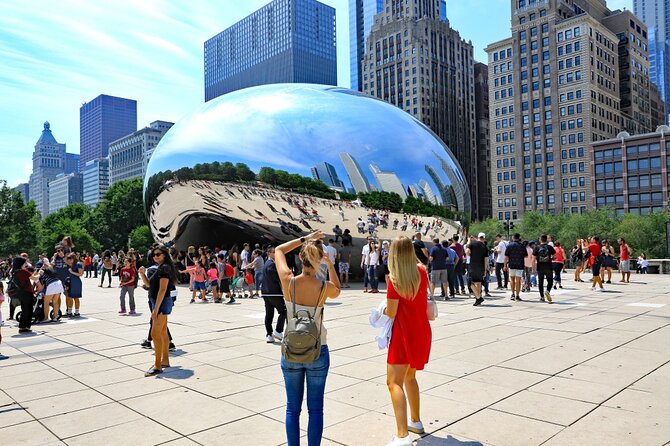
- Cloud Gate, The Bean, as an interactive reflection tool in Millennium Park
- The Chicago Pedway’s weather-protected shortcut network under downtown blocks
- Architecture context at the Chicago Architecture Center along the riverfront
- Tribune Tower’s neo-Gothic details and stone choices from notable landmarks worldwide
- Starbucks Reserve Roastery’s five-story roasting experience on the Magnificent Mile
- A classic ending at Navy Pier with skyline and lake views, plus an optional architecture cruise
Why This Chicago Walk Starts at Cloud Gate
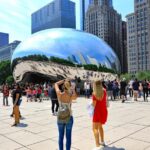
If you’ve ever looked at Chicago photos and wondered what you’re actually standing in front of, this tour fixes that fast. You begin at Millennium Park’s Cloud Gate, the famous polished sculpture that turns the skyline into moving reflections. It’s one of those Chicago moments where the city feels clever, not just tall.
I like that the schedule doesn’t waste time. You get early payoff, then you shift into the city’s texture: public space, river views, and the built details that usually fly past in a quick self-guided stroll.
Group size is capped at 10 travelers, which keeps the pace human and questions from getting swallowed. That matters when you want an explanation for something like why certain buildings look the way they do.
You can also read our reviews of more tours and experiences in Chicago.
Millennium Park: Cloud Gate and the Public-Art “Why”
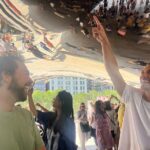
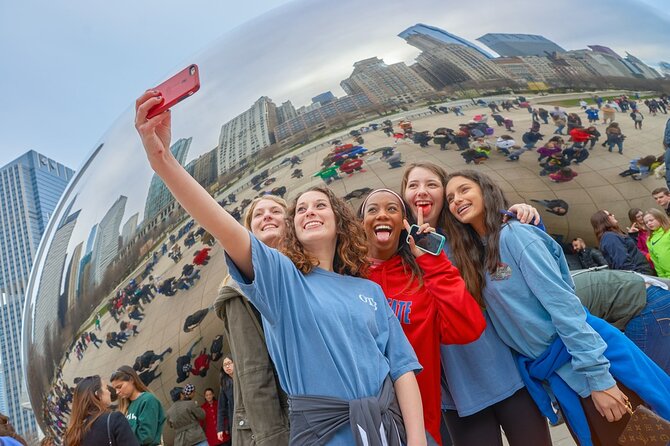
Millennium Park is more than a backdrop for a photo. Cloud Gate sits right in the middle of a designed urban park, where people move through art like it’s part of the daily commute. You’ll likely spend about 15 minutes here, which is plenty of time to circle it, check the reflections, and settle into the mood of the day.
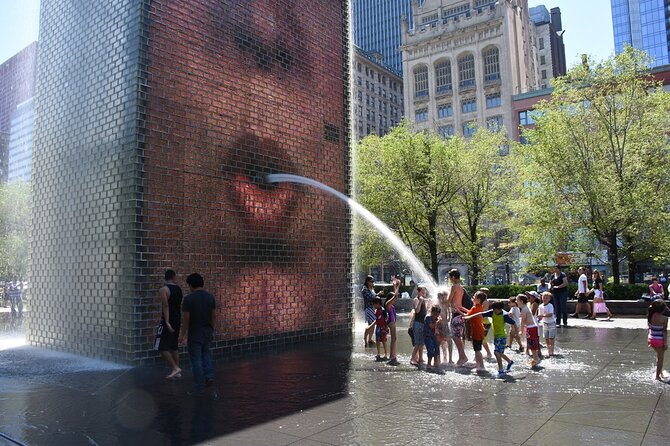
Right after, you’re in the park proper, with the kinds of public-art and performance spaces Chicago does well. The Jay Pritzker Pavilion and the Crown Fountain are part of the atmosphere, even if your main focus is Cloud Gate. This is the kind of place where you can see how Chicago uses civic space to make culture feel normal.
Practical tip: Millennium Park sits in a very walkable zone, so keep an eye on where you’re standing before you move on. It’s easy to start drifting once you’re looking at reflections and people-watch energy.
The Chicago Riverwalk Break: Views That Explain the City
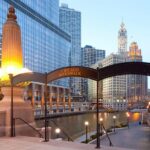
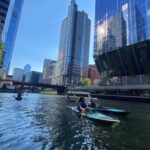
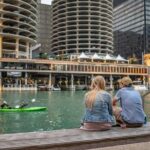
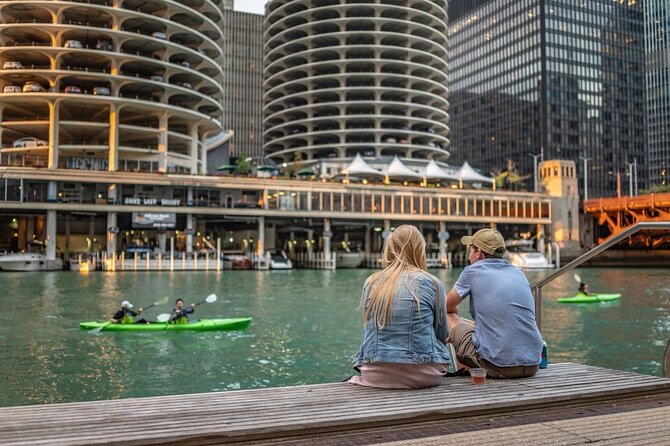
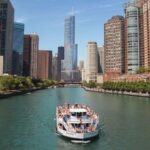
From the park area, you move toward the water, and the mood shifts in a good way. The Chicago Riverwalk and waterfront promenade give you a clean visual context for why architecture is the headline here. You’ll see how the river threads through downtown and how the city celebrates the edges instead of ignoring them.
This part is also helpful if you’re planning an architecture cruise later. A lot of people book those trips and then feel lost when the boat starts naming buildings. Walking a river section first gives you mental labels, so the cruise feels like a continuation, not a separate experience.
Chicago Pedway: Walking Under the City (Literally)
Then comes the Chicago Pedway, and it’s one of my favorite “Chicago-only” elements on the route. You’ll spend around 20 minutes moving through the underground tunnels, sky bridges, and concourses that connect major downtown buildings. The big idea is simple: get around the city without fighting weather, traffic noise, or long street crossings.
The Pedway spans over 40 blocks, linking places like offices, hotels, and transit access. It can feel like a hidden second downtown, with signage and corridors designed for efficiency. For first-timers, this is where you learn how the city functions day to day, not just how it looks in postcards.
Two things to watch:
- Your sense of direction can reset here, so follow the guide’s pace and don’t wander off to “just take one more look.”
- Some sections can feel quieter than street level, so listen for how your guide connects what you’re seeing back to Chicago’s layout.
Chicago Architecture Center on the River: Put Names to the Skyline
Next, you land at the Chicago Architecture Center (CAC) area by the river. Expect about 30 minutes and a strong sense of “learning without boredom.” The CAC focuses on celebrating Chicago’s architectural legacy through exhibits and educational programs, right where the city’s buildings meet the water.
Even without turning this into a museum day, the stop helps you connect shapes and styles to stories. You’ll also hear about the Chicago Fire, which is one of the central turning points in the city’s development. The point isn’t just tragedy; it’s how Chicago rebuilt and what that meant for design choices and building ambition afterward.
Practical note: the CAC stop is marked as free for this tour. That makes it a smart use of time, especially if you’re trying to keep your sightseeing costs under control while still getting context.

DuSable Bridge: A Moving Landmark on Michigan Avenue
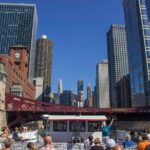
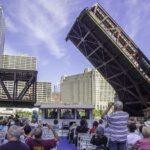
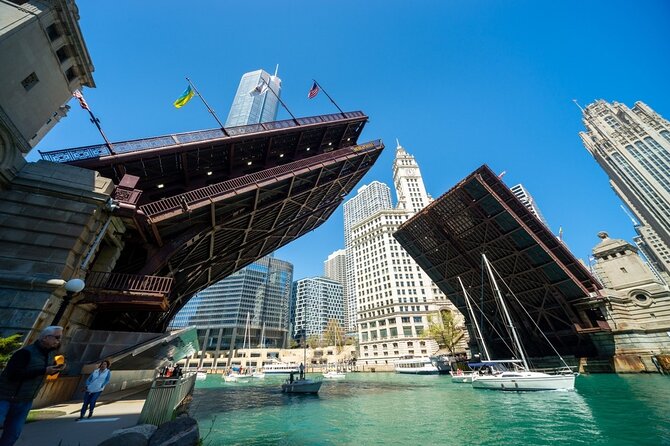
A key street-level transition comes with the DuSable Bridge. This is a moving bridge carrying Michigan Avenue across the main stem of the Chicago River downtown, and it matters historically as well as visually.
You get a chance to look at the city in motion, not just frozen in architecture photos. Bridges are where Chicago’s identity shows up: practical engineering paired with big-city spectacle. This is also a good moment to orient yourself, since the tour keeps moving along the Magnificent Mile zone after this.
If you’re sensitive to wind off the river, plan a layer. Even when the weather’s fine, the river can make it feel cooler near crossings.
Tribune Tower on Michigan Avenue: Gothic Details Worth Stopping For
Now you reach the Tribune Tower, the neo-Gothic landmark on Michigan Avenue completed in 1925. It’s not subtle. Expect ornate features and a facade story that’s unusually specific: the tower incorporates stones from famous landmarks around the world.
Your time here is short, about 10 minutes, so don’t try to read every carved detail like it’s a textbook. Instead, look for the overall style first, then pick one or two elements to focus on. That’s the way to enjoy it in a walking-tour timeline.
Wrigley Building Glimpse: Terra Cotta and Big-Era Branding
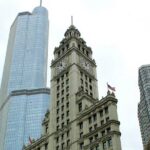
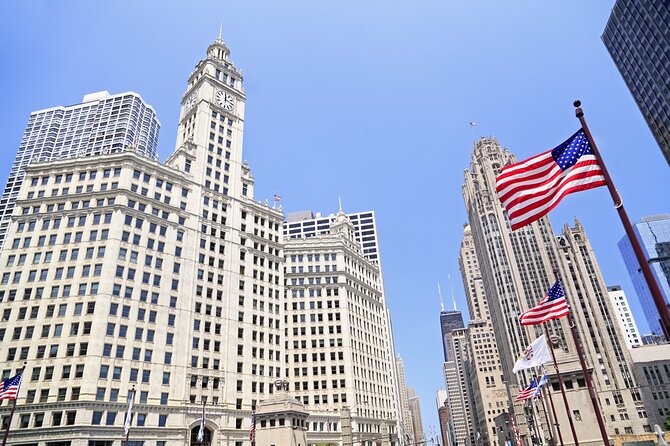
On the Magnificent Mile corridor, you’ll also pass by the Wrigley Building, a standout with its white terra cotta facade and Spanish Colonial Revival feel. It was completed in the 1920s, and it was originally built as headquarters for the Wrigley Company.
This stop is more “see it, notice it, keep moving” than museum-style. But it’s worth paying attention because the building shows how Chicago used architectural style as branding long before social media made it necessary.
InterContinental Chicago Hotel: A Building With a Former Life
The route also passes the InterContinental Chicago Hotel, located on the Magnificent Mile. The building has a layered identity: it was originally built in 1929 as the Medinah Athletic Club, and today it keeps those grand-feeling bones.
The Grand Ballroom and a junior Olympic size swimming pool are part of what makes this stop interesting. Even if you’re not going inside, seeing how past functions shape present space is one of the best ways to understand Chicago architecture without needing a deep engineering background.
If you like “spot the former purpose,” this is a good moment to lean in and watch for those clues.
Starbucks Reserve Roastery: A Coffee Stop That’s Also Design
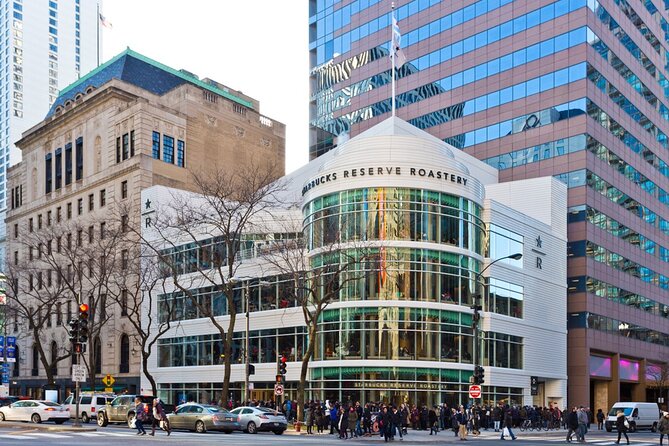
Yes, there’s a Starbucks stop. But it’s not the usual “grab a drink and leave” scenario. The Starbucks Reserve Roastery on the Magnificent Mile spans five stories, opened in 2019, and includes on-site roasting and Reserve-only blends.
Your time here is about 30 minutes, which is long enough to look around and taste something if you want. The tour’s admission for this stop is marked free, but coffee and/or tea are not included in the tour price, so plan on paying separately if you order.
I like this stop because it fits the theme. It’s a modern example of design, product storytelling, and public-facing space, all in one building. If you’re not a coffee person, you can still enjoy it as an architectural and cultural stop.
Navy Pier Finish: Your End Point With Options
The walk ends at Navy Pier, which sits along Lake Michigan and gives you that classic Chicago view energy. You’ll have about 30 minutes here, and the pier is year-round with things like a Ferris wheel, theaters, museums, and seasonal events.
Navy Pier started as far back as 1916, so there’s history in the bones, not just in the skyline background. The finish is convenient because you’re done with the guided walking portion, but you’re still in a place where you can keep exploring.
You’ll also have the option to take an architecture cruise or continue exploring. If you want to extend the day, this is a good spot to do it.
Price and Value: What $64.99 Buys You in the Real World
At $64.99 per person, this isn’t a “cheap and random” walking tour. The value comes from the mix of stops and the fact that many of them are marked free for this experience: Cloud Gate, the Pedway, the Chicago Architecture Center, Tribune Tower, the Starbucks Roastery, and Navy Pier.
Also, all fees and taxes are included, and you get a mobile ticket. That reduces friction, especially when you’re dealing with a schedule that runs close to a full afternoon.
What costs extra is where you should plan ahead:
- Coffee/tea and tour snacks are not included
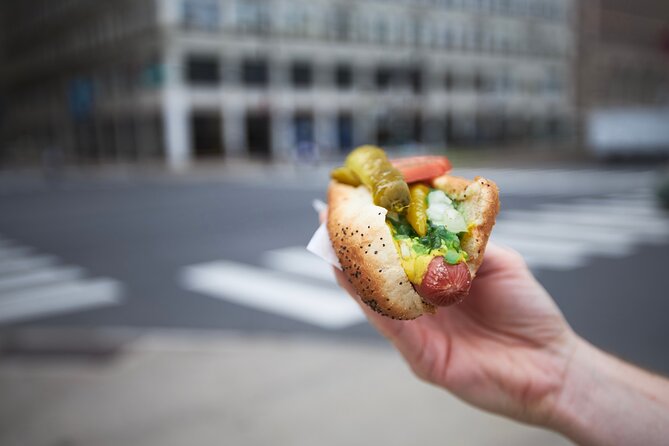
- You may have the chance to enjoy a classic Chicago savory treat for an additional cost
So if you’re trying to keep the trip strictly to the posted price, treat the Starbucks and the savory snack as optional add-ons.
Guide Quality and One Safety Note Worth Taking Seriously
The tour experience can rise or fall with the guide. One guest specifically praised a guide named Andrew for being passionate, kind, and very good at answering questions, including making seniors feel comfortable. That kind of guide energy can turn landmarks into a story you actually remember.
At the same time, I saw a serious negative report about a guide contacting someone and making concerning claims about knowing personal details. If anything about your guide feels off—message behavior, stalking concerns, or boundary issues—pause and tell tour staff right away, and get help from authorities if needed. You’re paying for a fun Chicago day, not a stress test.
Who This Tour Is Best For (and Who Should Skip It)
This walking tour is a strong fit if you:
- Want Chicago’s architecture explained in plain language without needing a full-day museum commitment
- Like a route that mixes major “must-see” stops with local infrastructure like the Pedway
- Enjoy coffee and design and wouldn’t mind a paid drink stop at the Roastery
- Prefer small groups (max 10) where it’s easier to ask questions
It may be less ideal if you:
- Struggle with 2.5 hours of walking and moderate physical activity
- Need frequent stops or have limited mobility, since the day is built around moving between distinct locations
Should You Book This Chicago History and Architecture Walk?
Book it if you want a practical, single afternoon route that touches the big icons (Cloud Gate, Tribune Tower, Navy Pier) and also includes the “how the city works” parts (the Pedway and riverfront context). It’s also a good deal because many stops are free for the tour, so you’re mainly paying for guidance and time.
Don’t book it if you’re extremely weather-sensitive and hate the idea of moving between outdoor areas, or if walking time will be uncomfortable. If you do book, wear shoes you can trust, bring a layer for river wind, and set a small budget for coffee or a savory snack so you’re not surprised mid-day.
FAQ
How long is the Small Group History And Architecture Walking Tour of Chicago?
It runs about 2 hours 30 minutes (approx.).
Where does the tour start and end?
It starts at McCormick Tribune Plaza, 1 N Michigan Ave, Chicago, IL 60602, USA and ends at Navy Pier, 600 E Grand Ave, Chicago, IL 60611, USA.
What does the tour cost, and what’s included?
The price is $64.99 per person, and all fees and taxes are included.
How big is the group?
The tour has a maximum of 10 travelers.
Is the tour physically demanding?
It calls for travelers with a moderate physical fitness level.
What food or drink is not included?
Coffee and/or tea are not included, and coffee and snacks on the tour are not included in the price. There is also an opportunity to enjoy a classic Chicago savory treat for an additional cost.
Is free cancellation available?
Yes. You can cancel up to 24 hours in advance for a full refund. If you cancel less than 24 hours before the experience starts, the amount paid will not be refunded.