REVIEW · SANTA FE
Santa Fe Architectural Walking Tour
Book on Viator →Operated by Heritage Inspirations · Bookable on Viator
Santa Fe’s styles walk right up to you. This 3-hour architectural walking tour is built around what you can spot in real buildings: three local design languages, from Pueblo to Spanish Territorial to Northern New Mexican. I also love the champagne finish at Gruet in the Hotel St. Francis, so your walk ends with something celebratory instead of just photos and fatigue.
Here’s what makes it interesting: you’ll cover more than one “pretty street.” The guide explains how materials, shapes, and details reflect history and community life—plus you’ll pause at a traditional courtyard and at one of Santa Fe’s older hotels. One heads-up: you do have to walk for about three hours on uneven sidewalks, so bring comfortable shoes and plan for sun (sunscreen/hat aren’t included).
In This Review
- Key points at a glance
- Santa Fe architecture on foot: what this tour is really for
- Three styles you can spot: Pueblo, Spanish Territorial, Northern New Mexican
- Pueblo: earth shapes, practical design, and local continuity
- Spanish Territorial: the Spanish imprint with local adjustments
- Northern New Mexican: a regional blend that feels lived-in
- The walk in real life: 3 hours, small group, and street-level surprises
- Stop highlights that make the architecture make sense
- The guide factor: story-led architecture, not just facts
- Ending at Gruet Winery: champagne tasting with a Santa Fe backdrop
- Price and value: what $145 buys you (and what to budget for)
- When this tour is the best fit (and when to skip)
- Book this if you want
- Consider skipping if you
- Should you book Santa Fe Architectural Walking Tour with Heritage Inspirations?
- FAQ
- How long is the Santa Fe Architectural Walking Tour?
- Where does the tour start, and what time does it begin?
- How does the tour end?
- What’s included in the price?
- Is the champagne tasting included?
- Is there an age requirement?
- What should I bring for comfort during the walk?
Key points at a glance
- Small group size (max 8) keeps the pacing calm and your questions from getting lost
- Three architectural styles are explained in plain language you can see immediately
- Courtyard + historic hotel give you contrast between everyday life and tourism-era structures
- Gruet champagne tasting at Hotel St. Francis turns the finish line into a treat
- Bottled water included, which matters in Santa Fe weather
- Real guide variety: Sandy, Mickey, Mary, Ed, Doug, and Daniel show up in reviews with strong storytelling
Santa Fe architecture on foot: what this tour is really for
This tour is for people who like to look harder than they normally would. You’re not just checking boxes like adobe = old. Instead, you learn how different waves of influence shaped building choices—then you walk right past those choices so they actually stick.
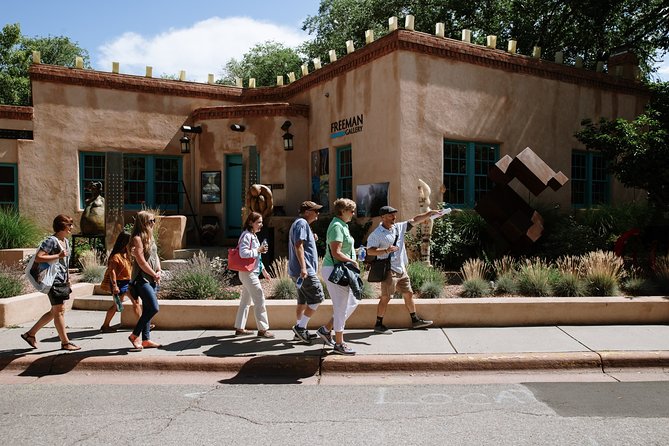
The small group is a big deal. With a maximum of 8 people, the guide can slow down at the exact spots that need explanation, and you can ask why something looks the way it does without feeling rushed. If you’ve visited Santa Fe before, this tour can still work, because it trains your eye on details you might’ve walked by on autopilot.
Three styles you can spot: Pueblo, Spanish Territorial, Northern New Mexican
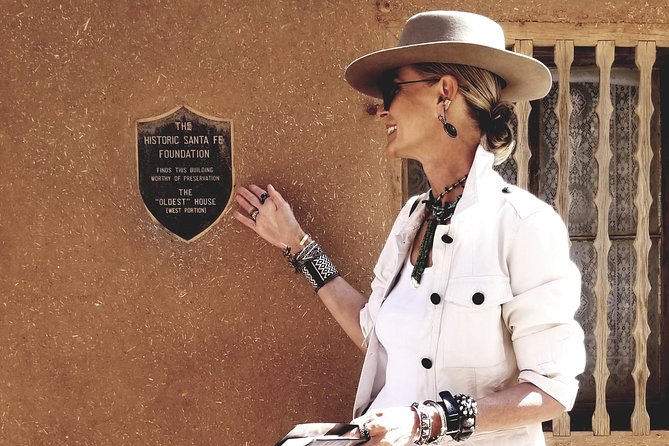
The tour focuses on three distinct Santa Fe architectural styles, and that structure is what makes it easier to learn. Rather than a random list of buildings, you get a framework for what you’re seeing.
Pueblo: earth shapes, practical design, and local continuity
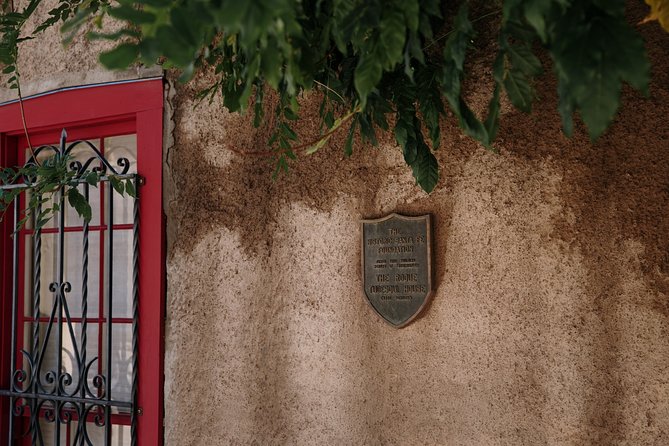
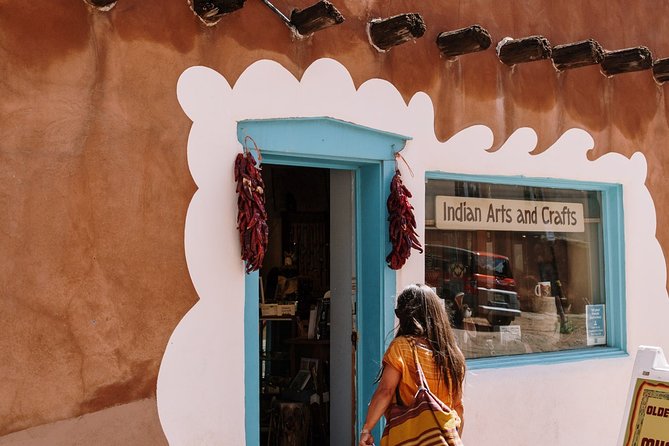
Pueblo-style architecture is often the first thing people think of in New Mexico, but the tour approach helps you see it as a living design system—not just a look. You’ll be guided toward the cues that point to how buildings were designed for the climate and daily life: the feel of solid walls, the sense of layered surfaces, and the overall “grounded” character.
Spanish Territorial: the Spanish imprint with local adjustments
Spanish Territorial style is where you start noticing how European influence traveled and then got adapted. Expect the tour to point out the building features that signal Spanish influence—then connect them back to Santa Fe’s local materials and realities. This is the moment where the architecture starts feeling less like an art form and more like a historical record.
Northern New Mexican: a regional blend that feels lived-in
Northern New Mexican style sits in that sweet spot where you can sense the blend of influences without everything becoming generic. The guide’s job is to translate the visual language into understandable differences, so you don’t have to memorize terms to enjoy what you’re seeing.
If you’re the kind of person who likes “aha” moments—oh, that’s why that window looks like that—this is built for you.
The walk in real life: 3 hours, small group, and street-level surprises
This is an on-foot tour, about 3 hours in length, and it runs with a moderate physical fitness level requirement. You’ll want to treat it like a walk day, not a stroll where you stop whenever you feel like it.
One review note that’s worth taking seriously: Santa Fe sidewalks can be uneven. That doesn’t mean it’s impossible, but it does mean you should wear shoes with grip and support. If you’re sensitive to rough pavement or steep little changes, this is where you’ll feel it.
The tour also starts at 9:30 am, which is smart for lighting and temperature. Morning is when details on stucco, wood, and stone look their best. Still, bring sun protection—sunscreen and a hat aren’t included—because Santa Fe sun can turn your “quick photo stop” into a sweat situation.
Stop highlights that make the architecture make sense
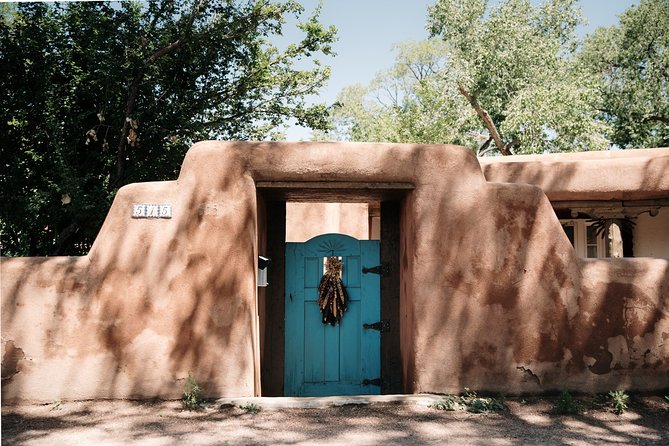
The tour includes a traditional courtyard and one of Santa Fe’s oldest hotels, and those two stops are more than scenery. They give you a contrast: an intimate, functional space for everyday movement and privacy, followed by a more public, historic structure with its own set of design signals.
Courtyard time is where architecture becomes lifestyle. In a city like Santa Fe, courtyards aren’t just decorative—they shape how people gather, where light falls, and how buildings relate to each other. When the guide points out the design logic, you start understanding why buildings are arranged the way they are.
Then you land at a historic hotel, which adds another layer: you’re seeing how Santa Fe packaged itself for visitors and how architecture supported that role. In other words, you’re not only learning what buildings were; you’re learning how they were used.
The guide factor: story-led architecture, not just facts
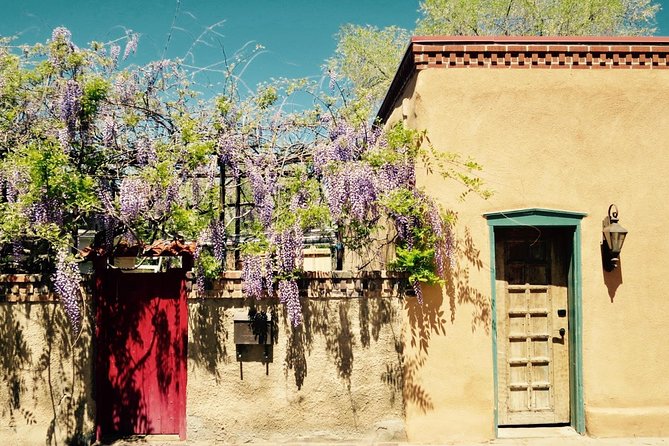
This tour’s biggest strength shows up again and again in the reviews: the guides make architecture feel human. The tone isn’t dry. People like Sandy, Mickey, Mary, Ed, Doug, and Daniel are mentioned for turning design into story—how a place formed, how culture shaped building choices, and how details connect to the past.
A couple of practical patterns from those experiences stand out:
- The best guides don’t just lecture. They answer questions and adjust as the group asks for more detail.
- Some guides also tailor the route to what you care about, so you’re less likely to get stuck in a generic script.
- There’s also mention of guides staying available for questions even after the tour ends, which is a nice perk if you want recs for your next step.
If you want to get the most out of the tour, do this: ask one good question early. Something like, What am I supposed to notice first on this style? Then you’ll start seeing it everywhere.
Ending at Gruet Winery: champagne tasting with a Santa Fe backdrop
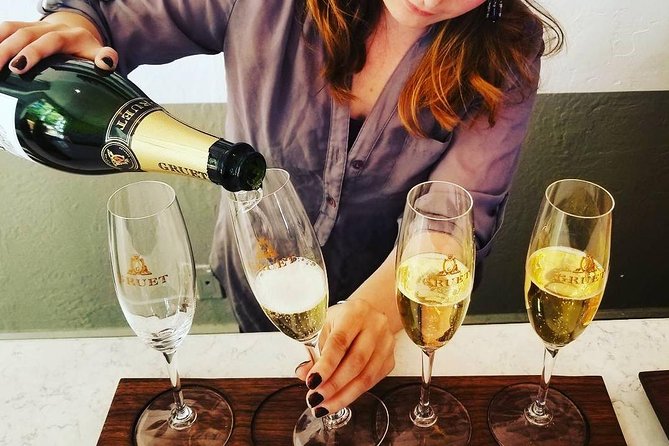
Your walk ends at the Gruet Winery Santa Fe Tasting Room inside Hotel St. Francis, located at 210 Don Gaspar Ave. The tasting time is about 30 minutes, and the tour includes the tasting as well as alcoholic beverages.
This is a very “Santa Fe” kind of finish. You go from architectural details—textures, forms, and history—to a quiet indoor tasting space where you can reset. It’s also convenient: you don’t have to hunt down a place after the walking is done.
That said, one consideration comes from a review: if it’s hot, a wine tasting stop can feel less fun than you hoped. If you’re sensitive to heat, plan for it—sip slowly, pace yourself, and consider whether you’d rather coordinate the tasting for later in the day. The tour is positioned as a signature finish, but you’re not locked into the idea that you must power through.
Price and value: what $145 buys you (and what to budget for)
The price is $145 per person, and you get more than “a guide standing around.” Included items matter here:
- local guide
- Gruet tasting
- bottled water
- all taxes, fees, and handling charges
- alcoholic beverages
That inclusion changes the math. Many walking tours sell the history part and then make you pay extra for the fun finish. Here, the tasting is baked in, so the whole experience has a clearer value path from start to finish.
What’s not included is also worth knowing. You’ll need to budget for lunch on your own, and you may want to plan a small tip for both the guide and the tasting staff (gratuities are appreciated). Sunscreen and a hat are also not included, so grab them before you start if you’re arriving sun-baked.
If you’re comparing this to museum-type experiences, think of it like this: you’re paying for expert interpretation while you move through the city. The reward is immediate—your eyes learn as you walk.
When this tour is the best fit (and when to skip)
Book this if you want
- a focused way to learn Santa Fe architecture styles
- a guide who turns details into stories you can remember
- a morning plan that ends with a drink and a real finish line
- a small group experience (max 8) where you can actually ask questions
Consider skipping if you
- don’t want to walk for about three hours
- have strong mobility concerns with uneven sidewalks
- hate the idea of a wine or champagne tasting finish (the tasting is central to the experience, even if timing flexibility may be possible)
Should you book Santa Fe Architectural Walking Tour with Heritage Inspirations?
If you like understanding places instead of just photographing them, book it. This tour has a strong “eye-training” approach: it teaches you what to notice in Pueblo, Spanish Territorial, and Northern New Mexican architecture, then shows you those cues in real settings like a courtyard and a historic hotel. The champagne tasting at Gruet inside Hotel St. Francis is also a smart way to end without scrambling afterward.
One last practical nudge: wear supportive shoes, bring sun protection, and arrive ready to walk. Do that, and you’ll leave Santa Fe with more than memories—you’ll have a way to keep reading the city long after the tasting is finished.
FAQ
How long is the Santa Fe Architectural Walking Tour?
It runs for about 3 hours.
Where does the tour start, and what time does it begin?
It starts at 211 Old Santa Fe Trail, Santa Fe, NM 87501, with a start time of 9:30 am.
How does the tour end?
The tour ends at the Gruet Winery Santa Fe Tasting Room at Hotel St. Francis, 210 Don Gaspar Ave, Santa Fe, NM 87501.
What’s included in the price?
The tour includes a local guide, Gruet tasting, bottled water, all taxes/fees/handling charges, and alcoholic beverages.
Is the champagne tasting included?
Yes. The tour finishes with a Gruet champagne tasting at the tasting room in Hotel St. Francis.
Is there an age requirement?
Yes. The minimum age is 21.
What should I bring for comfort during the walk?
Wear comfortable walking shoes. Sunscreen and a hat for sun protection are not included, so plan to bring them if you need them.