REVIEW · CHARLESTON
Charleston Architectural Walking Tour
Book on Viator →Operated by See Charleston Tours · Bookable on Viator
Charleston stone has stories in every corner. This architectural walking tour is built around St. Michael’s Church and the long, view-heavy stretch of the Battery & White Point Gardens, with a guide who keeps things clear and question-friendly. I like that the pace stays human, and the tour hits both sacred history and the grand house fronts that make Charleston feel different.
My favorite part is how the stops feel connected: you’re not just looking at buildings, you’re getting the why behind their look—design choices, preservation, and what’s still active today. One thing to consider is that it runs on good weather, so if it’s a rough day outside, your plan may shift.
In This Review
- Key highlights you’ll feel fast
- A Charleston architecture walk that stays human (and not stuffy)
- Where you meet and how the route flows
- Stop 1: St. Michael’s Church and what the design says
- Stop 2: White Point Gardens and the South Battery architecture
- Stop 3: Nathaniel Russell House and the meaning of preservation
- Stop 4: French Huguenot Church, still active since 1845
- Stop 5: Battery & White Point Gardens seawall views and mansion fronts
- The guide’s Q&A style is a real part of the value
- Price and value: $50 for two hours that actually covers the essentials
- Who this walking tour is best for
- Quick tips before you go
- Should you book the Charleston Architectural Walking Tour?
- FAQ
- What is the price of the Charleston Architectural Walking Tour?
- How long is the tour?
- Where does the tour start and end?
- What time does the tour begin?
- Is the tour offered in English?
- How large is the group?
- Is admission included at the stops?
- Is there a cancellation policy?
Key highlights you’ll feel fast
- Small group size (max 10) keeps the conversation going and makes questions easy.
- Free admission at every stop helps you get more value for your $50.
- St. Michael’s Church graveyard details add depth beyond the façade.
- Battery + White Point Gardens views are the tour’s main payoff for photo time and sea-air vibes.
- French Huguenot Church (built 1845) brings a living, faith-based story into the mix.
A Charleston architecture walk that stays human (and not stuffy)
Charleston’s architecture can feel like one long postcard—pretty, yes, but also easy to skim. What I like about this tour format is that it slows you down just enough to notice design patterns and preservation choices you’d normally miss while rushing from one landmark to the next.
You’ll be moving on foot through the historic core, starting near Vendue Range at 9:30 am. With a maximum of 10 people, you’re not fighting for attention, and the guide can actually track your questions and bring you back to the point without turning it into a lecture you can’t steer.
Also, the tour is English-language and uses a mobile ticket, which is handy when you’re bouncing between stops and don’t want extra paperwork.
You can also read our reviews of more tours and experiences in Charleston.

Where you meet and how the route flows
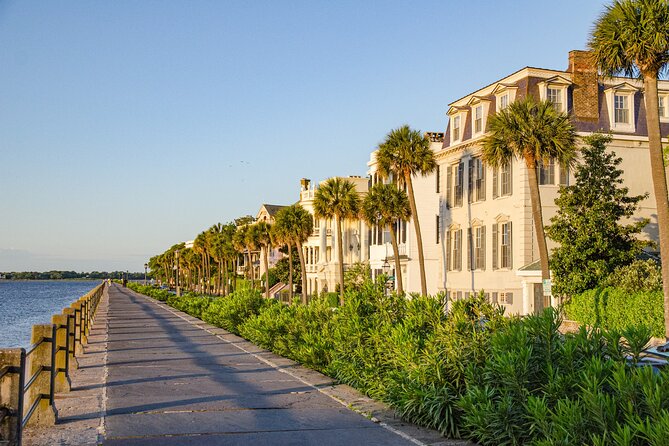
The tour starts at 18 Vendue Range, Charleston, SC 29401. It ends around the intersection area of Broad Street & Meeting Street, with the tour finishing at Four Corners of Law. That matters because it helps you plan what comes next—think brunch, coffee, or another walk without backtracking.
The timing is built for a 2-hour (approx.) experience. Each stop is brief, but you’re also walking between them, so the day doesn’t feel like one endless block of standing still. The structure works well if you want architecture context without spending your whole morning indoors or in long queues.
One practical note: the tour requires good weather. If Charleston throws rain or bad conditions, you may be offered another date or a full refund—so it’s smart to keep an eye on the forecast.
Stop 1: St. Michael’s Church and what the design says
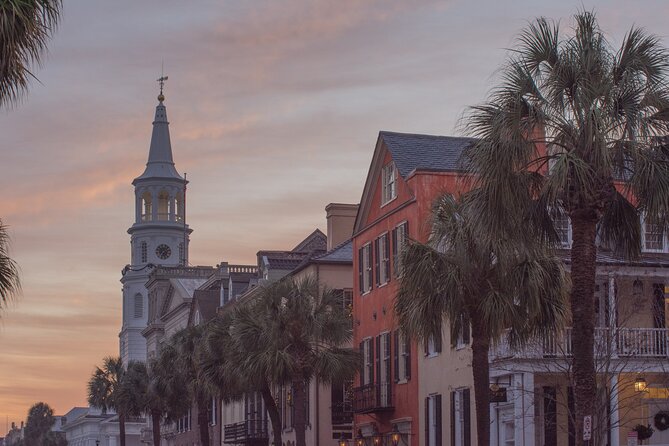
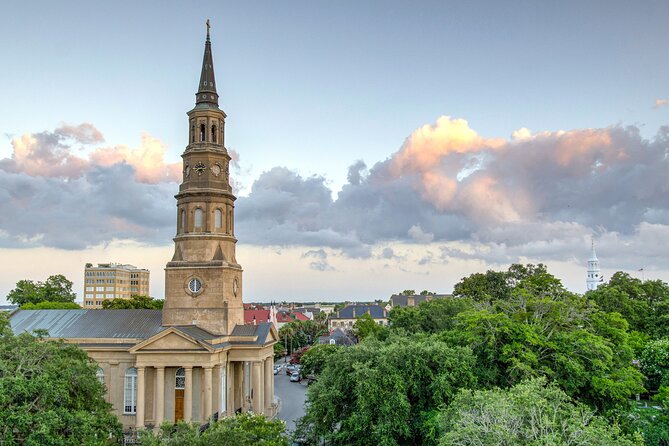
You’ll begin at St. Michael’s Church, where the focus is on history and the influence of St. Michael’s design—plus the quirks you’d miss if you only glance at the exterior. The graveyard is part of the story too, and it’s where a lot of the emotional weight of Charleston’s past tends to land.
What I like about starting here is that it sets a tone. Churches like this aren’t just pretty buildings; they’re anchors for community memory. Even in a short stop, you’re guided toward the idea that the church’s appearance and layout aren’t random. They reflect choices made over time by people who expected the structure to last.
The time window is about 10 minutes, so you’ll want to come in ready to observe fast. If you like asking questions, this stop is a good one to do it at, since there’s plenty to talk about—design details, why certain features matter, and how the graveyard connects to the living history.
Stop 2: White Point Gardens and the South Battery architecture
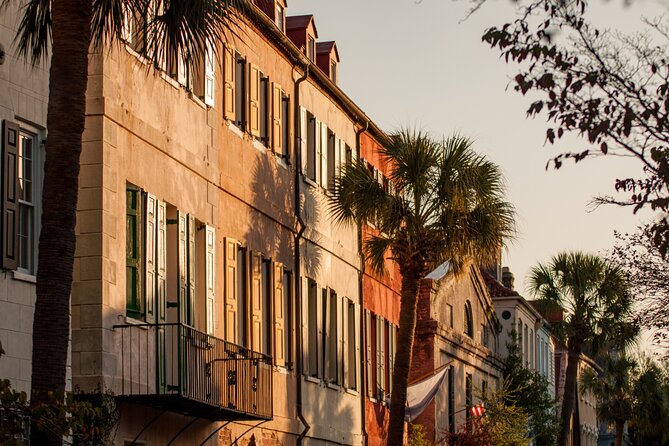
Next, you’ll walk through White Point Gardens and talk about the architecture along South Battery. This is where the tour shifts from church-focused symbolism to the long, elegant rhythm of Charleston’s residential historic streetscape.
In practical terms, this stop is valuable because it trains your eye. You start noticing how homes relate to the street, how the coastline shapes what gets built and where, and how Charleston’s style keeps repeating in variations—columns, balconies, and the general sense of formality that feels very intentional.
You’ll get around 15 minutes here. That’s not long enough to stare at one mansion for ten photos, but it’s long enough to understand what you’re looking at and why it’s considered iconic. And because White Point Gardens is open and outdoors, it’s a great spot to reset your legs after the first stop.
Stop 3: Nathaniel Russell House and the meaning of preservation
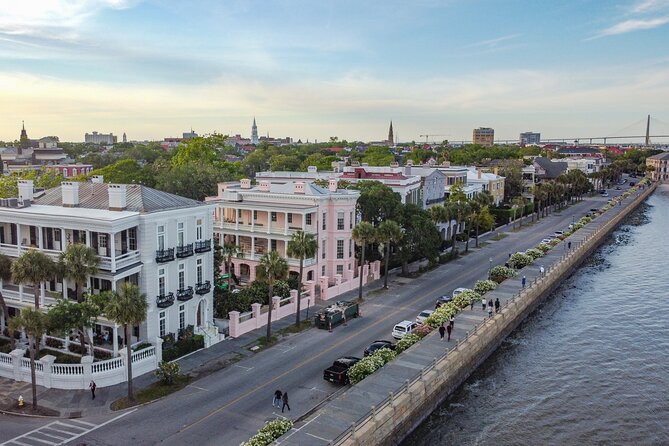
After that, you’ll reach the Nathaniel Russell House. This stop is shorter, about 5 minutes, but it’s designed to give you the key context: the house’s architecture, how it’s been preserved, and the distinct features that make it unique.
I appreciate quick stops like this when the guide uses them well. A five-minute moment can still be meaningful if you understand what makes the building special and what preservation is trying to protect. You’re not just looking at an attractive façade—you’re learning how survival of the original character is part of the experience.
If you’re the kind of person who likes to point and say, That one detail—what is that?—this is a good stop to practice. The guide can point out themes fast, so you leave with a mental checklist you can use later when you see similar styles around town.
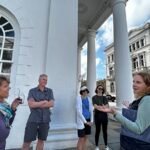

Stop 4: French Huguenot Church, still active since 1845
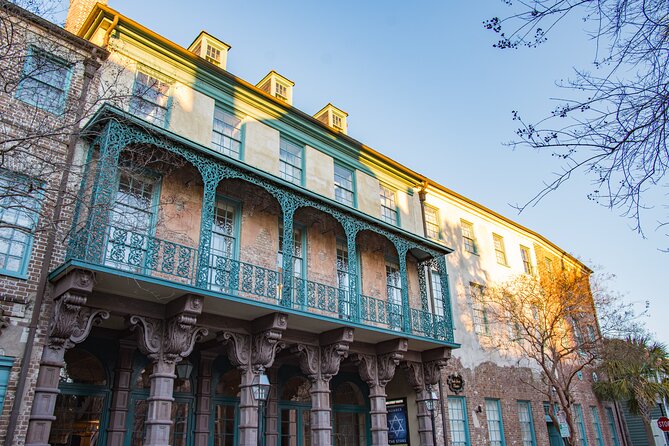
Then you’ll visit the French Huguenot Church, described as the last active French Huguenot church in the US, built in 1845. This stop gets about 8 minutes, but the significance is huge: you’re not only seeing history, you’re seeing something that still has a role in real life.
What makes this stop worthwhile is the contrast. After earlier stops centered on design influence, garden views, and preservation, this church pulls the story toward continuity. It’s an anchor that connects Charleston to French Huguenot heritage and to the idea that architecture can serve present needs, not only past memory.
Because the church is still active, it’s also a good moment to keep your tone respectful and your attention focused. Quick tours can sometimes feel rushed. Here, the building’s continued life makes the time feel more serious, even if you’re moving at walking-tour pace.
Stop 5: Battery & White Point Gardens seawall views and mansion fronts
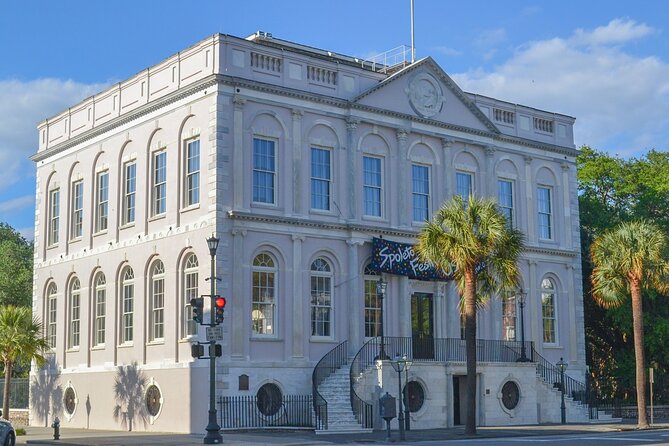
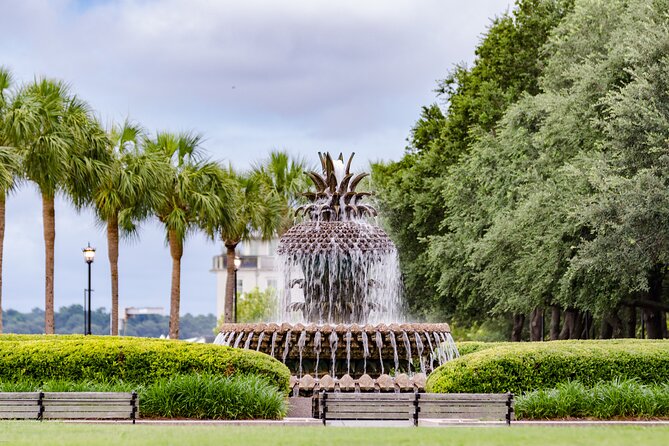
You’ll circle back to the Battery & White Point Gardens for the tour’s biggest view block—about 20 minutes focused on the seawall and the mansions along it. This is the part where Charleston’s “postcard factor” stops being a gimmick and becomes a real reason to come.
The seawall gives you a clear sense of the town’s relationship with the water. And the mansions along the Battery offer a concentrated dose of the architectural language you’ve been learning to spot: proportions, formality, and the kind of layout that makes a statement from the street.
I also like that this section is later in the tour. By then, you’re primed to notice details instead of just admiring the overall look. You’ve already talked about design influence and preservation, so you can connect those ideas to what you’re seeing at full scale.
If you want the best photos, plan to pause without turning it into a personal photoshoot marathon. Spend a minute getting your framing, then spend the next minute actually watching how the buildings line up and how the water and seawall frame the scene.
The guide’s Q&A style is a real part of the value
One of the strongest signals from the experience is how the guide handles questions. The feedback highlights a guide who is friendly, keeps things interesting, and can return to the topic even when questions keep coming.
That matters more than people think. In many walking tours, once you ask something, the thread gets lost. Here, the guide seems good at steering you back—so you get both planned info and the extra context you personally want.
With a small group of up to 10, this also helps you customize the tour without derailing it. If you care about church design, you can spend more attention there. If you’re a streetscape person, you’ll get more use out of the Battery segments. Either way, you leave with a better understanding than you’d get from a quick self-walk with a map.
Price and value: $50 for two hours that actually covers the essentials
At $50 per person, this is priced like a “smart add-on” rather than a full-day commitment. The value comes from a few concrete things: it runs about 2 hours, it keeps group size small, and admission is free at the stops listed.
Free admission can be a big deal in Charleston, where some landmark access can add up. Here, you’re paying for guided interpretation and time on foot, not for entry fees layered on top. That helps your money go toward the experience quality—like clarity of explanation and the chance to ask questions.
Also, this tour is booked in advance—on average about 18 days. That’s a sign it fills up. If you’re traveling during peak season, booking earlier is the simple way to avoid missing your preferred time.
Who this walking tour is best for
This is a good pick if you want:
- Architecture and design context without needing a deep technical background
- A morning-friendly, short commitment that still feels complete
- A walk that balances church history with the Battery’s iconic street views
It also fits well if you’re traveling with service animals, since service animals are allowed. And because it’s near public transportation and most travelers can participate, it’s generally approachable for a wide range of people.
If you’re hoping for long stops inside museums or detailed building interiors, this may feel short on time. But if you want strong orientation—how to see Charleston like a design-minded person—this kind of route makes sense.
Quick tips before you go
You’re outdoors for most of this tour, and it depends on good weather, so dress with that in mind. Bring a light layer you can manage, and wear shoes that handle sidewalks comfortably.
Since the tour starts at 9:30 am, it’s smart to arrive a little early at Vendue Range so you can get oriented without rushing. And because the tour ends near Broad Street & Meeting Street, plan to keep your schedule flexible after the finish—Charleston is best when you can continue wandering immediately.
Should you book the Charleston Architectural Walking Tour?
Yes, if you want a compact Charleston experience with real interpretation. For $50, you get a small-group walk that focuses on design and preservation—then caps it with the Battery’s seawall and mansion views. The biggest reason to book is the way the guide supports questions and keeps the information on track, so you don’t feel stuck with one-way storytelling.
Skip it only if you need long stops, lots of indoor time, or a tour that’s focused on very specific architectural jargon. This one is built for clarity, context, and great outdoor seeing.
FAQ
What is the price of the Charleston Architectural Walking Tour?
The tour costs $50.00 per person.
How long is the tour?
It lasts about 2 hours (approx.).
Where does the tour start and end?
It starts at 18 Vendue Range, Charleston, SC 29401, and ends at Broad Street & Meeting Street (Four Corners of Law area).
What time does the tour begin?
The start time is 9:30 am.
Is the tour offered in English?
Yes, it is offered in English.
How large is the group?
The tour has a maximum of 10 travelers.
Is admission included at the stops?
The stops listed show admission as Free, so you won’t be paying separate admission fees for those sites.
Is there a cancellation policy?
Cancellation is free. You can cancel up to 24 hours in advance for a full refund, and poor weather can lead to a different date or a full refund.