REVIEW · VIENNA
Private Klimt & Vienna Art Walk — From Baroque to Secession
Book on Viator →Operated by SCHINDL Local Services & Day Tours · Bookable on Viator
Vienna’s styles talk to each other on foot. This private 4-hour walk connects Belvedere Baroque drama with Secession Art Nouveau rebellion, so you see how Vienna’s look changed around 1900. I especially like the skip-the-line help for major stops and the way the guide turns Klimt into a story, not just a name.
One thing to consider: it’s a walking-heavy route, and admissions for the specific sites are not included, so you still need tickets for places like Upper Belvedere and the Secession.
In This Review
- Key Highlights Worth Planning For
- Why This Vienna Art Walk Works (Baroque to Secession in One Route)
- Pickup and the First “Time Saver” Moment You’ll Actually Feel
- Belvedere Palace Gardens: Where Baroque Gets Visual Tricks
- What you’ll like here
- What to watch for
- Upper Belvedere vs. Tickets You Still Need
- How the Walk Through Lower Belvedere Turns Gardens Into Storytelling
- Garden pace tip
- Schwarzenbergplatz and the Vienna Boom-Era Mix
- Practical note
- A 1700s Baroque Church Moment Built to Impress
- Otto Wagner at Karlsplatz: Art Nouveau’s Glory, Right by the Metro
- Wiener Musikverein: Passing the Golden Hall Without Waiting in a Queue
- Why this stop is useful
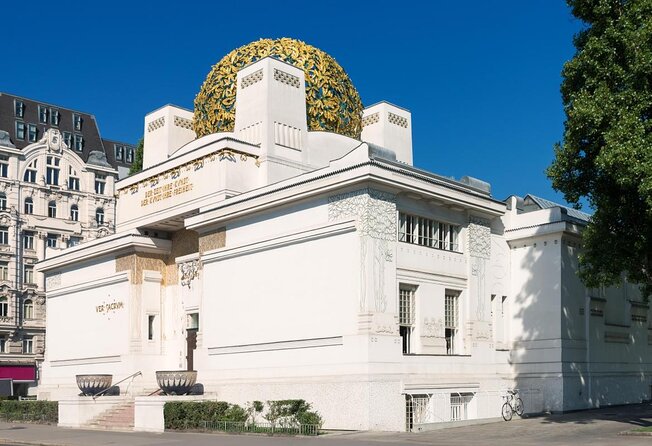
- Secession Building: A Rebel Manifesto You Can Walk Right Up To
- What you’ll likely love
- What to plan around
- Naschmarkt: A Practical Break for Lunch or a Late Snack
- Guided Stories Can Be a Plus or a Risk
- My practical advice
- Who This Tour Suits Best
- Price and Value: $372.47 Per Group for a Private, High-Impact Route
- Should You Book This Private Klimt and Vienna Art Walk?
- FAQ
- Are admissions included in the tour price?
- Is this tour private?
- Do you get pickup in Vienna?
- What time does the tour run?
- What language is the tour guide?
- Is public transportation included?
Key Highlights Worth Planning For
- Skip-the-line assistance helps you get into the big sites faster
- Baroque gardens at Belvedere make Klimt’s Kiss easier to place in context
- Secession Building is treated like an art manifesto, not a quick photo stop
- Otto Wagner and 1900 Vienna moments get explained in plain language
- Naschmarkt timing gives you a practical lunch/snack break on the route
- Private group up to 8 means you can move at a pace that fits your crew
Why This Vienna Art Walk Works (Baroque to Secession in One Route)
If Vienna feels like a museum you can walk through, this tour is designed for that exact payoff. The big idea is simple: instead of bouncing between unrelated attractions, you move through a chain of places that show Vienna’s shift from grand Baroque spectacle to the sharper, modern language of Art Nouveau.
This matters because Klimt makes much more sense when you understand what came before. Baroque architecture and garden design trained your eye for drama, symmetry, and theatrical effects. Then Art Nouveau arrives with flatter surfaces, bolder shapes, and a new attitude toward artists and institutions. You get the transition feeling in real space, not just in captions.
You also get a format that’s practical for real travel days: private group size (up to 8), pick-up options, and two start times (09:30 and 14:00). That flexibility helps if you’re juggling jet lag, meals, or museum hours.
You can also read our reviews of more tours and experiences in Vienna.
Pickup and the First “Time Saver” Moment You’ll Actually Feel
The tour includes pick-up from hotels and vacation rentals in town, plus the Reichsbrücke pier and major rail stations like Vienna Hbf and Vienna West. That’s not a small perk in Vienna, where timing matters and where transfers can eat up your energy.
Once you’re with the guide, the biggest practical win is the skip-the-line component. Even when tickets aren’t included for every stop, this kind of entry help often reduces the most frustrating part of museum days: standing still while everyone else streams in.
Two more practical notes: the tour uses mobile tickets, and it’s offered in English with a licensed Austria Guide.
Belvedere Palace Gardens: Where Baroque Gets Visual Tricks
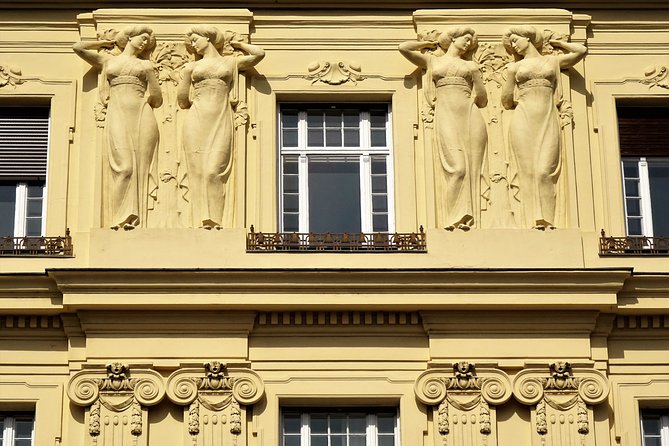
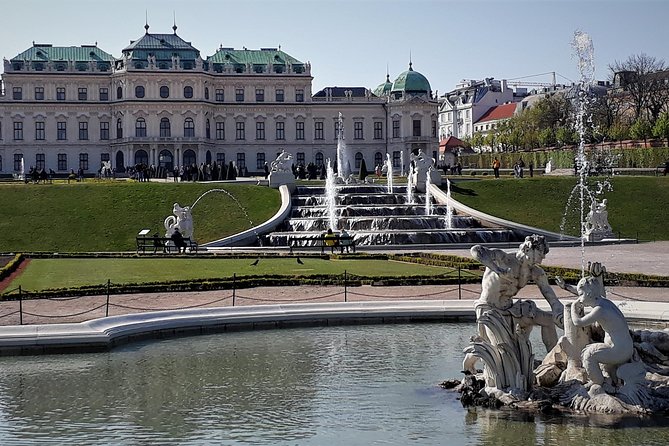
Your first major stop is the Belvedere Museum area, famous for its wrought-iron gates and its ability to turn walking into a staged experience. Even before you step fully into the palace complex, the gardens set the tone. They’re not just pretty landscaping. They’re built to play with perspective and movement, so the experience changes as you go.
At Belvedere, you’re going for the “Klimt’s Kiss” moment, but the way this stop is framed helps you appreciate it more. You’re guided through what makes the palace and gardens so effective, then you move toward the part of the complex where the work sits.
What you’ll like here
- Belvedere’s garden design gives you a quick education in Baroque visual thinking
- The guide explains how the palace relates to power and prestige, including comparisons in scale and style
What to watch for
- The tour does not include admissions for the specific museum portions (Upper Belvedere is mentioned as not included). So think of this stop as “guided access and interpretation,” not “everything is paid for.”
You’ll also have around 40 minutes here, which is enough time to take in the setting without turning the day into a speedrun.
Upper Belvedere vs. Tickets You Still Need
This is the part I want you to plan for clearly. The tour highlights on-the-spot access to Klimt’s most famous painting, but the tickets are not included. That means you should budget for admissions separately.
This distinction changes your day. If you’re the type who wants zero ticket stress, bring extra attention to what you’re buying and when. If you’re comfortable handling entry on your own (and just want the guide to help you avoid the worst queue problems), you’ll probably feel this as good value.
Also, because the guide is handling routing and timing, you’re less likely to lose time hunting for the right entrance. That practical guidance is part of what you’re paying for.
How the Walk Through Lower Belvedere Turns Gardens Into Storytelling
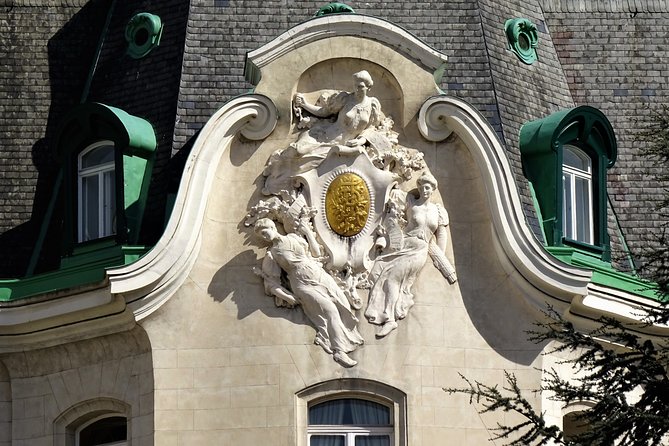
After the initial garden palace atmosphere, the tour shifts down into the Lower Belvedere area. This is where you get the “wait, that was the point” feeling about the gardens. The guide helps you decipher the gardens at multiple levels, including how the design can create visual tricks.
This matters for Klimt because he worked in an era that loved symbolism and staged meaning. When you can literally see how Vienna used space to guide emotions and perceptions, Klimt stops feeling like an isolated genius moment. He reads as part of a broader artistic culture that understood how art could direct attention.
Garden pace tip
Wear comfortable shoes. You’ll be moving, not just standing. The tour is rated for moderate physical fitness, and that’s exactly the right category: you don’t need to be an athlete, but you do need to be okay with steady walking.
Schwarzenbergplatz and the Vienna Boom-Era Mix
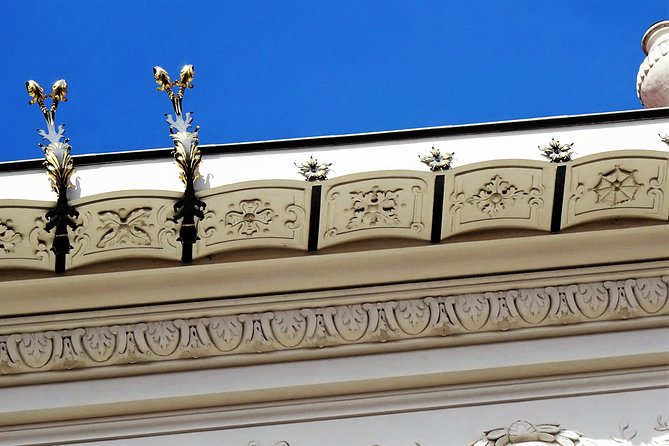
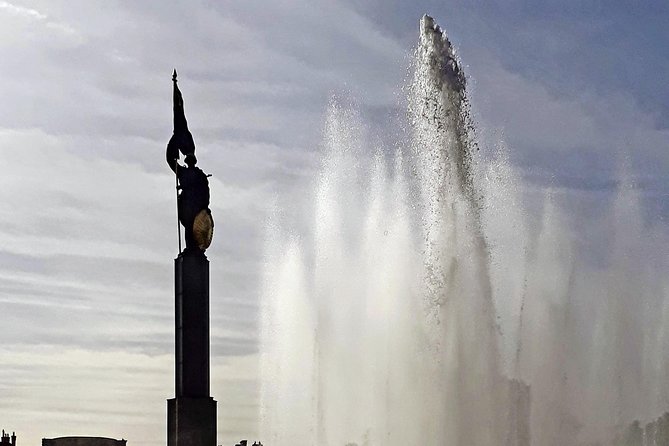
From the Belvedere area, you move toward Schwarzenbergplatz. Here the setting changes: you see a mix of buildings tied to Vienna’s growth period around the end of the 1800s, plus the Soviet Memorial presence that marks later history layers in the city.
For me, this stop is valuable because it reminds you that Vienna isn’t only “one beautiful era.” Even the most elegant sightseeing route keeps brushing up against modern memory.
Practical note
This is an outdoor moment in the route, so weather matters. If it’s rainy or windy, plan on using your jacket and slowing your pace slightly.
A 1700s Baroque Church Moment Built to Impress
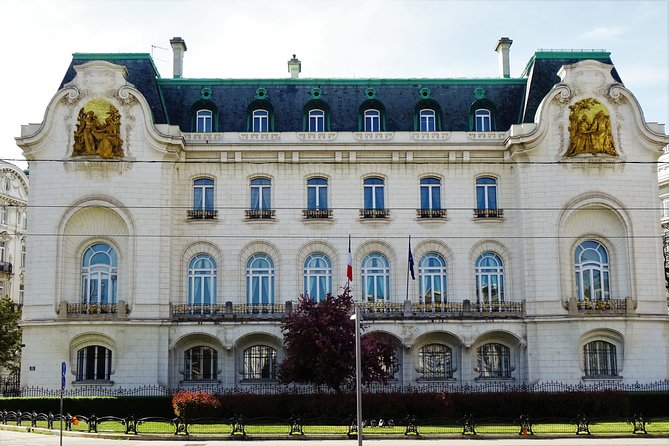
Next comes a church designed to make an impact from a distance—classic Baroque staging. If you’ve ever wondered why Baroque buildings can feel dramatic even when you’re just seeing the exterior, this is one of those “look from far, then look closer” spots.
The tour’s approach is helpful here: you’re not only seeing a church. You’re understanding why Baroque liked to control perspective and show power through architecture.
If you’re short on time in Vienna, these “built to impress” points help you cover more meaning with less wandering.
Otto Wagner at Karlsplatz: Art Nouveau’s Glory, Right by the Metro
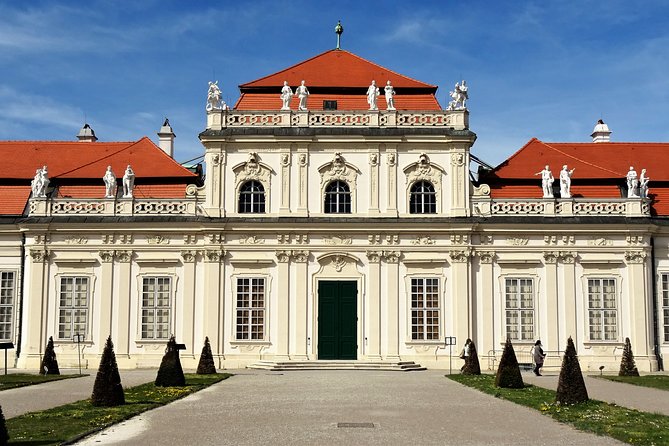
Then you hit a different kind of Vienna star: the Otto Wagner metro-station area at Karlsplatz, described as a moment of glory around the turn of the 1900s. This is a key pivot point for the tour theme.
Art Nouveau isn’t only about paintings. It’s about design in daily life—materials, lines, structure, and the feeling that modernity deserves beauty.
This is one reason I like this route: it treats Art Nouveau as a citywide way of thinking, not just a museum style.
Wiener Musikverein: Passing the Golden Hall Without Waiting in a Queue
The Wiener Musikverein is next, home of the Vienna Philharmonic. You’ll hear the name, then you’ll see what makes the “Great/Golden Hall” (Großer Saal) so famous for acoustics and reputation.
You’re not there to sit through a concert in this tour format, but you still get the idea: Vienna’s art world isn’t only visual. Music has its own architecture of excellence, and the city takes it seriously.
Why this stop is useful
Even if you don’t attend a performance, knowing what makes this venue special helps you connect Vienna’s artistic ambition across disciplines.
Secession Building: A Rebel Manifesto You Can Walk Right Up To
Now for the star of the Art Nouveau half: the Secession Building (Secessionsgebaude). This structure is presented as an architectural manifesto—built by rebel artists who broke away from an established fine arts institution.
That context is crucial. It turns the building from “cool façade” into an idea you can understand: institutions that once controlled art were being challenged, and artists wanted new rules and new visual language.
Klimt’s Beethoven Frieze is tied to this story. It was made for an exhibition celebrating the composer, painted on the walls using light materials, and it culminates in a gesture described as a kiss to the world.
What you’ll likely love
- The tour helps you read Klimt in an era where symbolism mattered and artists were pushing against old systems
- The stop is quick but focused, at about 30 minutes, which keeps momentum
What to plan around
Admission for the Secession stop is also not included, so bring tickets into your mental checklist. The guide can reduce friction, but you still need to pay the site entry.
Naschmarkt: A Practical Break for Lunch or a Late Snack
Between the big art moments, you pass by the Naschmarkt in its current transitional stage (dated to 1915). Even if you don’t stop for a full meal, it’s a natural place to grab something quick and keep your energy up.
This section works for real travelers because it gives you a “hands-on” way to enjoy Vienna beyond monuments. If you want an al fresco lunch or a tasty late afternoon snack, the market is built for that style of travel day.
Just keep in mind this isn’t a dedicated food tour. It’s a smart pacing tool in the route.
Guided Stories Can Be a Plus or a Risk
Let’s be honest about touring style. Most feedback points to strong teaching and a good pace, with guides such as Walter showing up in multiple experiences. People also called out that the guide could adjust to the walking pace of the group, which is a big deal on a half-day plan.
That said, one negative comment centered on disagreements over how historical and political topics were presented, plus frustration with unprofessional behavior. While I can’t predict how your guide will handle personal opinions, it’s worth knowing that this is not a strictly neutral lecture vibe in every case.
My practical advice
If you want a purely art-focused guide with minimal politics, ask in advance what the storytelling style is like. If you’re okay with a guide adding opinion to context, this tour can feel more alive.
Who This Tour Suits Best
This is ideal if you:
- Love art history but want it tied to real buildings and gardens
- Want a half-day route that covers major Vienna styles without turning into a marathon
- Prefer a private group setting (up to 8) with flexibility
- Plan to handle admissions separately in exchange for skip-the-line assistance
It may be less ideal if you:
- Hate walking for 4 hours, even at a moderate fitness pace
- Want fully included museum tickets with no add-on costs
- Are sensitive to humor or commentary styles that may not match your taste
Price and Value: $372.47 Per Group for a Private, High-Impact Route
At $372.47 per group (up to 8), this price lands in the “private-value sweet spot” more than the “luxury-only” zone—if you’re traveling with at least a couple of people. The group pricing is what can make it feel fair versus paying separate rates for a guided museum day.
Here’s how I’d judge the value:
- You’re paying for a licensed guide, plus route planning, plus skip-the-line assistance.
- You’re not paying for admissions (Upper Belvedere and Secession are specifically listed as not included), which you’ll need to budget anyway.
- The result is a high-impact sampling of the Baroque-to-Secession transformation in about 4 hours, with an art context you can carry into the rest of your Vienna days.
If you’re traveling solo or as a couple and would otherwise pay for tickets plus a guide, it can still be worth it because it compresses time. But if you’re comparing, make sure you’re comparing “guide + skip-the-line routing” rather than just the museums themselves.
Should You Book This Private Klimt and Vienna Art Walk?
Book it if you want a focused Vienna route that explains how Baroque drama leads into Art Nouveau rebellion, with Klimt as the emotional thread. The skip-the-line help plus pickup options are real convenience, and the schedule is built to fit a half-day without wasting time.
Skip it if you’re strictly budget-only on museum costs, you dislike walking, or you want an absolutely neutral, no-personal-opinion guiding style.
If you do book, do one simple thing: set aside money for site admissions and wear comfortable walking shoes. Then you’ll be set up to enjoy Vienna’s “Kisses” story in the most practical way—on foot, with guidance, and with less queue stress.
FAQ
Are admissions included in the tour price?
No. Admissions for Upper Belvedere and the Secession are not included, and Klimt’s most famous painting tickets are also not included.
Is this tour private?
Yes. It’s a private tour/activity with only your group participating, up to 8 people.
Do you get pickup in Vienna?
Pickup is offered from hotels and vacation rentals in town, Reichsbrücke pier, or train stations including Vienna Hbf and Vienna West. Other meeting points can be arranged.
What time does the tour run?
The tour starts at 09:30 and also at 14:00, depending on the option you choose.
What language is the tour guide?
The tour is offered in English.
Is public transportation included?
No. Public transportation isn’t included in the tour.