REVIEW · WILMINGTON NORTH CAROLINA
Wilmington History and Architecture Tour
Book on GetYourGuide →Operated by Wilmington Walking Tours · Bookable on GetYourGuide
A single block can tell the whole story. This Wilmington History and Architecture Tour strings architecture together with the town’s big moments, from Revolution-era echoes to Reconstruction and the shifts that turned Wilmington into film-and-TV country. I really like how the guide keeps the details practical, pointing out what you’re looking at and why it mattered.
Second, I like that you get a focused look at the city’s Victorian homes plus notable houses of worship, so the tour feels more like understanding a neighborhood than just seeing buildings. The main consideration is simple: it’s not for people with mobility impairments, and on a hot day you’ll want to be ready with water and protection.
Key takeaways before you go
- Front Street Inn is a convenient launch point, with coffee and restroom access at the start
- You’ll move from the only colonial-era block into Victorian streets and then into later 1900s Wilmington
- The tour connects port and railroad growth to later changes, including Hollywood East
- You’ll see major houses of worship and homes tied to mid-1800s captains of industry
- Heat matters: sunscreen and bug spray are provided, but bring water
- The group size tends to stay small enough to stay comfortable (one review mentioned a group of 12)
In This Review
- First Stop: Front Street Inn and Getting Oriented
- Why Wilmington’s One Colonial-Era Block Matters
- Victorian Architecture: More Than Pretty Facades
- Houses of Worship: Reading Community Through Church Buildings
- Mid-1800s Captains of Industry: Wealth, Rail, and the Port
- Revolutionary and Civil War Threads Woven Into the Streets
- 1898, Aftermath, and a City That Keeps Changing
- World War Boomtown to Hollywood East: The 1900s Pivot
- Price and Value for a 90-Minute Architecture Walk
- Practical Notes: Walking Loop, Heat, and Where Parking Works
- Who This Tour Fits Best
- Should You Book Wilmington History and Architecture Tour?
- FAQ
- FAQ
- How long is the Wilmington History and Architecture Tour?
- What is the meeting point?
- How much does it cost?
- What’s included in the price?
- Is water provided?
- What language is the tour guide speaking?
- Is there restroom access during the tour?
- Is the tour suitable for people with mobility impairments?
First Stop: Front Street Inn and Getting Oriented
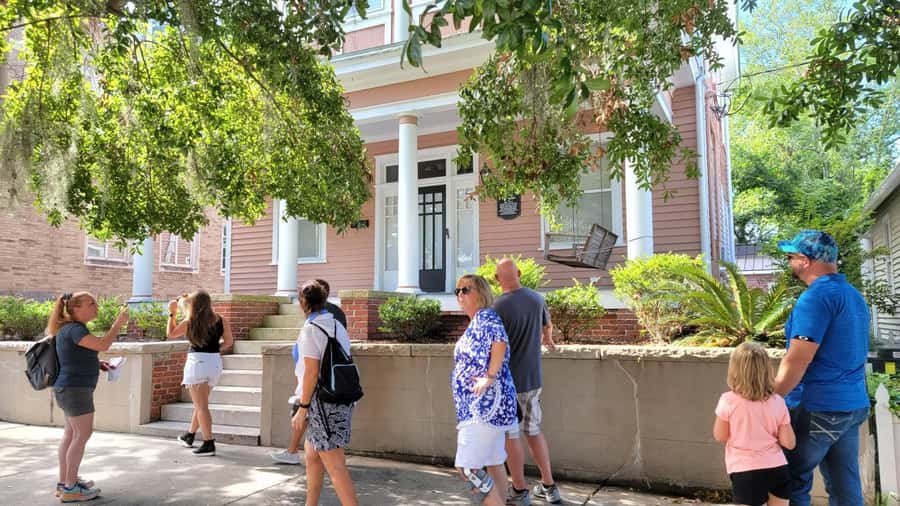
The tour begins on the sidewalk outside the Front Street Inn, right in the thick of downtown Wilmington. That matters because it anchors you fast: you’re not driving around or searching for scattered landmarks. You get a clear starting point, and the inn’s coffee shop and restroom make it easy to settle in before you head out.
I also like that you’re paying for a guided loop, not a self-guided scavenger hunt. The guide is live and in English, and the pace is designed to fit into about 90 minutes of tour time. Even when it’s warm, the vibe stays conversational, with the guide steering discussion while keeping an eye on comfort.
Why Wilmington’s One Colonial-Era Block Matters
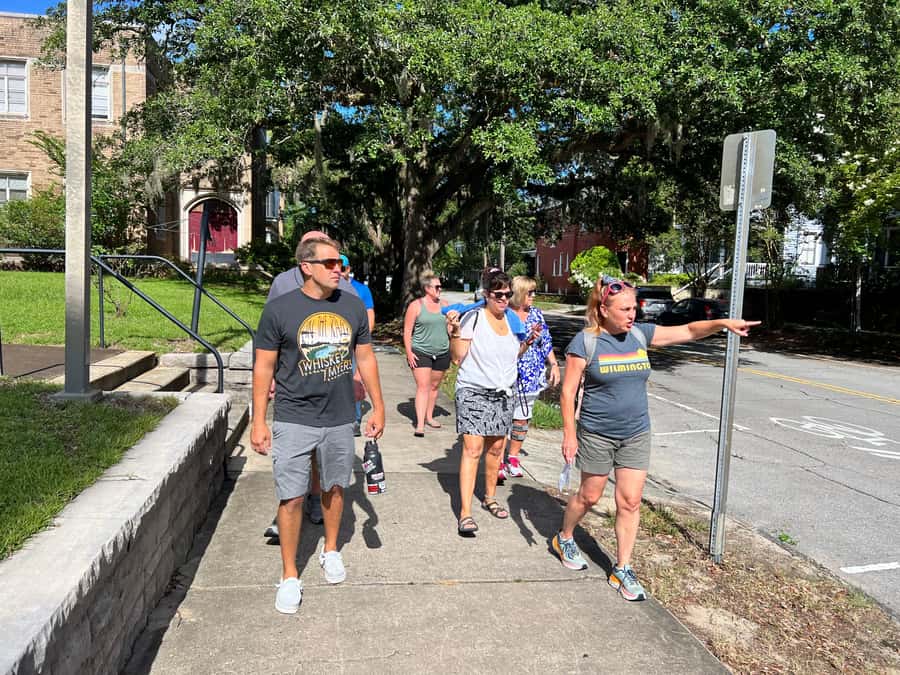
Wilmington has only one colonial-era block worth calling out as part of this kind of tour route, and that alone makes the opening stretch feel special. You start by seeing what the city looked like before the later building boom, which gives you a baseline for everything that comes after.
From there, the tour moves forward in time rather than listing dates like a textbook. You’ll start noticing how building materials, forms, and street patterns reflect changing needs—trade and transport first, then prosperity, then new social priorities. It’s the difference between reading history and reading a city.
If you like “seeing cause-and-effect,” this is your sweet spot. Colonial Wilmington is the prequel; Victorian Wilmington is the plot thickening.
Victorian Architecture: More Than Pretty Facades
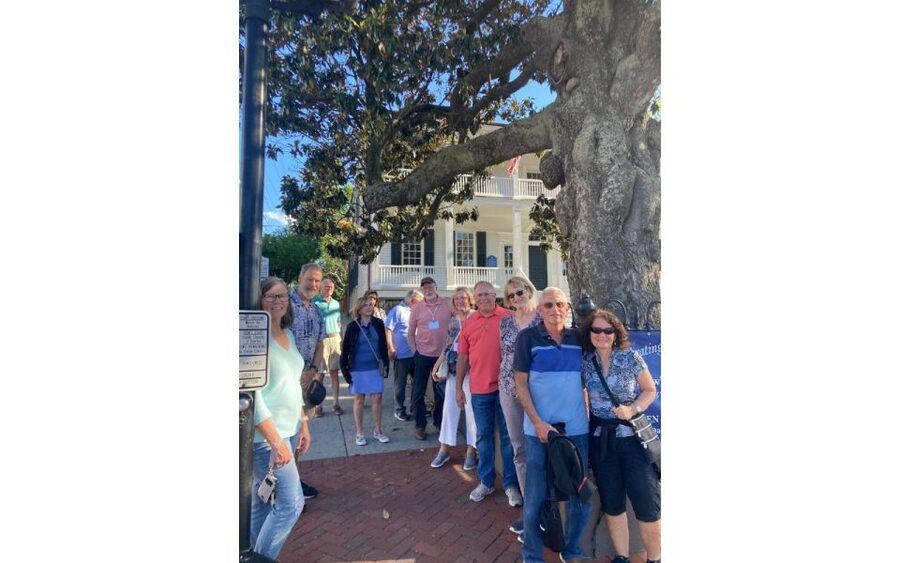
The tour’s center of gravity is Victorian architecture, and you’ll spend real attention on what that style signals in Wilmington. In plain terms: Victorian-era buildings aren’t just decorative. They often reflect rising wealth, civic pride, and a city that’s growing because it’s economically connected.
What I like most is how the guide ties architecture to people and power. Instead of treating homes like museum pieces behind rope, you learn to read them as statements—about status, taste, and the kind of life people expected to have in a port-and-railroad economy.
One review summed up the feeling well: you get architecture and history linked together, so you’re not bouncing between topics. You keep building the same mental model as you walk.
Houses of Worship: Reading Community Through Church Buildings
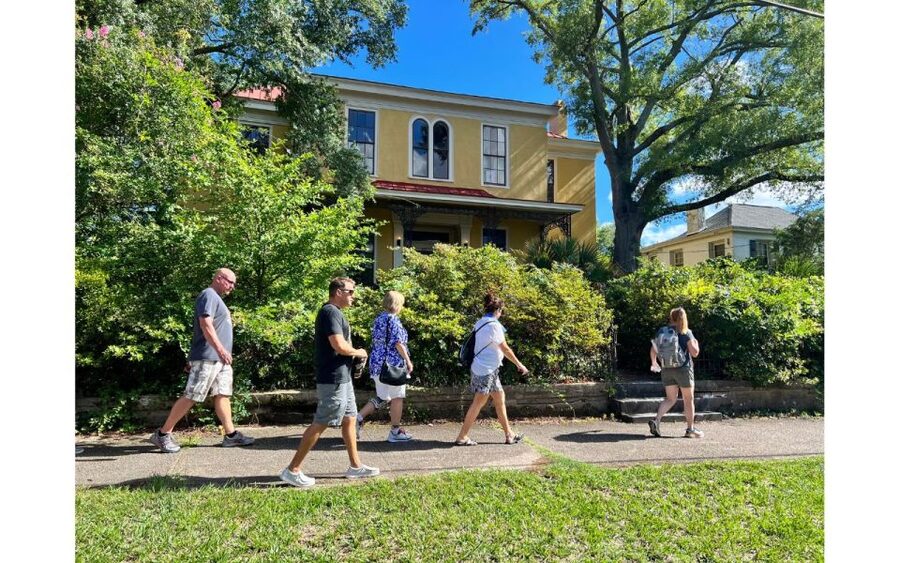
Wilmington’s most notable houses of worship show up as major stops, not as random photo moments. That’s a smart choice, because churches (and other religious institutions) can reveal a lot about community priorities, cultural identity, and civic organization.
As you move from one building to the next, you’ll learn how to look at form and function: where the entrance sits, how the building presents itself to the street, and what the architecture communicates in terms of permanence. These stops also give the tour a more human feel. History isn’t only about industry and wars; it’s also about where people gathered and what they believed mattered.
The group stays small enough that you can usually follow the guide’s explanation without straining to hear. And since there isn’t a huge walking workout, it’s a good tour if you want an easy day that still feels informative.
Mid-1800s Captains of Industry: Wealth, Rail, and the Port
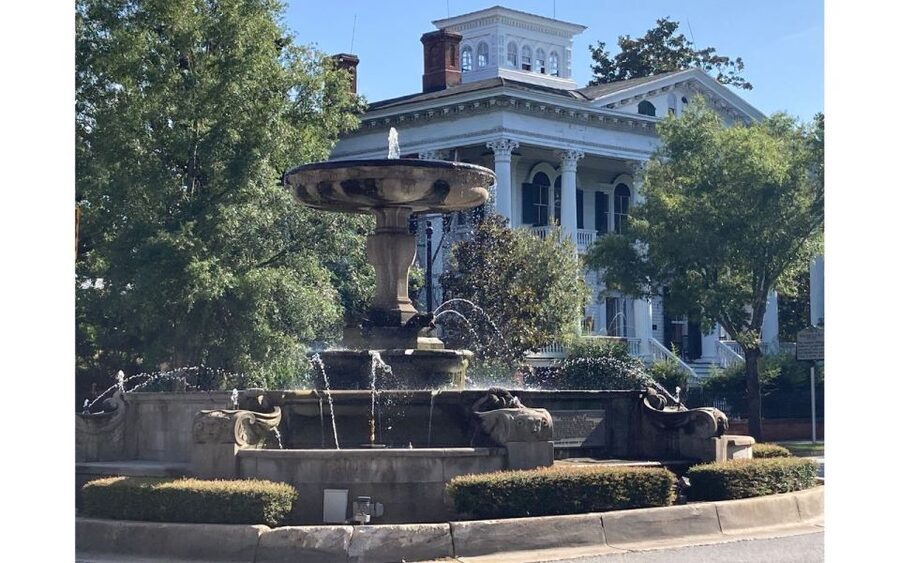
A standout part of the tour focuses on notable homes attributed to Wilmington’s captains of industry, especially from around the mid-1800s. Even without memorizing family names, you’ll learn to recognize what these homes were trying to say.
In this period, Wilmington’s economy mattered. The city evolved as a port and railroad town, and that wealth shows up in the scale and detail of the houses. On the tour, the architecture becomes a clue: you can often infer how connected someone’s life was to trade routes, shipping, and the flow of goods.
This section is ideal if you enjoy “architecture as evidence.” The buildings don’t just look impressive—they help explain how Wilmington became a place where large fortunes formed, and why the city had reasons to invest in impressive domestic and public structures.
Revolutionary and Civil War Threads Woven Into the Streets
The guide doesn’t treat the Revolutionary and Civil War eras like separate chapters. You’ll learn how Wilmington fit into wider conflict, including its role as a lifeline of the Confederacy.
That’s important because Wilmington wasn’t just a backdrop; it was tied to supply, movement, and survival. When a port city holds that kind of strategic weight, you can expect ripple effects in everything from population patterns to public morale to where the city invests its energy.
What makes this section work well on foot is that you’re not stuck with big abstract ideas. You’re looking at buildings and civic spaces that help you visualize how a city under pressure might still shape its built environment. Reconstruction then becomes the “what now?” phase—how the city tries to recover and redefine itself after the war.
You’ll also hear about how Wilmington survived the Civil War and then thrived during Reconstruction, which helps keep the story from becoming only tragedy. It’s honest about hardship, but it doesn’t stop there.
1898, Aftermath, and a City That Keeps Changing
One of the most sobering parts of the tour covers the racial events of 1898 and the aftermath. This topic is heavy, so I appreciate that the tour’s structure doesn’t shove it off as a quick bullet point. The guide frames it as part of Wilmington’s ongoing evolution rather than as a standalone shock.
When history turns like that, it changes institutions, neighborhoods, and the everyday reality of who gets to participate in prosperity. Even if you don’t know the full story going in, the architecture-and-streets approach helps you understand how societal shifts leave physical and cultural traces.
This section is also why the tour feels more grounded than a pure “pretty streets” walk. You’re learning how a city can grow, hurt, rebuild, and keep remaking its identity.
World War Boomtown to Hollywood East: The 1900s Pivot
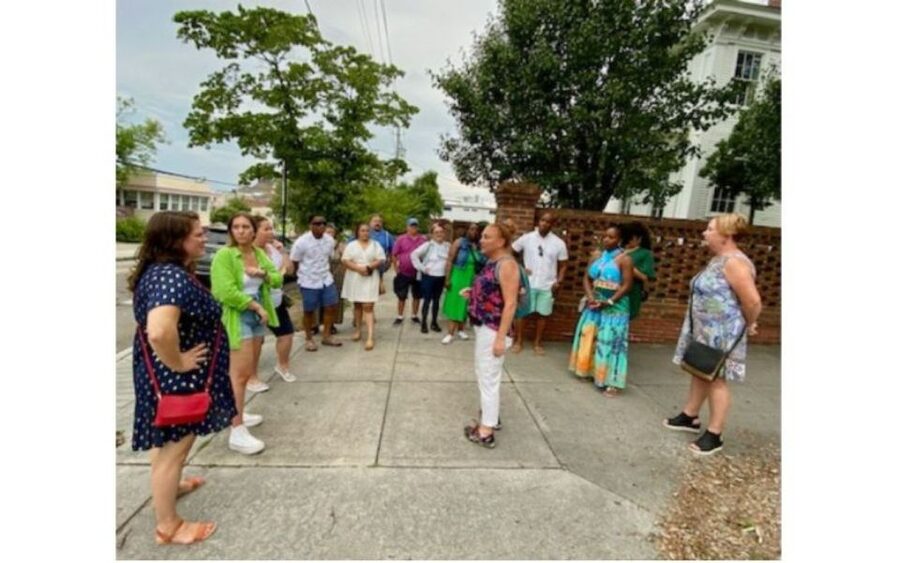
After you’ve built the story through colonial and Victorian eras, the tour jumps into the 1900s and tracks Wilmington’s transformation as a port and railroad hub. You’ll learn how commercial Wilmington became a World War boomtown, and how that kind of economic spike changes construction patterns, employment, and the city’s overall self-image.
Then comes one of the most practical and modern takeaways: Wilmington’s emergence as a tourism and film and television community. That phrase, Hollywood East, gets explained in context—how a place with the right infrastructure, scenery, and history can become valuable for screen production later on.
I like that this ending doesn’t feel like a marketing stop. It feels like the natural outcome of earlier chapters: the city’s connectivity, its built environment, and its evolving identity all contribute to why it became attractive for filmmakers and visitors.
If you enjoy movie locations or want to understand why Wilmington shows up in screen projects, this is the part that makes the tour click.
Price and Value for a 90-Minute Architecture Walk
At $25 per person, this tour is priced like a smart local walk, not a high-end museum ticket. For that money, you get a live English guide, a timed neighborhood loop that lasts about 90 minutes, and you also get practical sun and bug protection included.
That last part matters more than it sounds in coastal North Carolina. You’re walking outside, and the tour runs year-round with summer conditions possible. One review specifically noted that sunscreen and bug spray are provided, and that the guide handled shade and discussion well during hot weather.
Add in the strong overall rating (4.8 with 18 reviews), and the value equation tilts toward yes. It’s not just architecture sightseeing; it’s a guided “history 101” style introduction that helps you make sense of what you’re seeing across centuries.
Practical Notes: Walking Loop, Heat, and Where Parking Works
This is a walking tour, but it isn’t a long-distance hike. Reviews also mention that there isn’t a ton of walking, and the pace stays manageable for a downtown loop. Still, it’s outdoors, so dress for warm weather and bring layers if you’re sensitive to temperature shifts later in the day.
The tour provides sunscreen and bug spray, but water is not included—bring it. If you’re going in the heat, take that seriously. You’ll enjoy the history explanations more when you’re not fighting dehydration.
For your start, meet outside the Front Street Inn. Meter parking is recommended, and it’s a good call to avoid surface lots if you’re watching costs—those can be pricey. If you want an easy morning or afternoon before the walk, use the inn’s coffee shop and restroom right at the beginning.
Who This Tour Fits Best
This tour works best for you if you want:
- A clear introduction to Wilmington’s history through its buildings and street patterns
- Victorian architecture fans who also care about context
- Travelers interested in the Civil War and Reconstruction story without needing a heavy textbook approach
- Anyone curious about why Wilmington became Hollywood East and how the city’s economic shifts led there
It’s less of a fit if you need wheelchair access or mobility-friendly routing, since it’s not suitable for people with mobility impairments.
Should You Book Wilmington History and Architecture Tour?
If you’re only in Wilmington for a short time and you want your bearings fast, I think this is a solid book. The structure—moving from a colonial-era starting point through Victorian-era streets and into the 1900s—gives you a timeline you can actually picture. The guide’s mix of architecture plus Civil War, 1898, World War boom, and film-era evolution makes the tour feel like Wilmington’s story, not a list of landmarks.
Book it especially if you like walking tours that explain why buildings exist and what they reveal about power, community, and change. Bring water, plan for warm weather, and you’ll leave with a much clearer sense of how Wilmington grew, broke, rebuilt, and reinvented itself.
FAQ
FAQ
How long is the Wilmington History and Architecture Tour?
The tour runs about 90 minutes, with a tour loop listed at 1 hour 40 minutes.
What is the meeting point?
Meet on the sidewalk outside The Front Street Inn.
How much does it cost?
It costs $25 per person.
What’s included in the price?
The tour includes the guided loop and sunscreen and bugspray.
Is water provided?
No. Water is recommended to bring.
What language is the tour guide speaking?
The live tour guide speaks English.
Is there restroom access during the tour?
A restroom is available at the beginning at the Front Street Inn. You should plan accordingly after that.
Is the tour suitable for people with mobility impairments?
No, it isn’t suitable for people with mobility impairments.