REVIEW · CHARLESTON
Charleston History, Homes, and Architecture Guided Walking Tour
Book on Viator →Operated by Lowcountry Walking Tours · Bookable on Viator
Charleston clicks into focus on this guided walk. I like how the tour stitches together major landmarks and the look of historic homes without feeling like a lecture. I also love the licensed local guide approach: you get clear stories, a human pace, and plenty of architecture talk, from St. Michael’s to Rainbow Row.
One thing to plan for: this is a real outdoor walking tour in all weather. With about two hours on your feet (and lots of time at photo-worthy stops), you’ll want comfortable shoes and to dress for sun, wind, or rain.
In This Review
- Key Highlights You’ll Actually Feel
- Why This Two-Hour Charleston Walk Works
- Meeting at City Hall: Starting With the Four Corners of Law
- Washington Square: A Quick Stop With Real Context
- St. Michael’s Episcopal Church and George Washington’s Connection
- Rainbow Row: The Georgian Houses You Can Read Like a Story
- Old Exchange & Provost Dungeon: Pirates, Patriots, and Presidents
- The Battery and White Point Gardens: Mansions by the Seawall
- Powder Magazine Museum: Use Your Included Tickets
- Pace, Timing, and What a Two-Hour Tour Really Means
- Price Check: Getting Value From $28
- The Guides: Humor, Shade, and Serious Topics Managed Well
- Weather and Common-Sense Comfort Tips
- Should You Book This Charleston History and Architecture Tour?
- FAQ
- How long is the Charleston History, Homes, and Architecture Guided Walking Tour?
- Where does the tour start and end?
- Does the tour include Powder Magazine Museum entry?
- What sights are covered on the walk?
- Are there morning and afternoon tour times?
- How big are the groups?
- Is the tour offered in English?
- What should I wear or bring since it runs in all weather?
- What if the weather is poor on the day of the tour?
Key Highlights You’ll Actually Feel
- A small group (max 20): easier questions, better flow, less crowd noise at the stops
- Rainbow Row + South of Broad streets: you see the city’s “photo icons” and the residential texture around them
- St. Michael’s Church with Washington lore: one stop that connects Charleston to national stories
- Old Exchange & Provost Dungeon: built-in drama—trading, punishment, and power—without rushing past the details
- Powder Magazine Museum tickets included: use your time on your own after the walk
Why This Two-Hour Charleston Walk Works
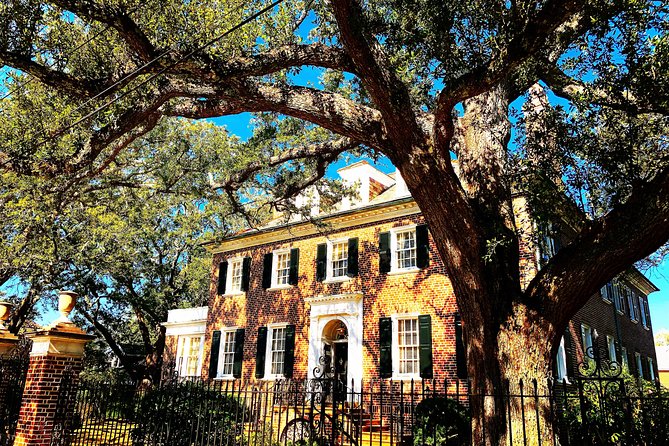
Charleston has a way of looking staged—pretty streets, dramatic buildings, postcard views. This tour helps you see how it all fits together: who lived where, why the streets were laid out this way, and how national events played out right here.
What makes it work is the balance. You get big-name sights like St. Michael’s Church and the Old Exchange, but the route also favors the city’s residential “South of Broad” feel and the architecture you’d otherwise just pass by. And because the guide is licensed and local, the explanations tend to sound like stories you can picture, not facts you have to memorize.
The built-in museum time is also a smart add-on. The walking part ends a few blocks away, but your entry to the Powder Magazine Museum gives you a second chapter—history you can absorb at your own speed.
You can also read our reviews of more tours and experiences in Charleston.


Meeting at City Hall: Starting With the Four Corners of Law
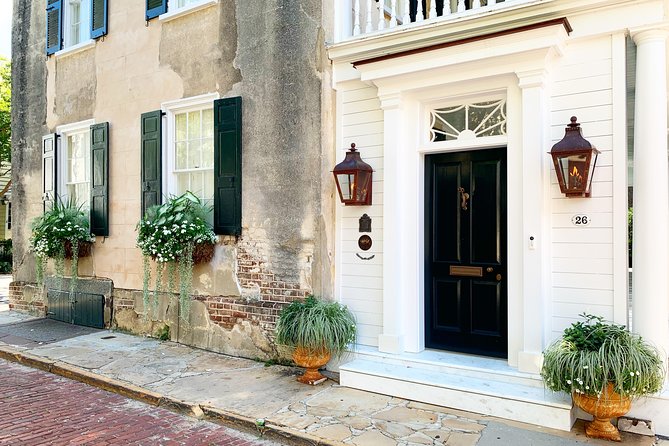
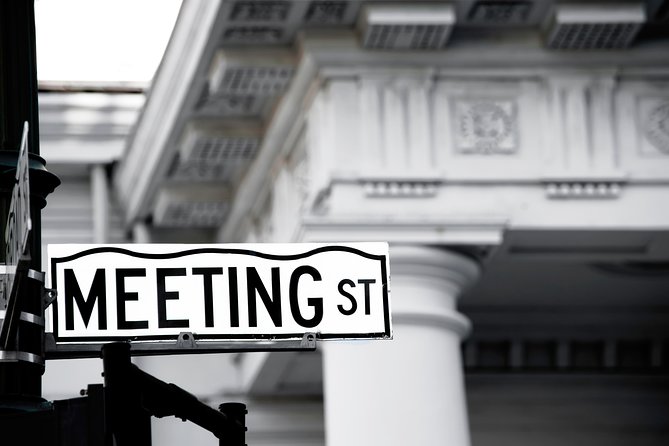
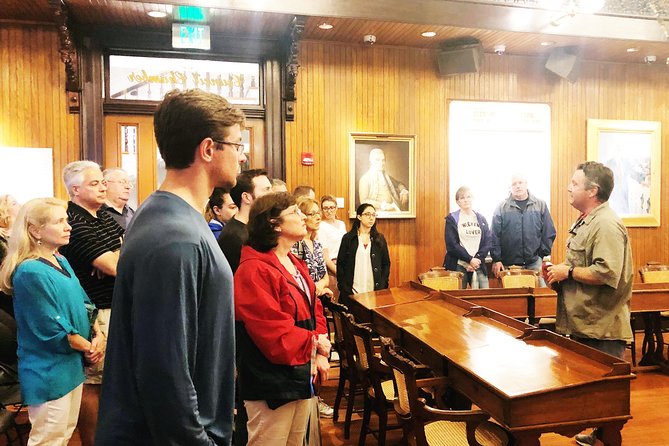
The tour starts outside Charleston City Hall at 80 Broad St. This opening matters because it sets up a theme for the whole walk: the city wasn’t just scenic—it was governed, argued over, taxed, and contested.
You’ll spend time at City Hall as part of the “Four Corners of Law” idea. It’s a good way to orient yourself fast. Broad Street is a main spine of the downtown grid, so once you clock the street layout early, the later stops feel connected instead of scattered.
Tip: arrive early enough to settle in and take in the streetscape. The start is prompt, and the group moves on to the next landmark soon after the intro.
Washington Square: A Quick Stop With Real Context

From City Hall, you head to Washington Square for a shorter pause. Expect this stop to act like a map marker—why this pocket of downtown mattered and how the public spaces connect to the city’s early civic life.
This is also the kind of stop that works well during a walking tour. You don’t lose momentum, and you get another piece of the puzzle without feeling like you’re sitting through a long speech.
St. Michael’s Episcopal Church and George Washington’s Connection
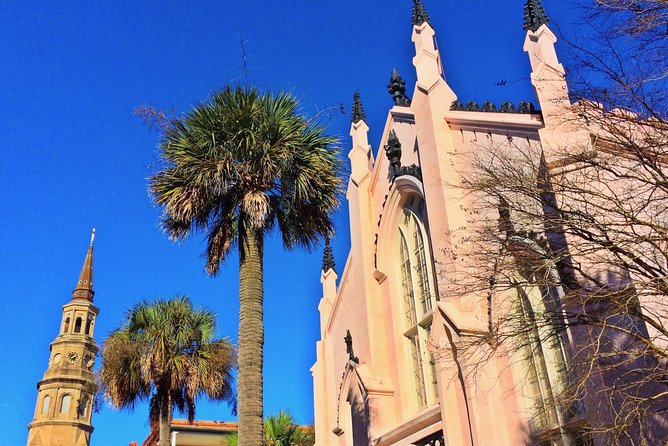
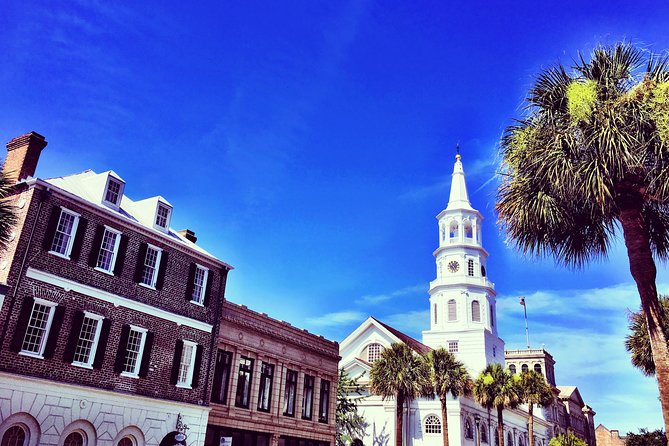
Next up is St. Michael’s Episcopal Church, where the tour leans into one of Charleston’s standout historical bridges: George Washington once worshipped here. You’ll also hear how St. Michael’s stands as the oldest surviving religious structure in Charleston, which gives the building extra gravity beyond its beauty.
This is one of those stops where you’ll likely slow down naturally. Even from the outside, the church signals permanence—something Charleston is famous for. And because the guide ties it into national history, it stops being just an attractive photo and becomes a story you can carry with you to the next streets.
Consideration: if churches aren’t your thing, you still get a payoff here because the tour uses this stop to explain Charleston’s role in broader American events.
Rainbow Row: The Georgian Houses You Can Read Like a Story
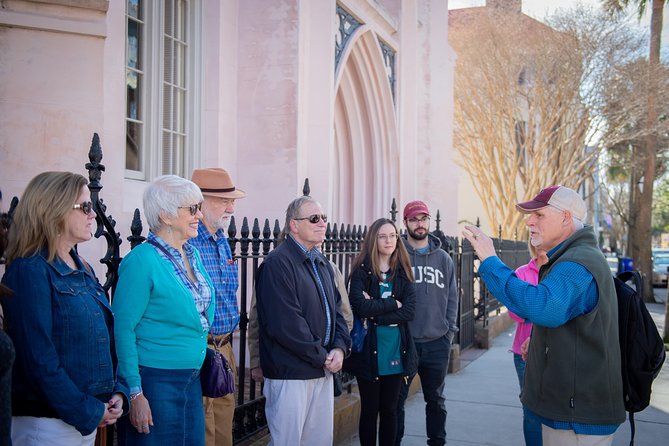
Then comes one of the big visual payoffs: Rainbow Row. The colorful Georgian houses along East Bay Road are an easy win for photos, but the tour treats them as more than eye candy.
You’ll learn the background of the row—why these houses became symbols of Charleston, and how the architecture reflects the city’s history. That’s the difference between seeing Rainbow Row as a postcard and understanding it as a living record of wealth, style, and street-level life over time.
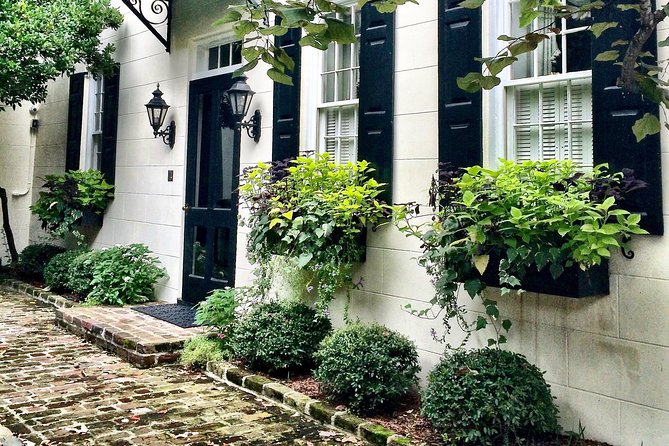
Pro move: take a few minutes to look beyond the fronts. Georgian architecture tends to repeat patterns—windows, proportions, and facades—and once your eye catches those rhythms, the whole row starts to make sense.

Old Exchange & Provost Dungeon: Pirates, Patriots, and Presidents
If Charleston has a “story engine,” this stop is close to it. The tour brings you to the Old Exchange & Provost Dungeon, described as South Carolina’s most historic building and tied to a colonial-era history said to span about 300 years.
What you should expect here is intensity without chaos. The guide uses this site to connect different eras and characters—pirates, patriots, and presidents—so the dungeon stops feel like a history lesson with names attached, not just a grim building silhouette.
This is also a stop where Charleston’s past can get heavy. Based on the way guides often handle sensitive topics, you can expect the conversation to be respectful and direct, rather than glossed over. That matters if you want a real sense of how the city evolved.
Possible drawback: some people prefer lighter pacing. If you tend to zone out when stories run long, keep in mind this is one of the stops where the narrative may get more detailed.
The Battery and White Point Gardens: Mansions by the Seawall
After the dense history stop, you get a change of pace along the seawall at the Battery and into the White Point Gardens area. This is where Charleston shifts from the civic and institutional story to the everyday visual one: views, water, and the grand homes facing the harbor.
You’ll learn about the stately mansions along the Battery—who they belonged to and why this waterfront location mattered. Even if you’ve never read a line about Charleston’s maritime economy, you can feel the logic of the city’s layout by the way the waterfront presents status and power.
Practical note: this section is outdoors and can be sunny or breezy depending on the day. A water bottle helps, and so does sun protection if you’re in strong daylight.
Powder Magazine Museum: Use Your Included Tickets
Here’s the bonus that turns a walking tour into a longer outing. Your ticket includes entrance to the Powder Magazine Museum, which you can explore at your leisure after the tour ends.
The walk finishes a few blocks away from the start (the end point is given as 94 Battery Pl, though the exact route can vary). If you want to return to your starting area, the guide will walk you back if you ask.
How to get the best value: plan your museum visit like a choose-your-own-adventure. If you’re into military history or early coastal defense themes, you’ll likely enjoy spending extra time there. If you’re more into architecture and city life, you can still use the museum as a “why it mattered” wrap-up for the downtown story you just heard.
Pace, Timing, and What a Two-Hour Tour Really Means
The tour is about two hours total, and the stop times are fairly tight:
- City Hall (~10 minutes)
- Washington Square (~5 minutes)
- St. Michael’s Church (~10 minutes)
- Rainbow Row (~10 minutes)
- Old Exchange & Provost Dungeon (~5 minutes)
- Battery & White Point Gardens (~15 minutes)
That adds up to a brisk but not frantic rhythm. You’ll be standing and walking most of the time, and you’ll want a mindset of short pauses and photos rather than long museum-style browsing.
The group is capped at 20 travelers, which is a big deal in a city that gets crowded. With a smaller group, the guide can adjust—slow down for questions, keep people together at crosswalks, and manage pacing more smoothly.
Price Check: Getting Value From $28
At $28 per person, this tour is priced like an affordable “big highlights” plan, but it’s also structured for value.
You’re paying for three things:
- A licensed, professional guide (the biggest cost driver for any tour)
- A concentrated route through the core downtown sights tied to actual historical context
- Powder Magazine Museum entry, which turns the experience into more than just a sidewalk show
In plain terms: if you’re visiting Charleston for a short time and want a fast, organized way to understand the city, this is a good use of budget. If you’re already a hardcore Charleston history person and don’t need help connecting the dots, you might feel less compelled—but the architecture-focused stops still give most people something to take away.
The Guides: Humor, Shade, and Serious Topics Managed Well
While any specific guide can change day to day, the experience is clearly strongest when the guide can do two jobs at once: keep the tone light enough to stay fun, while still treating Charleston’s harder history with care.
In particular, you’ll want to pay attention to how your guide handles pacing and comfort. Some guides are known for planning rest and bathroom breaks, and for managing heat by choosing route timing and shade when possible. On very hot days, that small detail can make the difference between enjoying the tour and feeling exhausted.
You’ll also notice the guides often bring local personality. Names you may see include Al, Dennis, Duggar, Duggar, Evans, Captain Bobby, Mark, and Lawrence—and the common thread is energy plus clear storytelling. If you like history told in a way that sounds like local conversation, that’s where this tour tends to score high.
Weather and Common-Sense Comfort Tips
The tour operates in all weather conditions, so you should assume you’ll walk in sun, wind, rain, or mixed conditions. Bring a light layer even in warm months, and plan for damp sidewalks if rain hits.
Also keep it simple:
- Comfortable shoes are non-negotiable for a downtown walking loop
- Bring a water bottle
- If you’re sensitive to heat or sun, consider a hat and sunscreen
- Mobile ticket is used, so have your phone charged
Should You Book This Charleston History and Architecture Tour?
Book it if you want an efficient, well-paced way to understand Charleston without spending your whole day reading maps and guidebooks. This is especially worth it when you care about architecture, historic streets, and how national events show up in real buildings.
Skip it or be cautious if:
- You dislike walking for about two hours in changing weather
- You want a deep, slow museum experience during the main event (this is a walking tour first)
- You’re the type who gets frustrated by longer stories at outdoor stops
If you’re on the fence, my advice is to treat it like a strong orientation. You’ll leave with a clearer sense of where you are in Charleston—and that makes everything you do next easier, from picking neighborhoods to deciding what to revisit.
FAQ
How long is the Charleston History, Homes, and Architecture Guided Walking Tour?
It runs for about 2 hours.
Where does the tour start and end?
The tour starts at 80 Broad St, Charleston, SC 29401. It ends a few blocks away, with the listed end point as 94 Battery Pl, Charleston, SC 29401.
Does the tour include Powder Magazine Museum entry?
Yes. Entrance to the Powder Magazine Museum is included, and you can explore it at your leisure after the walk.
What sights are covered on the walk?
You’ll see and learn about key downtown highlights including Charleston City Hall, Washington Square, St. Michael’s Church, Rainbow Row, the Old Exchange & Provost Dungeon, and the Battery & White Point Gardens.
Are there morning and afternoon tour times?
Yes. You can choose a morning or afternoon departure time.
How big are the groups?
The tour has a maximum of 20 travelers.
Is the tour offered in English?
Yes, it is offered in English.
What should I wear or bring since it runs in all weather?
Wear comfortable shoes and dress appropriately for conditions. A water bottle is recommended.
What if the weather is poor on the day of the tour?
The experience operates in all weather, but if it’s canceled due to poor weather, you’ll be offered a different date or a full refund. You can cancel for a full refund up to 24 hours in advance.