REVIEW · CHARLESTON
Charleston: History and Architecture Guided Walking Tour
Book on GetYourGuide →Operated by Empire Tours and Productions (Charleston Tour Company) · Bookable on GetYourGuide
Charleston hides its best stories in side streets. On this 90-minute Charleston history and architecture guided walk with Empire Tours and Productions, I love how your guide gets you looking closely, then steers you into three secret alleys like you’ve been given a local cheat code.
I also like the way the tour adds interior access when it’s available, including St Michael’s Church and the Old Exchange Building (and sometimes Dock Street Theatre). One drawback to plan for: you’re on foot for about a mile, with frequent stops and plenty of cobblestones and tight lanes, so it’s not a great match if mobility is limited.
In This Review
- Key highlights worth building your day around
- Getting Started: Meeting Under the Charleston Tours & Activities Awning
- South of Broad to the French Quarter: How to Read Charleston Streets
- Three Secret Alleys: The Best Reason to Do This With a Guide
- Wrought Iron Gates and Historic Details You’ll Actually Notice
- Landmark Interiors: St Michael’s Church, Old Exchange, and Dock Street Theatre
- St Michael’s Church
- Old Exchange Building
- Dock Street Theatre
- Rainbow Row, City Market, and St Philip’s Church: The Big Downtown Anchors
- Rainbow Row
- City Market
- St Philip’s Church
- Finishing at Pineapple Fountain: A Tour That Doesn’t Leave You Stranded
- Price and Value: Is $29 for 90 Minutes a Good Deal?
- Who This Walking Tour Fits Best (and Who Should Think Twice)
- Should You Book This Charleston History and Architecture Tour?
- FAQ
- How long is the Charleston History and Architecture Guided Walking Tour?
- How far do you walk during the tour?
- What’s included in the tour?
- Where do we meet the guide?
- Does the tour run in rain?
- Is there a refund if plans change?
Key highlights worth building your day around
- Three secret alleys: narrow, surprising corridors that change the whole feel of the downtown grid
- Inside stops when open: St Michael’s Church, Old Exchange, and Dock Street Theatre are subject to availability
- Wrought iron gate details: you’ll learn what to look for and why it mattered
- Landmark photo anchor points: Rainbow Row, City Market, and St Philip’s Church
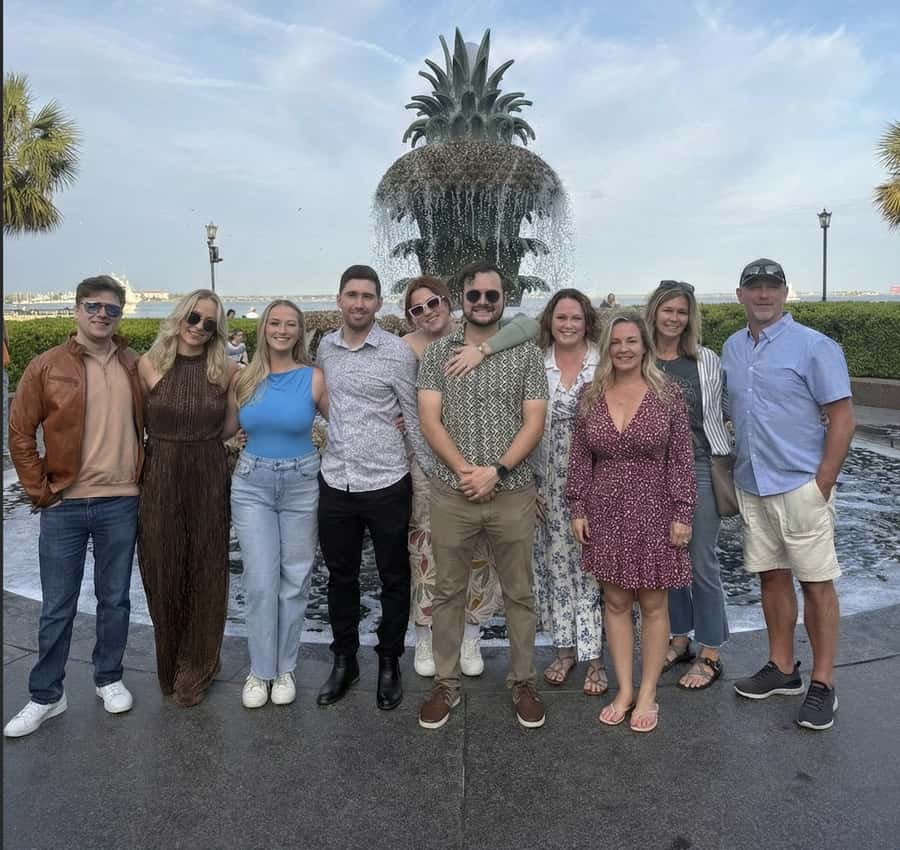
- A clear ending point: the tour finishes at the Pineapple Fountain, so you’re not left wandering
Getting Started: Meeting Under the Charleston Tours & Activities Awning
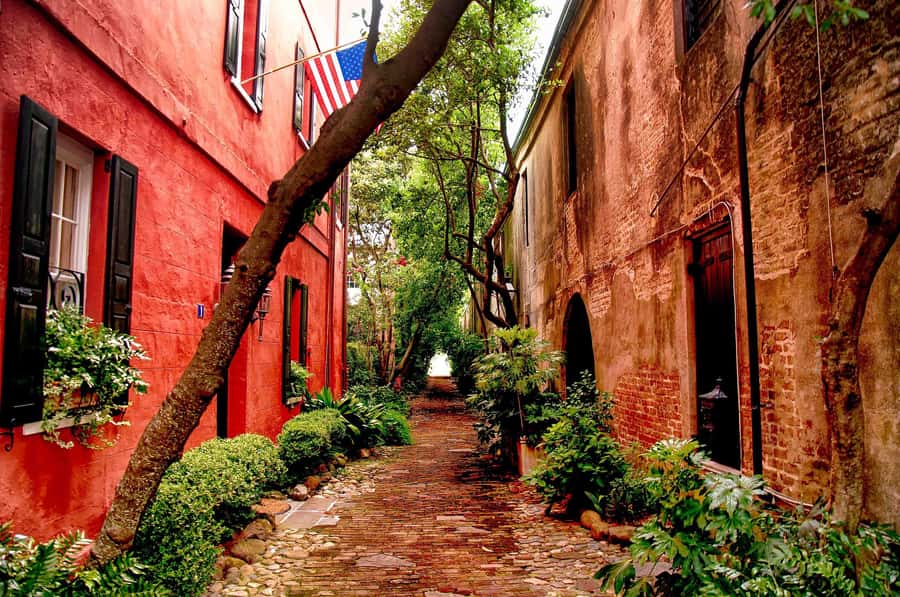
The tour begins right in Historic Downtown, meeting under the awning in front of the Charleston Tours & Activities windows. It helps to arrive about 10 minutes early. Guides typically show up around 15 minutes before the tour starts, so if you’re early, you’re just waiting in the right place, not guessing where to go.
The first stretch matters more than it sounds. Charleston’s layout can feel like a maze if you’re bouncing between photos and street corners on your own. On a guided walk, you get an order to the chaos. Within minutes, you understand which streets connect neighborhoods, which buildings signal wealth and power, and where the city’s story shifts.
If you enjoy a lively guide style, you’ll likely get that here. Names that show up in recent bookings include Jeff, Emerson, Jackson, Page, Philip, Paige, and Jaxson—and the common thread is strong storytelling plus time for questions.
You can also read our reviews of more tours and experiences in Charleston.


South of Broad to the French Quarter: How to Read Charleston Streets
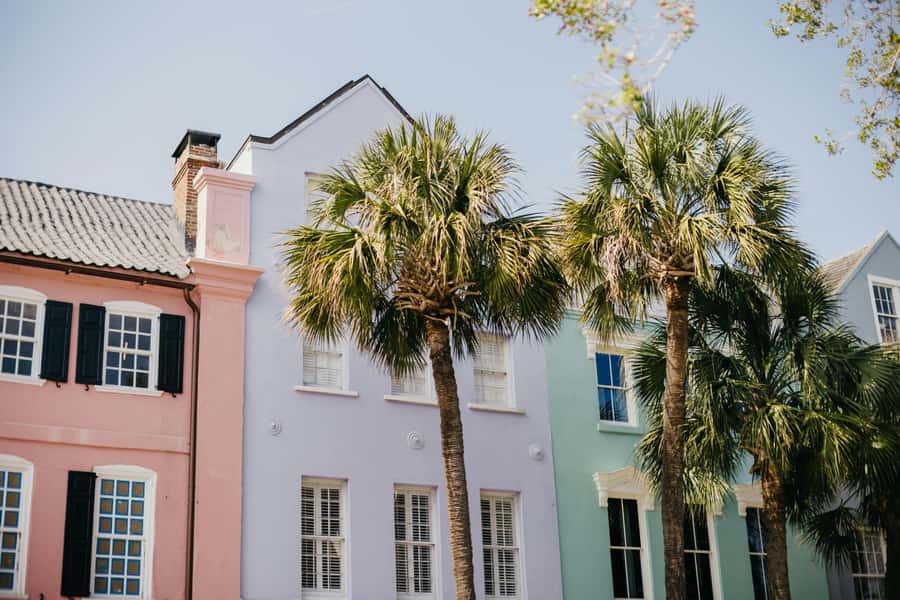
After the start, you head through South of Broad and into the French Quarter Districts. That’s where Charleston’s architecture stops being background decoration and starts behaving like evidence.
This is not a museum-on-a-rope tour. It’s a street-level lesson. You’ll notice how cobblestones slow you down, how narrow views make buildings feel taller, and how the streetscape guides your eye toward gates, balconies, and doorway proportions. The guide gives context for what you’re seeing, including why certain design choices became popular and what they signaled in different eras.
Think of this portion as the visual vocabulary section. Once you get it, the rest of the tour clicks—especially the doorways, ironwork, and the small details people usually step over.
Three Secret Alleys: The Best Reason to Do This With a Guide
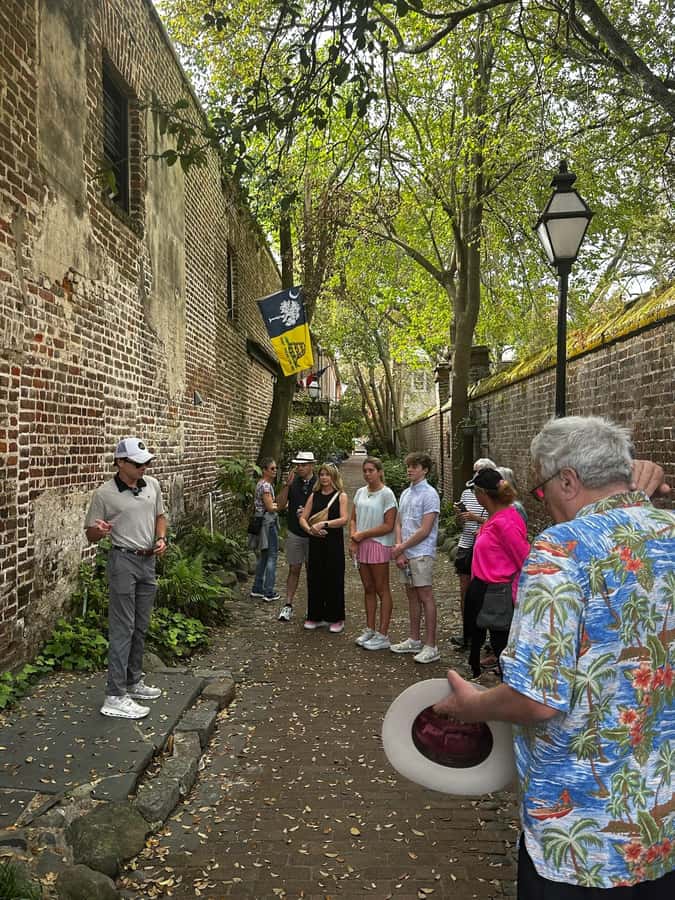
The tour’s signature moment is the set of three hidden alleys. These are the kind of side streets you might walk past without a second thought, because they don’t look like they belong to a postcard. But that’s exactly the point. Charleston’s character shows up when you get off the main run and into the tighter corridors.
When you enter an alley, a few things happen fast:
- the sound changes (streets feel louder than lanes)
- sightlines narrow (you notice gates and craftsmanship sooner)
- the scale of the neighborhood becomes more human
Your guide helps you “read” those spaces. You’ll pay attention to the kind of wrought iron work you’d miss from across the street, and you’ll learn what centuries-old gates were built to do—part function, part status marker.
This is also where the best questions tend to happen. If you want to understand how the city actually worked, alleys are where the logic reveals itself.
Wrought Iron Gates and Historic Details You’ll Actually Notice
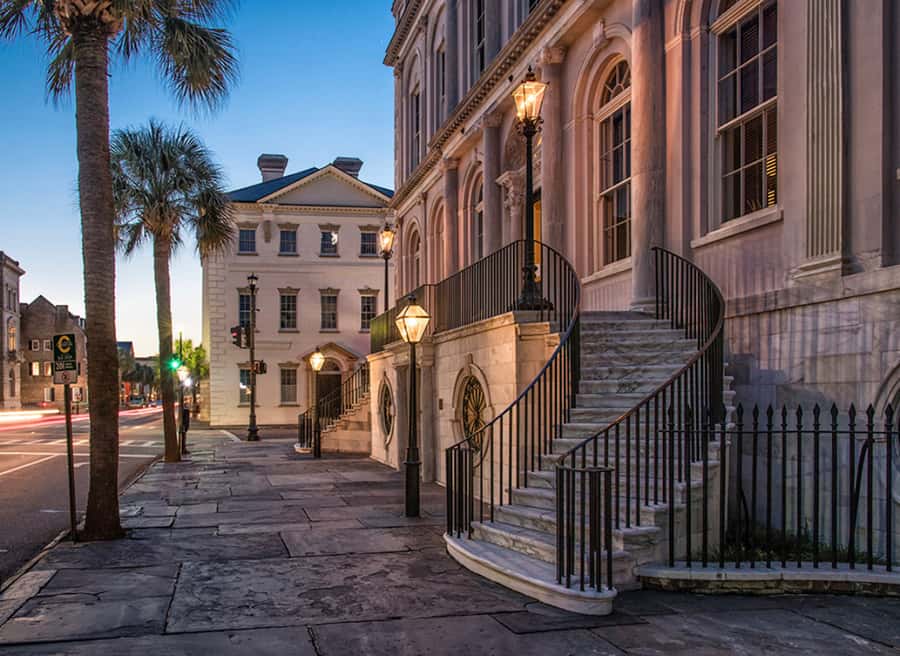
One reason this tour earns so many high ratings is the focus on details that aren’t obvious at first glance. The city has tons of old architecture, but not every tour teaches you what to look for.
Here, the highlight is the beautiful iron work on centuries-old gates. Your guide points out the craftsmanship and the design logic—how iron patterns relate to privacy, access, and the era’s taste. It’s practical. It’s also satisfying because it turns every gate into a clue instead of a random ornament.
Even if you’re not an architecture nerd, you’ll leave knowing how to spot standout features quickly. Look for iron scrollwork, the way gates align with entryways, and how the surrounding façade frames them. When your guide explains the “why,” those details stop being decorative clutter.
Landmark Interiors: St Michael’s Church, Old Exchange, and Dock Street Theatre
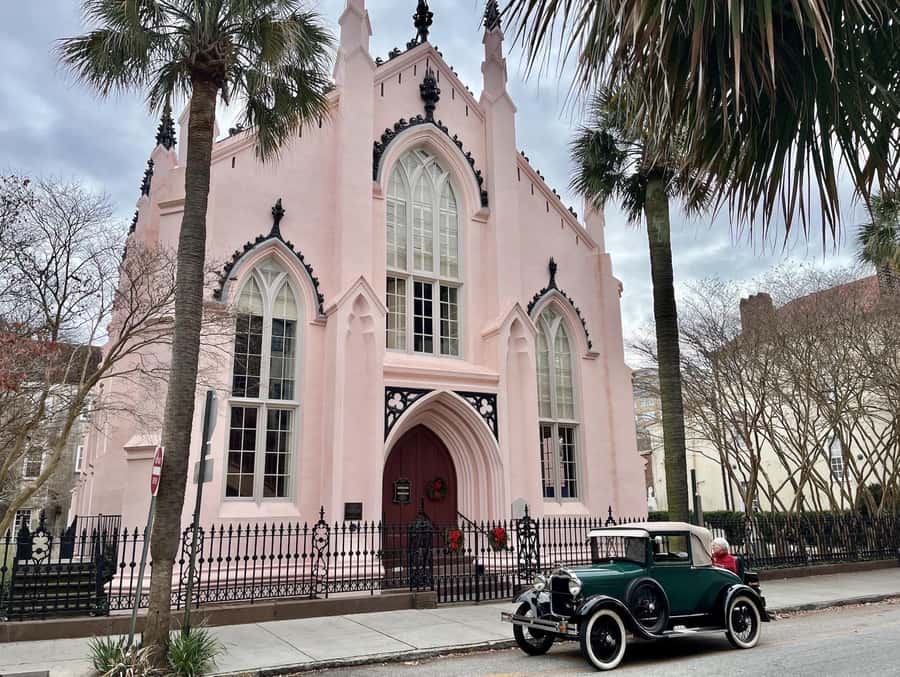
Street views are great, but the tour gets extra value when you can go inside. The itinerary includes entrance to St Michael’s Church and the Old Exchange Building, and Dock Street Theatre may be included depending on availability.
Here’s why interior access matters on a walking tour:
- you see the scale up close (and it changes how you understand the exterior)
- you pick up the building’s mood and purpose, not just its shape
- your guide can connect the architectural elements to real historical use

St Michael’s Church
St Michael’s Church is a major stop for anyone who wants Charleston’s spiritual and civic story tied to the streets. Even from the outside, it’s visually distinctive. Going in (when the doors are open) makes the experience feel less like sightseeing and more like a guided historical walkthrough.
Old Exchange Building
The Old Exchange is the kind of place that turns into a “now I get it” moment. From the exterior, it looks grand. Inside, it’s easier to connect architecture to how Charleston functioned as a commercial and public hub.
Dock Street Theatre
Dock Street Theatre is subject to availability. But if it’s part of your tour that day, it adds a different angle: the city’s cultural life and how performance spaces fit into the downtown story.
A practical note: interiors depend on what’s open when you go, so don’t assume every day’s exact lineup is identical. That said, even the exterior-and-streets portion doesn’t feel empty, because the alleys and ironwork carry the experience.
Rainbow Row, City Market, and St Philip’s Church: The Big Downtown Anchors
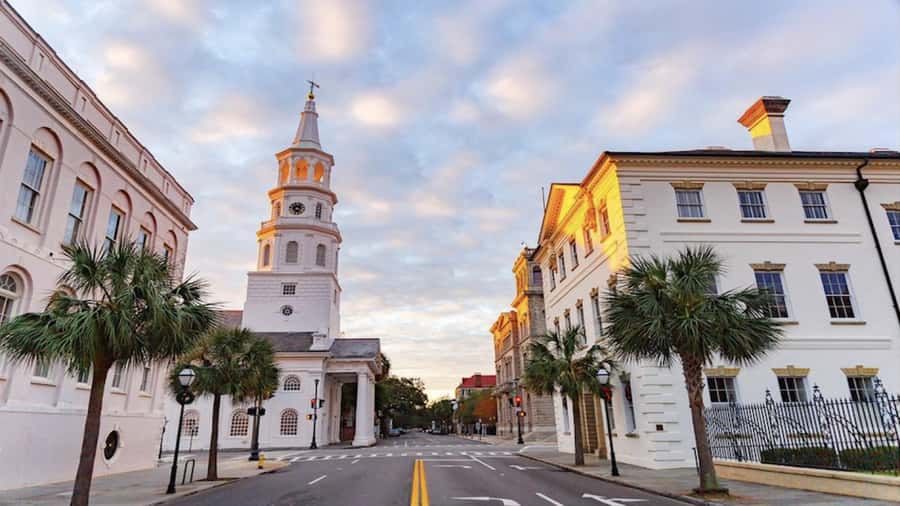
Not every stop is a “secret.” Some are famous for a reason. You’ll hit key downtown anchors, and your guide ties them back to the neighborhood flow.
Rainbow Row
Rainbow Row is one of those places where people take photos and keep walking. On this tour, you get more than the picture. Your guide uses it as a reference point for how Charleston’s architectural style shaped the street identity—how a lineup of buildings can become a symbol.
City Market
City Market is part of the downtown pulse. You’ll pass through as an active area where people historically gathered, shopped, and met. If you like to understand how cities worked day to day, this stop helps connect architecture to daily life.
St Philip’s Church
St Philip’s Church rounds out the civic-and-community angle. It’s another major landmark where the guide can connect architecture to Charleston’s long-running institutions.
By the time you reach these larger stops, you’re already trained to look for the details. So you enjoy them more than a quick drive-by.
Finishing at Pineapple Fountain: A Tour That Doesn’t Leave You Stranded
The walk ends at the Pineapple Fountain. That’s a smart finish. It gives you a clear reference point in downtown so you can keep exploring right away—rather than wondering what’s next or how far you are from where you want to go.
It also helps that the tour keeps a leisurely pace with frequent stops. Duration is 90 minutes, covering about a mile total. That means you’re seeing a lot without feeling like you’re racing through Charleston.
Price and Value: Is $29 for 90 Minutes a Good Deal?
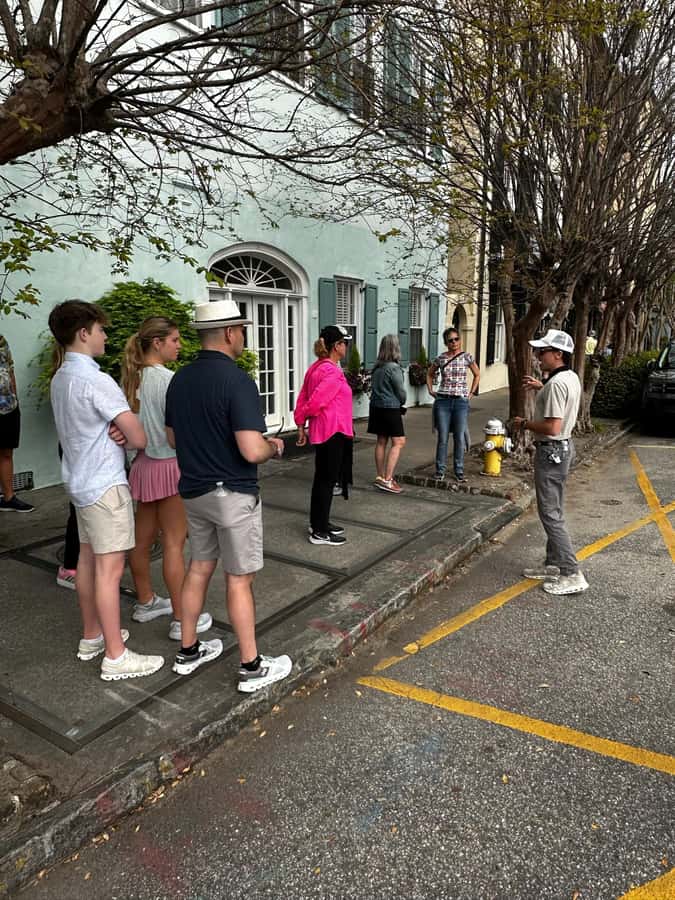
At $29 per person for a 90-minute guided walk, this tour can be strong value—especially if you care about context, not just scenery.
Here’s what you’re paying for:
- an expert local guide who explains what you’re looking at
- guided wandering through South of Broad and the French Quarter
- three secret alleys (the kind of places that change your whole view of the city)
- interior access to major landmarks when available (St Michael’s Church and the Old Exchange Building, with Dock Street Theatre subject to availability)
If you’re the type who likes architecture details, the ironwork and alley explanations make the price feel reasonable fast. If you’re mostly here for photos, you’ll still enjoy the landmarks—but you’ll get more satisfaction if you treat the guide’s commentary as the main event.
Also, private group options exist. If you’re traveling with friends or want smaller-group comfort, that can solve one common concern: group size can affect how much conversation you get at each stop.
Who This Walking Tour Fits Best (and Who Should Think Twice)
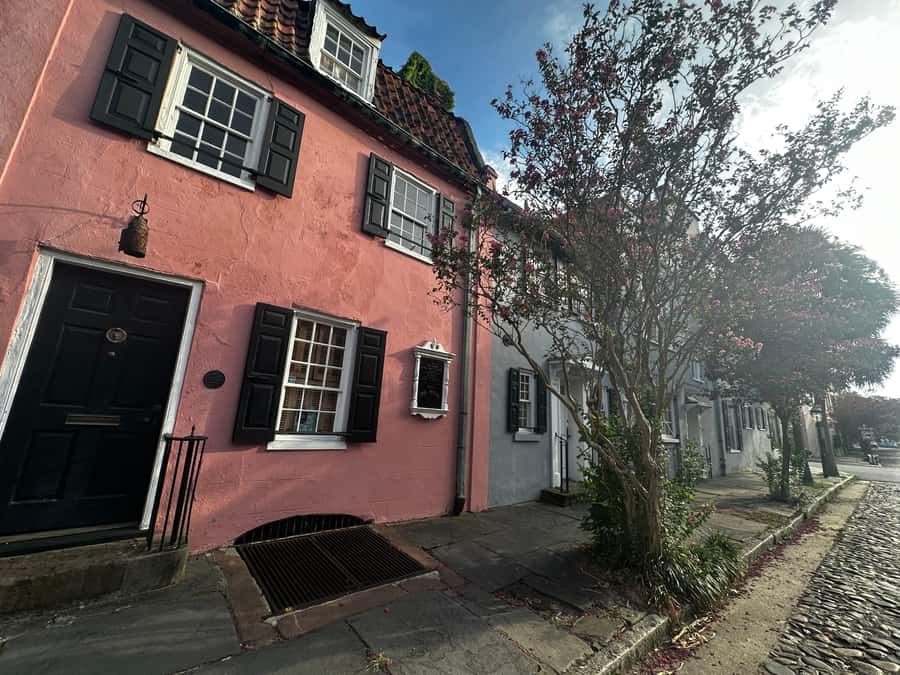
This tour is a great fit if you want:
- a first-time overview that’s still specific
- architecture that comes with stories, not just labels
- hidden alleys and historic ironwork details
- a structured route with clear landmarks like Rainbow Row, City Market, and St Philip’s Church
It’s less ideal if:
- you struggle with walking about a mile on historic streets
- you need a very mobility-friendly route (the tour is listed as wheelchair accessible, but it also says it is not suitable for people with mobility impairments)
Because the tour departs rain or shine, also plan for weather. Wear comfortable shoes. Bring weather-appropriate clothing. Charleston’s historic core is gorgeous, but it’s still a walking tour, not a sit-down class.
If interior access is a priority, remember it’s subject to availability. Still, the guide’s street-based storytelling keeps the experience worthwhile even if one interior stop can’t be included that day.
Should You Book This Charleston History and Architecture Tour?
I think this is an easy yes for most visitors—especially if you’re curious about why Charleston looks the way it does. The combination of three secret alleys, hands-on attention to wrought iron gates, and major landmark visits (with interior options like St Michael’s Church and the Old Exchange Building when available) makes the $29 price feel grounded in real value.
Book it if you want a guided path that helps you see Charleston instead of just passing through it. Skip or reconsider if you can’t comfortably handle roughly a mile of walking on historic streets, or if you’re only interested in a strict checklist of interior sites every time.
Either way, do the tour with a mindset of noticing. Charleston rewards that habit.
FAQ
How long is the Charleston History and Architecture Guided Walking Tour?
The tour lasts 90 minutes.
How far do you walk during the tour?
The tour covers about 1 mile on foot, with frequent stops.
What’s included in the tour?
It includes a guided walking tour with an expert local guide, visits to 3 secret alleys, and entrance to St Michael’s Church, Old Exchange Building, and Dock Street Theatre subject to availability.
Where do we meet the guide?
You meet underneath the awning in front of the Charleston Tours & Activities windows. The guides typically arrive about 15 minutes early, and it’s recommended you arrive around 10 minutes early if possible to check in.
Does the tour run in rain?
Yes, the tour departs rain or shine.
Is there a refund if plans change?
Yes. Free cancellation is available up to 24 hours in advance for a full refund.