REVIEW · BERLIN
Berlin: Guided Architectural Walking Tour of Hansaviertel
Book on GetYourGuide →Operated by art:berlin by cpb · Bookable on GetYourGuide
Bombed buildings and big names in one walk.
This guided architectural stroll through Hansaviertel lets you hear everyday Berlin life right next to Tiergarten, while a local guide explains how this western district was shaped by destruction and then rebuilt with world-famous modernist design.
I especially love the way the tour connects quiet architectural details to the loud reality around you—busy city sounds, street-level movement, and a neighborhood you can still feel today. And you’ll get a strong hit of design history by seeing work associated with Le Corbusier, Oskar Niemeyer, Alvar Aalto, and Walter Gropius as the guide talks through what the buildings were trying to do after the war.
One consideration: this is a walking tour and it’s not suitable for wheelchair users, so plan for steady time on your feet and come prepared with good shoes.
In This Review
- Key highlights worth planning for
- Entering Hansaviertel: where Berlin tells stories with buildings
- Meeting at Grips-Theater and getting the walking rhythm right
- Tiergarten sounds: the real-time backdrop to modernist design
- How WWII nearly erased Hansaviertel—and why that matters
- Architects you’ll recognize: Le Corbusier, Niemeyer, Aalto, Gropius
- The nicest extras: Hansa Bücherei window and Kaiser Friedrich Gedächtniskirche access
- What the tour feels like in real time
- Price and value: $24 for a focused design + history walk
- Who should book this Hansaviertel architectural walking tour
- Quick planning tips so you enjoy it more
- Should you book?
- FAQ
- How long is the Berlin Hansaviertel guided walking tour?
- How much does the tour cost?
- Where do we meet the guide?
- What language is the live tour guide?
- Is the tour suitable for wheelchair users?
- What should I bring for the tour?
Key highlights worth planning for
- Tiergarten border atmosphere: You listen to active Berlin city life while learning on the move
- WWII destruction storyline: You hear how bombings nearly wiped out Hansaviertel
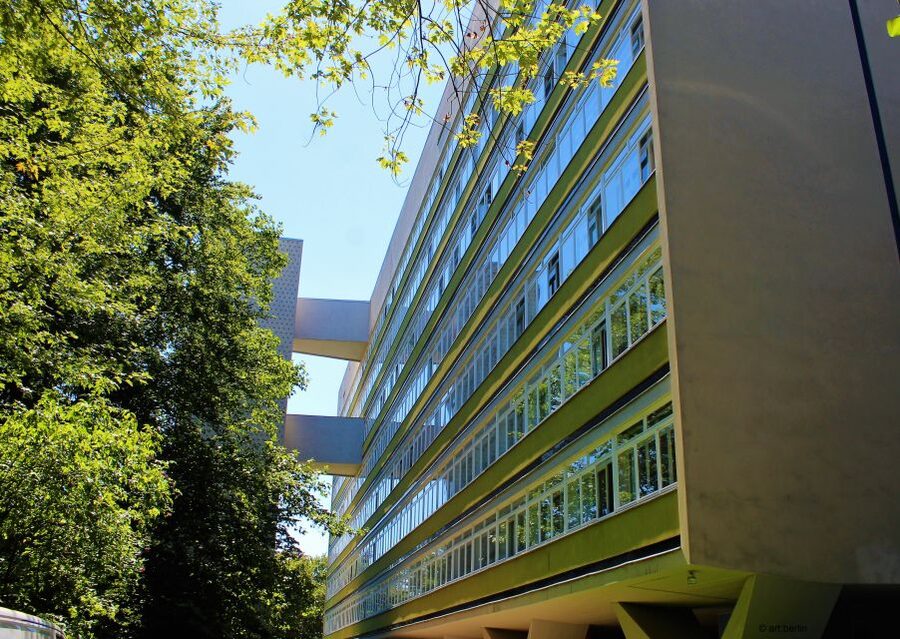
- Famous modernist architects: You see the work of Le Corbusier, Niemeyer, Aalto, and Gropius in context
- Extra stops beyond photos: You get the window view in Hansa Bücherei and access to Kaiser Friedrich Gedächtniskirche
- Guide quality shows up in reviews: People consistently point to a competent, humorous guide
Entering Hansaviertel: where Berlin tells stories with buildings
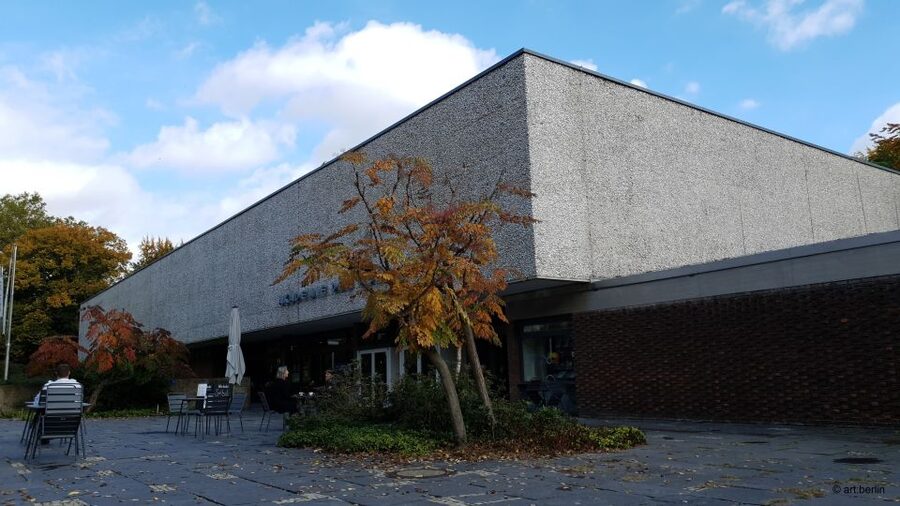
Hansaviertel is one of those Berlin areas where architecture doesn’t sit quietly in the background. The neighborhood sits next to Tiergarten, so your senses are doing two jobs at once: you’re hearing the city, but your guide is pointing out how the area’s buildings reflect huge events in Germany’s 20th-century story.
That pairing is part of why this tour works. You’re not just reading plaques or staring at facades. You’re walking through the physical “why” behind what you see, with a local guide keeping the focus on how the district was planned, damaged, and then re-thought.
The tone stays practical, too. A 2.5-hour walk is long enough to make connections, but not so long that you feel stuck in a classroom mode. And at $24 per person, it’s one of those Berlin deals where you’re paying mainly for a guide’s ability to connect the dots.
You can also read our reviews of more tours and experiences in Berlin.



Meeting at Grips-Theater and getting the walking rhythm right
You meet your guide outside the main entrance of the Grips-Theater. That’s helpful because it means you’re not hunting through a maze of side streets at the start.
Once you’re with the group, expect an active pace. The tour is explicitly described as involving a lot of walking, so the best move is to start with comfortable shoes that you already trust. If your feet tend to get tired early, treat this as a full walking session, not an easy stroll.
Also bring the simple basics: water, a camera, and weather-appropriate clothing. Berlin weather can change its mind quickly, and you’ll be out long enough that you’ll notice if you’re underprepared.
Tiergarten sounds: the real-time backdrop to modernist design
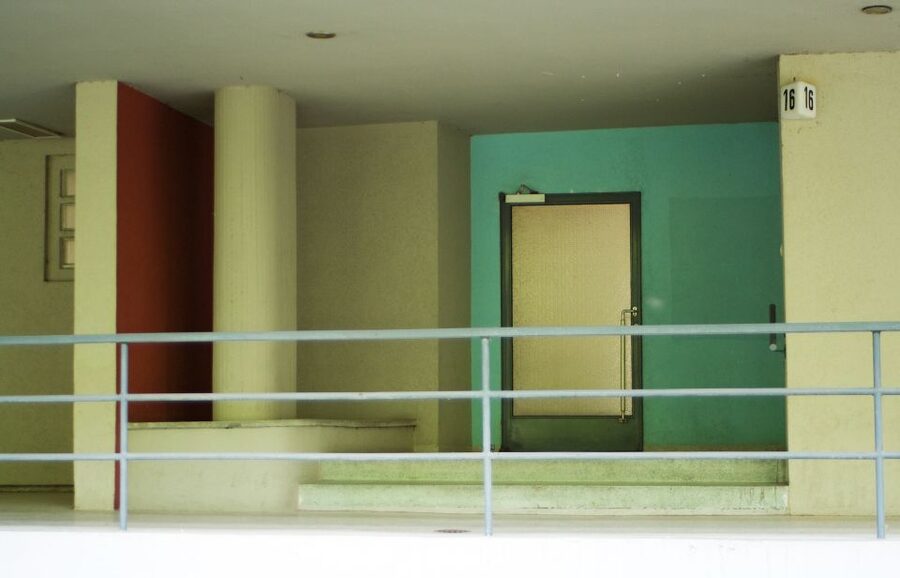
One of the most memorable parts is that you learn with Berlin noise in your ears. The tour highlights listening to the sounds of busy Berlin city life along the border of Tiergarten, which sounds small until you experience it.
Here’s what I like about this approach. It stops architecture from feeling abstract. You’re seeing buildings created for a specific vision of how people live, while the city around them keeps moving with traffic, footsteps, conversations, and everyday routines.
That contrast makes the design story feel grounded. Even when the tour is discussing postwar planning and rebuilding, you’re still in the present tense. It’s a quick way to understand how Hansaviertel fits into Berlin today, not just into textbooks.
How WWII nearly erased Hansaviertel—and why that matters
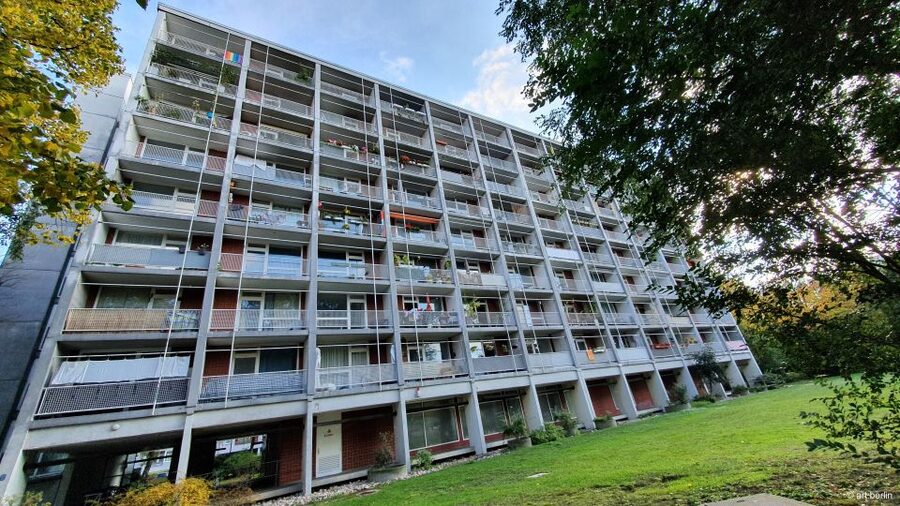
You’ll hear how Hansaviertel was nearly completely destroyed by bombings during the Second World War. That one fact changes how you read everything else on the walk.
Without that context, modernist buildings can look like cold, clean shapes that somehow appeared out of nowhere. With it, the same structures start to make sense as decisions: what to rebuild, how to rebuild, and what kind of future people thought they could design.
This is the real value of guided storytelling here. The guide isn’t only pointing out style. They’re tying the architecture to consequences—loss, reconstruction, and the pressure to create something new when the old world had been shattered.
If you like tours that explain cause and effect, you’ll appreciate this one. It helps you see the neighborhood as a physical record of choices made under extreme circumstances.
Architects you’ll recognize: Le Corbusier, Niemeyer, Aalto, Gropius
Hansaviertel is a place where famous names show up in real space. The tour is built around seeing the brilliant work of some of Germany’s most famous architects, including Le Corbusier, Oskar Niemeyer, Alvar Aalto, and Walter Gropius.
The practical benefit for you is that these names stop being just trivia. Instead, you can connect them to what you’re actually standing near. Even if you’re not an architecture expert, the guide framing makes it easier to spot patterns and themes—how modernist design aimed to serve daily life.
You don’t need to memorize dates or movement names to enjoy it. The guide’s job is to give you a way to look. And once you’re taught what to pay attention to—form, planning ideas, and the intent behind the design—you’ll start recognizing concepts even in passing.
It’s also a good tour if you’ve visited other European cities and felt modernism was easier to discuss than to see. Here, you get a walk-through explanation tied to a specific Berlin neighborhood.



The nicest extras: Hansa Bücherei window and Kaiser Friedrich Gedächtniskirche access
A standout part of this experience is that it isn’t limited to exterior viewing. You get specific add-ons that make the walk feel like more than just a photo tour.
You’ll see the Hansa Bücherei with a window aspect that lets you visualize how everyday life connects to the design. You also get access to the Kaiser Friedrich Gedächtniskirche, which adds a meaningful change of pace.
Why these extras matter: they add texture. Architecture is often judged from a distance, but public buildings and church spaces come with atmosphere and human scale. Getting access helps you shift from thinking about buildings as objects to understanding them as places people used and still use.
If you like tours that reward attention with more than a typical street-corner stop, this one has that edge. The “extra information” also covers residents of today’s Hansaviertel, which helps you understand how the neighborhood still functions as a living community rather than a museum set.
What the tour feels like in real time
This tour lasts 2.5 hours, and that time is enough to build a story arc. You start with the neighborhood’s modern setting near Tiergarten, then the guide brings in the heavy WWII context, and only after that do many details start clicking into place.
I also like the pacing because the guide is live and uses German. Live guiding tends to keep the flow lively—questions can happen, and explanations adjust to what people seem to notice. And based on the strong reviews, the guidance style tends to be both competent and humorous, which makes the heavier parts easier to take.
You’ll likely come away feeling like you understand how Hansaviertel got from near-total destruction to a planned district shaped by major modernist architects. That’s a satisfying transformation, and it’s hard to get from guidebook reading alone.
Price and value: $24 for a focused design + history walk
At about $24 per person for 2.5 hours, the math is pretty friendly for Berlin. What you’re really paying for isn’t just the walk—it’s the local guide interpretation and the ability to connect a neighborhood’s architecture to WWII realities and postwar planning.
For that cost, you’re also not only getting exterior viewing. You get architectural context, plus the extra moments at Hansa Bücherei and Kaiser Friedrich Gedächtniskirche access. Those added parts can turn a “standard architecture tour” into something more complete.
If you’re deciding between a general sightseeing walk and a specialist architecture tour, I’d lean toward this style—especially if you enjoy history that’s tied to places you can see. The price point makes it easy to justify even if you’re only staying a few days.
Who should book this Hansaviertel architectural walking tour
This tour is a great fit for you if you want:
- architecture explained through real neighborhood context
- WWII-era context tied to what you can still see
- a German-speaking live guide who keeps the story moving
- a walking tour that includes a couple of notable extras inside or at specific sites
It’s less ideal if you need wheelchair access, since it’s not suitable for wheelchair users and involves a lot of walking. Also, if you hate walking in weather shifts, plan carefully with clothing and timing.
Quick planning tips so you enjoy it more
Before you go, set yourself up for comfort. Wear comfortable shoes and bring water and a camera. Add weather-appropriate clothing because you’ll be outdoors for long enough that conditions matter.
If you’re coming straight from another stop, give yourself a minute to reset. This is the kind of tour where you’ll notice details and want your attention free. One small snack break beforehand can also help you keep energy through the full 2.5 hours.
And if your German is limited, you should still be okay for the basics because the tour is designed around showing and explaining what you see. Still, the listed language for the live guide is German, so it’s worth keeping expectations realistic.
Should you book?
If you’re the type of traveler who likes history that you can walk through, I’d book this. It combines real WWII context, a clear focus on modernist architecture names, and practical extras like the Hansa Bücherei window and access to Kaiser Friedrich Gedächtniskirche.
Where you should hesitate is mainly logistics for your body. With a lot of walking and no wheelchair suitability, it’s best if you’re comfortable with steady time on your feet.
FAQ
How long is the Berlin Hansaviertel guided walking tour?
The tour lasts 2.5 hours.
How much does the tour cost?
It costs $24 per person.
Where do we meet the guide?
Meet your guide outside the main entrance of the Grips-Theater.
What language is the live tour guide?
The live tour guide speaks German.
Is the tour suitable for wheelchair users?
No. The tour is not suitable for wheelchair users.
What should I bring for the tour?
Bring comfortable shoes, a camera, water, and weather-appropriate clothing.