REVIEW · MAPUTO
Tour about Art and Architecture in Maputo City
Book on Viator →Operated by Excursões · Bookable on Viator
Art in Maputo moves at street level.
This 2.5-hour walk stitches together Mozambican art and architecture in a tight route that feels like you’re reading the city in real time. I love how the tour doesn’t treat art like a museum-only thing. You spend time at Nucleo De Arte and you get a direct look at the artist association scene.
Another highlight I liked is how the day mixes culture with something practical: you’ll hit FEIMA for crafts and local cuisine right in the middle of the story. The final stop at the Polana Serena Hotel also gives you that rare bonus—serious sightseeing from a Victorian-style building with a sea view.
One consideration: the tour is short-stop focused, and there’s no private or air-conditioned ride included. So you’ll want comfortable shoes and a light rain layer, since Maputo weather can change fast.
In This Review
- Key Things to Know Before You Go
- A 2.5-Hour Maputo Plan That Blends Art, Buildings, and Real Life
- Nucleo De Arte: Where You Get Close to Mozambique’s Artist Scene
- Vila Algarve: Architecture Lessons Tied to the Revolution
- FEIMA Market: Crafts From Across Mozambique and Local Food Bites
- Maputo Orthodox Church: A Short Cultural Stop With Real Presence
- Polana Serena Hotel: Victorian Architecture and a Sea-Edge View
- Price and Tickets: Is $40 Worth It?
- How to Get the Most Out of Each Stop (No Speed-Reading Needed)
- Should You Book This Maputo Art and Architecture Tour?
- FAQ
- How long is the art and architecture tour in Maputo?
- What does the $40 price include?
- Are admission tickets included for the stops?
- What is not included in the tour price?
- How many people are in the group?
- Where does the tour start?
- Where does the tour end?
- Is the meeting area near public transportation?
- What is the cancellation policy?
Key Things to Know Before You Go
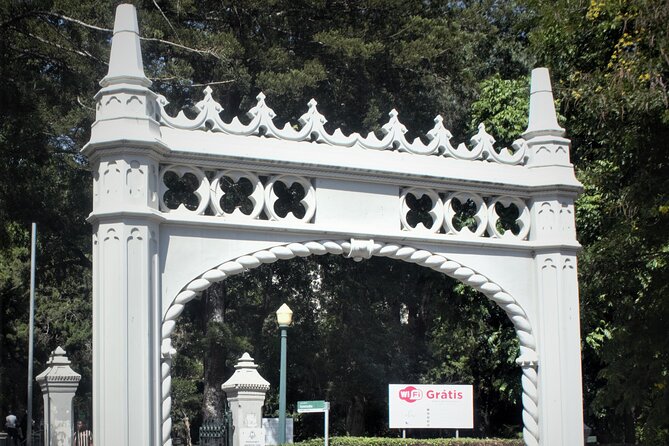
- Nucleo De Arte gives you time with the artist association galleries, not just a quick photo stop
- Vila Algarve connects building details to the Mozambican revolution in colonial times
- FEIMA is where you can browse crafts from across Mozambique and sample local food
- Maputo Orthodox Church is a focused cultural stop with strong visual presence in the city
- Polana Serena Hotel pairs Victorian architecture with an eye-level sea view
A 2.5-Hour Maputo Plan That Blends Art, Buildings, and Real Life
If Maputo is on your shortlist, this tour is a smart way to get your bearings without spending half a day figuring things out. The whole experience runs about 2 hours 30 minutes, with a series of short, guided stops. That timing matters. You get enough time at each location to understand what you’re seeing, but the pace stays active instead of dragging.
What I like about this format is how it changes your questions as you go. At Nucleo De Arte, you’re thinking like an art viewer—how artists work, what styles matter, why associations exist. Then Vila Algarve nudges you into architecture and history mode. FEIMA brings you back to the street-and-market reality. Finally, the church and Polana Serena Hotel help you read Maputo’s skyline and faith-and-colonial influences in one arc.
Also, this is not a huge tour. The group size has a maximum of 25 travelers, which usually means you can ask questions without feeling like you’re shouting into a crowd. One guide name shows up strongly in feedback: Ercilio. More than one person appreciated his city connections and his ability to connect what you see to the bigger story behind it.
Nucleo De Arte: Where You Get Close to Mozambique’s Artist Scene

Your first stop is Nucleo De Arte. You’ll spend around 20 minutes here, and admission is free. This is one of those places where the value is not just the walls and paintings. It’s the idea of an artist association—an organized space where creativity isn’t accidental. It’s supported.
In practice, you should expect time in the galleries, plus conversation with context. In feedback from the tour, the best moments often involve meeting local artists and understanding how they think about their work. Even if you’re not an art expert, you can still enjoy the “how to look” part. You’ll likely learn what to notice first: technique, subject choices, and how Mozambican identity shows up in the art.
Why this stop is worth your time: it helps you stop treating Maputo as scenery. Instead, you start seeing it as a living creative system. By the time you walk out, you’ll have a sharper sense of what you’re about to see in the city’s architecture and public spaces.
Possible drawback: 20 minutes goes by fast. If your goal is slow gallery wandering, you’ll need a return trip. But as an early stop, it works well because it sets the tone for the rest of the tour.
Vila Algarve: Architecture Lessons Tied to the Revolution
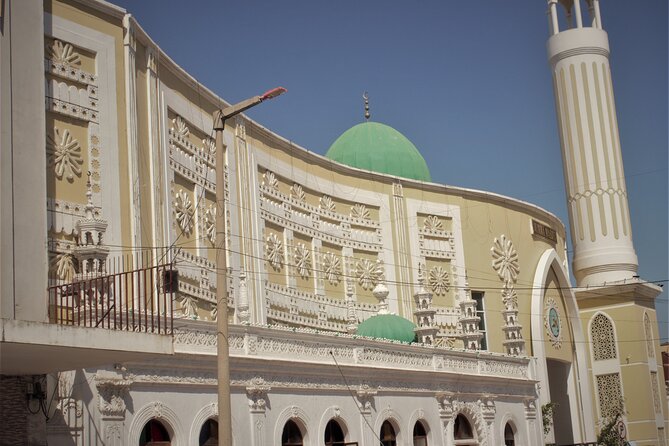
Next is Vila Algarve, about 25 minutes, again with free admission. This is the architecture-and-history moment. Your guide will talk about the building’s design and history, including the link to the Mozambican revolution in colonial times.
Even without going deep into dates, this kind of stop helps your brain connect two things that many city tours keep separate: the physical look of a building and the political story around it. Architecture can be propaganda, protection, status, or adaptation. A guide who can explain why a building looks a certain way can turn an ordinary facade into evidence.
What to watch for here: focus on structure and style cues—how the building presents itself, what makes it feel distinct in Maputo, and what your guide points out as meaningful. If you ask a question like why the design matters, the answer usually helps you understand not only Vila Algarve but other colonial-era buildings in the city too.
Drawback to consider: this stop relies a lot on conversation. If you’re the type who loves museums but hates guided talk, you may want to bring your curiosity. You’ll get more out of it if you’re willing to listen and ask one or two questions.
FEIMA Market: Crafts From Across Mozambique and Local Food Bites
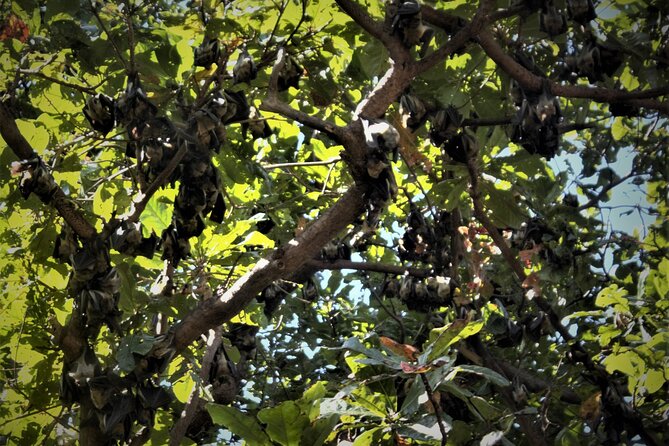
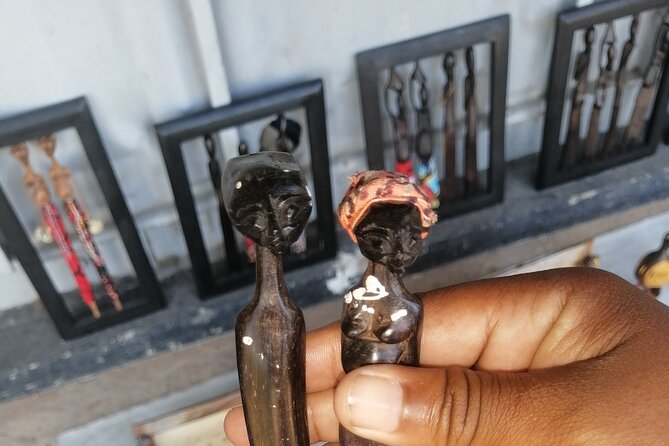
Then it’s time for FEIMA – Feira de Artesanato, Flores e Gastronomia. You’ll have about 1 hour here, and admission is listed as free. This is the stop where the tour gets properly hands-on.
FEIMA is built around variety. You’ll find crafts brought from all parts of Mozambique, and you’ll also get the chance to experience local cuisine. That combination is the main reason I enjoy this kind of stop: you’re not only seeing what people make—you’re seeing the everyday food culture alongside it.
Think of it like a cultural crossroads. Art and architecture explain identity at a distance. A market like FEIMA brings identity down to the level of materials, styles, and what people actually eat.
How to enjoy it most: give yourself permission to browse slowly for a few items, then snap back into listening mode when your guide points out connections. If you’re collecting small souvenirs, this is the part of the tour where you’ll feel the most momentum.
Possible drawback: markets can be busy and sensory. If crowds stress you out, you might spend a bit less time inside the busiest areas and keep your shopping plan simple.
Maputo Orthodox Church: A Short Cultural Stop With Real Presence
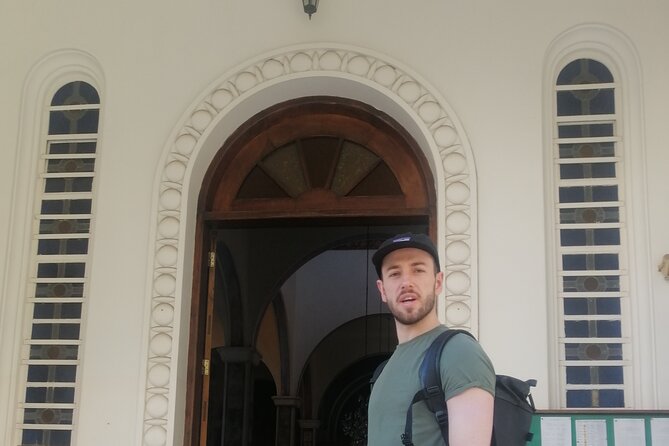
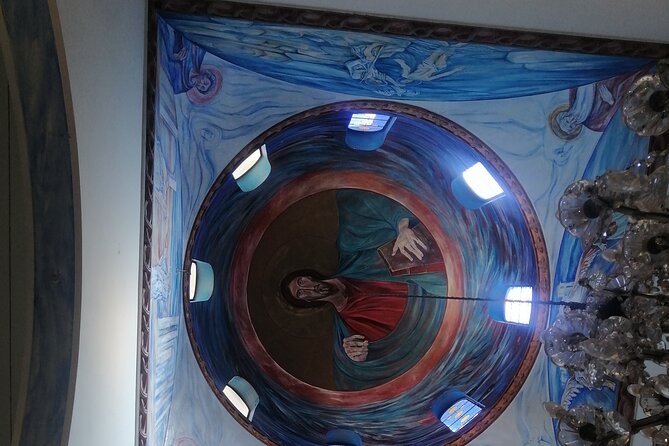
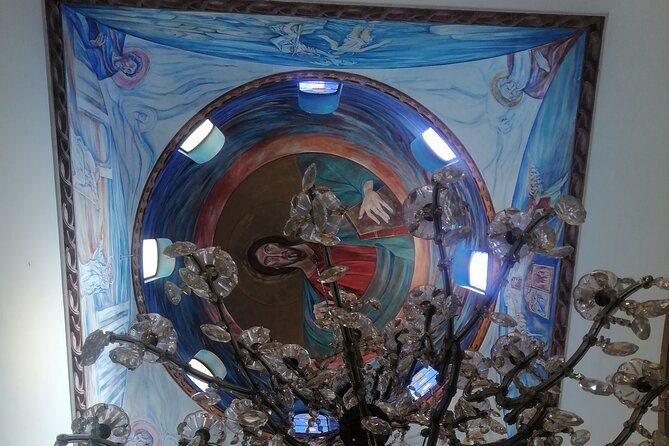
After FEIMA, the tour shifts to Maputo Orthodox Church for about 15 minutes. Admission is listed as free.
A 15-minute church stop sounds quick, but it can still work if your goal is contrast. After art galleries and a market, you get a change of pace and a different kind of cultural landmark. Churches also tend to show you what a city values publicly—faith, community, and how traditions live in shared space.
What to do in this stop: look for the details your guide mentions and keep your visit respectful. If you’re into architecture, this is a chance to compare styles and influences across stops, even in a short time.
Possible drawback: if you’re hoping for a long guided tour inside the church, this is not that kind of stop. It’s more of a meaningful snapshot.
Polana Serena Hotel: Victorian Architecture and a Sea-Edge View
Finally, you end at Polana Serena Hotel, a Victorian-style building with an incredible view of the sea. This part lasts about 20 minutes, with admission listed as free.
This is the perfect finish because it gives you a clean visual payoff. After several stops of art, architecture talk, and market browsing, you end with a view. Even if you’re tired, you’ll still feel the reward, because the setting helps you absorb Maputo’s geography: the city’s relationship to the water and the way colonial-era style sits in a coastal environment.
It also makes a practical difference. Ending at a major hotel means it’s easy to orient yourself for your next move—whether you’re heading out for dinner or planning a second visit to an area you liked.
A small tip: if the light looks good, take a couple minutes before the tour is over to get photos that include both the building and the sea line. That makes your memory of the tour more complete than a single close-up.
Price and Tickets: Is $40 Worth It?
At $40 per person, this tour can be very good value for a few reasons.
First, it includes all fees and taxes, and every stop in the schedule lists admission as free (Nucleo De Arte, Vila Algarve, FEIMA, the Orthodox Church, and Polana Serena Hotel). In other words, you’re not paying extra entry costs as you go. That matters, especially when you’re planning a day in a city where prices for attractions can add up.
Second, you’re paying for guided connections, not just access. Architecture and art are the kind of topics where a guide can save you hours of guessing what you’re looking at. Feedback on the tour repeatedly praises the guide’s art and local understanding. One guide name—Ercilio—comes up with emphasis on strong local knowledge and good city storytelling.
Third, the duration is realistic. 2 hours 30 minutes is long enough to feel like you learned something, but short enough to still enjoy an evening out in Maputo.
What’s not included is also important. Private transportation and an air-conditioned vehicle are not part of the price. The tour is designed for walking between stops or using public-access routes, so plan around that. If you need climate control, you may want to arrange transport separately after the tour.
What to bring
- comfortable walking shoes
- a light rain layer (Maputo weather can surprise you)
- sun protection if you go on a bright day
- a curious mindset for art and architecture talk
How to Get the Most Out of Each Stop (No Speed-Reading Needed)
This is a “listen, look, ask” tour. Short stops mean you’ll get best results by doing three things.
Arrive ready to ask one question. Something simple like How does this building connect to the revolutionary period? or What should I pay attention to in this artwork? Guides usually have strong answers when you show you’re paying attention.
Keep your pace steady. You don’t have to race from place to place. Let your guide set the rhythm, then take a quick moment to check your own impressions—especially at Nucleo De Arte and during the sea-view finale at Polana Serena.
Respect the setting. You’ll have a church stop, and you’ll be in working cultural spaces. That doesn’t mean you can’t take photos—just use common sense and follow the guide’s cues.
Also, if you like local atmosphere, there’s a chance you’ll notice festive city life. One piece of feedback referenced weddings and dancing on a Saturday. That doesn’t guarantee anything for your day, but it’s a good reminder to keep your eyes open. Maputo street life can be part of the experience, even when the schedule is focused.
Should You Book This Maputo Art and Architecture Tour?
I’d book it if you want a short, well-structured introduction to Maputo’s creative side and built environment. It’s especially good for first-timers because it hits art galleries, architectural discussion, a major craft-and-food market, a church landmark, and a seaside viewpoint—without turning the day into a marathon.
I’d pass or adjust expectations if you’re looking for a long, slow museum-style experience or private, door-to-door comfort. The tour is priced for value, not for chauffeured luxury, and the route is meant to be active.
If you’re the kind of traveler who likes connecting the dots—art to identity, buildings to history, markets to daily life—this $40 outing is a strong use of your time in Maputo.
FAQ
How long is the art and architecture tour in Maputo?
It lasts about 2 hours 30 minutes.
What does the $40 price include?
The price includes all fees and taxes. It also uses a mobile ticket.
Are admission tickets included for the stops?
Yes. The schedule lists admission as free for each stop.
What is not included in the tour price?
Private transportation and an air-conditioned vehicle are not included.
How many people are in the group?
The tour has a maximum of 25 travelers.
Where does the tour start?
The start point is Museu de Historia Natural (2HFP+4Q7), Travessia de Zambeze, Maputo.
Where does the tour end?
The tour ends at Polana Serena Hotel, 1380 Av. Julius Nyerere, Maputo.
Is the meeting area near public transportation?
Yes, the start area is noted as being near public transportation.
What is the cancellation policy?
You can cancel for a full refund up to 24 hours in advance. If you cancel less than 24 hours before the experience starts, the amount paid is not refunded.