REVIEW · BERLIN
Berlin: Modernist Architecture Tour in the Hansaviertel
Book on GetYourGuide →Operated by Beyond and Beneath Tours · Bookable on GetYourGuide
Berlin has a secret modernism corner.
This Hansaviertel architecture tour takes you off the main sights and into a neighborhood where Cold War optimism and older Berlin elegance sit side by side, with the Spree and the Tiergarten close by. You’ll learn how war damage and political rivalry shaped what you see on the street today.
I especially love two things about this walk. First, you get the big story and the street-level one: it starts with the late-1800s villas and gardens, then flips to 1957 Interbau so you can see how ideas changed after WWII. Second, the guide makes the names matter—Walter Gropius, Oscar Niemeyer, Alvar Aalto, plus other modernist architects—and you connect those forms to real human questions about daily life. One thing to consider: it’s a walking tour with historical depth, so if you hate standing and walking for about 2 hours, you’ll feel it.
In This Review
- Key points to know before you go
- Berlin’s Hansaviertel: where politics turned into architecture
- Starting point at Tiergartenquelle: find the orange umbrella
- Stop-by-stop: what you’ll actually see and why it matters
- 1) Hansaviertel’s late-19th-century enclave feel
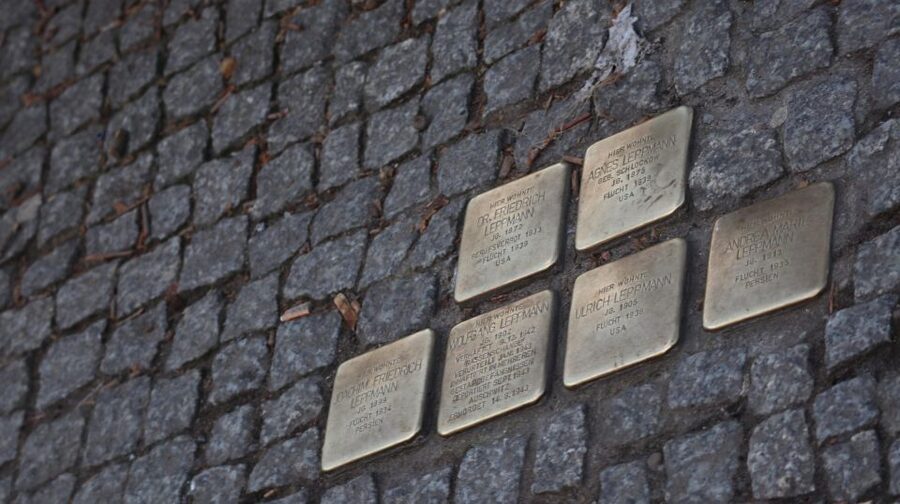
- 2) A memorial stop tied to Jewish life and Nazi persecution
- 3) Interbau 1957: turning rubble into a Cold War stage
- 4) Modernist icons on the walk: Gropius, Niemeyer, Aalto, and more
- The guide makes the walk feel like a conversation, not a lecture
- Duration and pace: plan for a solid 2 hours on foot
- Price: $23 is the bargain if you care about context
- What you should bring and how to prepare
- Who this tour is best for
- Should you book the Berlin Hansaviertel modernist architecture tour?
- FAQ
- FAQ
- How long is the Hansaviertel modernist architecture tour?
- Where do I meet the guide?
- Where does the tour end?
- How much does it cost?
- What languages are available?
- Is food or drinks included?
- Is museum or monument entry included?
- What should I bring?
- Is the tour suitable for kids?
- Is it wheelchair accessible?
Key points to know before you go
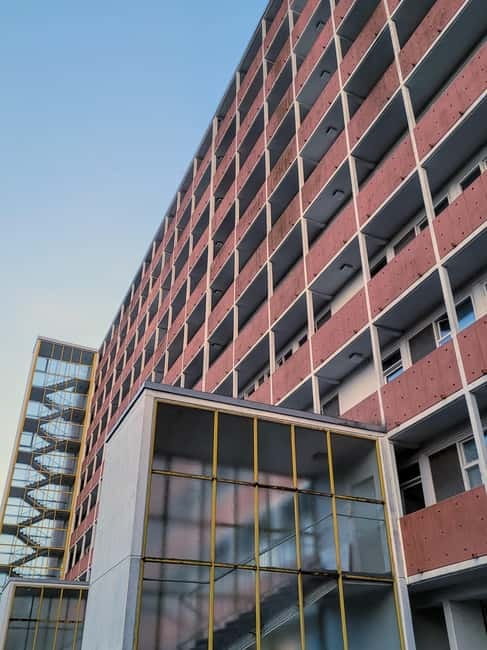
- Hansaviertel is a West Berlin modernist showpiece: Interbau 1957 turned cleared land into a Cold War display of architecture.
- You’ll get two eras in one walk: late-19th-century villas and then postwar modernism, linked by the same streets.
- The tone changes at a Jewish memorial site: the tour includes a quiet, powerful stop tied to Jewish life erased by Nazi persecution and later bombing.
- You’ll learn the why behind the shapes: the tour asks what these buildings promised and what kind of life they hoped to shape.
- Meet at Tiergarten S-Bahn with an orange-umbrella guide: Biergarten der Tiergartenquelle is the easy landmark to find.
- Good for German and English speakers: live guide in both languages, with a responsive, conversation-friendly style.
Berlin’s Hansaviertel: where politics turned into architecture
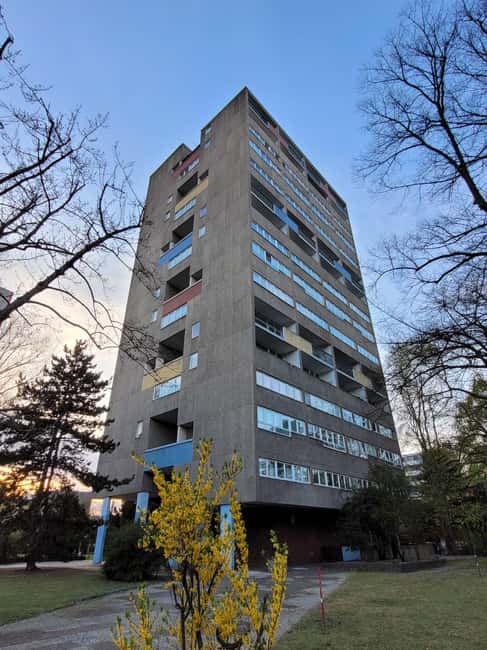
If Berlin ever felt like a city of layers, this neighborhood is the lesson plan. The Hansaviertel sits between the Tiergarten and the Spree, and that location matters: you can walk through leafy streets while absorbing stories that stretch from the late-1800s into Cold War modernism.
This is one of those places where you can’t just look at buildings and move on. The tour frames Hansaviertel as a real experiment in urban design—how people wanted cities to function, how they imagined modern identity, and how a divided Berlin tried to project confidence. The result is a walk that feels more like thinking with your feet than sightseeing.
You can also read our reviews of more tours and experiences in Berlin.



Starting point at Tiergartenquelle: find the orange umbrella
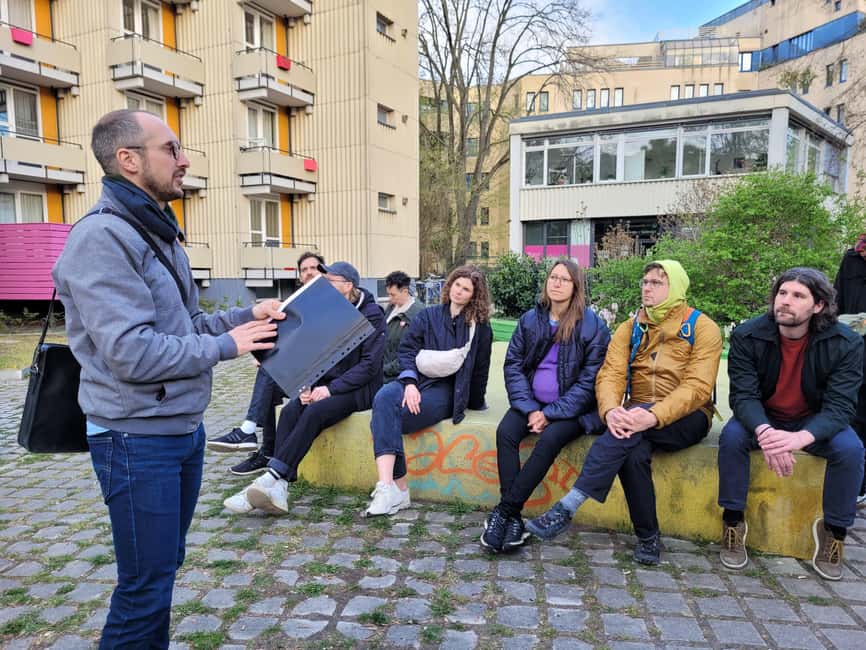
You begin near the Berlin-Tiergarten S-Bahn station at the Exit Siegmunds Hof / Bachstraße, beside the beer garden Biergarten der Tiergartenquelle. The practical tip here is simple: look for the guide with the orange umbrella. If you’re early, hang around the beer garden area and take a breath before the walk starts.
This first segment is about getting your bearings. Expect a smooth transition into the neighborhood’s backstory so that, when the architecture starts showing up in earnest, it already has context.
Also, bring comfortable shoes and water. The tour runs about two hours, and you’ll be on your feet for roughly that time.
Stop-by-stop: what you’ll actually see and why it matters
1) Hansaviertel’s late-19th-century enclave feel
The tour begins in the late 1800s, when Berlin’s population grew fast and whole districts were shaped for different classes and lifestyles. In Hansaviertel, that early character shows up through the idea of a middle- and upper-class enclave: villas, manicured garden vibes, and elegant street presence.
What I like about starting here is how it prevents modernism from becoming a free-floating art lesson. You’re learning what the neighborhood was before WWII cleared the ground for a new vision. Even if you don’t spot every historic detail from the street, you’ll understand what changed—and what didn’t.
This part of the walk also connects Hansaviertel to people who lived through Germany’s modern shocks in the most personal ways. You’ll hear about notable residents including Rosa Luxemburg, Nelly Sachs, and Käthe Kollwitz. That matters because architecture isn’t just for architects—it’s where real lives unfolded.
2) A memorial stop tied to Jewish life and Nazi persecution
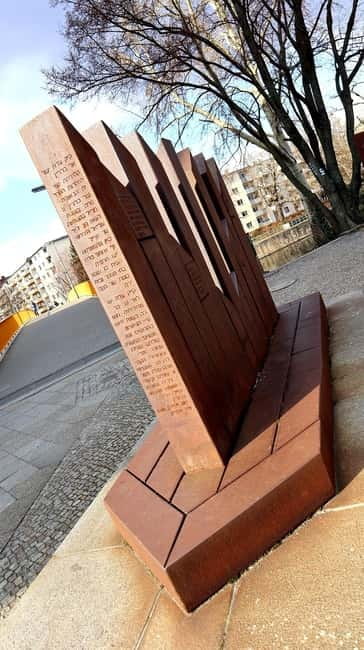
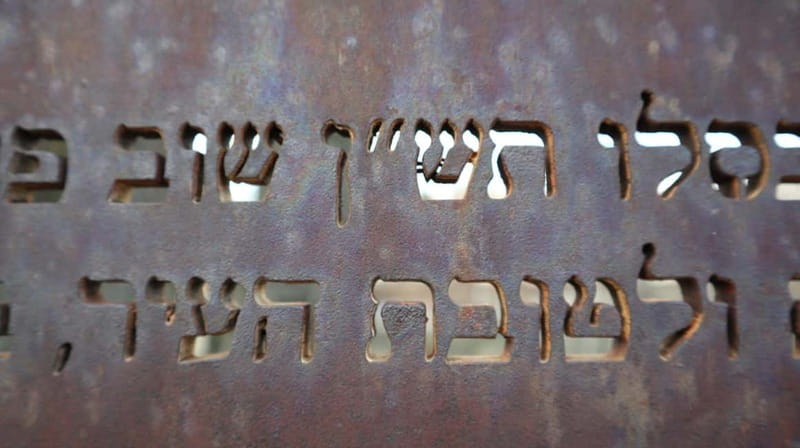
At some point, the tour shifts from design and social class into something heavier. You’ll visit a memorial at the site connected to one of Berlin’s most significant Jewish communities—socially and physically destroyed by Nazi persecution, and later by Allied bombing raids.
This stop changes the pace. It’s not about details for their own sake. It’s about remembering that neighborhoods are made of communities, and communities can be erased. You’ll leave with a sharper sense of why the later “showcase” of postwar architecture was also complicated: rebuilding isn’t only about style—it’s about loss, survival, and what a city chooses to project afterward.



3) Interbau 1957: turning rubble into a Cold War stage
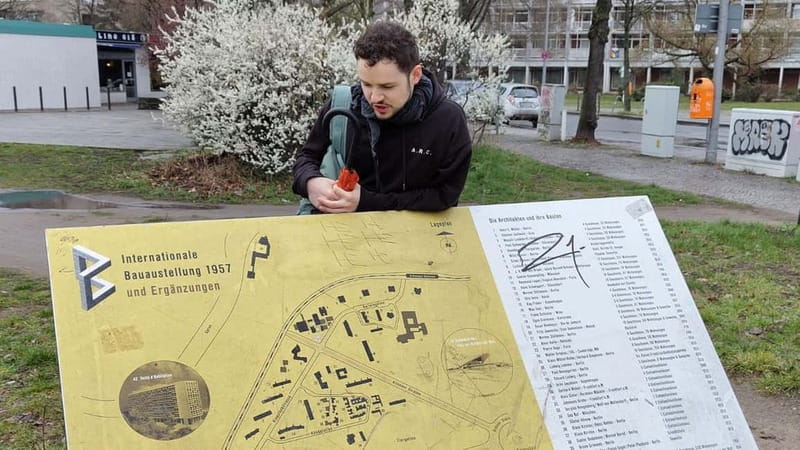
Then the story makes a dramatic pivot. In 1957, West Berlin hosted Interbau, an international architecture exhibition meant to redefine how a city could look and function in the postwar world. Hansaviertel became part of that message.
The tour explains that this wasn’t just a design festival. It was a Cold War experiment. West Berlin wanted to show confidence: we can rebuild better, we can plan smarter, and we can demonstrate modern identity through the built environment.
Walking through Hansaviertel after this context lands differently. You start seeing the logic in the layout and the daring in what architects tried. Forms that might otherwise look like “cool buildings” become evidence of competing ideas about what modern life should feel like.
4) Modernist icons on the walk: Gropius, Niemeyer, Aalto, and more
This is where the neighborhood earns its reputation. You’ll see buildings connected to major modernist architects, including Walter Gropius, Oscar Niemeyer, Alvar Aalto, and others.
A useful way to look at these structures is through the questions the tour raises:
What did the architecture promise? What kind of daily life did it hope to shape? And does it still feel modern—or does it feel like a time capsule of ambition?
Here’s the practical value: you’ll learn to “read” modernism. Instead of just admiring shapes, you’ll start noticing how design decisions might relate to light, movement, function, and the idea of community in a planned district.
And yes, there’s room for surprise. Some of the buildings can feel experimental, even provocative. In a neighborhood you might otherwise treat as just scenic, this tour turns the street into a discussion about design choices and ideology.
The guide makes the walk feel like a conversation, not a lecture
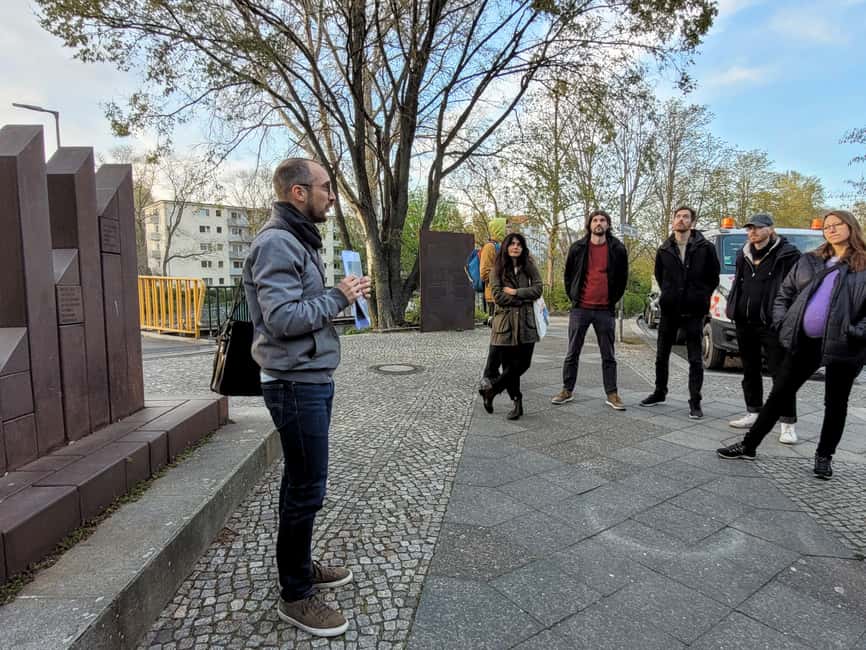
One of the strongest parts of the experience is the human style of the tour. The guide—Morgan—uses a lively approach that moves you from the older neighborhood character to the modernist redesign without losing the thread. The tone is conversational, and you can ask questions and get answers that expand what you’re seeing.
That matters because modern architecture can be intimidating if you don’t know what to look for. A good guide helps you translate unfamiliar forms into understandable ideas—so you walk away feeling like you gained tools, not just facts.
The tour is offered in German and English, so you’re not stuck with a script you don’t relate to.
Duration and pace: plan for a solid 2 hours on foot
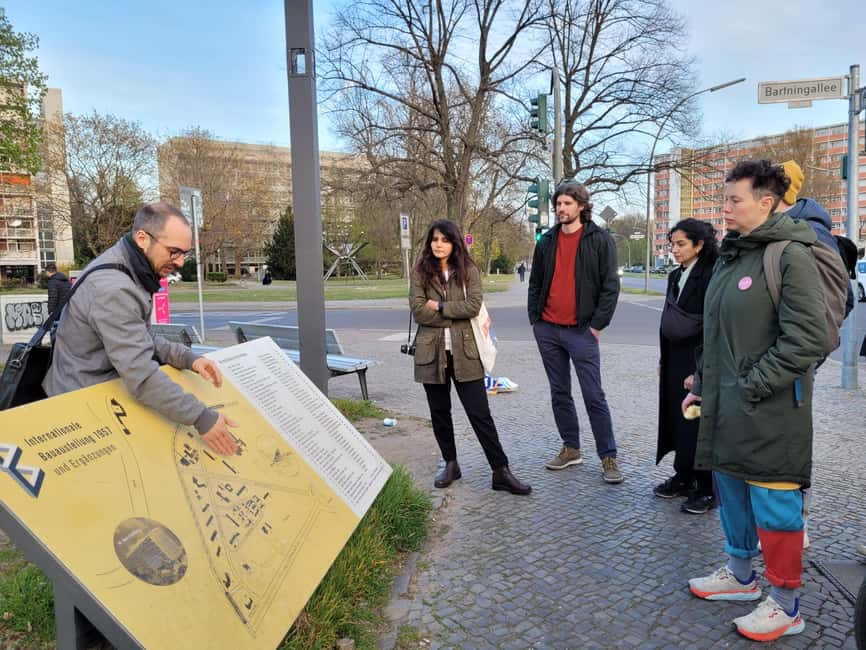
This experience runs about 2 hours. The guided walking time is listed as around 1.5 hours, which usually means you’ll spend the rest accounting for the start and the flow between the major stops.
That’s a comfortable length for a “focused” neighborhood walk—long enough to build context, short enough that you can still enjoy the rest of Berlin afterward. The key is comfortable shoes and an expectation of standing and walking for most of the time.
Price: $23 is the bargain if you care about context
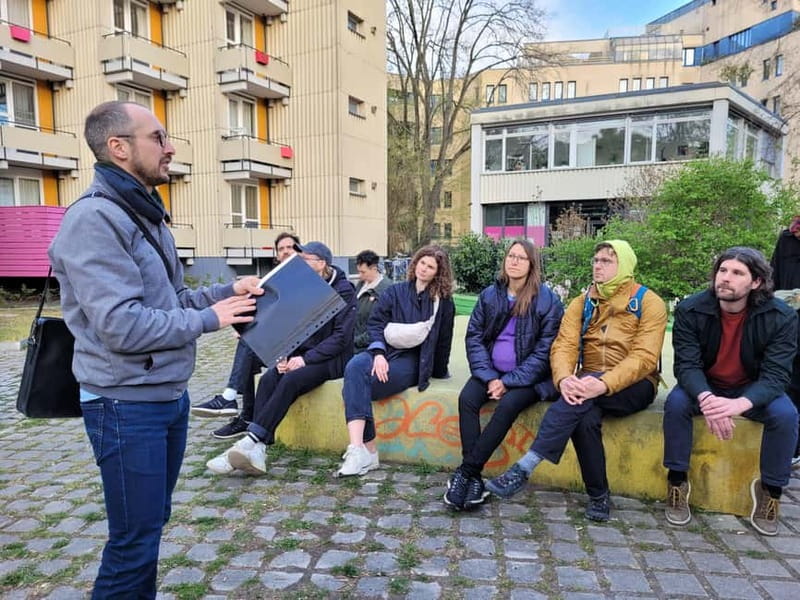
At $23 per person, this tour sits in the affordable range for a guided, concept-heavy architecture walk. You’re paying for an expert local guide plus a tight storyline that covers multiple eras, major architects, and a memorial stop.
If your goal is a quick photo run, you might find self-guided browsing cheaper. But if you want to understand what you’re looking at—why Hansaviertel is planned the way it is, what Interbau tried to prove, and how the neighborhood’s story ties to real events—this is strong value for the time.
What you should bring and how to prepare
You don’t need special gear, but you’ll be happier with a few basics:
- Comfortable shoes for walking and standing
- Water to stay comfortable on the route
It’s also recommended for ages 14 and up, mainly because the content goes into serious historical themes. If you’re traveling with kids under 14, this one isn’t listed as suitable for them.
Who this tour is best for
This tour fits best if you:
- like architecture but also want the reason behind it
- enjoy walking tours with clear storytelling
- want a break from the usual Berlin landmark circuit
- are curious about how Cold War rivalry shaped everyday urban design
If you only want the prettiest streets and zero context, you might find some stops heavy or slow. But if you like meaning mixed into your sightseeing, Hansaviertel is ideal.
Should you book the Berlin Hansaviertel modernist architecture tour?
I’d book it if you want a Berlin experience that’s both visual and grounded in history—especially if you care about how cities rebuild after catastrophe. The combination of late-19th-century elegance, the memorial stop tied to Jewish life lost to Nazi persecution and bombing, and the Interbau 1957 modernist showcase gives the walk momentum. You’ll leave with a stronger sense of why these buildings look the way they do and what they were trying to communicate.
Skip it only if you can’t handle about 2 hours of walking or you’d rather avoid historically serious material.
FAQ
FAQ
How long is the Hansaviertel modernist architecture tour?
The tour lasts about 2 hours.
Where do I meet the guide?
Meet in front of the Berlin-Tiergarten S-Bahn station (Exit Siegmunds Hof / Bachstraße), next to the beer garden Biergarten der Tiergartenquelle. Look for the guide with the orange umbrella.
Where does the tour end?
The walk finishes at Hansaplatz, and the activity ends back at the meeting area.
How much does it cost?
It costs $23 per person.
What languages are available?
The live guide offers German and English.
Is food or drinks included?
No. Food and drinks are not included.
Is museum or monument entry included?
Entry to museums or monuments is not specified in the itinerary, so it’s safest to assume you won’t have included museum tickets.
What should I bring?
Bring comfortable shoes and water.
Is the tour suitable for kids?
It’s recommended for ages 14 and up and is not suitable for children under 14.
Is it wheelchair accessible?
Yes, the tour is listed as wheelchair accessible.